York County Public Hunting Access
Trying to find a piece of public land to hunt in a rapidly growing area like York County can feel like searching for a needle in a haystack, especially when so much of the landscape is either private farmland, developed areas, or smaller tracts. It’s incredibly frustrating to know there are deer, turkeys, and small game around, but you just can't seem to get access. This guide is here to cut through that frustration, explaining the realities of public hunting access in York County and giving you the practical steps, tools, and expectations you need to find your next hunting spot.
The Reality of Public Hunting in York County: Finding Your Spot
Let's be honest, when you think of vast tracts of public hunting land in South Carolina, places like Francis Marion National Forest down near the coast or the immense Sumter National Forest in the Upstate often come to mind first. York County, sitting up in the northern part of the state, often feels like a different beast entirely. It's a region where population growth has been significant, and naturally, that means more houses, more roads, and less undisturbed wild acreage available for public use. The sheer volume of private land can be disheartening for public land hunters, making it seem like there's nowhere left to go.
Understanding the Public Land Landscape
The truth is, while York County might not boast hundreds of thousands of contiguous acres of federal land, there are opportunities, but they often require a bit more digging, a keen understanding of regulations, and some serious strategic planning. You're probably not going to find vast wilderness areas here, but rather smaller, often fragmented pieces of land managed for wildlife. These might include Wildlife Management Areas (WMAs) or other publicly accessible tracts. The key is knowing what these areas typically look like, what game they might hold, and how they are managed. It’s a different kind of challenge than dropping into a massive national forest, but it’s a rewarding one when you figure it out.
When you start looking, you'll quickly realize that "public land" isn't a single, uniform thing. It comes in different flavors, each with its own set of rules and characteristics. Some tracts might be dense hardwoods and creek bottoms, perfect for deer and turkey, while others might be more open, offering opportunities for small game. The important thing is not to get discouraged if the first few spots you scout don't pan out. Persistence, and a good understanding of what you're looking for, will serve you well. Many of us have spent countless hours driving dirt roads and hiking in, only to find the spot wasn't quite what we'd hoped. That's part of the process, and it teaches you what to look for next time.
Initial Research and Expectation Setting
Before you even tie your boots, the first step is always to manage your expectations and do your homework. Unlike some other counties, York County public land hunting is often about quality over sheer quantity of acreage. This means that competition can sometimes be higher on smaller, accessible parcels. It's vital to research the specific regulations for any potential public hunting area, as rules can vary not just by county, but by the specific WMA or management unit. Don't assume that what applies on one piece of public land applies on all of them – that's a surefire way to get a citation or, worse, ruin a hunt.
Start by visiting the South Carolina Department of Natural Resources (SCDNR) website. This is your primary source for accurate, up-to-date information on public hunting land, seasons, and regulations. They often have maps and descriptions of WMAs. While some of this information can feel a bit overwhelming, it's absolutely crucial. Don't skip it. Look for any WMAs listed specifically within or immediately adjacent to York County. Sometimes, what might be considered an "adjacent" county could offer the best, most practical public access for York County residents. Be prepared for potentially limited access points, challenging terrain (especially around water sources), and the necessity of walking further than you might on private land.
Key Public Hunting Areas and Their Characteristics Near York County
While York County itself might have a more limited number of large public hunting tracts compared to other parts of the state, hunters shouldn't despair. The key is understanding the types of public land that exist in South Carolina and then diligently searching for these opportunities within a reasonable driving distance from York County. Often, the best bets will be Wildlife Management Areas (WMAs), which are specifically managed for hunting and wildlife conservation.
Wildlife Management Areas (WMAs) and Their Rules
Wildlife Management Areas are the backbone of public hunting in South Carolina, and some of these might be your best bet when starting your search from York County. WMAs are typically managed by the SCDNR and often have very specific regulations that differ from statewide rules. These regulations can include shortened seasons, archery-only periods, special quota hunts, or specific weapon restrictions. For instance, you might find an archery-only WMA near a suburban area that offers great deer hunting but requires meticulous scouting and stealth. Remember, to hunt WMAs, you almost always need a specific South Carolina WMA Permit Requirements in addition to your regular hunting license and big game permits.
When you locate a potential WMA near York, dive into its specific rules. You can usually find these detailed regulations on the SCDNR website or within their annual hunting digests. Pay close attention to season dates – WMA seasons are often considerably shorter than private land seasons. Also, check for specific weapon restrictions. Some WMAs might be primitive weapons only during certain periods, or entirely archery-only. Understanding these nuances can save you a wasted trip and ensure you're hunting legally and ethically. Don't forget, these areas are often well-traveled by other hunters, so expect some competition, especially on opening day.
Navigating National Forest Opportunities
While there isn't a major portion of the Sumter National Forest directly within York County, the proximity to the Upstate means that other sections of the Sumter National Forest, such as the Enoree Ranger District, might be a reachable option for those willing to drive a bit. National Forests offer vast landscapes that typically follow general statewide hunting regulations, though specific sections or designated areas within them might have unique rules. These larger tracts tend to spread hunter pressure out more, but also mean you might have to work harder to find concentrated game.
If you decide to venture into a national forest, understanding the terrain and general access points is crucial. These areas often have extensive logging road networks, but not all are open to vehicle traffic, especially during certain times of the year or weather conditions. Foot travel is often key. You'll want to review maps carefully to find remote pockets that see less pressure. Hanging a Stand on a Sumter Forest Ridge or still-hunting through diverse timber stands are common tactics in these environments. Remember, always consult the National Forest Service regulations in addition to SCDNR rules, as things like camping, vehicle use, and trail cameras might have specific guidelines.
Other Potential Public Access Points
Beyond WMAs and National Forests, there might be smaller, less-advertised public access points. These could include state parks that allow hunting during certain times of the year (usually quota hunts), or specific tracts of land managed by other agencies. These opportunities are often harder to find and might require more diligent research. For example, some municipal or county-owned lands might have managed deer hunts to control populations, especially in areas where suburban sprawl meets green spaces.
The challenge with these smaller, often localized opportunities is that information might not be as readily available through the main SCDNR channels. It might require calls to local county offices, park rangers, or keeping an eye on local news or hunting forums. These spots can be diamonds in the rough, offering unique hunting experiences with potentially less pressure, but they demand a proactive and curious hunter to uncover them. Always verify all rules and access requirements directly with the managing authority before planning a hunt.
| Type of Public Land Access | Typical Characteristics | Regulations & Access | York County Relevance |
|---|---|---|---|
| Wildlife Management Areas (WMAs) | Managed specifically for wildlife and hunting. Often smaller, diverse habitats. | Specific WMA rules, often stricter seasons/weapon choices. Requires WMA permit. | Most likely source of public hunting. Will require travel but good potential. |
| National Forests | Vast tracts of federal land (e.g., Sumter NF). Varied terrain, often larger. | General statewide rules, but check specific district/forest regulations. | Some driving distance, but offers larger, less crowded options. |
| State Parks/Other State Land | Can offer quota hunts or limited seasons. Often highly regulated. | Highly specific to the park/area. Apply for permits/draws. | Less common, but potential for unique, low-pressure hunts if permits obtained. |
| Other Local/County Lands | Small, localized, usually unknown to the broader public. | Varies wildly, must check with local authorities. | Rare, but can be high reward for diligent researchers. |
Essential Tools and Tactics for York County Public Land Hunters
Hunting public land in York County, or anywhere that sees a decent amount of pressure, means you need to be smarter, more patient, and more prepared than ever before. It's not just about showing up with your gear; it's about strategy, knowing your ground, and often, out-thinking both the deer and other hunters.
Digital Scouting and Mapping for Success
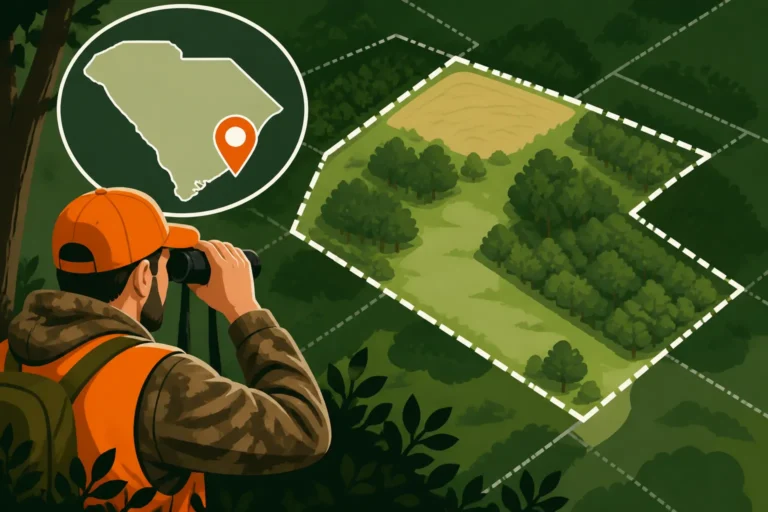
In today's hunting world, digital mapping tools are non-negotiable, especially on public land. Forget relying solely on paper maps; while they have their place as a backup, apps like onX Hunt have revolutionized how we scout and navigate. Before you ever step foot in the woods, you should be pouring over aerial photos and topo maps. Look for subtle terrain features that might concentrate deer movement: pinch points, saddles, creek crossings, changes in timber type, or isolated pockets of cover. Even small variations can make a huge difference, especially on parcels that might be smaller or have more human activity around them.
The beauty of a tool like onX Hunt is its ability to overlay public and private land boundaries directly onto detailed satellite imagery. This is absolutely critical for York County, where public land can sometimes be small and surrounded by private property. You need to know exactly where you can and cannot go. Use the app to mark potential stand locations, bedding areas, travel corridors, and even likely entrance and exit routes. You can drop pins for sign you find, like rubs or scrapes, and build a comprehensive picture of the deer activity. Scouting South Carolina Public Land Before Season is not just a good idea; it's essential, and these apps make it incredibly efficient. Another valuable resource is the Go Outdoors SC app, which can help with licensing and sometimes provides access to WMA maps and information, ensuring you're legally compliant and informed about the specific area.
Adapting Your Hunting Strategy to Pressured Land
Once you've done your digital scouting, the next step is to adapt your hunting strategy to the reality of public land pressure. York County public land, even if it's not swarming with hunters, will likely see more foot traffic than a private lease. This means deer are often more nocturnal, warier, and will quickly learn to avoid easy-to-access areas.
- Go Deeper, Go Harder: The classic public land advice holds true: often, the best hunting is found further from access points. Most hunters won't walk more than a quarter or half-mile from their truck. If you're willing to push further – even just an extra half-mile – you significantly increase your odds of finding undisturbed game. This means being in good physical shape and having a solid pack with essentials.
- Hunt the Unattractive Spots: Think outside the box. While everyone else is heading to the big oak ridges or the obvious food plots, look for overlooked areas. These could be thick, nasty clear-cuts, small swamp edges, or dense pine thickets that offer security cover. Deer feel safe in these places, and often, hunters avoid them. Hunting a Funnel Between Two Swamps or focusing on transition areas where different habitat types meet can be highly productive.
- Silence and Stealth: With deer already on edge, minimizing your footprint is crucial. Practice silent entry and exit routes. Use the wind religiously, and don't make unnecessary noise. Consider using a mobile treestand setup or a ground blind that's well brushed-in to enhance your concealment.
- Time Your Hunts: Early season or late season can sometimes offer less pressure, though specific WMA seasons might dictate your timing. Mid-week hunts are almost always better than weekends. Hunting during inclement weather, when most people stay home, can also pay off big. A steady rain or a sudden cold snap might deter others, but it could put deer on their feet.
Remember, public land hunting isn't about being lucky; it's about being prepared, persistent, and adaptable. Validate your frustration about crowded spots by finding the overlooked gems where few others are willing to go.
Permits, Regulations, and Staying Legal on Your Hunt
Navigating the various permits and regulations is arguably the most critical part of hunting public land in South Carolina, especially in areas like York County where enforcement is present, and rules can vary significantly. Ignoring these details isn't just a minor oversight; it can lead to hefty fines, loss of hunting privileges, and a generally miserable experience.
Understanding South Carolina Hunting License and Permit Requirements
Before you even load your rifle or string your bow, you need to ensure all your paperwork is in order. Every hunter in South Carolina needs a base hunting license. If you're hunting deer, you'll also need a South Carolina Big Game Permit Requirements, which includes your deer tags. And, as mentioned earlier, if you're hunting on a WMA, you'll need a specific WMA permit. These can all be purchased online through the SCDNR's Go Outdoors SC portal, or at authorized license vendors. It’s always a good idea to buy them well in advance and carry proof of purchase, whether it’s a physical license or on your phone via the Go Outdoors SC app.
Keep in mind that regulations can change, so always check the most current year's hunting digest from SCDNR. Don't rely on last year's information. For non-residents, the costs and options might differ. Be sure to check South Carolina Nonresident Hunting License Options if you're visiting from out of state. The state also has specific requirements for things like hunter education, especially for younger hunters or those born after a certain date. Always carry your licenses and permits with you while afield; a game warden can, and will, ask to see them.
Specific WMA Regulations and Reporting
While we've touched on WMA rules, it's worth reiterating their importance. WMAs are a privilege, and their specific rules are designed to manage wildlife populations and hunter pressure within those designated areas. These rules often cover:
- Season Dates: WMA seasons are rarely identical to private land seasons in the same game zone. They are frequently shorter and might have different opening and closing dates.
- Weapon Restrictions: Many WMAs have periods that are archery-only, primitive weapons only, or restrict the use of certain firearms. Always double-check. Crossbow Rules During South Carolina Archery Season can also vary by WMA.
- Bag Limits: While there are statewide bag limits for deer, WMAs might have more restrictive limits on antlered or antlerless deer.
- Blaze Orange Requirements: Even during archery season, some WMAs might require blaze orange, or at least during certain portions of the season when other weapons are allowed. Always know South Carolina Blaze Orange Requirements for your specific hunting area.
- Check-In/Check-Out: Some WMAs, especially quota hunt areas, require hunters to sign in and out at designated stations.
- Game Reporting: South Carolina has mandatory deer and turkey reporting. For deer, you'll need to report your harvest through the SCDNR's Game Check system. This is non-negotiable and helps SCDNR manage populations. Understand South Carolina Deer Reporting Requirements and the deadlines involved. For turkey, similar rules apply.
York County hunters, be vigilant. Because the public land opportunities might be fewer and potentially smaller, these regulations are put in place to ensure fair chase and sustainable hunting. Don't be the hunter who loses their privileges because they didn't take the time to read the rule book. It’s better to be overly cautious and double-check everything than to risk a fine or lose your hunting rights.
Disclaimer
This article is for general informational purposes only and does not constitute professional advice. Laws, prices and regulations vary by location and change over time. Consult a qualified professional for guidance on your specific situation.