Hunting South Carolina’s Year-Round Feral Hogs
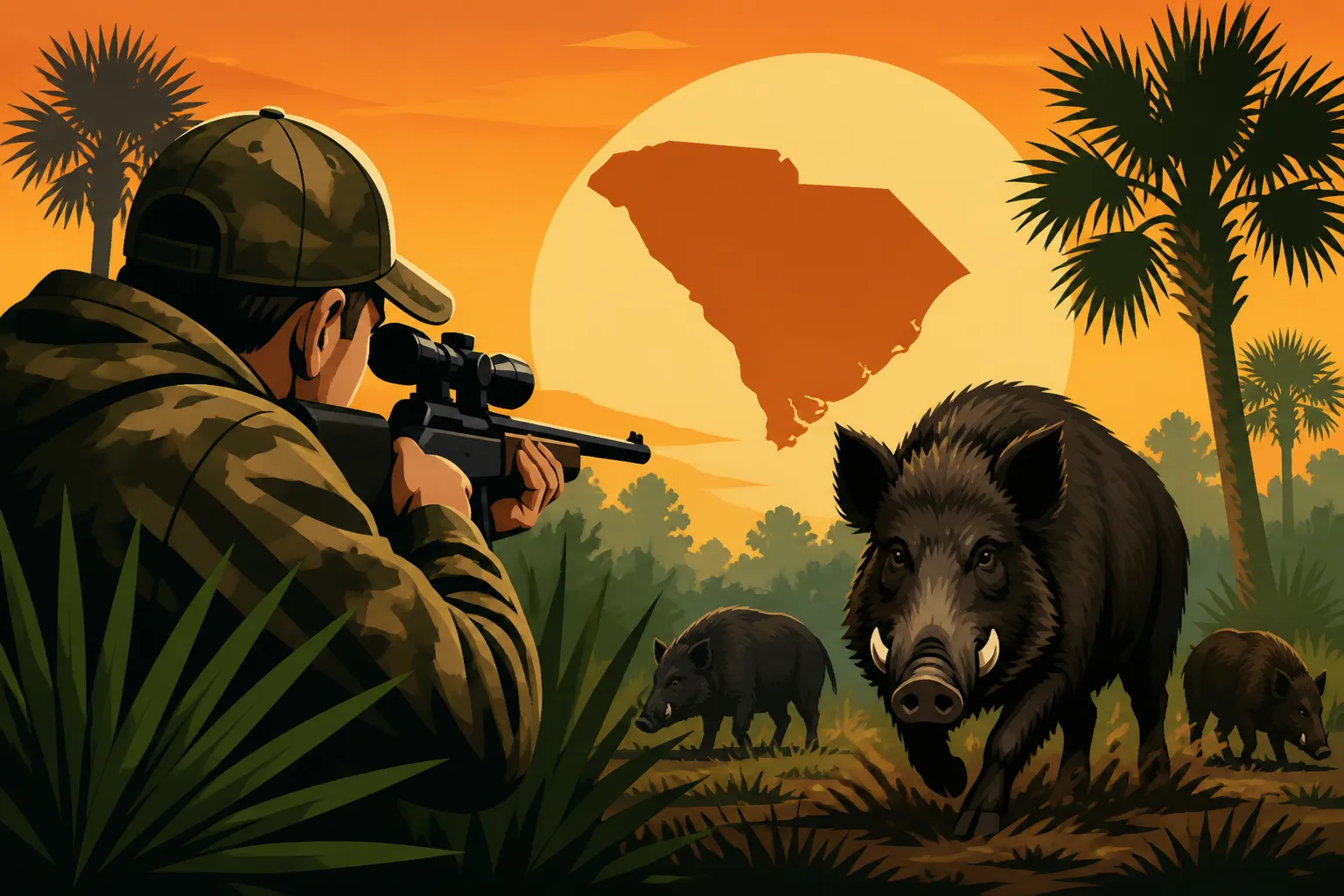
Feral hogs are more than just a nuisance; they're an ecological and agricultural disaster across South Carolina, causing millions of dollars in damage annually and posing a serious threat to native wildlife. If you're a hunter looking to contribute to conservation while also enjoying a challenging and rewarding pursuit, tackling these intelligent, prolific invaders is a fantastic way to do it. This comprehensive guide will walk you through everything you need to know about hunting South Carolina's year-round feral hogs, from understanding their behavior to choosing the right gear and employing effective strategies.
Understanding the Feral Hog Problem in South Carolina
Before we dive into the nitty-gritty of hunting them, it’s crucial to understand just what an uphill battle we're facing with feral hogs. These aren't just animals in the woods; they're an invasive species with a destructive footprint that impacts our cherished natural landscapes and the livelihoods of our farmers.
The Devastating Impact of Wild Hogs
When you talk about feral hogs, you're really talking about a force of nature, but not in a good way. Their impact on South Carolina's ecosystems and agricultural lands is truly devastating. They root up fields, looking for tubers, roots, and invertebrates, leaving behind churned-up soil that looks like it's been rototilled. This doesn't just annoy farmers; it directly destroys crops like corn, soybeans, and peanuts, costing producers significant revenue. Beyond direct crop damage, their rooting disturbs delicate wetland ecosystems, especially in sensitive areas of the Lowcountry, impacting native plant species and water quality.
But it's not just plants and soil. Feral hogs are opportunistic omnivores, meaning they'll eat just about anything. This includes the nests and young of ground-nesting birds like wild turkeys and bobwhite quail. Imagine a turkey hen patiently sitting on a clutch of eggs, only for a sounder of hogs to come through and decimate the nest in minutes. Their predation on fawns and small mammals also directly competes with and reduces populations of native game species, putting extra pressure on deer herds already dealing with other predators. On top of all this, hogs are carriers of numerous diseases, like brucellosis and pseudorabies, which can be transmitted to livestock, pets, and even humans, making them a significant public health and agricultural concern. The struggle to contain them is constant, which is why your efforts as a hunter are so vital.
Why Feral Hogs Thrive in the Palmetto State
South Carolina, with its mild climate and abundant resources, is practically a paradise for feral hogs, which is exactly why they've spread so rapidly. Unlike many northern states, we don't have harsh winters that naturally keep populations in check. Our long growing seasons mean there's almost always a reliable food source, whether it's acorns from the vast stands of oaks in the Sumter National Forest, wild berries, or the bounty of agricultural fields. Combine this with readily available water sources in our numerous swamps, rivers, and creeks, and you have ideal hog habitat.
Their reproductive capacity is truly astounding. A sow can start breeding as young as six months old and can have two, sometimes even three, litters of piglets per year. Each litter can range from four to twelve piglets. Do the math, and you'll quickly see how a small sounder can explode into a massive problem in just a few years. There are very few natural predators that can consistently take down adult feral hogs. While coyotes and bobcats might occasionally take a small piglet, they are no match for a mature sow or boar. This lack of significant predation, coupled with their intelligence and adaptability, allows them to reproduce unchecked and continuously expand their range, making them incredibly difficult to eradicate once established.
South Carolina's Year-Round Hog Rule on Private Land
One of the few advantages hunters have in the fight against feral hogs is the flexible regulations surrounding them, especially on private land. Recognizing the severe damage these animals inflict, the South Carolina Department of Natural Resources (SCDNR) has classified feral hogs as a non-game species, allowing them to be hunted year-round, day or night, with no bag limits on private land. This is a game-changer for landowners and hunters because it means you don't have to wait for a specific season or worry about tags. The objective is continuous removal, plain and simple.
This flexible approach allows for constant pressure, which is absolutely necessary given their incredible reproductive rate. For hunters, it means you can pursue hogs even when deer or turkey seasons are closed, providing extra opportunities to get out in the woods. Landowners can implement comprehensive control programs, using a combination of hunting and trapping strategies without regulatory hurdles. However, it's crucial to remember that this year-round rule primarily applies to private land. If you plan on hunting hogs on public land, such as Wildlife Management Areas (WMAs) or National Forests, you generally must abide by the rules of the concurrent game season (e.g., archery season rules if hunting during archery season). Always double-check the specific regulations for the public land you intend to hunt, as they can vary greatly.
Essential Gear for South Carolina Hog Hunting
Hunting feral hogs often means adapting to diverse conditions, from thick swamp bottoms to open agricultural fields, and frequently under the cover of darkness. Having the right gear isn't just about comfort; it's about effectiveness and safety.
Firearms and Ammunition Choices
When it comes to putting down a tough, tenacious hog, you'll want a firearm that's reliable and delivers enough punch. For rifle hunters, the choices are varied. Many deer cartridges like the .223/5.56, .308 Winchester, and 6.5 Creedmoor are perfectly suitable. The key is shot placement and using a quality bullet designed for adequate penetration. For smaller hogs, a .223 with a good soft point or bonded bullet can be effective, especially if you're targeting head or neck shots. However, for larger boars, or if you anticipate body shots through tough hide and gristle, moving up to a .308 or a 6.5 Creedmoor offers more energy and knockdown power. These calibers also provide a flatter trajectory for longer shots you might encounter when Hunting a Standing Cornfield in Farm Country or along a powerline cut.
Shotguns loaded with slugs are another excellent option, particularly in the dense cover of South Carolina's lowcountry swamps where shots are often close and fast. A 12-gauge or 20-gauge shotgun with sabot slugs or rifled slugs can be devastatingly effective. Just be sure to pattern your shotgun with your chosen slugs to understand its accuracy limits. For archers, the challenge and reward are immense. A compound bow or crossbow with a draw weight suitable for deer hunting will also work for hogs. However, broadhead selection is critical. Choose a sturdy, fixed-blade broadhead designed for deep penetration, as hog hide and bone can be incredibly tough. Mechanical broadheads can work, but some hunters prefer fixed blades for their reliability against dense cartilage and bone. Regardless of your weapon, practice makes perfect. Know your limitations and always prioritize a clean, ethical shot.
Optics and Illumination for Low-Light Conditions
Hunting hogs, especially at night, demands specialized optics and reliable illumination. Traditional rifle scopes work fine during daylight, but when the sun dips below the horizon, you'll need more. This is where thermal imaging and night vision optics truly shine. Thermal scopes, like those offered by Pulsar or ATN, detect heat signatures, allowing you to spot hogs even in complete darkness, through light fog, or dense brush that would render traditional optics useless. They're an incredible advantage for identifying hogs from other animals and for confirming a clean shot. While an investment, a quality thermal scope can drastically increase your success rate and minimize tracking wounded animals.
Night vision devices, on the other hand, amplify existing ambient light. While not as effective at spotting through heavy cover as thermal, they provide a more "natural" view of the environment and can be less fatiguing on the eyes over long periods. Many hunters combine a handheld thermal monocular for scanning with a rifle-mounted night vision or digital night vision scope for shooting. For supplementary illumination, red or green LED lights mounted to your firearm can be invaluable. Hogs are generally less spooked by these colors than by white light, allowing you to illuminate your target for positive identification and shot placement. Remember to check local regulations carefully regarding the use of artificial lights for hunting, especially on public land. Often, these methods are primarily for private land pursuits, where you have more flexibility for activities like Night Hunting Hogs With Lights on Private Land. A good rangefinder is also essential, even at night, to accurately gauge distances and make precise shots, especially when using thermal or night vision where depth perception can be altered.
Trapping Equipment for Sustained Control
While hunting is exciting and effective for individual hogs, if you're serious about reducing a large population or protecting a specific area, trapping South Carolina feral hogs is often the most efficient method for sustained control. Hogs are social animals, often moving in groups called sounders, and a well-placed trap can capture multiple animals at once. The most effective traps are large corral-style traps, typically constructed from sturdy livestock panels formed into a circle or square, with a robust gate mechanism. These traps should be large enough to hold an entire sounder without allowing them to break out.
Popular gate types include rooter gates (which hogs push open to enter, but cannot push back out), drop gates (triggered remotely or by a tripwire), and saloon-style swing gates. Look for models from companies like Jager Pro or Hog Slammer for robust designs. Many modern traps incorporate cellular trigger systems, allowing you to monitor the trap remotely via your phone. This means you can get real-time alerts when hogs enter the trap, allowing you to wait until the entire sounder is inside before dropping the gate, maximizing your harvest. Baiting is paramount for trapping success, and we'll delve deeper into that in a later section. But remember, a good trap is sturdy, secure, and strategically placed to intercept hog travel routes, ideally identified with tools like the GoHunt app for mapping historical movement or Reading a South Carolina Mud for Fresh Deer Movement near water sources.
Top Tactics for Hunting Feral Hogs
Hunting hogs requires a blend of stealth, patience, and sometimes, outright aggression. They're smart, they're wary, and they learn quickly. Successfully targeting them means employing a range of tactics tailored to the environment and their behavior.
Still-Hunting and Stalking Approaches
Still-hunting and stalking are classic hunting methods that can be incredibly effective for feral hogs, especially in areas where baiting isn't allowed or practical. This tactic relies on your ability to move slowly and silently through the woods, actively looking for fresh sign and hogs themselves. It's about being observant: watching for fresh rooting, tracks, wallows, and rubs on trees. Hogs often leave a distinct, pungent odor, so follow your nose, especially on humid days. You'll want to move into the wind, or at least across it, to prevent your scent from reaching their keen noses. In thick cover, this means taking one or two steps, then pausing for several minutes to scan, listen, and simply be in the woods. Pay close attention to changes in terrain, dense thickets where they might bed, or areas near water.
Stalking takes this a step further. Once you've spotted hogs or identified an area they're using, it's about closing the distance for a shot without being detected. This requires using all available cover, moving slowly, and paying extreme attention to the wind. In the dense pine plantations and bottomland hardwoods common in South Carolina, this can be incredibly challenging. Every rustle of leaves or snap of a twig can give you away. Often, the best approach is to identify where they're headed, get ahead of them, and set up an ambush. This method demands patience and a keen understanding of hog behavior, but the reward of outsmarting a wary sounder is truly satisfying. It's a great way to explore public land like the Francis Marion National Forest, where you might also be Still-Hunting Sumter Forest Ridges for deer during other seasons.
Stand Hunting Over Bait or Water Sources
For hunters seeking a more predictable encounter, stand hunting over bait or near reliable water sources is a popular and highly effective tactic. Feral hogs are creatures of habit, and if they find a consistent, easy food source or a dependable water hole, they will return to it. Setting up a feeder with shelled corn is a common practice on private land. The key is consistency; keep the feeder supplied regularly to train the hogs to visit that spot. You can sweeten the deal by fermenting the corn or mixing in commercial hog attractants. Once you've established a pattern, set up a treestand or a sturdy ground blind downwind of the feeder.
Water sources, especially during dry spells or in the warmer months, are also magnets for hogs. Look for wallows or heavily trafficked trails leading to creeks, ponds, or swamp edges. A strategically placed stand overlooking one of these areas can be incredibly productive. For stand hunting, timing is often key. Hogs are most active during the cooler parts of the day, particularly dawn, dusk, and throughout the night. If you're using bait, position trail cameras, like those you'd use for Where to Hang a Camera on a Logging Road for deer, to monitor hog activity patterns. This will tell you exactly when they're visiting and help you decide the best time to be on stand. Since you can hunt hogs at night on private land, this method pairs perfectly with thermal or night vision optics, maximizing your opportunities.
Running Dogs on South Carolina Feral Hogs
Running dogs on South Carolina feral hogs is a deeply ingrained tradition and one of the most exciting, action-packed methods for pursuing these animals. It's not for the faint of heart, but it can be incredibly effective at locating and baying (holding at bay) or catching hogs in even the thickest cover where other methods struggle. This method typically involves two types of dogs: bay dogs and catch dogs. Bay dogs, often hounds like Catahoulas, curs, or mixes, are trained to track the scent of a hog, pursue it, and then bark intensely (bay) to hold the hog in place until hunters arrive. Their job is to keep the hog focused on them, giving the hunter a chance to approach safely.
Catch dogs, usually American Bulldogs, Pit Bulls, or similar strong breeds, are brought in to physically engage and hold the hog, often by the ear, allowing handlers to secure the animal. It's a method that requires well-trained dogs, experienced handlers, and a strong emphasis on dog safety, including protective vests and GPS collars. Dog handlers typically follow the chase using GPS tracking units (like Garmin Alpha or GoHunt's mapping features, which show dog locations) to pinpoint the dogs and hog. This method is particularly useful for locating hogs that have "holed up" in dense swamps or thickets, areas nearly impossible to penetrate otherwise. It's a fast-paced, high-adrenaline hunt that requires teamwork and a deep understanding of dog behavior and hog instincts. If you're interested in this method, connecting with experienced local hog doggers is the best way to learn the ropes and ensure responsible participation.
Night Hunting with Lights on Private Land
Night hunting for feral hogs on private land is not only permitted but actively encouraged by the SCDNR due to the immense damage these animals cause. It's a highly effective way to target their nocturnal feeding patterns and can offer some truly exhilarating hunting experiences.
Legalities and Regulations for Night Hunting
While South Carolina offers significant flexibility for hog hunting, it's absolutely critical to understand the specific legalities, especially regarding night hunting. On private land, you generally have the green light: year-round, 24/7, with no bag limits, using artificial lights. This includes spotlights, weapon-mounted lights (red, green, or white), thermal scopes, and night vision devices. However, this freedom comes with a big asterisk: it applies almost exclusively to private land. Hunting at night with lights on public land, such as Wildlife Management Areas (WMAs) or National Forests, is almost universally prohibited. Always verify the specific regulations for the property you're on.
Safety is paramount, especially when hunting at night. It's much harder to identify your target and what's beyond it in the dark. Always use extreme caution. Ensure you have a clear backstop for your shots, and never shoot at sounds or shadows. Positive identification of your target is non-negotiable. It's a good practice to have at least two hunters, communicating clearly, and using reliable two-way radios. Also, be mindful of surrounding properties. While you might be legally hunting on your land, discharging a firearm near a neighbor's house at 2 AM could lead to issues. Familiarize yourself with South Carolina Firearms Discharge Setback Rules to ensure you're always operating within legal boundaries and good neighborly conduct.
Setting Up for Successful Night Hunts
Successful night hunting isn't just about showing up after dark with a fancy thermal scope; it requires careful preparation and a strategic setup. The most effective strategy often revolves around baiting. Establish a consistent bait site with shelled corn, soured grain, or commercial attractants in an area away from sensitive properties and with a good backdrop. Use trail cameras with night vision capabilities to monitor when hogs are visiting. This intel is gold; it tells you exactly when to be on stand.
Your stand location is crucial. You'll want to be elevated in a sturdy treestand or concealed in a ground blind that offers a clear, unobstructed view of the bait site. Always consider wind direction; even at night, hogs have an incredible sense of smell. Set up downwind. Many hunters prefer a comfortable chair in a ground blind, especially for longer night sits. Once you're set, minimize light and noise. Use a dim headlamp with a red filter for moving in and out, and keep all gear organized. If using a weapon-mounted light, practice using it beforehand so you can smoothly activate it, identify the target, and take a shot. Remember, the goal is to be invisible and silent until the hogs arrive, which they often do just after dark or in the dead of night.
Ethical Considerations and Shot Placement at Night
Night hunting demands an even higher level of ethical responsibility. The reduced visibility means there's less room for error. First and foremost, positive identification of your target is crucial. With thermal and night vision, you can detect heat and shapes, but you need to be certain it's a hog and not another animal or, even worse, a human. Wait for a clear, broadside shot. While headshots are often fatal, they can be difficult to execute precisely at night, especially on a moving target. Many hunters prefer a shot to the vitals (heart and lungs) when the hog is standing still. Aiming for the shoulder will often anchor them quickly.
Avoid rushed shots. It's far better to let a hog walk away than to wound it and have to track it through dense, dark cover. If you do wound a hog, immediately mark the spot of the shot and the hog's last known direction. Tracking a blood trail at night can be incredibly difficult, even with good lighting. If possible, wait until first light to begin a thorough track, bringing ample lighting and assistance. Remember, the goal is not just to kill hogs, but to do so humanely and efficiently. Understanding Shot Placement on a South Carolina Black Bear might give you some transferable knowledge regarding large, tough-skinned animals, but hogs have their own anatomical quirks.
Trapping South Carolina Feral Hogs for Long-Term Control
Hunting individual hogs is satisfying, but if you're serious about making a dent in a property's hog population, trapping is the most effective and efficient long-term solution. It's often referred to as the "set it and forget it" method, but successful trapping actually requires a fair bit of strategy and commitment.
Choosing the Right Trap System
The market offers a variety of hog trap systems, but for truly effective population control, you'll want to invest in a large, sturdy trap capable of holding an entire sounder. Small box traps might catch a piglet or two, but they won't make a significant impact on an intelligent, breeding sounder. Corral traps are king in this regard. These are typically large enclosures, often circular or square, made from heavy-duty livestock panels (usually 16-foot long panels, 4-6 feet high, made of hog wire or cattle panels). They should be large enough, often 10-20 feet in diameter, to allow multiple hogs to enter comfortably without feeling confined.
The gate mechanism is crucial. Popular choices include:
- Rooter Gates: Hogs push these open to enter, but the one-way design prevents them from exiting. They're simple and effective once hogs are conditioned.
- Drop Gates: These fall from above, sealing the entrance. They can be triggered by a tripwire or, more commonly, by a remote cellular device.
- Saloon Gates: These swing inwards and are designed to prevent outward movement.
Brands like Jager Pro offer complete systems with cellular monitoring, which alerts you when hogs are inside, allowing you to trigger the gate remotely. This is particularly useful for waiting until the entire sounder is committed to the trap before springing it, maximizing your capture. Look for traps with robust construction, secure latches, and smooth-operating gates that won't spook wary hogs.
Effective Baiting and Pre-Baiting Strategies
Successful trapping starts long before the trap is even set, with an intensive pre-baiting strategy. Hogs are smart, and they're wary of new things in their environment. The goal of pre-baiting is to make them completely comfortable entering and feeding within the trap's footprint before the gate is ever set. Start by simply placing bait in the area where you intend to set the trap. Once hogs are regularly hitting that bait, place the trap panels, but leave the gate wide open. Scatter bait inside and outside the trap, leading them in.
The best bait is typically shelled corn, often fermented or "soured." You can achieve this by soaking corn in water for several days, allowing it to ferment. The strong, sweet-sour smell is irresistible to hogs. Some hunters add Kool-Aid mix (cherry is a favorite), jello powder, or even commercial hog attractants to the mix. Consistency is key during the pre-baiting phase. Replenish the bait regularly, ideally daily or every other day, until you see consistent feeding patterns from an entire sounder. Use trail cameras to confirm that the hogs are freely entering and exiting the trap. Once you're certain they're conditioned and comfortable, that's when you set the gate. This patience often pays off with a much larger initial capture.
Trap Placement and Monitoring
Where you place your trap is almost as important as the trap itself. You want to set it up in an area that hogs are already regularly using. Good locations include:
- Travel Corridors: Along established game trails, especially those leading between bedding areas and food sources.
- Water Sources: Near creeks, ponds, or wallows, particularly during dry periods.
- Field Edges: Where hogs enter and exit agricultural fields, causing crop damage.
- Thickets and Swamps: Areas of dense cover where hogs feel secure and often bed.
When choosing a spot, also consider access for yourself. You'll need to be able to get in and out to replenish bait and deal with captured hogs. Once the trap is set and pre-baited, monitoring becomes crucial. This is where modern technology, like cellular trail cameras and cellular trap triggers, really shines. A cellular camera inside the trap or pointed at the entrance can send you real-time photos or videos of activity, allowing you to gauge hog numbers and behavior. Products like the GoHunt app may also integrate with mapping features that could help you identify potential trap locations or historical hog movement patterns on your property, making your efforts even more targeted. This allows you to spring a drop gate remotely only when an entire sounder is inside, preventing single captures that might make remaining hogs wary. Consistent monitoring and strategic placement will significantly increase your trapping success.
Where to Find Hogs and Understanding Their Behavior
To effectively hunt or trap feral hogs, you first need to think like a hog. Understanding their preferred habitats, reading their sign, and predicting their movements are fundamental skills for consistent success.
Prime Habitats and Hotspots Across South Carolina
South Carolina offers a diverse landscape, and feral hogs have adapted to thrive in nearly all of it. However, some areas are definitely hotter than others. You'll typically find the highest concentrations of hogs in areas that provide a trifecta of food, water, and cover.
- River Bottoms and Swamps: These are classic hog strongholds, particularly in the Lowcountry and along major river systems like the Santee, Edisto, and Pee Dee. The dense cover provides security, the water is essential for drinking and wallowing, and the rich soil offers abundant rooting opportunities for tubers and invertebrates. Areas like the ACE Basin are notorious for hog activity, where they often overlap with deer and waterfowl habitat.
- Agricultural Fields: If you're near cornfields, peanut fields, soybean fields, or even newly planted winter food plots, you can bet hogs will be visiting. They relish these readily available, high-energy food sources, often entering fields at night to feed. Look for their characteristic rooting damage along field edges, especially where thick woods meet open ground.
- Thickets and Pine Plantations: Dense stands of young pines, overgrown clear-cuts, and thick briar patches provide ideal bedding cover for hogs, offering protection from heat, cold, and perceived threats. They'll often bed down in these areas during the day and venture out at night to feed.
When scouting, look for these combinations. A river bottom adjacent to a cornfield, or a dense pine thicket bordering a swamp, is almost guaranteed to hold hogs. Use tools like the GoHunt app's satellite imagery to identify these prime habitat convergences on your property or permissible public lands. Understanding Where Francis Marion Bucks Bed might offer similar insights into thick cover use that also applies to hogs.
Reading Hog Sign and Trail Camera Use
Hogs are not subtle. They leave a wealth of sign that can tell you a lot about their presence and activity. Learning to read these clues is paramount for successful hunting and trapping.
- Rooting: This is the most obvious sign. Hogs use their powerful snouts to turn over soil, searching for food. Fresh rooting looks like a plowed field, and the fresher it is, the more recently hogs were there.
- Tracks: Hog tracks are distinct, often wider than deer tracks, with more splayed toes and visible dewclaws, especially in mud. The size of the track can give you an idea of the size of the hog.
- Wallows: Hogs love to roll in mud to cool off and rid themselves of parasites. Look for muddy depressions, often near water sources, with fresh mud on surrounding trees where they've rubbed.
- Rubs: Hogs will rub against trees, fence posts, or anything sturdy to scratch themselves and remove mud. Look for mud and hair rubbed off at hog height.
- Scat: Hog droppings vary widely depending on their diet but are typically cylindrical and segmented.
- Trails: Hogs create distinct trails through dense cover, often matted down and muddy, especially if a sounder is regularly using them.
Trail cameras are your best friends in pinpointing hog activity. Set them up on fresh sign, near bait sites, or along well-used trails. They'll tell you not only that hogs are present but when they are active, how many there are, and their general direction of travel. This information is invaluable for planning your hunts and trap placements. Pay close attention to time stamps; if hogs are mostly nocturnal, you'll know to plan for night hunts.
Seasonal Hog Movement and Feeding Patterns
Like most wildlife, feral hog behavior is heavily influenced by seasons, primarily driven by food availability and weather.
- Spring/Summer: As temperatures rise, hogs become more nocturnal. They'll seek out water sources frequently for wallowing and drinking. Food sources include tender new shoots, berries, and early developing crops. You'll often find them concentrated around irrigated fields or areas with consistent moisture.
- Fall: This is a crucial time for hogs, as acorns and other hard mast begin to drop. Oak stands, especially white oaks, become prime feeding grounds. Hogs will often abandon agricultural fields for a time to gorge on acorns, which are a high-energy food source vital for them to build fat reserves. Hunting After a Poor Acorn Year for deer might mean a different strategy, but hogs will still be opportunistic.
- Winter: With deciduous trees bare and many crops harvested, hogs will focus on remaining mast, root crops left in fields, or continue to hit feeders if baiting is allowed. They may become more diurnal during colder periods, needing to feed more frequently to maintain body heat. Dense thermal cover becomes more important for bedding during cold snaps.
Understanding these seasonal shifts allows you to adjust your tactics. During acorn season, focus your efforts around mature oak stands. In summer, concentrate on water sources and shaded thickets. Keeping an eye on weather patterns, like a cold front, can also tell you when hogs might be moving more during daylight hours, similar to how a deer hunter might adjust their Hunting Deer After a Cold Front strategy.
Processing Your Harvest and Managing Hog Population
Taking down a feral hog is just the first step. Proper meat care is essential, and understanding that each hog removed is a win in the larger battle for conservation is key to a sustainable hunting approach.
Field Dressing and Meat Care in Warm Climates
South Carolina's often warm and humid climate presents unique challenges for field dressing and meat care, especially if you're hunting during the summer months. Hogs, particularly larger boars, have thick hides and dense fat layers that can hold heat, causing meat to spoil quickly if not handled properly. The absolute first priority after a harvest is to field dress the animal immediately. Remove the entrails to allow the carcass to cool from the inside out. Be careful, as internal organs can carry diseases like brucellosis, so wear gloves and avoid contact with your bare skin.
After gutting, if you're not planning to take the whole hog to a processor, quartering the animal in the field can further aid cooling. Get the hide off as quickly as possible, as it acts as insulation. Pack large ziploc bags of ice into the body cavity and over the meat if you're far from a cooler or processor. For longer hauls or overnight trips, a cooler full of ice is non-negotiable. Submerge the quarters in an ice bath if possible to rapidly bring down the core temperature. You'll need large coolers for this, and plenty of ice. Remember, warm weather is the enemy of wild game meat, so efficiency and cleanliness are key. This is similar to the challenges faced when Field Dressing a Deer in Warm Weather.
Butchering and Preparing Feral Hog Meat
Feral hog meat is incredibly versatile and can be absolutely delicious when handled correctly. The flavor and tenderness can vary greatly depending on the hog's age, sex, and diet. Younger hogs, especially sows, tend to have milder, more tender meat. Older boars, particularly during the rut, can have a strong, musky odor and tougher meat, sometimes requiring more aggressive trimming and brining. For most hogs, you'll find cuts similar to domestic pork: loins, shoulders (excellent for pulled pork), hams, and ribs.
When butchering, trim away as much fat as possible, especially from older boars, as this is where much of the gamey flavor can reside. Use sharp knives and ensure a clean workspace. Ground hog meat is fantastic for sausages, chili, or taco meat. Shoulders are perfect for slow-cooking methods like smoking or braising. Loins and tenderloins can be pan-fried or grilled. Always cook feral hog meat thoroughly to an internal temperature of at least 160°F (71°C) to kill any potential parasites like Trichinella, just as you would with domestic pork. It's a great opportunity to experiment with marinades, rubs, and slow-cooker recipes to find your favorite ways to enjoy this lean, wild protein.
The Importance of Sustained Pressure
It's easy to get excited after a successful hog hunt or a productive trapping session, but it's crucial to understand that removing a few hogs, or even a dozen, is often just a drop in the bucket. Given their incredible reproductive rate and adaptability, sustained pressure is the only way to make a meaningful impact on a local hog population. One-off hunts, no matter how successful, rarely prevent the population from rebounding quickly. This is why the year-round hunting regulations and the encouragement of trapping are so important.
Effective management requires a multi-pronged, continuous approach:
- Combine Methods: Use a combination of hunting (still-hunting, stand hunting, dog hunting) and trapping. Each method has its strengths and weaknesses, and together they create a more comprehensive strategy.
- Hunt/Trap Consistently: Don't just hunt hogs when deer season is open. Take advantage of the year-round opportunity on private land to keep pressure on them every month.
- Cooperate with Neighbors: If you own land adjacent to other landowners, coordinate your efforts. Hogs don't respect property lines, and a unified front across larger areas will be far more effective.
- Educate Others: Spread awareness about the hog problem and encourage more hunters to get involved.
By viewing hog control as an ongoing commitment rather than a one-time event, hunters can play a vital role in protecting South Carolina's natural resources and agricultural interests. Every hog removed is a small victory for the environment.
Comparison of Hog Hunting Methods
To help you decide which approach might be best for your situation, here's a quick comparison of the most popular methods for hunting feral hogs in South Carolina:
| Method | Best For | Pros | Cons |
|---|---|---|---|
| Still-Hunting/Stalking | Individual hogs, smaller groups, challenging hunts | Highly engaging, rewarding, good for pressured hogs | Low success rate for large sounders, requires stealth and patience |
| Stand Hunting (Bait/Water) | Consistent harvest, larger sounders | Predictable, can harvest multiple hogs, effective day or night | Requires baiting, hogs can become wary of pressure, less "active" hunting |
| Running Dogs | Thick cover, large sounders | Very effective at locating and holding hogs, exciting, fast-paced | Requires specialized dogs/gear, high risk to dogs, not for everyone |
| Night Hunting (Lights) | Nocturnal hogs, private land | Capitalizes on peak activity, high success with proper gear | Requires specific gear (thermal/NV), safety concerns, private land only |
| Trapping | Population reduction, large sounders | Most effective for large numbers, can catch entire sounders | Significant initial investment, requires consistent monitoring/re-baiting |
Disclaimer
Hunting and trapping involve inherent risks. Always prioritize safety, adhere to all local, state, and federal regulations, and obtain proper licenses and permits before engaging in any hunting activities. The information provided here is for educational purposes and should not be considered a substitute for official game laws or professional advice. When handling wild game, always practice proper hygiene to prevent the spread of disease.