Best South Carolina Ground for Public Land Waterfowl
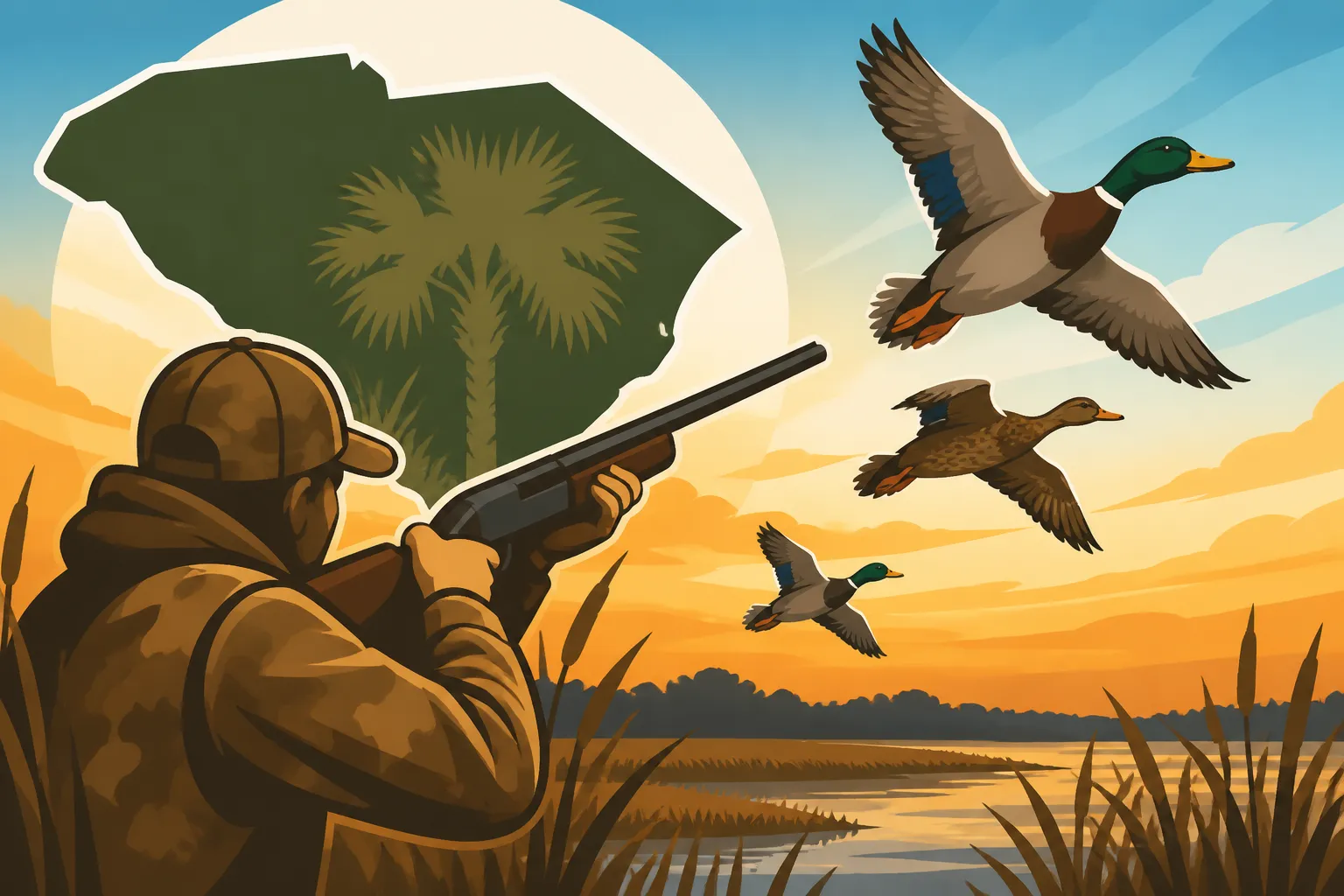
Finding productive public land waterfowl hunting spots in South Carolina can feel like chasing a ghost sometimes, especially with increasing pressure and specific regulations. It’s a rewarding challenge, though, and this guide will walk you through the prime areas, essential strategies, and critical preparations you need to put ducks and geese on the strap on public ground across the Palmetto State.
The Unique Challenges and Rewards of Public Land Waterfowl in South Carolina
Hunting waterfowl on public land in South Carolina isn't like stepping into a private, manicured impoundment where birds are practically waiting for you. It's often about working harder, scouting smarter, and embracing the unpredictable nature of wild ducks and geese. The rewards, however, are immense – the satisfaction of outsmarting wary birds on their own turf, the camaraderie with fellow public land warriors, and the beauty of a South Carolina sunrise over a marsh or river. But let's be real, it can be frustrating when you spend hours driving, walking, and setting up, only to see the birds skirt another area.
Navigating South Carolina's Waterfowl Zones and Regulations
Before you even think about setting decoys, you absolutely have to wrap your head around South Carolina's specific waterfowl zones and their regulations. We’re talking about distinct North and South Duck Zones, each with its own nuances in season dates and bag limits for various species. Missing a small detail here can lead to a hefty fine or, worse, losing your hunting privileges. It's not just about knowing when the season opens, but understanding the subtle shifts in species-specific limits, especially for popular birds like mallards, wood ducks, and pintails. This constant need to verify information can be a pain, but it's non-negotiable.
Beyond the statewide zones, many public areas, particularly Wildlife Management Areas (WMAs) and national wildlife refuges, often have even more specific rules. These can include restrictions on shooting hours, methods of take, specific non-toxic shot requirements (which are pretty much standard for waterfowl anyway these days), and sometimes even limitations on dog use. It’s imperative to check the most current regulations for the specific piece of public land you plan to hunt, as these can change year to year. Ignoring these hyper-local rules isn't just risky; it shows a lack of respect for the resource and other hunters. You can usually find these details on the South Carolina Department of Natural Resources (SCDNR) website or by checking their annual hunting guide. Always cross-reference.
Then there's the federal overlay. Remember, waterfowl hunting falls under the Migratory Bird Treaty Act, so you also need your federal duck stamp and HIP certification on top of your state licenses and permits. It's a layer cake of rules, but each layer is there for a reason – to conserve these incredible birds for future generations. Don't let the complexity deter you; just be diligent. Understanding South Carolina Waterfowl Zones and Seasons is the very first step in planning any hunt.
Understanding Different Public Land Types and Access
South Carolina offers a diverse array of public lands where you can pursue waterfowl, each with its own character and access challenges. It's not a one-size-fits-all situation, and understanding these differences will dramatically impact your success. You've got national forests, state-owned Wildlife Management Areas (WMAs), and even some national wildlife refuges that permit hunting. Each type of land comes with its own set of rules, habitat, and typical hunting pressure.
For example, the coastal plain is home to extensive tidal marshes and managed impoundments. These areas, like those found within the ACE Basin, often require specialized gear such as marsh boats, layout blinds, or even just good old chest waders. Access might involve navigating tidal creeks or long walks through sticky mud. In contrast, the inland rivers and swamps in regions like the Midlands or Pee Dee offer different opportunities, often focused on wood ducks in flooded timber or along river bends. Here, a canoe or kayak can be your best friend, allowing you to quietly slip into otherwise inaccessible areas. Hunting Coastal Marsh Waterfowl can be a truly unique experience, but it demands specific preparation.
The key frustration for many hunters is finding these access points. Logging roads, small river landings, or obscure public easements might be your only way in. This is where tools like onX Hunt become invaluable. You can overlay public land boundaries with satellite imagery and topo maps to identify potential entry points, parking spots, and navigable waterways. It helps you visualize the terrain and plan your approach before you ever set foot in the field, saving you hours of wasted effort. Without diligent scouting, both digitally and on foot, you’re just guessing.
Prime Public Waterfowl Hunting Areas
South Carolina’s public lands offer a fantastic variety of waterfowl hunting experiences, from the salty tang of coastal marshes to the quiet solitude of inland beaver swamps. Knowing where to focus your efforts based on the type of hunting you prefer, and the species you're after, is crucial.
Coastal Impoundments and Tidal Marshes
The Lowcountry coast of South Carolina is legendary for its waterfowl hunting, especially in the vast tidal marshes and managed impoundments. These areas attract a wide array of ducks, including pintails, green-winged teal, wigeon, and gadwall, alongside resident mottled ducks and abundant wood ducks. The sheer scale of these environments can be overwhelming, but also incredibly rewarding. Spots within the Hunting the ACE Basin for Waterfowl are prime examples of this habitat, offering incredible bird numbers but often demanding specific permits or draw opportunities.
Hunting these coastal areas often means contending with tides, currents, and expansive mudflats. You might need a john boat or a canoe to get to your desired spot, or be prepared for a long, muddy hike. Decoy spreads here can range from massive spreads of diver decoys in open water to small, subtle setups of puddlers along grassy edges. Consider using motion decoys like spinning wing decoys to attract attention from afar. The challenge here is the vastness and the dynamic environment; what looks good at low tide might be completely submerged at high tide, and vice versa. It’s a constant chess match with Mother Nature.
One of the big draws of these areas is the potential for variety in your bag. You could shoot a mix of teal, gadwall, wigeon, and pintails, alongside the ever-present wood ducks. However, pressure can be high, especially on easily accessible spots. That’s why really digging deep into maps, even using the GoHunt application to find less obvious entry points or remote pockets of marsh, can make all the difference. Sometimes, the willingness to paddle an extra mile or two is what separates a limit from an empty strap.
Inland Rivers, Swamps, and Reservoirs
Moving away from the coast, South Carolina's inland rivers, cypress swamps, and larger reservoirs offer different, but equally exciting, waterfowl opportunities. These areas are often prime real estate for wood ducks, which absolutely thrive in the flooded timber and backwater sloughs. Species like mallards, black ducks, and occasional divers might also be found, particularly on larger rivers and reservoirs. Think about places like the Santee River, the Congaree River, or even some of the expansive public waters around Lake Marion and Lake Moultrie.
Hunting these interior spots often means a more intimate, quieter experience. A canoe, kayak, or small, shallow-draft boat is often essential for navigating tight channels and flooded timber. Setting up in a beaver swamp, for instance, might involve a stealthy paddle in the pre-dawn darkness, then tying off to a tree and setting a small spread of wood duck and mallard decoys in a tight opening. Calling is often more effective here, as the birds are often moving through tighter corridors. Hunting Lowcountry Swamp Deer might not be about waterfowl, but the terrain knowledge is transferable!
Pressure can still be a factor, especially on popular boat launches or well-known stretches of river. However, the sheer density of cover can help spread hunters out. Scouting here is paramount – looking for fresh wood duck droppings on logs, identifying natural openings in the canopy, and understanding the flow of water are all critical. A good pair of chest waders and a headlamp are indispensable for these hunts. Be aware of private land boundaries adjacent to public waterways; these rivers often wind through both. Always check your onX Layers for South Carolina Land Status to avoid any headaches.
Wildlife Management Area (WMA) Draw Hunts and Quotas
Many of South Carolina's most productive public waterfowl hunting areas fall under the Wildlife Management Area (WMA) system, and a significant portion of these operate on a draw or quota hunt basis. This means you can't just show up and hunt; you have to apply for a permit, often months in advance, and hope your name gets drawn. While this can be frustrating for those who prefer spontaneity, it's also what helps manage pressure and provides incredible quality hunts. WMAs like Bear Island, Donnelley, or portions of the Santee Coastal Reserve are renowned for their waterfowl and are managed this way.
The application process usually involves specific deadlines, online submissions through the Go Outdoors SC portal, and a bit of luck. It's often worth the effort because these areas are typically well-managed, boast excellent habitat, and hold large numbers of birds. If you're lucky enough to draw a permit, make sure you understand all the specific rules for that WMA. They might have designated hunt zones, specific bag limits, or even unique check-in/check-out procedures. You can look into the South Carolina Managed Waterfowl Area Draw Rules for more details.
| Public Land Type | Typical Habitat | Primary Species | Access Challenges | Pressure Level |
|---|---|---|---|---|
| Tidal Marshes | Salt marsh, tidal creeks, open water | Pintail, Wigeon, Teal, Gadwall, Mottled, Black | Tides, mud, boats/waders | High on accessible spots |
| Coastal Impoundments | Managed freshwater/brackish wetlands | Wood Duck, Green-winged Teal, Mallard, Pintail | Draw hunts, specific rules, boats/waders | Moderate to High (managed) |
| Inland Swamps | Flooded timber, beaver ponds, cypress stands | Wood Duck, Mallard, Black Duck | Dense cover, small boats, waders | Moderate |
| Large Rivers/Reservoirs | Open water, river bends, backwaters | Divers, Mallard, Wood Duck | Boating access, current, wind | Moderate |
These draw hunts offer a fantastic opportunity to hunt some of the best waterfowl ground in the state without needing private land access. While the odds can sometimes feel long, the experience of hunting a quality WMA is often worth the wait and the application fee. Just remember to read every detail of your permit and the area-specific regulations once you're drawn.
Strategies for Successful Public Land Waterfowl Hunting
Success on public land waterfowl hunts in South Carolina boils down to more than just showing up with a shotgun and decoys. It's about preparation, adaptability, and understanding the nuances of the birds and their environment.
Scouting and Digital Mapping Tools
Scouting is, without a doubt, the most critical element for consistent success on public waterfowl ground. You can't just roll up on opening day and expect to find birds. Digital mapping tools have revolutionized this aspect of hunting. Applications like onX Hunt or GoHunt allow you to spend hours scouting from your couch, identifying potential roosting areas, feeding spots, and travel corridors. Look for areas with diverse vegetation, subtle changes in water depth, and thick cover that birds might use for loafing. Pay attention to pinch points where ducks might funnel, or secluded pockets away from major access points.
Once you've identified some promising locations on your map, it's time for boots-on-the-ground scouting. Visit the area during the off-season or even a few days before your hunt (if regulations allow) to check water levels, look for fresh sign like droppings or feathers, and identify optimal blind locations. This is where you can confirm what your map showed you and adjust your plans. Remember, birds are constantly moving and adapting to food sources and pressure. What was hot last week might be barren this week. Understanding the lay of the land, including potential entry routes through standing soybeans or a thick block of timber, will save you a lot of headache in the dark.
Don't underestimate the power of observing bird behavior. If you see ducks consistently flying over a certain ridge or utilizing a particular marsh on your way to another spot, that tells you something. Even a late afternoon drive-by can reveal where birds are congregating. Knowing what food sources are available, whether it's acorns in flooded timber or waste grain in nearby fields, will give you a significant advantage. Tools that show current weather patterns and recent rainfall can also help you predict how water levels might change, which directly impacts where ducks will feed and rest.
Essential Gear for South Carolina Waterfowl
Hunting public land waterfowl in South Carolina means being prepared for a variety of conditions and terrains. Your gear needs to be up to the task, durable, and suited for the specific environment you'll be in. Forget trying to get by with just a pair of sneakers; this isn't a walk in the park.
- Waders: Chest waders are non-negotiable. Whether you're slogging through tidal mud, wading a beaver pond, or setting up in flooded timber, you'll be in the water. Invest in a good, durable pair, ideally insulated for colder late-season hunts but breathable for warmer early season days. Think about the terrain – Waders for South Carolina Tidal Marsh Hunting might require something different than what you'd wear in a rocky river.
- Boat/Kayaks: For many public land spots, especially coastal marshes and larger rivers, a boat is essential. A john boat with a shallow-running outboard or a quiet kayak/canoe can get you into places larger boats can't. You'll also need push poles for silent maneuvering in shallow water.
- Decoys: Don't skimp on decoys. A mixed spread of mallards, wood ducks, and teal is a good starting point for most South Carolina public land. Consider adding a few pintail or gadwall decoys for coastal areas. Motion decoys, especially spinning wing decoys, can be incredibly effective at drawing attention on still mornings. Decoy Spreads for ACE Basin Divers will be different than those for shallow flooded timber.
- Blind Material: Whether it's a layout blind for a field edge or natural vegetation for brushing in a stand in the swamp, concealment is key. On many public lands, you'll be building your own blind from natural materials, so carrying some zip ties or bungee cords can be helpful. A portable chair or bucket to sit on will make those long waits much more comfortable.
- Shotgun & Ammunition: A reliable 12-gauge shotgun is the standard. Make sure it's patterned well with non-toxic shot, as lead shot is universally prohibited for waterfowl. Shot size will depend on the species you're targeting; typically, 2s or 4s are good all-around choices.
- Clothing: Layers are your friend. South Carolina weather can change dramatically, especially in fall and winter. You'll start cold in the dark, but it can warm up quickly. Waterproof outer layers are a must. Don't forget bug spray for early season hunts – mosquitos and no-see-ums can be brutal.
- Navigation: A reliable GPS unit or a phone with a loaded mapping app (like onX Hunt) is crucial, especially in featureless marshes or dense swamps. Losing your way in the dark is a real concern.
- Dog Gear: If you're hunting with a retriever, a good dog vest to protect them from cold water and sharp marsh grass is a smart investment.
Adapting Tactics to Pressure and Habitat
Waterfowl on public land are often incredibly wary. They've seen it all, heard it all, and they've learned to associate certain sounds, sights, and areas with danger. This means your tactics need to be dynamic and adaptable. What works on private, unpressured birds won't necessarily work here.
One key is to seek out areas that other hunters overlook or are unwilling to access. This might mean walking or paddling an extra mile, or hunting a less obvious pocket of water. These harder-to-reach spots often hold more birds because they provide a sense of security. Stealth is another critical component. Get into your spot well before legal shooting light, move quietly, and ensure your blind is perfectly brushed in. Any flicker of movement or unnatural shape can send wary birds flaring.
Calling on public land requires a delicate touch. Aggressive, loud calling can often flare birds that have heard it all day, every day. Sometimes, subtle quacks, soft feed calls, or even just a few contented murmurs are more effective. Read the birds; if they're cupped and coming, lay off the call. If they start to drift, a soft comeback call might turn them. Understanding South Carolina Duck and Goose Bag Limits will help you manage your expectations, but adapting your calling is key to filling those limits.
Finally, be prepared to adjust your spread and setup throughout the hunt. If birds are consistently landing short, move some decoys closer. If they're flaring wide, adjust your blind or add more cover. Pay attention to how the wind is affecting their flight path and landing zones. The best public land waterfowl hunters are constantly observing and adapting, making small changes that can lead to big results.
Disclaimer
This article is for general informational purposes only and does not constitute professional advice. Laws, prices and regulations vary by location and change over time. Consult a qualified professional for guidance on your specific situation.