Hunting the Andrew Pickens District for Bear
The Andrew Pickens Ranger District, tucked away in the rugged reaches of the Sumter National Forest, offers some of South Carolina's most challenging yet rewarding black bear hunting opportunities. Unlike the more accessible coastal plain, this mountainous terrain presents unique obstacles for hunters, making success feel hard-won. This guide will delve deep into the specifics of hunting black bear in the Andrew Pickens, covering everything from the demanding landscape to essential tactics and gear, helping you prepare for a truly wild experience.
Understanding the Andrew Pickens Ranger District for Bear Hunting
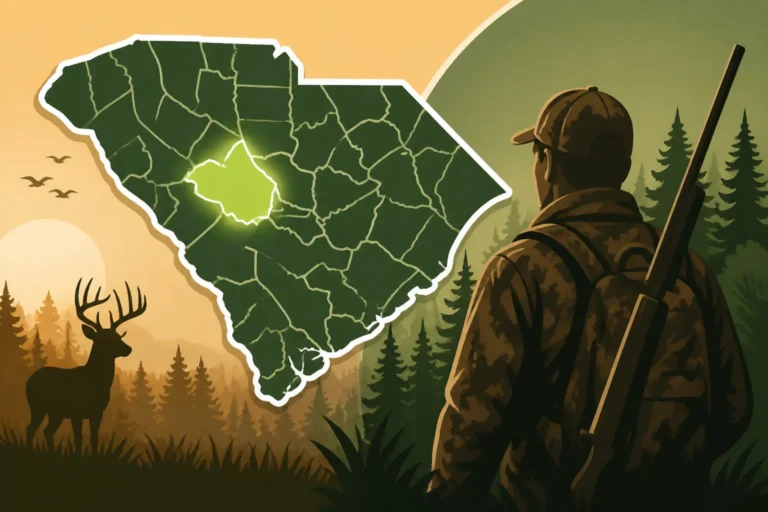
The Andrew Pickens Ranger District is a vast expanse of national forest land in the extreme northwestern corner of South Carolina, encompassing parts of Oconee, Pickens, and Greenville counties. This isn't your typical low-country hunt; we're talking about steep slopes, dense undergrowth, and significant elevation changes. It's a true mountain hunting experience that demands physical fitness and careful preparation.
The Rugged Landscape of the Upstate
When you picture hunting in South Carolina, most folks think of pine plantations and coastal swamps. The Andrew Pickens flips that script entirely. Here, you'll find yourself navigating mature hardwood ridges, thick rhododendron thickets, and steep drainages that can test even the most seasoned hunter's endurance. This topography provides excellent cover for black bears, making them incredibly elusive. The ground can be rocky and uneven, often covered in a slippery layer of leaves or pine needles, especially after a rain. Access typically involves navigating a network of forest service roads, many of which are unpaved and can become challenging to traverse in wet conditions. Knowing your terrain intimately, perhaps by using detailed mapping applications like onX Hunt, is paramount here. These tools can help you identify contour lines, potential bedding areas, and thick cover where bears might retreat.
Bear Movement and Habits in Mountain Terrain
Bears in the Andrew Pickens District are acutely attuned to their mountain environment. They'll use the dense cover of rhododendron and laurel thickets for bedding, venturing out to feed on hard mast like acorns from oak ridges or soft mast like berries, depending on the season. Their movements are often dictated by food availability and security cover. During the early morning and late evening, you might find them venturing into more open hardwood bottoms or along powerline cuts. Midday, they'll typically be holed up in the thickest cover. Understanding how a bear uses elevation can be a game-changer; they often travel along benches or follow drainages, using natural funnels to move between feeding and bedding areas. Don't underestimate their ability to navigate seemingly impossible terrain; a bear can disappear into a laurel slick faster than you can blink. Knowing where bears tend to bed or feed is crucial for anticipating their next move. You can read more about Why the Upstate Holds the Most Bears to understand their habitat preferences.
Accessing Public Land in the Andrew Pickens
The Andrew Pickens is part of the Sumter National Forest, meaning it's public land, but that doesn't always mean easy access. While there are numerous forest roads, many are gated or become impassable to vehicles. You'll likely be doing a lot of walking, so consider your entry and exit points carefully. Always check the Sumter National Forest maps and the South Carolina Department of Natural Resources (SCDNR) website for any specific closures or regulations. Parking can be limited in popular areas, especially during the bear season. Think about how far you're willing to hike to get away from other hunters. Sometimes, going the extra mile, quite literally, can put you in front of undisturbed bears. Using a robust mapping system like onX Hunt on your phone, even without cell service, can be indispensable for marking your truck, plotting a course through the woods, and identifying property boundaries.
South Carolina Bear Season in Zone 1: Andrew Pickens Specifics
South Carolina has two bear hunting zones, and the Andrew Pickens District falls entirely within Zone 1, which covers the mountainous upstate region. This zone has distinct rules and seasons compared to the coastal Zone 4, largely due to differences in bear populations and habitat. Understanding these specifics is not just important for legality, but for planning your hunt effectively.
Still-Gun Season Framework
Bear hunting in Zone 1 is divided into two primary segments: a still-gun season and a dog drive season. The Andrew Pickens District is predominantly hunted during the still-gun season. This means hunters must pursue bears without the aid of dogs, relying instead on scouting, tracking, and ambush tactics. This style of hunting demands patience, stealth, and a deep understanding of bear behavior. The still-gun season dates are typically limited, often to a short window in October. It's critical to check the SCDNR's current hunting regulations each year for the exact dates, as they can shift. During this period, the woods can be surprisingly quiet, making it a truly immersive experience. Hunters often target natural food sources or thick bedding areas. If you're looking for more general information, you can find details in South Carolina's Two Bear Hunting Zones.
Essential Licenses and Bear Tags
Just like any other big game in South Carolina, you'll need the proper licenses and tags to hunt bear in the Andrew Pickens District. This includes a valid South Carolina hunting license (resident or nonresident) and a specific bear tag. These bear tags are often limited in number and must be purchased well in advance. Don't show up opening morning expecting to buy one at the local convenience store; plan ahead. The cost of tags can vary, so always consult the SCDNR website for the most current information. Each hunter is typically allowed to harvest one bear per season, but again, always verify the current bag limits. Missing this crucial step means your successful hunt could turn into a violation. Detailed information can be found on South Carolina Bear Tag Requirements.
Navigating WMA Regulations and Quota Hunts
While the Andrew Pickens is primarily national forest, portions of it might be designated as Wildlife Management Areas (WMAs) or have specific restrictions. Some areas might have quota hunts, requiring pre-registration and a draw to obtain permission to hunt. It's less common for general still-gun bear season in the Andrew Pickens, but always be vigilant about specific area rules. The easiest way to confirm this is to consult the SCDNR's annual hunting regulations guide and check for any specific WMA rules that might apply to the particular section of the Andrew Pickens you plan to hunt. These regulations can include restrictions on vehicle access, camping, or even specific hunting methods. Websites like GoHunt can sometimes offer broad insights into game management units, but for South Carolina specifics, the SCDNR resources are your definitive guide. Be sure to look into Zone 1 Bear Still-Gun Season Rules for comprehensive information.
Effective Tactics for Andrew Pickens Bear
Hunting black bear in the Andrew Pickens District requires a different approach than hunting deer in a pine thicket. The terrain, the density of the cover, and the bears' natural elusiveness all contribute to a demanding hunt. Successful hunters here are patient, adaptable, and willing to work for their opportunities.
Spot-and-Stalk in Steep Terrain
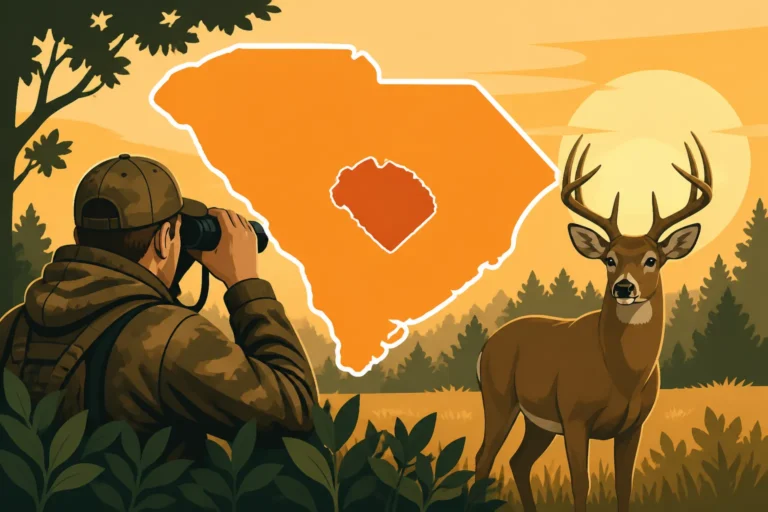
Spot-and-stalk can be incredibly effective in the Andrew Pickens, provided you find the right conditions and terrain. It's not about glassing vast open spaces like out West; it's about identifying small openings, logging roads, or powerline cuts where you might catch a bear moving. Climb to a high vantage point before legal shooting light and use good binoculars (10×42 or 12×50 are ideal) to slowly pick apart the distant hillsides, looking for movement or dark shapes that don't belong. When you spot a bear, the real work begins. Planning an approach through steep, thick terrain without being detected is a serious challenge. You'll need to use the wind to your advantage, move slowly and deliberately, and be prepared for a long, arduous stalk. Always consider your escape route and how you'll get the bear out before you even start the stalk. It’s hard work, but the reward of a successful Spot-and-Stalk Tactics for Upstate Bears hunt is unparalleled.
Keying in on Natural Food Sources
Bears are creatures of habit, and their habits revolve around food. In the Andrew Pickens, natural mast crops are king. Acorns from white oaks and red oaks are primary attractants in the fall. Scout pre-season to identify which oak ridges are dropping, and you'll find where bears are likely concentrating. Don't forget about soft mast too, like wild grapes, blackberries, or even persimmons. Look for overturned rocks, broken branches, or fresh scat as signs of bear activity. Focus on the fringes of these food sources, particularly where they meet dense cover, as bears will often stage in the thick stuff before venturing out to feed. Setting up a treestand or ground blind along a well-used travel corridor leading to a prime food source can be a highly effective ambush strategy. This kind of detailed scouting is where platforms like onX Hunt shine, allowing you to mark specific oak flats or persimmon trees you find. You can learn more about Hunting Bears Over Natural Mast in the Mountains.
Still-Hunting and Ambush Point Selection
Still-hunting involves moving slowly and deliberately through the woods, taking a few steps, then pausing for several minutes to observe and listen. This technique is perfectly suited for the Andrew Pickens' dense cover. Focus on moving into the wind or crosswind, covering ground silently. Pay attention to every detail: a flick of an ear, a patch of black fur, or the tell-tale crunch of leaves that isn't from a squirrel. Target areas where various cover types converge, or along benches and saddles on ridges, as these are natural travel corridors for bears. Ambush points are critical. Instead of just picking a random spot, look for natural funnels – a narrow pinch point between two thickets, a downed log that forces movement around it, or the edge of a steep drop-off. Set up your ambush well before first light, allowing the woods to settle, and be prepared to sit patiently for extended periods.
Here's a quick comparison of tactics for Andrew Pickens bear hunting:
| Tactic | Pros | Cons | Best Used When |
|---|---|---|---|
| Spot-and-Stalk | Highly active, covers more ground, exciting | Physically demanding, requires good optics, difficult in dense cover | Early morning/late evening, near open areas or cuts |
| Still-Hunting | Stealthy, adaptable, good for dense cover | Very slow, requires extreme patience and quiet movement | Anytime, especially in thick bedding or feeding areas |
| Ambush/Stand | Less physically demanding, high success in proven spots | Requires extensive pre-scouting, limited mobility | Near prime food sources or established travel routes |
Essential Gear and Safety for Mountain Bear Hunts
Hunting black bear in the Andrew Pickens District is not a casual outing. The environment demands specific gear for comfort, effectiveness, and safety. Being ill-equipped can turn a challenging hunt into a dangerous one very quickly.
Preparedness for the Elements and Terrain
The Upstate mountains can have unpredictable weather, even in the fall. You might start your day in crisp, cool air, only for the afternoon to bring a warm front or a sudden rain shower. Layered clothing is crucial. Start with a moisture-wicking base layer, add insulating layers, and top it off with a waterproof/windproof outer shell. Sturdy, waterproof hiking boots with good ankle support are non-negotiable for navigating the steep, rocky, and often wet terrain. Consider snake boots for added protection, even in cooler weather, as snakes can still be active. A comfortable, well-fitting backpack is essential to carry your gear, food, water, and emergency supplies. Don't forget plenty of water – those steep climbs will dehydrate you quickly. When it comes to firearms, choose a rifle caliber suitable for bear. Rifle Calibers for South Carolina Bear can help guide your choice, but something with good stopping power and accurate at moderate ranges is wise.
Navigation and Communication in Remote Areas
Cell phone service in much of the Andrew Pickens District is spotty at best, and often nonexistent. Relying solely on your phone for navigation is a mistake. Always carry a physical map and compass, and know how to use them. A GPS unit or a reliable phone app like onX Hunt with downloaded offline maps is also incredibly useful for marking your truck, plotting routes, and identifying property boundaries. Consider a satellite communication device, like a Garmin inReach or a similar product, for emergency communication, especially if you're hunting alone. These devices allow you to send SOS messages and often text with loved ones even without cell service. A powerful headlamp with extra batteries is also a must, as you'll likely be hiking in and out in the dark.
Post-Shot Recovery and Meat Care
Once you've made a successful shot on a bear, the work is far from over. Tracking a bear through dense, mountainous terrain can be incredibly challenging. Take your time, mark the last spot you saw the bear, and use tracking principles to follow the blood trail. Bears can be tough animals, and they often travel a surprising distance after being hit. Ensure you have a good field dressing knife, game bags, and a bone saw or strong hand axe. Getting a bear out of a steep drainage can be an epic task. Consider a game cart if the terrain allows, or be prepared to quarter the animal and pack it out. The Andrew Pickens can be warm even in October, so prompt field dressing and cooling of the meat are critical to prevent spoilage. Have a plan for getting the meat to a cooler as quickly as possible. Don't underestimate the effort required for Handling a Bear After the Shot in such challenging conditions.
Disclaimer
This article is for general informational purposes only and does not constitute professional advice. Laws, prices and regulations vary by location and change over time. Consult a qualified professional for guidance on your specific situation.