South Carolina’s Zone 1 Upstate Deer Season
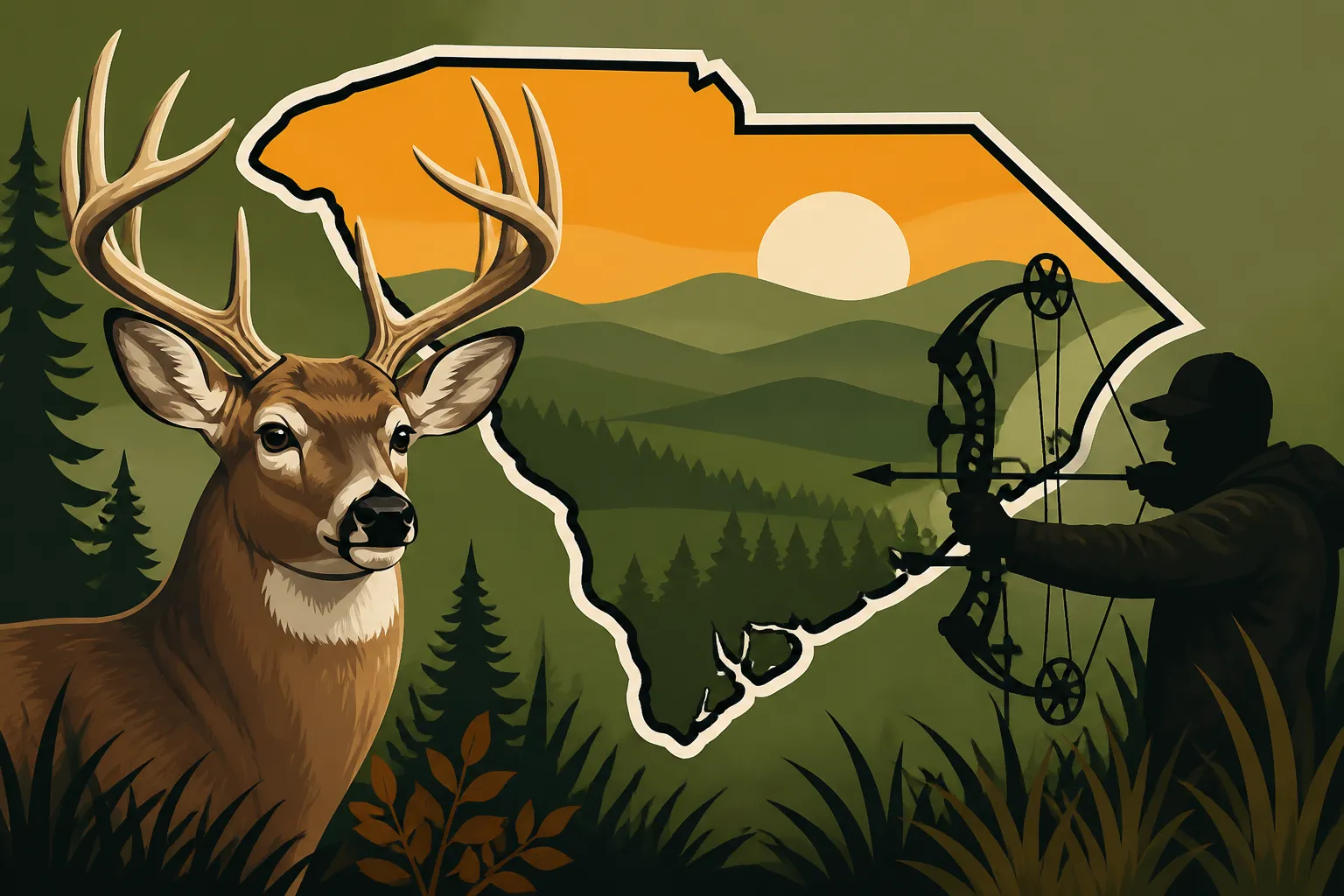
The rolling hills and rugged mountains of South Carolina's Upstate, known as Zone 1, present a uniquely challenging yet incredibly rewarding deer hunting experience. Unlike the sprawling lowcountry swamps or vast agricultural fields of other zones, the dense timber, steep terrain, and intricate ridgelines of the Upstate demand a different approach, often leaving hunters who rely on lowland tactics frustrated. This comprehensive guide will walk you through everything you need to know to successfully navigate and hunt South Carolina's Zone 1 Upstate deer season, from understanding the regulations to mastering the specific strategies that put venison in your freezer and antlers on your wall.
Understanding South Carolina's Zone 1 Upstate Deer Season Structure
Hunting in South Carolina is a diverse experience, largely due to how the state is divided into distinct Game Zones. Zone 1, covering the northwesternmost counties, stands apart with its unique geography and, consequently, its deer season regulations. For hunters accustomed to the long, early seasons of the Lowcountry, the Upstate calendar can feel like a completely different world, requiring careful planning and a deep understanding of the rules.
Why the Upstate is Different
The physical landscape of Zone 1 is the primary driver behind its distinct hunting season. This region encompasses the foothills of the Blue Ridge Mountains, characterized by dramatic elevation changes, mature hardwood forests, and a significant amount of public land within the Sumter National Forest. The deer here often behave differently than their coastal cousins, adapting to steep inclines, thermal shifts, and a mast-dependent diet. The population density can be lower in some of the more rugged areas, and deer movement is heavily influenced by terrain features like ridges and hollows, as well as the availability of acorns and other hard mast crops. This ecological difference necessitates a hunting season structure that accounts for later rutting periods and different pressures on the deer herd compared to other parts of the state.
Comparing this to the expansive flatlands and agricultural fields of Zone 4 or the river bottoms of the Pee Dee region highlights just how varied the hunting experience is across the state. The Upstate deer, often smaller-bodied but incredibly tough and elusive, navigate a world far removed from the rice fields and pine plantations. This means that hunters coming from outside the region must shed preconceived notions and embrace the unique challenges and opportunities that Zone 1 presents. You simply can't hunt a Sumter National Forest ridge the same way you would a coastal food plot.
Key Season Dates and Bag Limits
Zone 1 operates on a later schedule than other parts of the state, especially compared to the ultra-early opener in Zone 4. This later start is crucial to remember. Typically, archery season in Zone 1 opens on September 15th. This provides a fantastic opportunity to get into the woods before the gun hunters arrive, leveraging early-season food sources. Following archery, primitive weapons season usually begins on October 1st, offering a chance to use muzzleloaders, crossbows, and other primitive gear. Finally, modern gun season kicks off on October 11th and runs all the way through January 1st. These dates are significantly different from the earliest coastal zone opener, which can start as early as August 15th, giving Upstate deer six more weeks of undisturbed summer activity.
Understanding the statewide bag limits is also critical. Currently, South Carolina allows residents to harvest up to five antlered deer per season, with no more than two per day. Non-residents have a slightly more restrictive limit of two antlered deer per season. For antlerless deer, the daily limit is two, and there's no statewide seasonal limit for antlerless deer on private land, though WMA regulations can differ. These limits are important for managing the herd and ensuring sustainable hunting opportunities. Always double-check the latest South Carolina Department of Natural Resources (SCDNR) regulations each year, as dates and limits can occasionally shift.
Required Licenses and Permits
Before you even think about stepping foot in the Upstate woods, you need to ensure all your paperwork is in order. South Carolina has a clear structure for hunting licenses, and failing to have the correct ones can lead to a hefty fine and a ruined hunt. At a minimum, every hunter needs a valid South Carolina Hunting Licenses and What They Cost. For deer hunting, this also includes a South Carolina Big Game Permit Requirements. If you plan to hunt on public lands, specifically within the Wildlife Management Areas (WMAs) like those found within the Sumter National Forest, you'll also need a South Carolina WMA Permit Requirements.
The process of acquiring these permits has been streamlined thanks to the Go Outdoors SC platform. You can purchase all necessary licenses and permits conveniently online, by phone, or through various authorized license vendors across the state. It's always a good idea to purchase them well in advance of the season to avoid any last-minute stress. Remember, even if you're a long-time South Carolina resident, it's easy to forget a small detail, so taking the time to confirm you have all the appropriate documentation, including any federal duck stamps if you plan to combine deer hunting with migratory bird pursuits, is a smart move.
Topography and Habitat in the Upstate
The terrain of Zone 1 is arguably its most defining characteristic, shaping everything from deer movement to effective hunting strategies. Unlike the gentle slopes of the Midlands or the flat expanses of the Lowcountry, the Upstate is dominated by rugged, often steep, topography. This creates a challenging but incredibly rewarding environment for those willing to put in the effort.
The Blue Ridge Escarpment and Foothills
The northwestern corner of South Carolina is where the ancient Appalachian Mountains begin their descent into the Piedmont, creating what's known as the Blue Ridge Escarpment. This geological feature results in dramatically varied terrain, with elevations ranging from a few hundred feet to over 3,000 feet. You'll find deep, winding hollows, steep ridges, and rocky outcrops that define the landscape. The forests are predominantly mixed hardwoods, with a strong presence of various oak species (red, white, and chestnut oaks), hickories, and poplars in the coves, interspersed with pine stands on the drier ridge tops. This diverse tree composition means a fluctuating mast crop, which heavily influences deer patterns year to year.
The dense undergrowth, often thick with mountain laurel, rhododendron, and various briar patches, provides exceptional bedding cover for deer. These areas can be incredibly difficult to penetrate, forcing deer into more predictable travel corridors. Hunters must become adept at reading the subtle contours of the land, identifying benches, saddles, and natural funnels where deer movement is concentrated. Understanding how the topography creates thermal currents, especially in the mornings and evenings, is also paramount to successful hunting in these mountains, a skill critical for Wind and Thermals on an Upstate Ridge and ensuring your scent doesn't give you away.
National Forests and Public Land Opportunities
A significant portion of Zone 1's appeal for deer hunters lies in its vast public land resources, primarily within the Sumter National Forest. Specifically, the Andrew Pickens Ranger District and portions of the Enoree Ranger District offer extensive hunting opportunities. These aren't small, managed wildlife areas; they are sprawling tracts of national forest land, providing a true wilderness hunting experience. Hunting within Sumter National Forest means covering a lot of ground, often far from roads and other hunters. The sheer scale of these lands can be intimidating, but it also offers the solitude and challenge many dedicated deer hunters crave.
While deer densities might not be as high as on well-managed private lands, the potential for encountering mature, pressured bucks that have learned to avoid human contact is real. Success on public land here often comes down to scouting thoroughly and being willing to hike deeper than most other hunters. Understanding the nuances of Sumter National Forest Hunting, including specific regulations for camping, vehicle access, and stand placement, is vital. Remember, these are multi-use lands, so you'll share them with hikers, campers, and other outdoor enthusiasts, especially during the early season.
River Bottoms and Agricultural Pockets
While the Upstate is known for its mountains, it's not entirely devoid of river bottoms and small agricultural pockets. Rivers like the Chattooga, Chauga, and Saluda, along with their numerous tributaries, carve out fertile valleys and floodplains. These areas often feature richer soils, leading to more lush vegetation, including diverse browse and soft mast, even during dry periods when ridge-top food sources might be scarce. Deer, especially during times of heavy hunting pressure on the ridges, will often retreat to the security of these dense bottomlands.
Additionally, tucked away amidst the rolling hills, you'll find small, privately owned farms and pastures. These agricultural patches, even if just a few acres, can be significant draws for deer seeking nutritional forage like soybeans, corn, or planted winter greens. While accessing these areas often requires landowner permission, understanding their location and how deer use them can be key to success, even if you're hunting adjacent public land. Deer will often commute from the security of the deep woods to feed in these clearings, creating predictable travel routes that can be excellent ambush points. Being aware of these transitional zones and how deer use them throughout the season provides a crucial edge for the Upstate hunter.
Scouting Strategies for Upstate Whitetails
Effective scouting is the bedrock of successful deer hunting, especially in the challenging and expansive terrain of South Carolina's Upstate. You can't just show up on opening day and expect to find deer consistently; the Upstate demands a proactive and intelligent approach to understanding deer movement and habitat use. Without thorough scouting, you're essentially stumbling through the woods hoping for a lucky encounter.
Reading the Terrain for Deer Sign
Before you even step foot in the woods, modern mapping tools are your best friend. Services like GoHunt offer incredible detail, allowing you to pour over topographic maps and aerial imagery from your couch. Look for prominent ridgelines, which often serve as major travel arteries for deer. Identify saddles, which are dips in a ridge that deer will use to cross from one side to another, conserving energy. These are often funnel points where multiple trails converge. Similarly, look for natural funnels created by sharp changes in elevation, dense cover, or waterways that restrict deer movement into narrow corridors.
Once you hit the ground, confirm what your maps show. Search for fresh deer sign: tracks in soft earth, rubs on saplings (especially prominent during the pre-rut and rut), and scrapes under low-hanging branches. Pay close attention to trails; well-worn paths indicate consistent use. For bedding areas, look for thick, brushy clear-cuts or south-facing slopes (especially in colder weather) that offer thermal cover and security. Deer often bed just below a ridge top, allowing them to scent-check anything approaching from above while watching for danger below. Understanding Reading a Ridge for Upstate Deer involves not just seeing the features but interpreting how deer utilize them for their daily patterns.
Early Season vs. Late Season Scouting
The timing of your scouting matters immensely in the Upstate. Pre-season scouting (late summer/early fall) should focus on identifying primary food sources. Are the white oaks dropping acorns early? Are the chestnut oaks producing heavily? Deer will concentrate around these areas until the mast is gone. Look for water sources, especially during dry spells, as these become magnets for deer. This early intel helps you pinpoint initial stand locations for archery season. During this phase, focus on locating active deer, noting their entry and exit routes from feeding and bedding areas.
As the season progresses into late season scouting, your focus shifts. After the leaves drop, deer patterns can change as primary food sources diminish, and hunting pressure pushes them into thicker cover. Look for secondary food sources, such as honeysuckle, green briar, or remaining acorns in protected coves. Fresh rubs and scrapes become highly valuable indicators of rutting activity in the Upstate, signalling that bucks are actively cruising for does. Pay attention to how deer move under pressure—they'll often use the thickest, most difficult-to-access cover, moving at night or during the quietest parts of the day. Adapting your scouting throughout the season is crucial for consistent success.
Utilizing Technology and Trail Cameras
Modern technology has revolutionized scouting, and the Upstate hunter should embrace it fully. GPS apps on your smartphone or a dedicated handheld unit are indispensable for navigating vast public lands and marking key sign. As mentioned, GoHunt provides excellent mapping layers, including property boundaries and topo maps, which are invaluable for understanding the landscape and staying on legal hunting ground. You can mark bedding areas, rub lines, scrapes, and potential stand sites, building a detailed picture of deer activity over time. This data is critical for planning your attack and for Scouting South Carolina Public Land Before Season.
Trail cameras are another powerful tool. Deploy them strategically near primary food sources, water holes, or pinch points you identify on your maps. They provide invaluable, unbiased intel on deer presence, travel times, and even buck age classes, without requiring constant human presence. Just remember to check them discreetly and infrequently to avoid contaminating the area with human scent. When placing cameras, consider the sun's position to avoid glare, and angle them down trails to capture movement. By combining robust mapping, on-the-ground sign reading, and strategic camera placement, you build a comprehensive understanding of the deer in your chosen hunting area.
Upstate Hunting Tactics by Season Phase
The Upstate deer season is a marathon, not a sprint, spanning several months and weapon types. Each phase presents unique opportunities and challenges, requiring hunters to adapt their tactics to the prevailing conditions, deer behavior, and hunting pressure. What works in September with a bow likely won't be effective in December with a rifle.
Archery Season Strategies
When South Carolina's Archery Season Opens in Zone 1, usually in mid-September, the woods are still lush and green, and temperatures can be quite warm. This early period is all about targeting deer on their predictable summer patterns, primarily revolving around food and water. Focus your efforts on identifying natural food sources like acorns (if they're dropping early), muscadines, or persimmons. Deer will often hit these early-ripening treats hard. Look for trails leading from bedding areas (often thick clear-cuts or dense thermal cover) to these feeding grounds.
Still-hunting can be incredibly effective during this phase, especially in the early mornings or late evenings when deer are on the move. Move slowly, using the thick cover to your advantage, stopping frequently to glass ahead. Stand placement should prioritize wind direction, as deer are not yet pressured and highly attuned to scent. Consider ground blinds brushed into thick cover or strategically placed tree stands near water sources or along major trails. Given the warm weather, Warm-Weather Sitting Strategy in South Carolina is crucial; consider lightweight, breathable clothing and an effective bug repellent to stay comfortable and focused for those long sits.
Primitive Weapons Season Approaches
The transition from archery to primitive weapons season (starting October 1st) brings cooler temperatures and often the beginning of the leaf drop. This period offers a fantastic bridge, allowing for slightly longer shot opportunities than archery while still preceding the full-on gun season pressure. Muzzleloaders are popular choices, providing increased range and knockdown power. Crossbows are also legal during this period and can be an excellent option for hunters seeking a more stable shooting platform.
During this phase, deer are starting to transition from summer patterns to more fall-like behaviors. Mast crops become even more critical, and deer will often concentrate heavily in areas with abundant acorns. Scouting for fresh rubs and scrapes will intensify, as bucks are beginning to mark their territory and check for does, even if the primary rut is still weeks away. Focus your stand placements on travel corridors between feeding and bedding areas, particularly those that offer a bit more cover or are located deeper in the woods. The slight increase in hunting pressure from primitive weapon hunters means deer might already be a bit warier, making stealth and scent control even more important.
Modern Gun Season and the Rut
Modern gun season in Zone 1 kicks off on October 11th and runs through January 1st, covering the peak of the Upstate rut. This is the time when bucks are actively seeking does, leading to increased daytime movement and more unpredictable patterns. This can be one of the most exciting times to hunt, but also one of the most challenging due to increased hunter numbers. Tactics that target the rut, such as Rattling and Grunting in South Carolina, can be incredibly effective. Bucks that might have been nocturnal for weeks suddenly become more visible as they pursue receptive does.
During the rut, focus on travel corridors that connect known bedding areas with prime feeding locations, or on pinch points where deer are funneled through. Ridge-top saddles and creek crossings are excellent spots to intercept cruising bucks. Look for fresh scrape lines along logging roads or field edges, as these are hotbeds of communication. Given the heavy hunting pressure, especially on public land, consider hunting during weekdays or exploring deeper, harder-to-reach areas. Often, the bucks that survive the initial rush of hunters will be found in the thickest, nastiest cover. Understanding Hunting the Rut in the Upstate Zone means knowing that while bucks are less cautious, they are still highly sensitive to human presence, so remaining disciplined with wind and movement is paramount.
Challenges and Considerations for Upstate Deer Hunters
Hunting the South Carolina Upstate offers unique rewards, but it also comes with its own set of challenges that can surprise hunters unfamiliar with the region. Being prepared for these realities is just as important as knowing where to hang your stand.
Navigating Rugged Terrain and Weather
The very features that make the Upstate beautiful and wild—its steep ridges, deep hollows, and dense forests—also make it physically demanding. Hunting here is not for the faint of heart or those unprepared for significant exertion. You'll be climbing steep grades, traversing uneven ground, and pushing through thick underbrush. Physical fitness is a major asset, allowing you to hike further, hunt longer, and remain comfortable throughout your day. A good pair of hiking boots with excellent ankle support is non-negotiable, and a sturdy pack to carry your gear and, hopefully, venison, is essential.
Weather can also be incredibly variable. Early archery season days can still be sweltering, requiring lightweight, breathable clothing and ample hydration. However, by late primitive weapons or modern gun season, cold fronts can bring freezing temperatures, rain, or even a dusting of snow. Being prepared for anything, with appropriate layering, quality rain gear, and even a compact survival kit, is just smart practice. Always check the forecast, but be ready for it to change rapidly, especially in the mountains. Staying dry and comfortable is key to maintaining focus and safety in these conditions.
Public Land Pressure and Finding Seclusion
While the vastness of the Sumter National Forest offers immense opportunity, it's also a popular destination for hunters. Opening day, especially of modern gun season, can see significant pressure in easily accessible areas. You'll often find vehicles parked along forest roads, signaling hunters already in the woods. This pressure can quickly push deer into more remote, thicker cover, making them more nocturnal and cautious. This can be one of the more frustrating aspects of hunting these highly accessible public lands.
The key to finding seclusion and less-pressured deer often lies in your willingness to go where others won't. This means hiking further from designated parking areas, often a mile or more, into the less accessible pockets of the forest. Study your maps (GoHunt is great for this, allowing you to identify areas with minimal road access), look for terrain features that naturally deter casual hunters, such as steep draws or dense clear-cuts. Hunting during weekdays, when many hunters are at work, can also significantly reduce pressure. Additionally, consider scouting for small, overlooked parcels or public access points that are less obvious. Often, the best deer are found where the effort to reach them is greatest, leveraging Finding Ground Others Walk Past.
Processing and Extraction in Remote Areas
Perhaps one of the most overlooked challenges of Upstate deer hunting is the logistical nightmare of recovering a downed animal in remote, steep, or swampy terrain. Dragging a mature buck up a steep ridge or through a thick rhododendron hell can be an exhausting, multi-hour ordeal, even with help. It’s a moment when many hunters realize they should have planned better. This is especially true if you end up Blood Trailing After Dark in South Carolina, which adds another layer of complexity and danger.
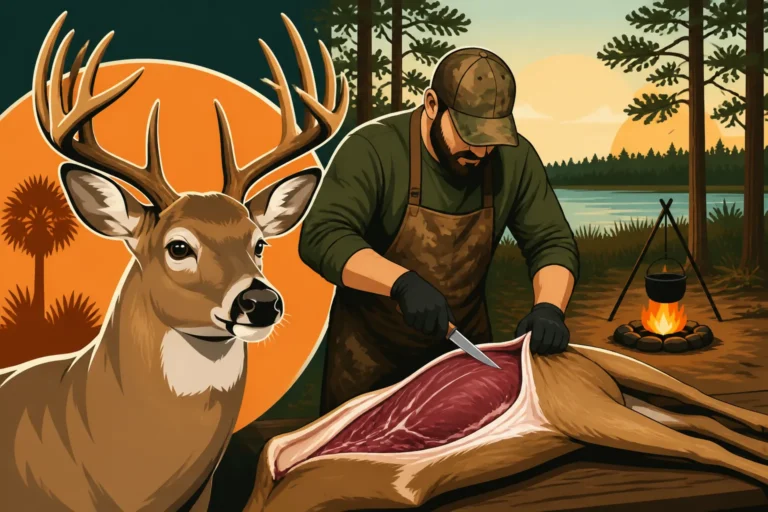
Having a solid recovery plan is crucial. Consider bringing a sturdy game cart if the terrain allows, though in much of the Upstate, it might be more practical to bone out the deer on site. A good frame pack designed for carrying meat can be an invaluable investment for these situations. Always carry a sharp field dressing knife, a small bone saw, and game bags to protect the meat, especially during warmer early-season hunts. Think about where you would take a deer if you shot it in your intended stand location. Is there a reasonable path out? Do you have enough help? Knowing your limitations and having the right gear, along with a realistic plan, can make the difference between a successful hunt and a significant headache.
Wildlife Management and Conservation in Zone 1
Hunting in Zone 1 isn't just about bagging a deer; it's about being an active participant in wildlife management and conservation. The SCDNR works tirelessly to maintain healthy deer populations and ecosystems, and hunters play a vital role in this ongoing effort. Understanding the broader context of wildlife management helps us appreciate our responsibilities afield.
South Carolina Deer Herd Health in the Upstate
The deer herd in Zone 1, like much of South Carolina, is generally healthy, though densities tend to be lower in the rugged mountains compared to the fertile coastal plain. SCDNR actively monitors the deer population through various methods, including harvest data submitted by hunters via the South Carolina Deer Reporting Requirements system. These reports help biologists understand population trends, buck-to-doe ratios, and fawn recruitment, which in turn informs future hunting regulations. The management goals for the Upstate often focus on maintaining a healthy, balanced herd that can thrive in the more demanding mountain environment, rather than purely maximizing numbers.
Predation from coyotes and a growing black bear population can impact fawn survival, which is a factor biologists consider. While deer in the Upstate might be smaller-bodied on average compared to deer in agricultural zones, they are tough, resilient animals perfectly adapted to their environment. Your participation in reporting harvested deer is not just a legal requirement; it's a direct contribution to the scientific data that ensures sustainable hunting for future generations. It's a testament to how hunting itself is a powerful conservation tool.
Predator Impacts and Other Wildlife
While deer are the primary focus for most Upstate hunters, it's impossible to talk about the ecosystem without acknowledging other species. The Upstate is home to a significant population of black bears, especially in the Andrew Pickens district of the Sumter National Forest. While opportunities for Hunting South Carolina Black Bear Without Bait exist, their presence can influence deer movement and fawn survival. Coyotes are also prevalent throughout South Carolina, including the Upstate, and are known to be significant fawn predators. While hunters often focus on deer, understanding the role of these predators in the ecosystem is part of a holistic approach to wildlife management.
Beyond predators, Zone 1 supports a wide array of other wildlife. You might encounter wild turkeys, squirrels, various small game, and a diverse range of bird species. The health of the deer herd is intricately linked to the overall health of the forest ecosystem. Maintaining diverse habitats through controlled burns, selective timber harvesting, and protecting riparian zones benefits not only deer but also the countless other species that call the Upstate home. Being aware of this rich biodiversity and how different species interact adds another layer to the Upstate hunting experience.
Ethical Hunting Practices and Regulations
The importance of ethical hunting practices cannot be overstated, especially on public lands where many eyes might be watching. This includes taking responsible, clean shots to ensure a quick and humane kill, diligent tracking of wounded animals, and proper field dressing and handling of harvested game. Respect for the animal, the land, and fellow hunters is paramount. Always be absolutely certain of your target and what lies beyond it.
Beyond ethics, strict adherence to all SCDNR regulations is a legal and moral obligation. This means knowing season dates, bag limits, weapon restrictions, and WMA-specific rules. It also means clearly tagging your harvested deer as required and accurately reporting your harvest through Game Check. Ignoring these rules not only undermines conservation efforts but can also lead to negative public perception of hunting. Hunters are the primary stewards of wildlife, and upholding the highest standards of conduct ensures that our traditions continue for years to come.
Advanced Tactics and Local Insights
To consistently find success in the Upstate, you need to move beyond basic hunting principles and delve into some more nuanced tactics tailored to the unique environment. These advanced strategies often capitalize on subtle terrain features and deer behavior patterns, giving you an edge over less experienced hunters.
Hunting Ridge-Top Saddles and Funnels
Ridge-top saddles are absolute goldmines for Upstate deer hunters. These are natural depressions or low points along a ridge line where deer can easily cross from one side to another. Think of them as deer highways, especially for cruising bucks during the rut. Deer will use these saddles to conserve energy when moving between different drainages or bedding areas. These areas are also natural funnels, concentrating deer movement into a smaller area, which makes for predictable ambush points. The trick is to identify the most frequently used saddles, which usually show heavy sign like trails, rubs, and scrapes.
When setting up on a saddle, consider the wind and thermals meticulously. Deer will often approach saddles with the wind in their favor, so positioning your stand downwind of the anticipated travel route is crucial. Pay attention to how the thermals rise in the morning and fall in the evening; you might need to adjust your setup or hunt different sides of the saddle depending on the time of day. Often, placing your stand a bit off the main trail, allowing for a broadside shot as a deer walks past, is more effective than directly on the trail. For a deeper understanding of how these critical areas influence deer, exploring Hunting a Ridge-Top Saddle for Rutting Bucks can provide even more refined insights.
Utilizing Timber Cuts and Regenerating Areas
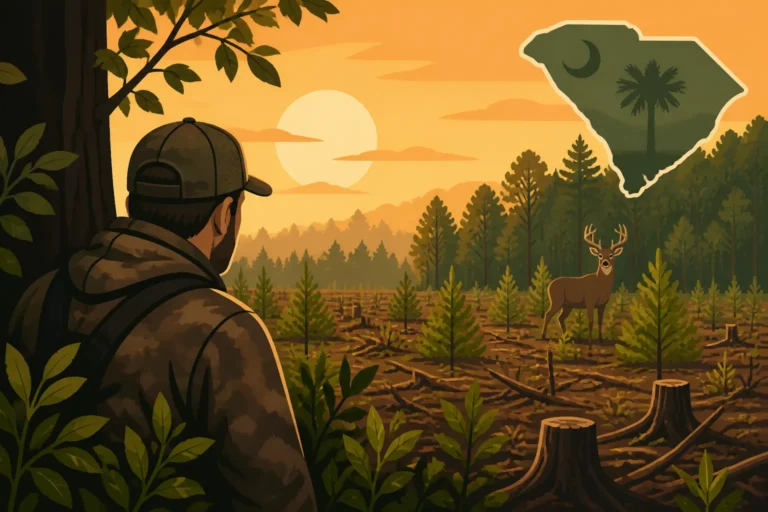
Timber cuts, whether clear-cuts or selective harvests, are not just barren landscapes; they are often hotspots for deer activity, especially a few years after the initial cut. Young, regenerating forest provides an incredible amount of new growth, offering abundant browse and dense cover. Deer will gravitate towards these areas for both food and security. The challenge lies in finding the right stage of regeneration; too fresh, and there's not enough food; too old, and it becomes impenetrable. Look for areas with a mix of young hardwoods, briars, and saplings that are about chest to head high, providing both food and excellent bedding.
Hunting the edges of these cuts, particularly where they transition into mature timber or a creek bottom, can be highly productive. Deer will often bed deep within the thick regrowth and emerge to feed along the edges or move through the more open mature timber. Scout for trails leading into and out of these thickets. Sometimes, creating a quiet access point into the cut itself, by subtly trimming a path, can allow you to get closer to bedding areas without spooking deer. These areas, while often overlooked by hunters who prefer open woods, can hold some of the biggest, most elusive bucks in the Upstate.
Understanding Upstate Thermals and Wind Patterns
In the mountainous terrain of Zone 1, understanding thermals is arguably more critical than in any other part of South Carolina. Thermals are air currents driven by temperature changes. In the morning, as the sun heats the ground, air rises, carrying your scent up the hillside. In the evening, as the air cools, it falls, carrying your scent down the hillside. Ignoring these subtle air movements is a surefire way to get busted by a mature buck. For a detailed breakdown of how to factor this into your hunt, consult Wind and Thermals on an Upstate Ridge.
This means your stand placement needs to account for both the prevailing wind and the thermal currents. For an evening hunt, you'd typically want to be higher up, allowing your scent to drop into a hollow where deer are less likely to be approaching from below. Conversely, for a morning hunt, being lower down the slope might be better as your scent rises. It's not always a perfect science, and thermals can swirl, especially in complex terrain or on cloudy days. Always use a wind checker (a small bottle of powder or milkweed seeds works wonders) to confirm air movement. Having a primary stand location and a few alternative setups that account for different wind and thermal directions will dramatically increase your odds of encountering a deer without them smelling you first.
Zone 1 Deer Season by Weapon Type
| Weapon Type | Season Dates (Approximate) | Key Tactics | Prime Time of Day | Typical Terrain Focus |
|---|---|---|---|---|
| Archery | Sep 15 – Oct 10 | Still-hunting, stand placement near food/water, soft calls | Early Morning, Late Evening | Mast trees, creek bottoms, dense early-season cover |
| Primitive | Oct 1 – Oct 20 | Longer range stand hunting, scouting for early rubs/scrapes | Mid-morning, Late Evening | Transition zones, mature timber, growing scrapes |
| Modern Gun | Oct 11 – Jan 1 | Rut cruising, rattling/grunting, travel corridors | All Day (especially during rut) | Ridge saddles, funnels, thick clear-cuts, creek crossings |
Disclaimer
The information provided in this guide is for general informational purposes only and is subject to change. Hunting regulations, season dates, and bag limits are set by the South Carolina Department of Natural Resources (SCDNR) and can be modified annually. It is the responsibility of every hunter to consult the most current SCDNR regulations pamphlet or website before heading afield. Always prioritize safety, ethical hunting practices, and compliance with all local, state, and federal laws.