Night Hunting Rules for South Carolina Coyotes
South Carolina coyote night hunting regulations and legal hours help landowners manage predators effectively after dark.
Close the distance.
Archery, muzzleloader, and firearm techniques — calling, stand placement, still-hunting, spot-and-stalk, and the weapon rules that change at the state line.
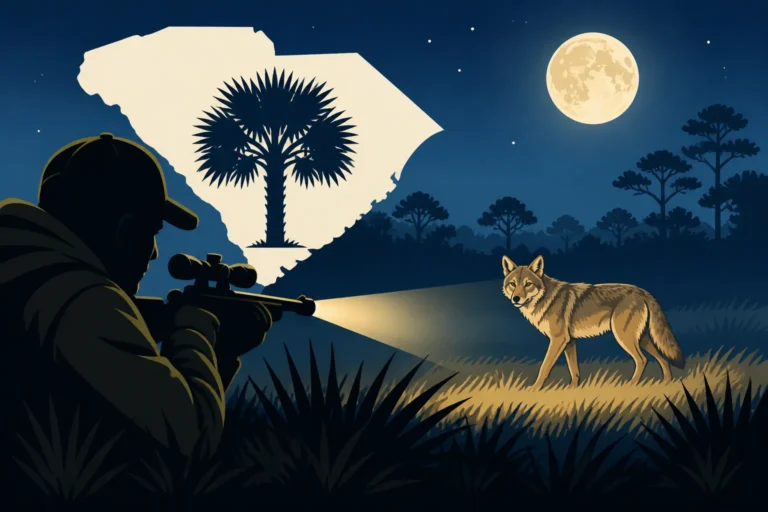
South Carolina coyote night hunting regulations and legal hours help landowners manage predators effectively after dark.
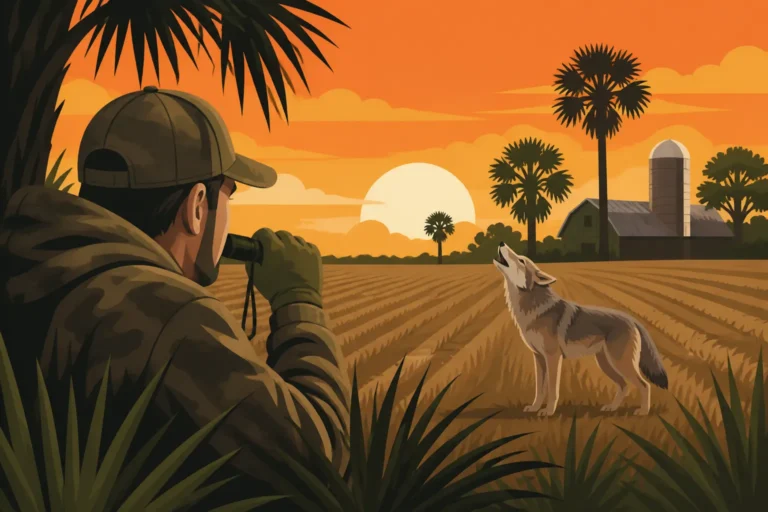
Coyote calling tactics help South Carolina landowners and farmers protect livestock, calves, lambs, and declining deer populations.
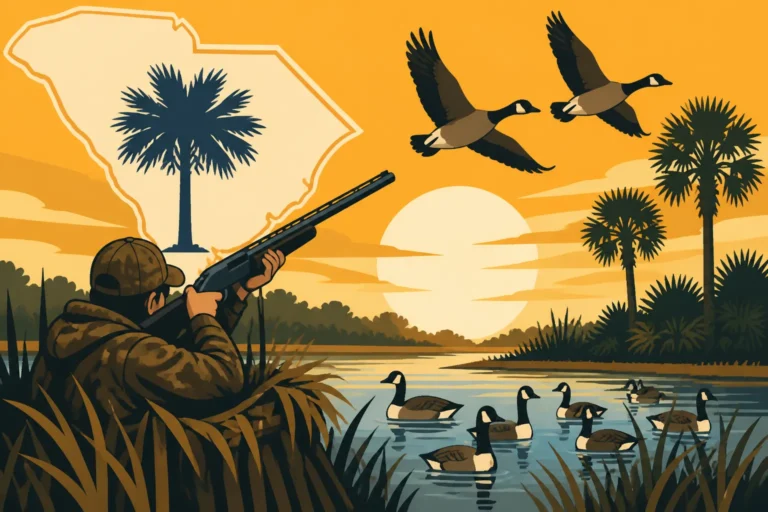
South Carolina resident Canada goose hunting tactics, SCDNR regulations, bag limits, and early season September patterns.
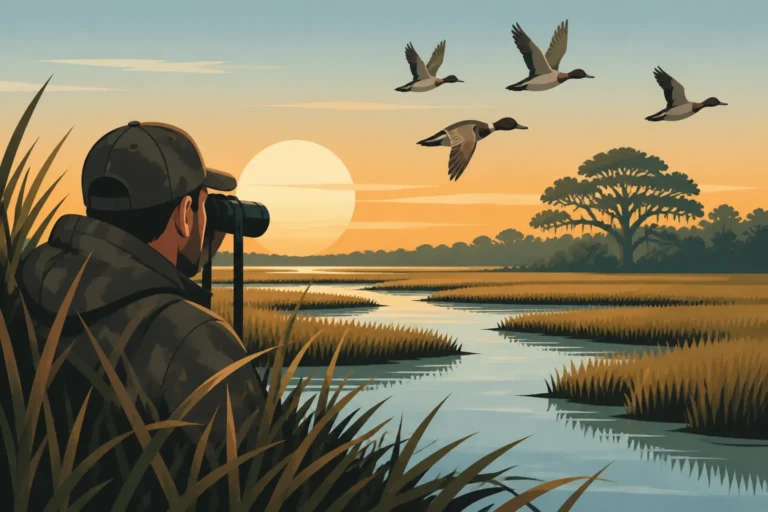
South Carolina tidal marsh waterfowl hunting strategies, including tide schedules, moon phases, and duck movement patterns.
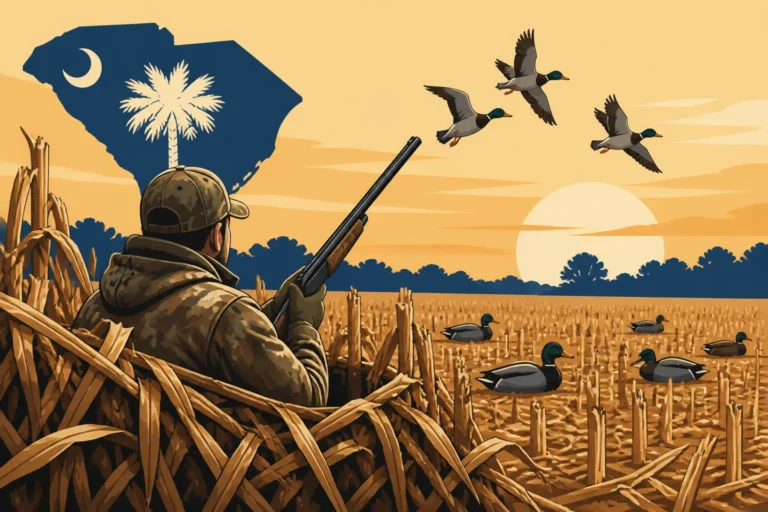
Layout blind hunting in South Carolina cut cornfields helps waterfowl hunters conceal themselves and attract wary geese.
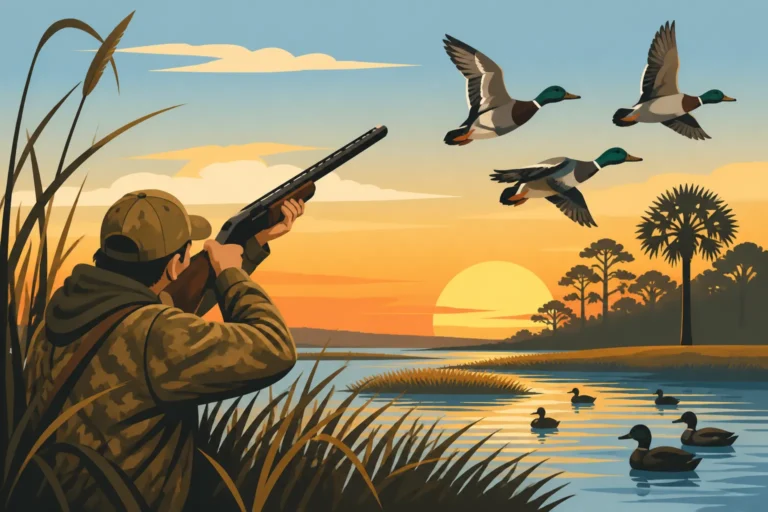
South Carolina tidal marsh waterfowl hunting in the ACE Basin requires navigating tides, cypress swamps, and managed impoundments.
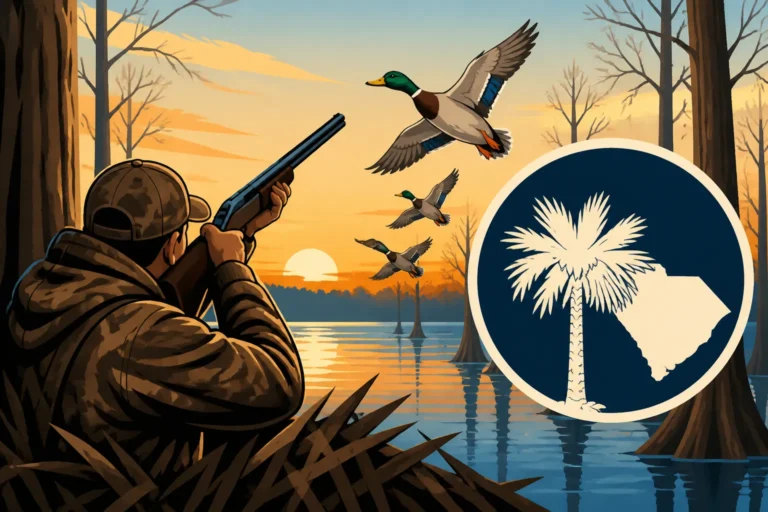
South Carolina flooded timber offers mallards acorns and cover, requiring hunters to locate water depths between six and eighteen inches.
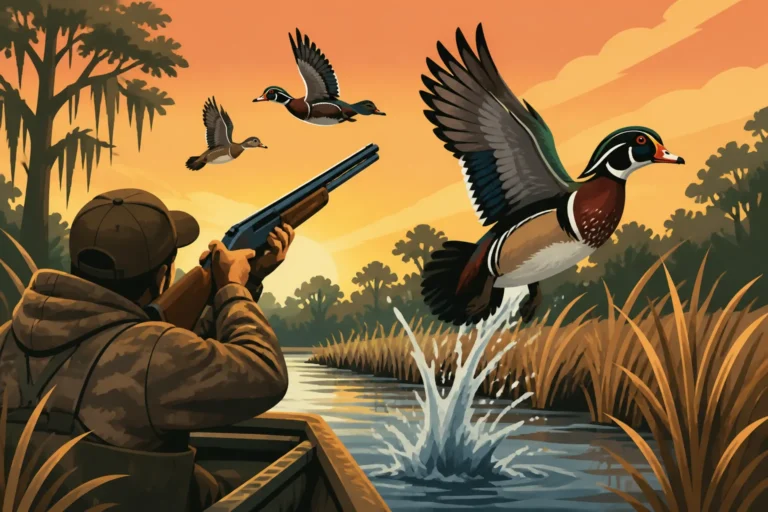
South Carolina creek jump-shooting for wood ducks explains habitat habits, mapping tools, and narrow waterways to find birds.
South Carolina October dove hunting tactics, weather impacts, and bird behavior changes help hunters locate elusive late-season birds.
Pass-shooting mourning doves over South Carolina water holes during mid-morning and late-afternoon flights helps hunters limit out.