Hellhole WMA Inside Francis Marion Forest
Finding accessible, quality public hunting land in South Carolina can feel like trying to find a needle in a haystack, especially when you're looking for a spot that offers a true wild experience without being completely overrun. Many hunters get frustrated with crowded fields or small, fragmented parcels. This guide dives deep into Hellhole WMA, a unique and challenging gem within the Francis Marion National Forest, offering strategies and insights to help you navigate its demanding terrain and unlock its hunting potential.
Understanding Hellhole WMA's Unique Appeal
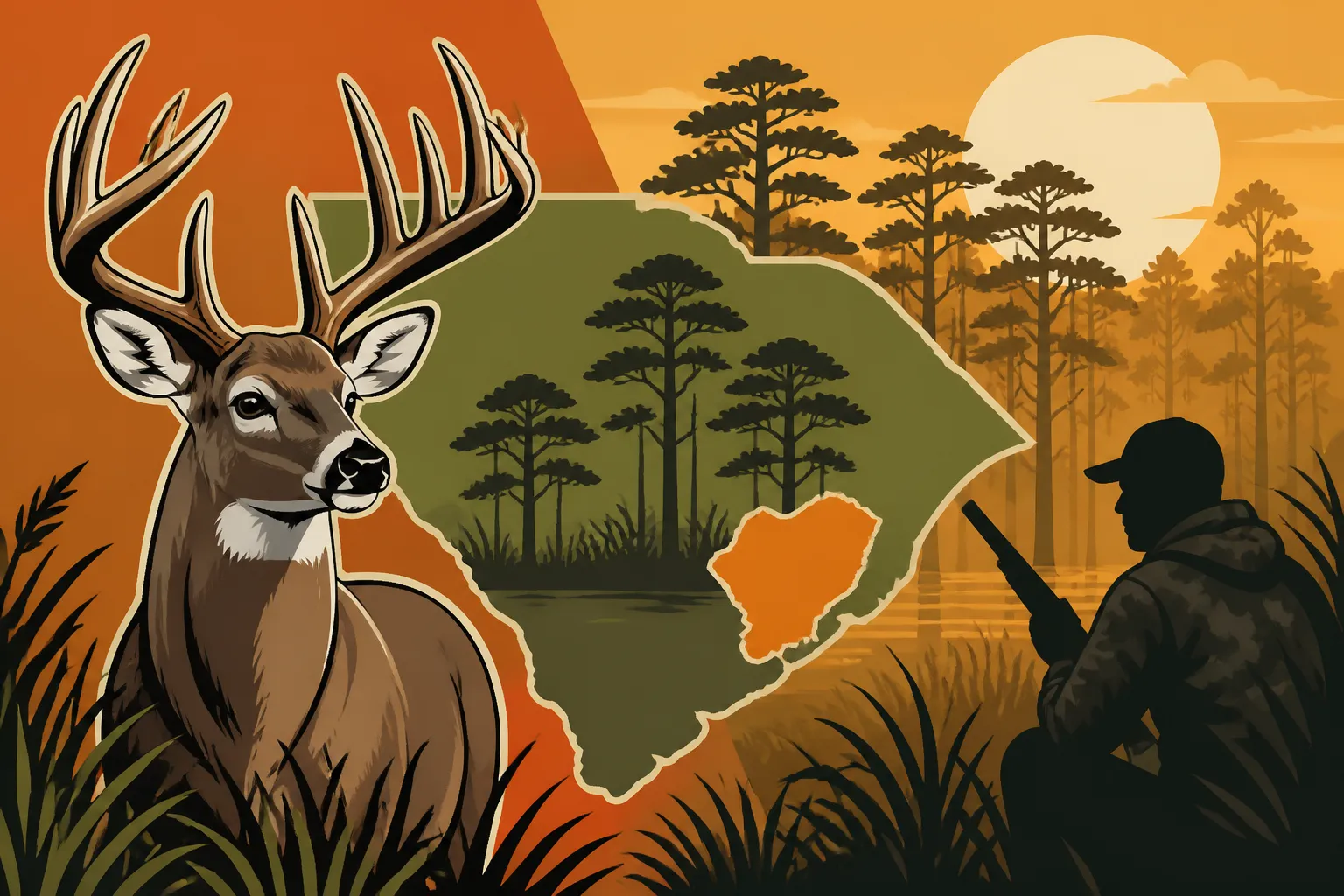
Hellhole WMA, tucked into the vastness of the Francis Marion National Forest, truly lives up to its name for many hunters. It’s not your typical pine plantation or open agricultural field. This is quintessential lowcountry swamp and dense timber, a place where the landscape itself filters out a lot of the casual hunting pressure. For those willing to put in the work and embrace the challenges, Hellhole offers an incredibly rewarding experience, providing opportunities for deer, hogs, turkey, and small game in a genuinely wild setting. It’s a place that demands respect, preparation, and a healthy dose of perseverance.
Why Hellhole Lives Up to its Name (and How to Handle It)
When folks talk about Hellhole, they often conjure images of thick, gnarly swamps, seemingly impassable briar patches, and enough mosquitos to carry you away. And honestly, they're not wrong. This area is characterized by vast tracts of bottomland hardwoods, cypress-tupelo swamps, and dense palmetto thickets, all intertwined with numerous guts, sloughs, and tidal creeks. Water levels can fluctuate dramatically, especially after heavy rains or during spring tides, turning what was once a muddy path into a knee-deep wade. This isn't a place for pristine, manicured food plots or easy access roads.
This daunting terrain, however, is precisely what makes Hellhole so appealing to a certain type of hunter. The sheer difficulty of access means that many areas see very little pressure. Deer, hogs, and turkeys often find sanctuary deep within these swamps, rarely encountering humans. If you're willing to don your snake boots, push through tangled brush, and navigate by compass or GPS, you'll discover pockets of untouched habitat where game animals thrive. It's an opportunity to truly disconnect and test your woodsmanship against a formidable wilderness. Remember, every frustrating fallen log or muddy crossing you overcome means fewer hunters are willing to follow.
Navigating the Francis Marion Landscape
Hellhole WMA isn't just a standalone swamp; it's an integral part of the sprawling Francis Marion National Forest, a vast expanse of public land in coastal South Carolina. While the entire forest offers Francis Marion National Forest Hunting, Hellhole WMA has its own distinct personality and specific regulations that you absolutely need to be aware of. The WMA designation means additional permits and rules apply, beyond the general National Forest guidelines. You'll need a valid South Carolina hunting license, a big game permit if pursuing deer or bear, and a WMA permit to legally hunt here. Always check the current SCDNR regulations booklet, because rules can change from year to year.
Accessing Hellhole WMA typically involves navigating a network of unpaved forest roads. Some of these roads might be seasonal, closing during wet periods to prevent damage or to protect sensitive areas. Identifying key entry points and understanding the road system is paramount. Many hunters rely on detailed mapping apps like onX Hunt or GoHunt to layer public land boundaries, WMA lines, and topographic features over satellite imagery. These tools are invaluable for pinpointing where you can legally park, walk, and hunt, especially in an area where property lines can be confusing and physical landmarks are scarce. Don't rely solely on memory or generic maps; the details matter immensely here.
Essential Gear and Preparation for Hellhole WMA
Hunting in Hellhole WMA isn't like hunting a clear-cut or an open field. The environment demands specialized gear and a methodical approach to preparation. Without the right equipment, you'll be fighting the environment more than you're hunting. Think of it as preparing for an expedition, not just a day trip, even if you only plan to be out for a few hours. The consequences of being ill-prepared can range from uncomfortable to genuinely dangerous.
Clothing and Footwear for Swampy Conditions
Let's talk about the absolute non-negotiables: your feet and legs. When you're slogging through the "Hellhole," you're going to encounter water, mud, and some very unwelcoming vegetation. This is prime territory for venomous snakes like cottonmouths and rattlesnakes, so quality Snake Boots for South Carolina Swamp Ground are not just recommended, they're essential. Look for boots that are completely waterproof, offer strong ankle support, and have thick rubber or synthetic uppers that come at least knee-high. You want to feel confident stepping into murky water without a second thought about what might be underfoot or lurking in the shadows.
Beyond boots, consider your other layers. South Carolina's early seasons, especially in the lowcountry, can be incredibly warm and humid. Lightweight, breathable, moisture-wicking layers are crucial. Think about performance fabrics that dry quickly and don't absorb sweat, even if you're not planning on a long hike. Mesh-backed vests or shirts can make a huge difference in comfort. As you move into fall and winter, layering remains key, but you'll shift to options that provide warmth without bulk. Remember, you'll be active, so you don't want to overheat, but sitting still on a stand after a walk can get chilly. Don't forget bug protection – Thermacell units, headnets, and permethrin-treated clothing are your best friends in this buggy paradise, especially during the early archery season.
Mapping and Navigation Tools
In Hellhole WMA, getting lost isn't a hypothetical fear; it's a very real possibility if you're not prepared. The terrain is disorienting, with thick cover, numerous identical-looking sloughs, and a distinct lack of prominent landmarks. Your navigation system is arguably the most important piece of gear you'll carry, after your weapon. A dedicated GPS unit or a robust hunting app on your smartphone, such as onX Hunt or GoHunt, is absolutely critical. These apps allow you to download offline maps, so you're never dependent on cell service, which is notoriously spotty in remote parts of the Francis Marion. You can mark waypoints for your truck, stand locations, blood trails, and even potential game crossings.
Beyond the digital, always carry a physical compass and a waterproof topo map as a backup. Batteries die, phones get wet, and technology can fail. Knowing how to read a map and use a compass can literally save your hide. Take the time to orient yourself, mentally "walk" your route, and pay attention to subtle changes in elevation or vegetation. Plotting your course before you leave the truck, marking key features, and making mental notes on the way in will dramatically increase your chances of finding your way out, especially when Tracking a Deer Through South Carolina Pine Straw after dark. Share your plans with someone reliable before you head into the deep woods; let them know where you're going and when you expect to be back.
| Gear Category | Standard Hunting Trip | Hellhole WMA Specifics |
|---|---|---|
| Footwear | Comfortable, waterproof hiking boots | Knee-high, venom-proof snake boots, absolutely waterproof |
| Clothing | Layered camo, appropriate for season | Lightweight, breathable, quick-drying layers; insect-repellent treated clothing; full rain gear |
| Navigation | Smartphone with maps, maybe a GPS | GPS unit AND hunting app (onX Hunt, GoHunt) with offline maps downloaded; physical compass and waterproof topo map |
| Bug Protection | Basic repellent spray | Thermacell, headnet, permethrin spray, long sleeves/pants |
| Safety | Small first-aid kit, flashlight | Comprehensive first-aid kit, emergency whistle, bright blaze orange/pink, extra water, fire starter, reliable headlamp |
| Game Retrieval | Drag rope, game bags | Deer cart (if terrain allows), heavy-duty drag rope, large game bags, knowledge of boning out |
| Water | Bottle or hydration pack | Larger capacity hydration system, water filter/purifier for emergency |
| Communication | Cell phone | Two-way radio (if hunting with a group), fully charged power bank for phone |
Hunting Strategies for Deer in Hellhole WMA
Hunting deer in Hellhole WMA requires a shift in mindset and tactics from what might work in other parts of the state. These aren't your suburban deer; they are wild, wary, and intimately familiar with their swamp sanctuary. Success often hinges on understanding how they use this unique environment and adapting your approach accordingly.
Locating Deer in Dense Cover and Water Features
Deer in Hellhole are masters of using the thick cover and water features to their advantage. They don't have vast fields to browse in, so they rely on the diverse plant life within the swamp for forage. Look for areas where different habitat types converge – edges where cypress swamp meets drier pine ridges, or where a palmetto flat transitions into a thicket of young hardwoods. These "edge" habitats are often travel corridors and feeding areas. During periods of high water, deer will naturally seek out any higher ground they can find, congregating on islands, hummocks, or subtle ridges within the swamp. These become natural funnels and pinch points.
Scouting is paramount here, and it's physically demanding. You won't be glassing vast expanses. Instead, you'll be looking for subtle signs: rubs on small trees, fresh scrapes along the few well-worn trails, and most importantly, tracks. Learning to Reading a Tidal Creek for Deer Movement can be incredibly insightful, as deer often use the harder bottoms of these creeks during low tide as efficient travel routes. Focus your efforts on identifying these elevated areas and natural bottlenecks. Think about how deer would move if they wanted to stay hidden and conserve energy, especially during daylight hours. A good mapping app can help you spot these subtle elevation changes that are barely discernible on the ground.
Still-Hunting and Stand Placement Tactics
Still-hunting can be incredibly effective in Hellhole WMA, precisely because the cover is so thick. Instead of covering miles, focus on moving slowly, taking a few steps, and then stopping to observe and listen for several minutes. Use the dense vegetation to your advantage, creeping through at a snail's pace, constantly scanning for a flicker of an ear or the horizontal line of a deer's back against the vertical lines of trees. Pay attention to the wind and thermals, which can be tricky in swampy areas as cold air pools in low spots and drains into the guts. Wind and Thermals on an Upstate Ridge is one thing, but a lowland swamp presents unique challenges, often with swirling breezes.
When it comes to stand placement, both ground blinds and treestands have their place. Ground blinds, especially natural ones brushed in with local vegetation, can be excellent for ambushing deer moving through thickets or along swamp edges. They offer concealment and can be quicker to set up. However, visibility is limited, and scent control becomes even more critical. Using a Ground Blind on South Carolina Public Land effectively means understanding the wind and approach routes. Treestands, on the other hand, offer a better vantage point over the dense canopy. Finding a suitable tree in a swamp can be a challenge – look for mature hardwoods or pines on slightly higher ground. Climbing sticks and a portable stand are often the best options for mobility on public land. Always use a safety harness, especially in damp conditions where a fall could be disastrous. Ensure your Treestand Safety Gear for Wet Ground is in top shape.
Rut Hunting Considerations in the Coastal Swamp
The deer rut in South Carolina's coastal zones, including Hellhole WMA, often peaks later than in the upstate, typically in late October and November. However, the timing can vary, and signs of rutting activity might start showing up in late September. Hunting the rut in the swamp is a unique experience. Bucks will be on the move, actively seeking does, but they'll still be using the dense cover for security. Focus on those natural funnels, pinch points, and higher ground islands we discussed earlier. These become prime cruising lanes for bucks during the rut.
Calling strategies can be effective, but adjust your volume for the thick cover. Rattling aggressively in dense brush might not carry far, but a well-timed soft grunt or doe bleat can draw a curious buck in close. Remember that Rattling Volume in Thick Pine Cover is different than in open hardwoods. Scent control is also paramount, especially during the rut when bucks are highly sensitive. The pervasive humidity of the lowcountry makes Scent Control Gear for South Carolina Humidity a constant battle. Use scent-eliminating sprays, store your clothes properly, and play the wind as meticulously as possible. Don't be afraid to sit all day during the peak of the rut; those swamp bucks can move at any time.
Other Game Species and Opportunities
While deer often take center stage for many hunters, Hellhole WMA offers a wealth of opportunities for other game species, making it a truly versatile hunting destination. Diversifying your pursuits can lead to a more fulfilling and productive season, and these additional species often provide action when deer activity is slow.
Turkey Hunting in the Lowcountry Swamps
Spring turkey hunting in Hellhole WMA is an experience like no other. These are truly wild birds, often wary and challenging to hunt. The dense cover and water features mean that traditional run-and-gun tactics can be difficult. Instead, focus on roosting areas – often tall cypress or pine trees along the edges of larger swamps or on slightly elevated hammocks. Getting in before daylight to listen for gobbles can reveal a bird's location. Then, the real challenge begins: calling a bird across or around water, or coaxing him through thick palmetto and briars.
Patience is key. You might hear a gobbler but never see him, or he might hang up just out of sight behind an impenetrable thicket. Decoys can be effective, but place them carefully in openings where they can be seen from a distance. Calling in a lowcountry gobbler requires excellent woodsmanship and realistic calling. The experience of hearing a big tom thunder across a still swamp morning is truly unforgettable. Remember to check specific WMA rules for turkey hunting, as they can differ from statewide regulations. For more detailed turkey hunting advice, check out Turkey Tactics for Lowcountry Field Edges.
Feral Hogs and Small Game Pursuits
Hellhole WMA is teeming with feral hogs, providing a Hunting South Carolina's Year-Round Feral Hogs opportunity on private land, and typically during open seasons or as a byproduct of deer hunting on WMAs. These intelligent, destructive animals thrive in the swamp environment, using the dense cover for bedding and the wet ground for rooting. Look for fresh rooting, wallows, and rubs on trees to identify hog activity. Still-hunting for hogs can be productive, especially during cooler parts of the day or after a fresh rain when they are more active.
Hogs are typically wary, but their numbers in the swamp can be substantial. Often, you'll encounter them while deer hunting, making it a bonus opportunity. Small game, particularly squirrels and rabbits, also call Hellhole home. Squirrels, both gray and fox, can be found in the mature hardwood bottoms, especially during acorn drops. Rabbit hunting thrives in the thick brush and fencerow-like edges created by various cover types. These pursuits offer excellent opportunities to introduce new hunters to the field or to simply enjoy a different pace of hunting. Always confirm the specific seasons and regulations for small game on the WMA.
Regulations, Safety, and Respecting the Resource
Hunting in a unique and challenging environment like Hellhole WMA demands a thorough understanding of regulations and a strong commitment to safety. This isn't just about avoiding trouble; it's about preserving the privilege of hunting for everyone and ensuring you return home safely after your adventure.
Understanding WMA and Forest Regulations
Navigating the rules for Hellhole WMA can sometimes feel like a puzzle. As part of the Francis Marion National Forest, you're dealing with federal land, but as a Wildlife Management Area (WMA), you're also subject to specific state regulations overseen by the South Carolina Department of Natural Resources (SCDNR). This means you absolutely need a South Carolina WMA Permit Requirements in addition to your standard hunting license and big game permits. Always consult the current SCDNR hunting and fishing regulations booklet for the most up-to-date information, as rules can change annually. Pay close attention to season dates, bag limits, weapon restrictions, and blaze orange requirements, which vary by game species and season.
For instance, certain vehicle restrictions might apply on forest roads, especially during wet conditions. There could be specific rules about baiting, stand placement (e.g., no permanent stands, stands must be removed daily), or the use of trail cameras. Camping might be allowed in designated areas, but always check for specific regulations within Hellhole WMA or the Francis Marion National Forest itself. Knowing the boundaries of Hellhole WMA and its proximity to other public or private lands is also crucial. Tools like onX Hunt are invaluable for clearly delineating these boundaries, helping you avoid accidental trespass and ensuring you stay within the legal hunting zones. Remember, ignorance of the law is no excuse, and wardens patrol these areas.
Staying Safe in the Swamp
The "Hellhole" environment, while rewarding, presents several inherent dangers that hunters must be prepared for. The most obvious is the terrain itself. Deep water, slick mud, tangled roots, and unseen obstacles are common. A twisted ankle or a fall into a deep slough can quickly turn into a serious situation, especially if you're alone. Always wear your snake boots, and be mindful of where you're stepping. Venomous snakes, as mentioned, are present, so stay vigilant. Alligators, while generally shy, inhabit these waters, so exercise caution around bodies of water, particularly during warmer months.
Getting lost is another significant risk due to the disorienting nature of the dense cover. Always carry reliable navigation, a fully charged phone with downloaded maps, and ideally, a backup physical map and compass. Let someone know exactly where you are going and when you expect to return. Consider carrying a small, waterproof whistle for emergency signaling. Beyond the environmental hazards, practice standard firearm safety. Always identify your target clearly and be aware of what lies beyond. If hunting with others, maintain communication, especially during deer drives or when posting. Carrying a basic first-aid kit, a headlamp for walking out in the dark, and extra water are non-negotiable for a safe and successful trip into the Hellhole.
Disclaimer
This article is for general informational purposes only and does not constitute professional advice. Laws, prices and regulations vary by location and change over time. Consult a qualified professional for guidance on your specific situation.