Where South Carolina Bobcats Are Rebounding
It's a common frustration for many South Carolina outdoors enthusiasts to feel like certain elusive creatures are just whispers in the wind, rarely seen and even less understood. Bobcats often fall into that category, leaving many to wonder if they're truly thriving. This guide is here to shed light on exactly where these magnificent felines are not just surviving, but actively making a significant comeback across our beautiful state, and how you might catch a glimpse of them.
Understanding the Bobcat's Comeback in South Carolina
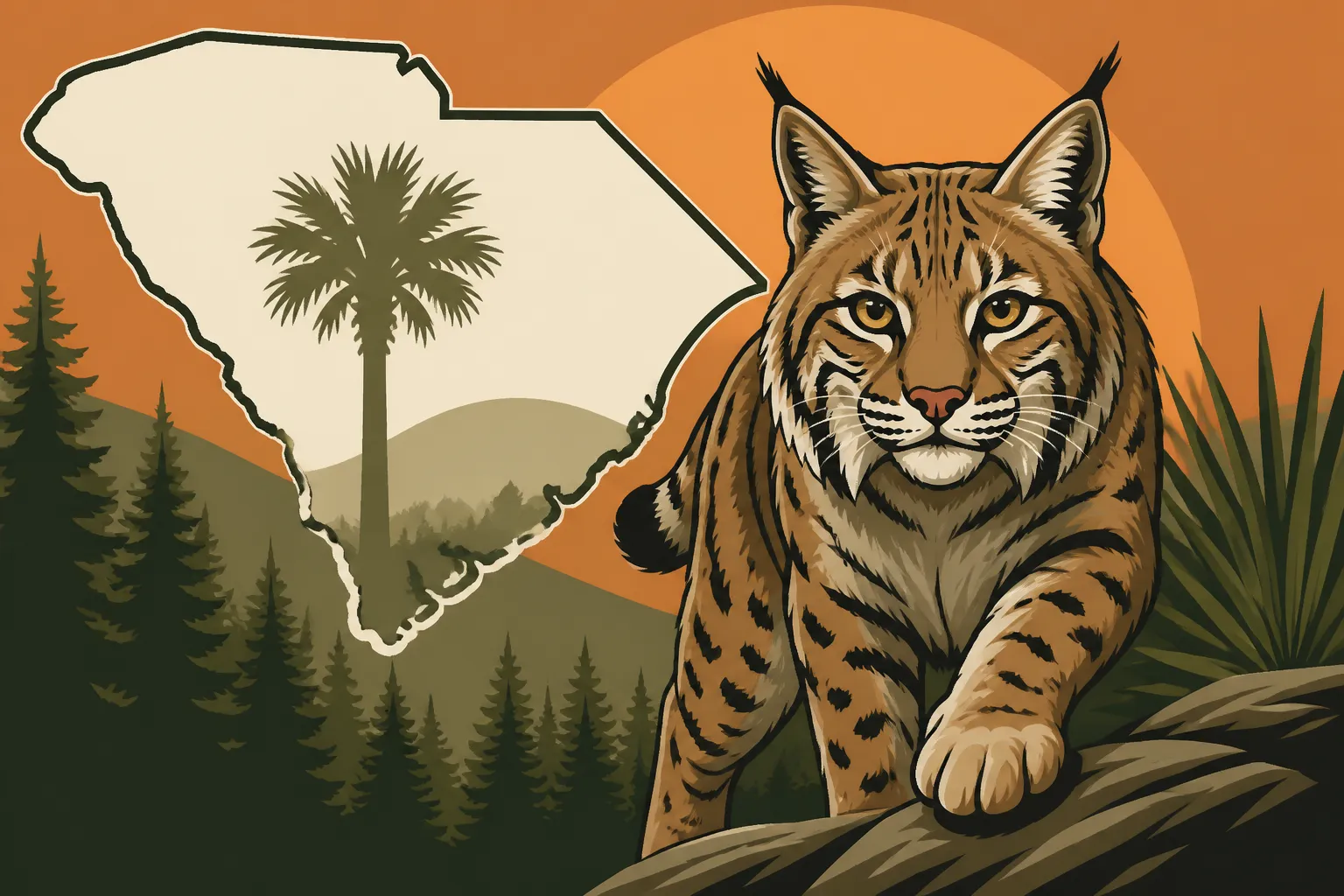
For a long time, the thought of seeing a bobcat in the wild felt like a stroke of rare luck, almost mythical. These elusive felines, with their tufted ears and short, "bobbed" tails, have always been part of the South Carolina landscape, but their numbers faced challenges in previous decades, leading to concerns about their populations. Habitat loss, changing land use practices, and historical hunting and trapping pressures all contributed to periods where bobcats were less common than they are today. There was a time when encountering one felt truly exceptional.
Thankfully, focused conservation efforts, coupled with natural resilience, have really turned the tide for bobcats in our state. Regulations around furbearer seasons, like the South Carolina raccoon and bobcat trapping season, have played a role in ensuring sustainable populations. Beyond that, a greater understanding of wildlife management and the importance of healthy ecosystems has helped create environments where these adaptable predators can thrive once more. It’s a testament to the wild’s ability to rebound when given a chance.
Historical Decline and Conservation Efforts
If you've been exploring the South Carolina woods for decades, you might remember a time when bobcat sightings were far less frequent. Their historical decline wasn't a sudden crash but a gradual erosion, largely driven by human expansion and changing land use. As forests were cleared for agriculture or development, and as unregulated hunting and trapping were more prevalent, the bobcat's natural habitat shrunk and their numbers dwindled. They needed dense cover and a healthy prey base, both of which became scarcer in many areas.
However, over the last few decades, the tide began to turn. Conservation initiatives, often led by groups and state agencies, focused on habitat preservation and management. Establishing and maintaining large tracts of Public Hunting Land in South Carolina, including vast national forests and numerous South Carolina Wildlife Management Areas, provided crucial refuges. Additionally, modern furbearer management practices, which include regulated trapping seasons and careful monitoring of populations, ensured that harvest levels were sustainable, allowing their numbers to grow without undue pressure.
Key Factors Driving Their Recovery
The comeback of the bobcat isn't just a happy accident; it's a result of several interconnected factors creating a more favorable environment. One of the biggest drivers has been the reforestation and maturation of timberlands across many parts of the state. As old fields reverted to forest and managed timber tracts grew denser, they created the perfect mosaic of cover and open hunting ground that bobcats adore. This isn't just untouched wilderness either; even well-managed pine plantations, when coupled with hardwood drains, offer excellent bobcat habitat.
Another crucial factor is the health of the bobcat's prey base. Their diet consists primarily of small mammals like rabbits and rodents, and an increase in these South Carolina Squirrel and Rabbit Populations provides ample food. Deer fawns can also be an opportunistic food source, and South Carolina's robust deer herd indirectly supports bobcat populations. Furthermore, the adaptability of bobcats allows them to utilize various habitats, from dense swamps to mountainous forests, and even the fringes of agricultural areas, finding niches where they can thrive, often surprisingly close to human activity without being detected. Their secretive nature is a huge asset in this regard.
Prime Regions for Encountering Rebounding Bobcats
It's exciting to know that bobcats are doing well, but the real question is, "Where specifically can I find them?" While they can technically be found statewide, some regions offer a higher probability of encountering these beautiful cats due to specific habitat characteristics. It's not always about sheer numbers, but about the quality of the habitat and the cover it provides, allowing them to remain out of sight while still thriving. Think about where you'd hide if you were a small, stealthy hunter – that's where the bobcats are.
Upstate Mountainous and Foothill Areas
When you picture the Upstate, you probably think of the stunning Blue Ridge Mountains and their foothills. This region is a stronghold for bobcats, offering everything they need to thrive. The dense, mixed hardwood and pine forests, rugged terrain, and numerous creeks and hollows create ideal hunting grounds and secure denning sites. Areas like the Andrew Pickens Ranger District within Sumter National Forest Hunting are prime examples, with vast expanses of wild land where bobcats can roam undisturbed.
The topography itself provides natural advantages. Steep ridges and deep ravines offer a patchwork of habitat, from higher elevation oak forests to dense rhododendron thickets along stream beds. This diverse landscape supports a rich variety of prey animals, from squirrels and rabbits to various small rodents, ensuring a consistent food supply for the bobcats. If you're Hunting Upstate South Carolina, especially in the more remote sections, keep an eye out for their distinctive tracks in muddy creek bottoms or along logging roads – a sure sign they're actively using the area.
Coastal Plain and Lowcountry Swamps
Shifting gears entirely, the Lowcountry and Coastal Plain present a completely different, yet equally productive, environment for bobcats. Here, the landscape is defined by vast tracts of bottomland hardwoods, cypress-tupelo swamps, and extensive pine forests often interspersed with agricultural fields. Places like Francis Marion National Forest Hunting or many of the coastal South Carolina Wildlife Management Areas are classic bobcat territory. These areas offer incredible cover and a year-round abundance of prey.
The dense undergrowth, particularly in floodplains and swamp edges, provides excellent ambush cover for a predator like the bobcat. They are incredibly adept at navigating wet environments, and these areas teem with rabbits, marsh rats, and various birds, making for rich hunting grounds. The intricate network of small islands, hummocks, and high ground within these swamps also offers ideal denning sites, safe from seasonal flooding. If you're Hunting the South Carolina Lowcountry, especially along the fringes of these wetlands, you might be surprised by the sheer density of bobcat sign if you know what to look for.
Midlands and Sandhills Transitions
Don't overlook the middle ground – the Midlands and Sandhills regions also boast significant bobcat populations, often in less obvious ways. These areas represent a transition zone, blending characteristics of both the mountains and the coast. You'll find extensive pine forests, particularly longleaf pine savannas in the Sandhills, which are managed with prescribed burns, creating open understories interspersed with dense thickets. This "edge" habitat is highly attractive to bobcats.
The mixed woodlands, agricultural interfaces, and river drainages in the Midlands offer a mosaic of cover and food sources. Bobcats utilize the mature timber for denning and security, while hunting the edges of fields and younger pine stands where small game thrives. The key here is habitat diversity. Many private land holdings in these areas, even smaller parcels, can hold bobcats if they have a mix of dense cover, water, and an ample prey base. Their adaptability allows them to find a home in various landscapes, often utilizing creek bottoms and mature timber blocks as corridors between more open areas.
How to Spot a Bobcat: Signs and Strategies
Spotting a bobcat in the wild is a truly special experience, but it requires patience and a keen eye. These animals are incredibly secretive and mostly crepuscular or nocturnal, meaning they are most active at dawn, dusk, and throughout the night. You're far more likely to find signs of their presence than to actually see one directly, but knowing what to look for significantly increases your odds. It's all about understanding their habits and where they leave their calling cards.
Recognizing Bobcat Sign
The first step in finding bobcats is learning to read the "newspapers" of the forest – their tracks and scat. Bobcat tracks are typically rounder than a dog's, showing four toes with no claw marks (their claws are retractable, like a house cat's). You might notice the leading toe print appearing slightly ahead of the others. Look for these prints along muddy creek banks, sandy logging roads, or in soft snow if we ever get it. A good mapping app like GoHunt can help you identify these travel corridors.
Their scat, or droppings, can also be a giveaway. It's often segmented, about 0.5 to 1 inch in diameter, and can contain hair, bone fragments, or even feathers from their prey. These are usually found in prominent locations, like on logs or rocks, as a way to mark their territory. Beyond tracks and scat, keep an eye out for kill sites – piles of feathers or fur, especially from rabbits or small rodents. Occasionally, you might even find scratch marks on trees, similar to a domestic cat but larger, indicating they’ve been sharpening their claws or marking territory.
Best Times and Methods for Observation
As mentioned, dawn and dusk are your golden hours for potential bobcat sightings. During these low-light periods, they are most active, hunting for their next meal or moving between bedding and hunting areas. Setting up in a quiet location with a good view of a field edge, a logging road intersection, or a transition zone between dense cover and more open woods can be very productive. Patience is key – bring a thermos of coffee and be prepared to sit still for extended periods.
For those serious about monitoring wildlife, Trail Cameras on South Carolina Public Land are invaluable tools. Position cameras along game trails, creek crossings, or near potential kill sites. The best strategy is to set multiple cameras across a suspected bobcat territory to increase your chances of capturing their movements. Many hunters use sophisticated scouting tools, and while apps like GoHunt are fantastic for mapping and understanding terrain, they also help you pinpoint likely areas to deploy your trail cameras, maximizing their effectiveness in identifying these elusive predators without disturbing them.
Coexisting with Bobcats and Ethical Practices
Knowing that bobcats are making a strong comeback is fantastic news for the health of our state's ecosystems. They play a vital role as apex predators in their niche, helping to control populations of rodents, rabbits, and even deterring the spread of other mesopredators like coyotes in some areas. Our responsibility as outdoors enthusiasts and landowners is to understand their behavior and practice ethical coexistence, ensuring their continued success.
Understanding Bobcat Behavior
Bobcats are inherently shy and reclusive animals. Despite their predatory nature, they generally avoid human contact, making direct sightings rare. They are incredibly adept at moving through cover undetected, and even if you're in an area with a healthy bobcat population, you might never know it without actively looking for their signs. Their hunting style is typically one of stealth and ambush; they'll stalk their prey before a quick pounce. They are also known to be territorial, marking their range with scent and visual cues.
It's important to remember that a bobcat's presence is a sign of a healthy ecosystem. They're not generally a threat to humans, and conflicts are extremely rare. They prefer to eat wild prey and are not typically attracted to human residences unless there's an unusually easy food source, like unsupervised outdoor pets or readily available garbage. Understanding their natural behavior helps us appreciate their role and minimize any potential for misunderstanding their intentions.
Minimizing Conflicts and Supporting Their Presence
For most people, minimizing conflicts with bobcats means simply leaving them alone and appreciating them from afar. If you live in an area where bobcats are present, a few simple precautions can help ensure peaceful coexistence. Keeping pets, especially small ones, supervised when outdoors, particularly at dawn and dusk, can prevent accidental encounters. Securing garbage and compost, and avoiding leaving pet food outside, can also deter them from becoming too comfortable near homes.
Beyond avoidance, we can actively support bobcat populations by advocating for and supporting habitat preservation. This means valuing large tracts of undisturbed forest, promoting responsible land management practices that include diverse cover and prey habitat, and supporting conservation efforts that protect vital corridors. Learning about local wildlife and sharing that knowledge with others helps foster a broader appreciation for predators like the bobcat, ensuring that their comeback continues to be a success story for South Carolina.
| Region | Typical Habitat | Primary Prey | Likelihood of Encountering Sign |
|---|---|---|---|
| Upstate Mountains | Dense mixed hardwoods, steep terrain, rocky outcrops | Rodents, rabbits, birds, some deer fawns | High |
| Coastal Plain | Cypress-tupelo swamps, pine forests, agricultural edges | Rabbits, marsh rats, waterfowl, small mammals | High |
| Midlands/Sandhills | Pine savannas, mixed woodlands, river bottoms, field fringes | Rabbits, squirrels, rodents, birds | Medium-High |
Disclaimer
This article is for general informational purposes only and does not constitute professional advice. Laws, prices and regulations vary by location and change over time. Consult a qualified professional for guidance on your specific situation.