Crop Damage Hogs Cause in South Carolina
If you're a farmer in South Carolina, or even just a backyard gardener with a keen eye on the local wildlife, you know the frustration. The endless battle against feral hogs isn't just a nuisance; it's a destructive force that can wipe out entire crop yields, devastate pastures, and leave behind a trail of costly damage. This comprehensive guide will delve deep into the specific ways these intelligent, prolific invaders wreak havoc on South Carolina's agricultural landscape, and explore the efforts to curb their devastating impact.
The Relentless Scourge: Understanding Feral Hog Crop Damage in South Carolina
There’s a reason you hear so many exasperated sighs when the topic of feral hogs comes up in South Carolina. These aren't just nuisance animals; they are an ecological and agricultural catastrophe in the making, constantly expanding their range and deepening their destructive footprint. For farmers, particularly those in the fertile Lowcountry or the rich Pee Dee region, waking up to a field ravaged overnight by a sounder of hogs is a sickeningly familiar experience, one that hits hard on the bottom line.
Widespread Problem Across the Palmetto State
It's easy to think of feral hogs as a localized problem, perhaps restricted to dense swamps or remote bottomlands. However, the reality in South Carolina is far grimmer. These animals are incredibly adaptable, thriving in everything from coastal marshes to the foothills of the Upstate. No corner of the state is truly safe from their presence, and their numbers continue to climb, fueled by their incredible reproductive rates. Studies and observations show that the problem isn't just persistent; it's growing, putting increasing pressure on every agricultural enterprise.
Farmers across different counties often share similar stories of destruction, illustrating just how pervasive the issue has become. Whether it’s a cornfield in Sumter County, a soybean patch near Aiken, or a peanut farm in the Pee Dee, the damage manifests in similar, heartbreaking ways. The sheer density of these animals, especially in certain hotspots, means that even vigilant landowners can struggle to keep them at bay. The question isn't if you'll see hog damage, but when and how bad.
The Unseen Costs to Farmers
The most obvious cost of feral hog activity is the direct loss of crops, but that’s just the tip of the iceberg. Farmers face a multitude of other expenses that can quickly add up, turning a potentially profitable season into a financial disaster. These unseen costs include the time and labor spent attempting to mitigate the damage, such as replanting sections of fields or repairing fences that hogs have torn down. It’s an ongoing, exhausting battle.
Consider the mental toll as well. The constant threat of damage creates immense stress for farmers who pour their lives into their land. The unpredictability of feral hog movements means that even with the best efforts, there’s no guarantee a crop will make it to harvest unscathed. This uncertainty makes financial planning difficult and adds an emotional burden to an already demanding profession. It’s a battle fought not just in the fields, but in the minds of those who depend on them.
How Hogs Devastate Agricultural Fields
Feral hogs aren't selective in their destruction; they are opportunistic omnivores with a voracious appetite and a powerful snout. Their methods of inflicting damage are varied, but all lead to the same outcome: significant losses for farmers. Understanding the different ways they destroy crops is key to developing effective mitigation strategies.
Rooting and Tilling: The Prime Offenders
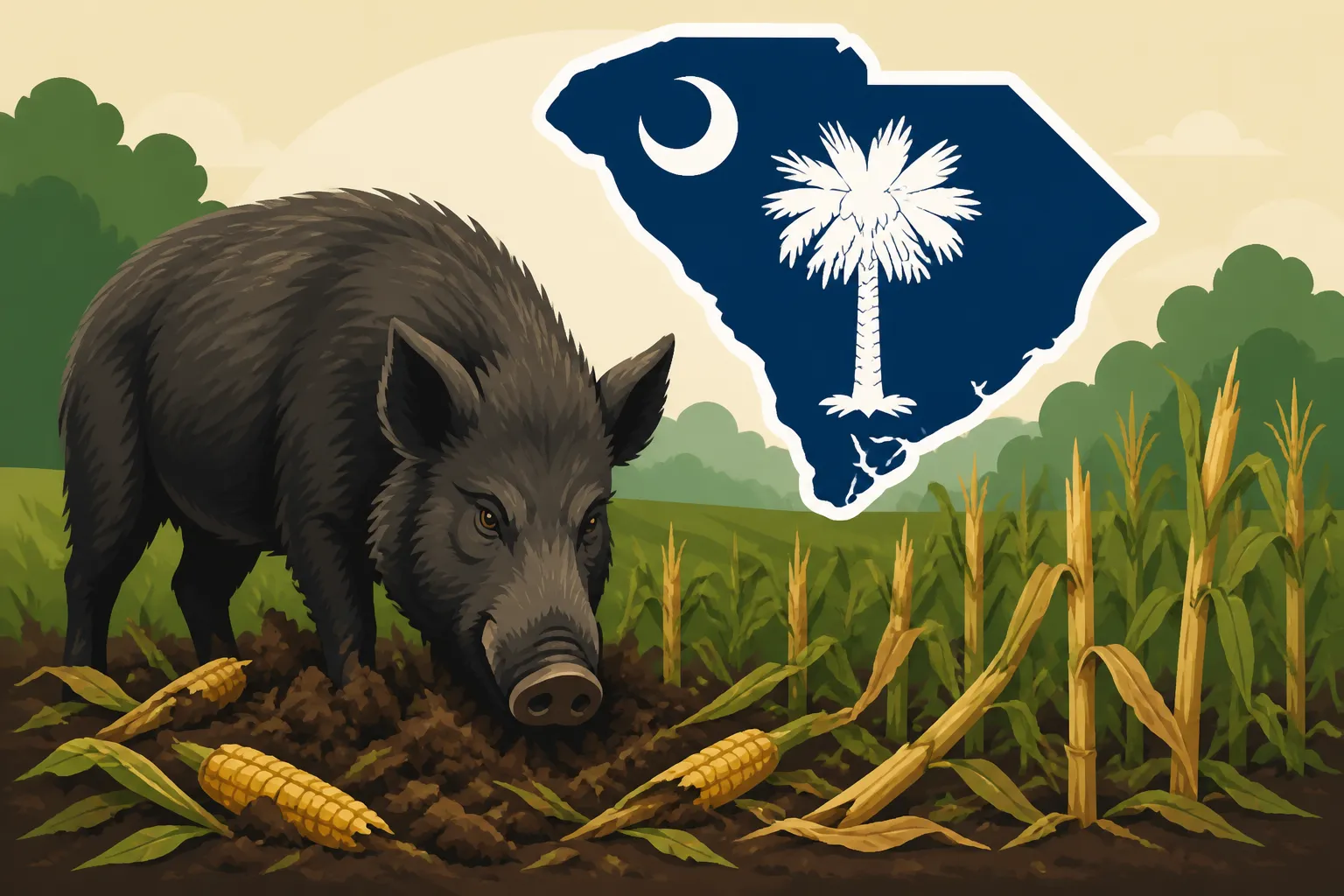
The most iconic and visually striking form of damage caused by feral hogs is rooting. With their powerful snouts and strong neck muscles, they literally "plow" through soil in search of tubers, roots, grubs, and other buried delicacies. This isn't just a shallow disturbance; they can dig several inches deep, turning over vast sections of a field in a single night. This aggressive rooting behavior destroys young plants, unearths seeds, and completely disrupts the soil structure.
For crops like corn, soybeans, or peanuts, which rely on undisturbed root systems and carefully planted rows, rooting is catastrophic. A field that was perfectly cultivated and growing strong one evening can be transformed into a war zone by morning, with plants uprooted, rows obliterated, and the ground left looking like it’s been rototilled. This doesn't just damage the immediate plants; it leaves the soil vulnerable to erosion and makes future cultivation more challenging, sometimes requiring entire sections to be replanted.
Grazing and Trampling: Eating and Destroying
While rooting gets most of the attention, feral hogs are also voracious grazers. They will eat almost any cultivated crop, from tender young shoots to mature grains. Corn, soybeans, wheat, oats, peanuts, sweet potatoes, and even vegetables like tomatoes and watermelons are all on their menu. They're not polite eaters; they often take a bite out of several plants before moving on, ruining more than they consume.
Beyond direct consumption, the sheer weight and chaotic movement of a sounder of hogs can flatten and trample large areas of crops. Imagine a dozen or more animals, weighing anywhere from 50 to 300 pounds each, running through a field. The damage from their hooves alone can be immense, especially in dense crops like mature corn where stalks are easily broken. This trampling reduces yield dramatically, making harvesting difficult and inefficient, as downed plants often can't be picked up by machinery.
Contamination and Disease Spread
The damage isn't just physical. Feral hogs are notorious carriers of diseases that can be transmitted to livestock and even humans. Their presence in agricultural fields means they defecate and urinate directly onto crops, contaminating them with bacteria like E. coli and Salmonella. For crops destined for human consumption, this can render them unsalable or require extensive and costly sanitation measures. This is a critical concern for food safety, especially for produce that is eaten raw.
Beyond bacterial contamination, these animals can spread more serious diseases to domestic livestock. Swine brucellosis and pseudorabies are just two examples of highly contagious diseases that can devastate commercial hog operations. While South Carolina has strict measures to maintain a disease-free status for its domestic swine, the wild population acts as a reservoir, posing a constant threat. Farmers must remain vigilant about hog activity near their pastures and barns to protect their investments.
The Deep Financial Scar on South Carolina Farmers
The cumulative effect of feral hog damage translates directly into significant financial losses for South Carolina's agricultural community. It's not merely a matter of lost produce; it impacts the entire operational structure of a farm, from planting to market. Many farmers have had to completely re-evaluate their business models due to the relentless pressure from these animals.
Direct Crop Loss: Vanishing Yields
The most immediate and heartbreaking impact for farmers is the direct reduction in harvestable yield. When hogs root through a field, trample plants, or consume ripening crops, that’s yield that will never make it to the market. For a corn farmer, a significant portion of their crop might be lost before it's even mature. Sweet potato growers can find their underground bounty completely dug up and eaten. This direct loss of product translates to a direct loss of income.
Consider a typical acre of soybeans, meticulously planted and nurtured. If a sounder of hogs moves through it just before harvest, they can easily destroy 20-30% of the plants, if not more, either by eating the beans directly or by flattening the stalks so they can’t be picked up by a combine. This percentage often means the difference between a profitable year and one where the farmer is barely breaking even, or even operating at a loss. It's a cruel game of chance with their livelihood on the line.
Repair and Replanting Expenses
The destruction left by feral hogs often necessitates costly repairs and even replanting efforts. Fences, designed to keep out deer or protect livestock, are no match for a determined hog, which can simply push through or dig under them, requiring farmers to spend valuable time and money on repairs. After a rooting incident, fields may need to be re-tilled and replanted, incurring additional costs for seed, fertilizer, fuel, and labor.
Imagine a farmer who has just invested thousands of dollars in planting a field of organic vegetables. A single night of hog activity can obliterate a substantial portion, forcing them to either abandon that section of the crop or re-invest in replanting. This isn't just money; it's also time, which is a critical, often non-recoverable resource in farming. The growing season waits for no one, and these delays can push planting dates past optimal windows, leading to further reduced yields, even if replanting is successful.
Impact on Market Value and Crop Rotation
Even if a crop survives a hog encounter, its market value can be diminished. Contamination or partial damage might make it unsellable to certain buyers, or force the farmer to sell at a reduced price. Furthermore, the constant threat of hog damage can influence a farmer's decisions on crop rotation and what they choose to plant. They might opt for less profitable crops that are less appealing to hogs, or crops that are more resilient to damage, even if it means sacrificing higher potential earnings.
This can drastically alter a farm's long-term sustainability and profitability. Farmers may avoid planting high-value specialty crops that are particularly vulnerable, essentially limiting their income potential. The constant need to consider "hog-proofing" their fields when planning future harvests is a burden unique to areas with high feral hog populations. It's a strategic concession forced upon them by these invasive animals, twisting agricultural practices away from optimal output.
Beyond the Fields: Broader Environmental and Infrastructural Damage
While crop damage is the most direct and visible impact, the destructive tendencies of feral hogs extend far beyond agricultural fields, impacting critical infrastructure and natural ecosystems. These broader consequences highlight the systemic threat these animals pose to South Carolina’s rural landscape and environment.
Damage to Irrigation Systems and Fencing
Feral hogs are not just interested in what's in the soil; their rooting behavior often damages what's under it. Irrigation lines, critical for watering crops in drier periods or for specific agricultural practices, are frequently ruptured or dislodged by hogs digging in fields. This can lead to significant water loss, damage to pumps, and the expensive, time-consuming task of locating and repairing underground pipes.
Similarly, even robust fencing, whether for livestock or property boundaries, is constantly challenged. Hogs will push against fences, dig underneath them, or even run straight through weaker sections. This leads to increased maintenance costs, constant vigilance, and the potential for livestock to escape or other unwanted animals to enter. A sturdy fence is essential for many farm operations, and hogs undermine this basic necessity, turning once-secure perimeters into porous boundaries.
Erosion and Water Quality Issues
The extensive rooting and soil disturbance caused by feral hogs have serious environmental repercussions, particularly concerning soil erosion and water quality. When hogs tear up ground, they leave it loose and exposed, making it highly susceptible to wind and water erosion. This is especially problematic on sloped terrain or near waterways, where valuable topsoil can be washed away during heavy rains, ultimately reducing soil fertility and productivity.
The runoff from hog-damaged fields often carries sediment, nutrients, and even fecal matter directly into nearby streams, rivers, and ponds. This leads to increased turbidity, nutrient pollution, and the introduction of harmful bacteria, degrading water quality for both human and wildlife use. This pollution can impact local aquatic ecosystems, affecting fish and other wildlife, and can even contribute to larger environmental problems like harmful algal blooms in downstream bodies of water.
Threat to Native Wildlife and Habitats
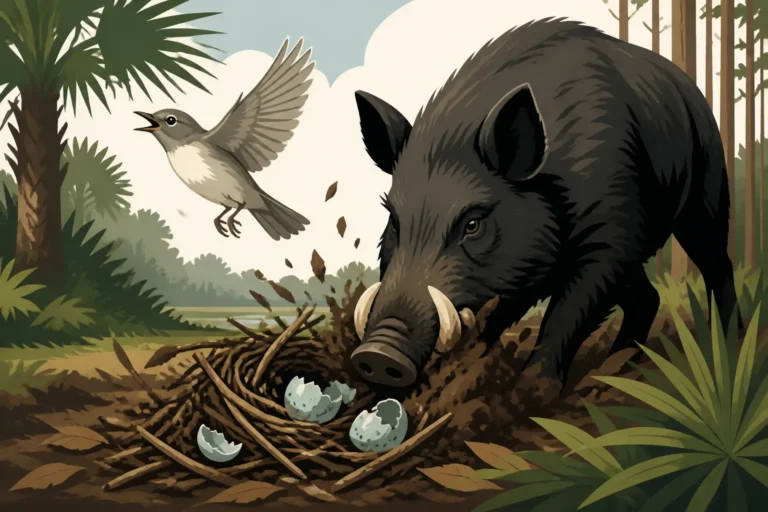
The ecological impact of feral hogs extends beyond farm fields, posing a significant threat to South Carolina's native wildlife and their habitats. By competing for food sources like acorns and other mast crops, hogs can reduce the availability of critical nutrition for deer, turkey, squirrels, and other game species. They are also known predators of ground-nesting birds, like wild turkeys and quail, actively seeking out and destroying nests and consuming eggs and poults. This predation can severely impact reproduction rates and overall population health of native species.
Their relentless rooting also destroys sensitive natural habitats, including wetlands and unique plant communities. They can uproot rare native plants and alter the composition of forest floors, fundamentally changing the ecosystem. This habitat destruction, combined with competition for resources and direct predation, creates a compounding effect that can lead to declines in native wildlife populations, further disrupting the delicate ecological balance of the Palmetto State. It’s a silent, ongoing crisis that often goes unnoticed by those who aren't deeply attuned to the natural world.
Practical Strategies for Mitigation and Control
Given the severe impact of feral hogs, implementing effective mitigation and control strategies is not just advisable; it's absolutely essential for farmers and landowners in South Carolina. There's no single silver bullet, but a combination of methods, often sustained over time, can help manage these destructive animals.
Fencing and Exclusion: A Proactive Defense
One of the most effective ways to protect specific high-value areas, like gardens or small crop fields, is through exclusionary fencing. While costly to install, sturdy fences can be a long-term solution. Electric fences, particularly those with multiple strands and a strong charger, are often recommended because hogs are sensitive to electric shocks and will learn to avoid them. The bottom wire needs to be very low to the ground, as hogs will try to push under, and it's best to keep the fence hot all year.
For larger fields, the cost and practicality of fencing can become prohibitive. However, strategic placement of electric fencing around particularly vulnerable sections or along known hog travel corridors can still be beneficial. Regular maintenance is crucial to ensure fences remain effective, as hogs are persistent and will exploit any weak point. Farmers using a tool like GoHunt might map out these corridors to inform optimal fence placement, making their investment as effective as possible.
Hunting as a Management Tool
Hunting, while not a standalone solution for complete eradication, plays a vital role in reducing feral hog populations and scattering sounders, thereby mitigating damage. South Carolina has a year-round, no-limit season for hunting feral hogs on private land, recognizing the severity of the problem. Landowners and hunters can participate in various hunting methods, including still-hunting, stalking, and even organized hunts.
For those interested in actively managing hog populations on their property, knowing the rules for South Carolina's Year-Round Hog Rule on Private Land is crucial. This liberal season allows continuous pressure to be applied, which is necessary given their rapid reproduction rates. Whether you're Night Hunting Hogs With Lights on Private Land or Running Dogs on South Carolina Feral Hogs, consistent effort is what makes hunting a valuable part of the control strategy. It's a way for landowners to directly engage with the problem and reduce immediate threats to their crops.
Targeted Trapping Operations
Trapping is widely considered the most effective method for significantly reducing feral hog populations, especially when aiming to remove entire sounders. Modern hog traps, often large corral-style designs with smart triggers (like those activated by cell phone or remotely), allow for the capture of multiple animals at once. The key to successful trapping lies in pre-baiting, which involves habituating hogs to a specific feeding site within the trap for several days or weeks before setting it to trip. This ensures that an entire sounder enters the trap, maximizing removal efforts.
Knowing the best practices for Trapping South Carolina Feral Hogs is essential for success. Setting up traps in high-traffic areas, monitoring them frequently, and using attractive bait (like soured corn) are all critical components. While initial investment in good trapping equipment can be substantial, the long-term effectiveness in removing dozens of hogs at a time often makes it a worthwhile expense. Many farmers collaborate with professional trappers or local wildlife management services to conduct these operations, recognizing the expertise required for optimal results.
South Carolina's Coordinated Approach to Feral Hog Management
The sheer scale of the feral hog problem in South Carolina demands a comprehensive, multi-faceted approach that involves state agencies, landowners, and the hunting community. It's a collaborative effort to protect agriculture and natural resources from these destructive invaders. Understanding the regulatory framework and available support is crucial for anyone battling these animals.
State Regulations and Assistance Programs
The South Carolina Department of Natural Resources (SCDNR) plays a pivotal role in managing feral hog populations, recognizing them as an invasive species. The state has implemented very liberal hunting regulations, including a continuous open season on private lands with no bag limits, to encourage their removal. For public lands, specific WMA rules apply, which hunters should always check. These regulations are detailed and accessible, aiming to empower landowners to take action without unnecessary bureaucratic hurdles. You can find comprehensive information on South Carolina Feral Hog Regulations through the SCDNR's online resources.
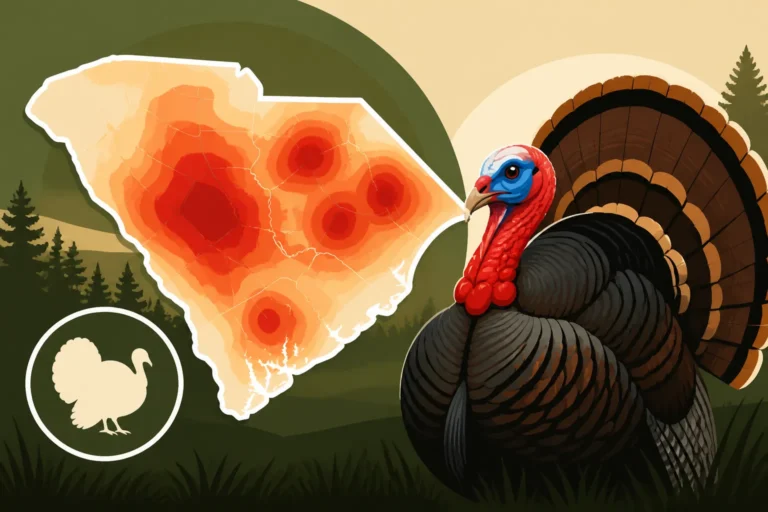
Beyond regulations, the SCDNR, often in partnership with other agencies like Clemson Extension, provides educational resources and technical assistance to landowners. This might include workshops on effective trapping techniques, guidance on constructing efficient fences, or advice on the best methods for carcass disposal. They also monitor the spread of these animals and their impact, using data to inform future management strategies and potentially identify areas needing increased focus, such as Which South Carolina Counties Have the Most Hogs.
The Role of Local Communities and Collaboration
Addressing the pervasive issue of feral hogs effectively often requires more than individual landowner efforts; it necessitates community-wide collaboration. When neighbors work together to implement control measures across adjacent properties, the impact is far greater than isolated actions. Hogs often move between properties, so a coordinated effort can prevent them from simply shifting their destructive activities from one farm to another. This could involve sharing information about hog movements, coordinating hunting or trapping efforts, or pooling resources for equipment.
Local conservation districts, hunting clubs, and agricultural associations often facilitate these community-level initiatives. They can serve as hubs for sharing best practices, organizing group hunts or trapping events, and even helping to disseminate information from state agencies. For instance, understanding How Wild Hogs Spread Across South Carolina can help communities identify common pathways and develop synchronized strategies. This collective action is incredibly powerful, transforming isolated battles into a unified front against a common, resilient enemy.
Disclaimer
The information provided in this guide is for general informational purposes only and does not constitute legal advice. Hunting regulations and agricultural best practices can change. Always consult the most current South Carolina Department of Natural Resources (SCDNR) regulations and local authorities before engaging in any hunting activities or implementing any pest control measures. Safety should always be your top priority.