How South Carolina Guards Against CWD
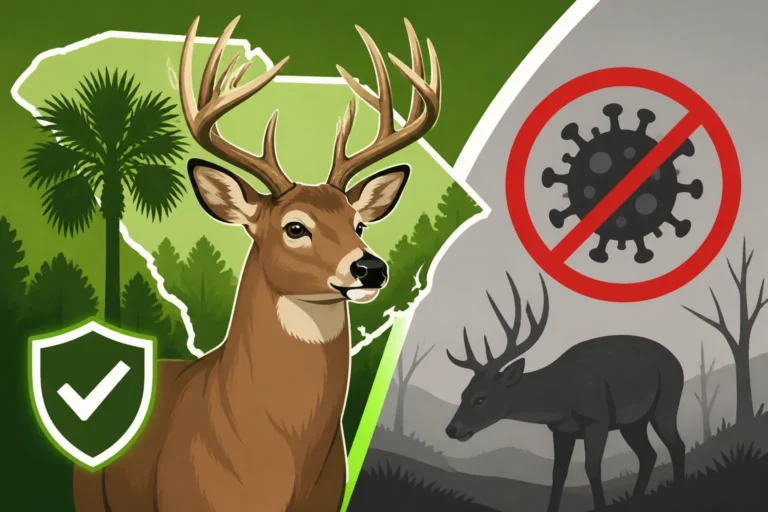
The thought of Chronic Wasting Disease (CWD) is enough to send a shiver down any deer hunter's spine. We spend countless hours scouting, preparing, and pursuing whitetails across our beautiful state, and the idea of this devastating, incurable neurological disease taking hold of our herd is a nightmare we all desperately want to avoid. It’s a genuine concern, especially seeing the impact it's had in other states, and you’re right to wonder what exactly South Carolina is doing to protect our deer. This guide is going to walk you through the comprehensive, multi-faceted approach the South Carolina Department of Natural Resources (SCDNR) takes to guard our state against CWD and keep our whitetails healthy and thriving for generations to come.
Understanding Chronic Wasting Disease (CWD)
Before we dive into South Carolina’s specific safeguards, let’s get a good handle on what CWD actually is and why it poses such a significant threat to our deer populations. It’s not just another deer disease; it's a game-changer wherever it appears.
What CWD Is and Why It's a Threat
Chronic Wasting Disease is a transmissible spongiform encephalopathy (TSE), a fancy scientific term for a prion disease that affects the brain and nervous system of cervids – that's deer, elk, moose, and reindeer. Unlike bacteria or viruses, prions aren't living organisms; they're misfolded proteins that cause normal proteins in the brain to misfold too. Imagine a tiny, rogue protein that starts corrupting all its neighbors. Over time, these corrupted proteins accumulate, creating microscopic holes in the brain tissue, giving it a sponge-like appearance under a microscope.
The terrifying part? CWD is always fatal. There is no cure, no vaccine, and once an animal contracts it, its fate is sealed. The disease has a long incubation period, often years, meaning an infected deer can appear perfectly healthy while silently spreading the disease to others and contaminating the environment. This insidious nature is precisely why it’s such a threat, and why every state, including South Carolina, takes its prevention so seriously. The long-term implications for our hunting heritage and the health of our wildlife are simply too great to ignore.
How CWD Spreads Among Deer
CWD is primarily spread through direct animal-to-animal contact, meaning deer interacting with each other in close proximity can transmit the prions. Think about deer licking the same mineral lick, sharing the same food source, or even just social grooming. The prions are shed in saliva, urine, and feces, essentially contaminating the environment. A deer might wander into an area where an infected deer once stood, ingest prions from the soil or vegetation, and become infected itself.
Environmental contamination is a huge concern because these prions are incredibly persistent. They can bind to soil and plants, remaining infectious for years, even decades, in the environment. This means that even if an infected deer is removed, the area it frequented can remain a source of infection for new deer. This environmental persistence is what makes CWD so difficult to eradicate once it establishes itself in a wild population. It’s not just about stopping deer from touching each other; it’s about preventing the invisible spread through the landscape itself.
The Devastating Impact on Deer Populations
Once CWD takes hold in a deer population, the consequences are grim. Infected deer gradually waste away – hence "wasting disease." They might exhibit a range of neurological symptoms: staggering, excessive drooling, extreme weight loss, listlessness, and a general lack of fear of humans. These symptoms worsen over time, eventually leading to death. It’s a slow, agonizing process for the animal.
Beyond the individual suffering, the disease can decimate entire herds. In areas with high CWD prevalence, scientists have observed significant declines in deer numbers, altered herd demographics, and a reduction in the overall health and vigor of the remaining animals. Imagine hunting your favorite piece of public land or private timber, only to find a noticeable absence of deer, or worse, seeing animals that are clearly sick and suffering. This isn't just a blow to hunting opportunities; it's an ecological tragedy that fundamentally alters the wildlife landscape. South Carolina’s proactive approach, therefore, isn't just about deer; it's about protecting the very fabric of our outdoor heritage.
Proactive Measures: South Carolina's Import Restrictions
One of the most effective ways to keep CWD out of a state is to control what comes in. South Carolina has implemented strict rules regarding the importation of deer carcasses and parts, and for good reason. It’s a common-sense measure that acts as a crucial first line of defense.
Why Carcass Importation is the Biggest Risk
When CWD has appeared in new areas, a common pathway has been through the movement of infected deer carcasses or parts by hunters. Imagine a hunter from a CWD-positive state taking a deer, processing it there, and then bringing parts like the brain, spinal cord, or even bone-in meat back to South Carolina. Even if they don't know the deer was infected, they could be inadvertently introducing prions into our environment. This can happen through improper disposal of waste, or even just leaving contaminated blood or tissue behind.
Taxidermy and meat processing facilities are also potential vectors. If an infected skull or hide comes into a South Carolina taxidermy shop, for example, and isn't handled according to strict protocols, prions could contaminate the facility. The risk is significant because the prions are most concentrated in the brain, spinal cord, lymph nodes, and spleen. These are often the very parts that are left behind or processed near where the animal was harvested. Recognizing this, SCDNR has taken a firm stance to minimize this pathway, understanding that a simple mistake could have dire consequences.
Specific Rules for Importing Deer Carcasses
To prevent this critical pathway, South Carolina has clear and enforceable regulations regarding which deer parts can and cannot be brought into the state. You absolutely cannot bring a whole deer carcass or any high-risk parts from a CWD-positive state, or even from a CWD-negative state whose regulations differ. The core principle is simple: bring in only the parts least likely to harbor prions.
Specifically, the following parts are generally allowed for importation:
- Deboned meat
- Clean skull plate with antlers (no brain tissue attached)
- Cleaned skull (no brain tissue)
- Antlers, clean hides, and teeth
- Finished taxidermy products
Conversely, the parts that are prohibited for import include:
- Whole carcasses
- Carcasses with the head and spinal column intact
- Brain, spinal cord, lymph nodes, and spleen
- Any tissue with these parts still attached
This applies whether you’ve been hunting in North Carolina, Georgia, or any other state. It's not about distrusting fellow hunters; it's about safeguarding our herd from a devastating disease that shows no mercy. To stay fully compliant and avoid any issues, it's always best to check the latest regulations on what you can and cannot bring into the state. We’ve covered this in more detail in our guide on Which Carcass Parts South Carolina Still Allows. This isn't just a suggestion; it's a critical legal and ethical requirement for all hunters entering South Carolina with deer products.
Restrictions on Importing Farmed Deer
Beyond wild deer, South Carolina also maintains stringent controls over the importation of captive cervids, or farmed deer. While many states have deer farms, the potential for disease transmission from captive populations to wild herds is a serious concern. Historically, CWD has been detected in captive cervid facilities in other states, sometimes before it's found in the wild population. These captive environments can sometimes facilitate disease spread due to higher animal densities and enclosed spaces.
South Carolina has chosen a very cautious approach here. Our state has strict regulations, including a general prohibition on the importation of live cervids from other states. This is a critical barrier designed to prevent CWD from entering through a source that is often difficult to monitor once an animal has been moved. It's a proactive step that recognizes the potential vulnerability that captive facilities can present, ensuring that South Carolina maintains its CWD-free status by controlling all potential entry points, not just those related to hunter harvest. This comprehensive strategy underlines SCDNR's commitment to protecting the state's wildlife resources.
Vigilant Surveillance: SCDNR's Testing Programs
Import restrictions are essential, but they're only one piece of the puzzle. Even with the best rules, the constant movement of wildlife and people means there's always a possibility of CWD entering the state. That's where South Carolina's robust surveillance and testing programs come in – they're our early warning system.
Statewide CWD Monitoring and Sampling Efforts
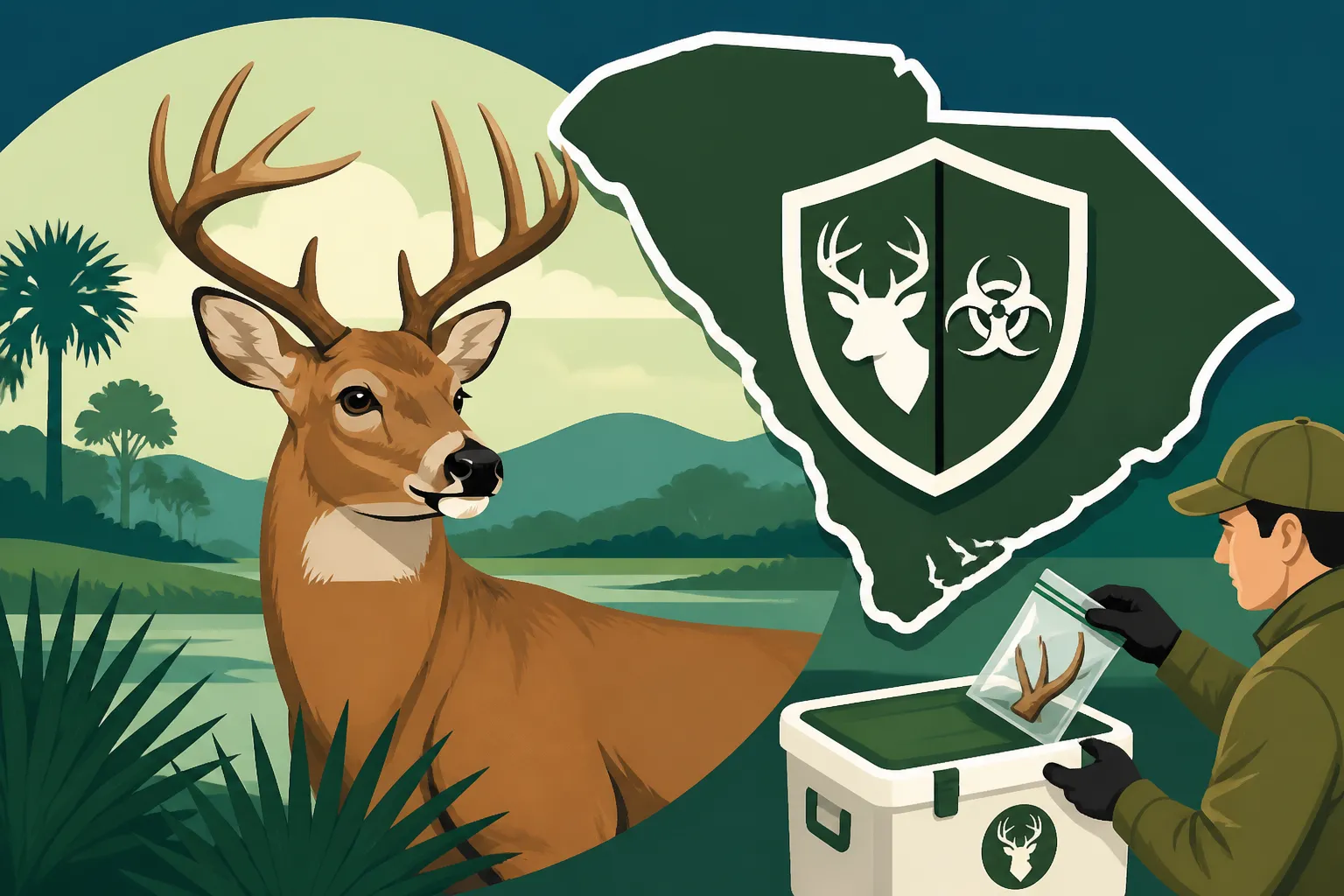
The SCDNR doesn’t just wait and hope; they actively monitor for CWD throughout the state. This involves a comprehensive sampling program focused on hunter-harvested deer, road-killed deer, and any deer exhibiting unusual or suspicious behavior. Each hunting season, SCDNR establishes CWD sampling stations at various locations across the state, often partnering with local taxidermists and meat processors. Hunters are encouraged, and sometimes required in specific situations, to bring their deer to these stations for tissue samples to be collected. This widespread sampling ensures that if CWD were to ever slip through the cracks, it would be detected as quickly as possible, allowing for rapid response.
These efforts are a partnership between hunters and the state. Your participation in bringing a deer to a sampling station, even when not explicitly required, contributes directly to the health of our herd. It’s a small amount of extra effort that yields immense benefits for wildlife conservation. While tools like GoHunt are fantastic for mapping and planning your hunt, the official SCDNR website is your go-to for locating these critical sampling stations and understanding their operating hours. You can find more specific details on South Carolina's CWD Surveillance Sampling if you want to know exactly what’s involved.
Hunter Participation in Reporting Sick Deer
Hunters are truly the eyes and ears of the woods. You spend more time observing deer in their natural habitats than almost anyone else, and your keen awareness is an invaluable asset in the fight against CWD. If you see a deer that appears sick, disoriented, excessively drooling, or exhibiting any other unusual behavior, it’s absolutely crucial that you report it to SCDNR. Don't assume someone else will. Your call could be the one that leads to an early detection and prevents a wider outbreak.
Reporting a sick deer isn't just a civic duty; it's a critical component of South Carolina's CWD prevention strategy. The SCDNR has protocols in place to investigate these reports, collect samples from suspect animals, and test them for CWD. Remember, early detection is paramount with CWD, so don't hesitate. We have a dedicated resource on Reporting a Sick Animal in South Carolina that details exactly who to contact and what information to provide. It's a simple act that can have profound consequences for the health of our deer population.
Analyzing Samples and Data Management
Once tissue samples are collected, they don’t just sit around. They are meticulously processed and sent to specialized laboratories for testing. The primary tests used, such as ELISA (Enzyme-Linked Immunosorbent Assay) and IHC (Immunohistochemistry), are highly accurate in detecting the presence of CWD prions. These tests are complex and require specialized equipment and expertise, which is why they are performed in accredited labs.
The data collected from these samples is then rigorously managed by SCDNR. Every sample, every result, contributes to a comprehensive picture of deer health across the state. This data allows wildlife biologists to track trends, identify potential areas of concern, and continuously refine their surveillance strategies. This ongoing, systematic analysis is How South Carolina Monitors for CWD Every Year to ensure that our state remains CWD-free, adapting to any new information or regional developments in the fight against this disease. It’s a scientific, data-driven approach that is constantly working behind the scenes to protect our cherished whitetails.
Promoting Best Practices for Hunters
Even with state-level regulations and surveillance, individual hunter actions play a massive role in maintaining South Carolina’s CWD-free status. Every hunter has a responsibility to understand and implement best practices, particularly when it comes to carcass handling and waste disposal.
Safe Carcass Handling in the Field
When you successfully harvest a deer, the way you handle the carcass can make a difference in CWD prevention. While CWD hasn't been detected in South Carolina, practicing safe field dressing techniques is a smart habit to adopt, especially if you've hunted in other states and then come back home. When field dressing, try to do so in an area that is away from water sources, feeding areas, or high-traffic game trails. The goal is to minimize the potential for prions, if they were present, from contaminating areas that other deer frequently use.
Consider using disposable gloves and thoroughly cleaning any knives or tools you use with a bleach solution (e.g., 50% bleach, 50% water) after field dressing. While it might seem like overkill given our CWD-free status, it's a good preventative measure that shows respect for the resource and helps ensure the continued health of the herd. These small, conscious efforts by each hunter collectively create a stronger defense against CWD.
Proper Disposal of Carcass Waste
One of the most critical aspects of preventing CWD spread is the proper disposal of carcass waste, particularly any high-risk parts like the brain, spinal cord, or lymph nodes (though remember, you shouldn't be bringing those into the state in the first place!). Even if you're processing a deer harvested within South Carolina, it's a good practice to dispose of all waste responsibly. Simply leaving gut piles or other remains exposed where scavengers can spread them or where other deer can access them is not ideal.
The best method for disposal is to double-bag all carcass waste, especially any bone or organ material, and place it in a municipal landfill. Landfills are designed to contain waste and prevent environmental contamination. If you're on private land, deep burial, away from water sources, can also be an option. The key is containment – don't leave potential prion-containing material lying around. By being diligent in your disposal methods, you're directly supporting SCDNR's efforts to keep South Carolina CWD-free and demonstrating your commitment to responsible hunting.
Understanding South Carolina's Regulations
The rules and regulations surrounding hunting in South Carolina, particularly concerning CWD, are not static. They can and do change based on new scientific information, outbreaks in neighboring states, or evolving best practices. It is every hunter's responsibility to stay informed and understand the current regulations before heading into the field. Assuming the rules are the same as last year, or as the state you just came from, can lead to unintentional violations and, more importantly, put our deer herd at risk.
The SCDNR website is your ultimate authority for the most up-to-date information. They clearly outline all import restrictions, reporting requirements, and any special instructions related to CWD. Make it a habit to review these guidelines annually. This includes understanding the general South Carolina Deer Reporting Requirements and any specific instructions related to CWD surveillance. Ignorance of the law is never an excuse, especially when the health of our precious wildlife is on the line.
Collaborating and Educating the Public
Keeping CWD out of South Carolina isn't solely the job of the SCDNR or individual hunters. It's a monumental task that requires broad collaboration, both regionally and within the state, along with continuous public education. It's a team effort with high stakes.
Interagency Partnerships and Regional Efforts
CWD doesn't respect state lines. An outbreak in North Carolina or Georgia could quickly become a South Carolina problem, and vice-versa. Recognizing this, SCDNR actively collaborates with wildlife agencies in neighboring states, particularly the North Carolina Wildlife Resources Commission and the Georgia Department of Natural Resources. These interagency partnerships are crucial for sharing information, coordinating surveillance efforts, and developing regional response plans. If CWD is detected close to our borders, this established communication network allows for rapid adjustments to regulations and increased vigilance in specific areas.
Beyond state lines, SCDNR also works with federal agencies like the U.S. Fish and Wildlife Service (USFWS) and the U.S. Department of Agriculture (USDA), which provide national expertise and resources in wildlife disease management. This multi-level approach, from local landowners to federal scientists, ensures that South Carolina benefits from a vast network of knowledge and resources dedicated to keeping CWD at bay. It’s comforting to know that our state isn’t fighting this battle alone, especially when we consider Which States Border South Carolina With CWD and the potential for disease movement across those boundaries.
Hunter Education and Awareness Campaigns
A well-informed public is one of South Carolina’s strongest defenses against CWD. SCDNR invests heavily in hunter education and awareness campaigns, recognizing that widespread understanding of the disease and its prevention is key. They host workshops, distribute informative brochures, publish articles, and maintain comprehensive sections on their website dedicated to CWD. These efforts aim to educate hunters, landowners, and the general public about what CWD is, why it's a threat, how it spreads, and what everyone can do to help prevent it.
These campaigns cover everything from import restrictions to proper carcass disposal and the importance of reporting sick animals. They empower you, the hunter, with the knowledge you need to be a responsible steward of our wildlife. Resources like the SCDNR website are invaluable for staying current. Many hunters also use digital platforms for planning and information gathering; while GoHunt is excellent for mapping and hunt strategy, it's always critical to cross-reference with official SCDNR sources for the most accurate and up-to-date regulatory information, especially regarding sensitive topics like CWD. By actively engaging with these educational resources, you become a critical part of the solution.
The Future of CWD Prevention in South Carolina
The fight against CWD is an ongoing one, and South Carolina is committed to staying at the forefront of prevention. This means continuously reviewing and adapting management strategies based on the latest scientific research and national trends. Scientists are always learning more about CWD – how it behaves, new detection methods, and better ways to contain it. SCDNR stays plugged into this research, ensuring that our state's protocols are always cutting-edge.
Ultimately, the future of CWD prevention in South Carolina rests on a foundation of collective responsibility. It's a partnership between the SCDNR, federal agencies, neighboring states, and every single hunter and outdoors enthusiast. Your vigilance, your adherence to regulations, your participation in surveillance, and your commitment to responsible practices are all vital. Together, we can ensure that South Carolina remains a place where wild deer thrive, and our rich hunting traditions continue unthreatened by this devastating disease.
Allowed vs. Prohibited Deer Carcass Parts for Importation
To help you quickly reference South Carolina's regulations when returning from an out-of-state hunt, here's a summary of what you can and cannot bring back. Remember, these rules are in place to protect our local deer herd from CWD.
| Permitted for Importation | Prohibited for Importation |
|---|---|
| Deboned meat | Whole carcasses (even if field dressed) |
| Clean skull plate with antlers (no brain tissue attached) | Carcasses with the head and spinal column intact |
| Cleaned skull (no brain tissue) | Brain tissue (even if removed from skull) |
| Antlers | Spinal cord |
| Clean hides (no visible tissue) | Lymph nodes |
| Teeth | Spleen |
| Finished taxidermy products | Any parts containing brain, spinal cord, lymph nodes, spleen |
Disclaimer
The information provided in this guide is intended for educational purposes and to offer a general understanding of South Carolina's CWD prevention efforts. Hunting regulations, including those related to CWD, can change. It is your responsibility to always consult the official South Carolina Department of Natural Resources (SCDNR) website and current hunting regulations before participating in any hunting activities or importing any game.