Why South Carolina Deer Stay CWD-Free
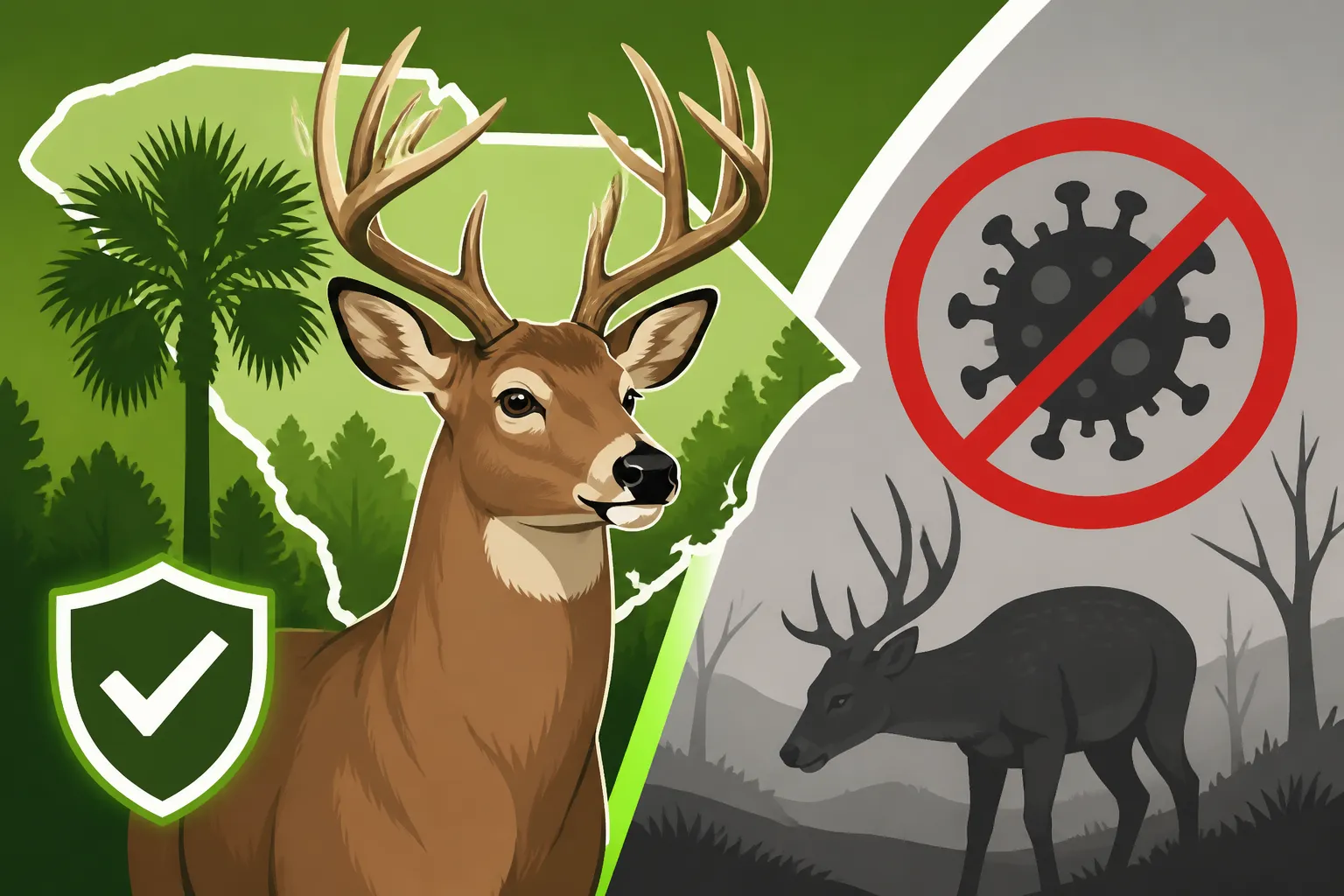
The fear of Chronic Wasting Disease (CWD) casts a long shadow over hunting communities across North America, and it's a completely valid anxiety for anyone who loves deer hunting. It’s a devastating neurological disease that not only impacts deer populations but also threatens the very traditions we hold dear. For years, hunters in South Carolina have watched, worried, as CWD has spread in other states, wondering if our beloved whitetails would be next. Thankfully, through a combination of vigilant efforts and a bit of luck, South Carolina's deer herd has remained CWD-free. This guide delves into the strategies, regulations, and community efforts that have kept our deer healthy and our hunting heritage intact.
Understanding Chronic Wasting Disease (CWD)
No one wants to talk about CWD, but understanding it is the first step in appreciating the efforts to keep it out of South Carolina. This isn't just another deer disease; it's a persistent, always-fatal neurological condition that has truly reshaped hunting landscapes elsewhere.
What is CWD and How Does It Spread
Chronic Wasting Disease is caused by abnormal proteins called prions. Unlike bacteria or viruses, prions aren't living organisms, which makes them incredibly difficult to destroy. When a deer, elk, or moose becomes infected, these prions slowly accumulate in the brain and other tissues, causing the animal's body to essentially waste away. Think of it like a slow, insidious form of Alzheimer's disease for deer. It attacks the brain and nervous system, leading to behavioral changes, drooling, drastic weight loss, and eventually, death. It's a truly heartbreaking sight for anyone who cares about wildlife.
The really tricky part about CWD is how it spreads. It's primarily transmitted through direct contact with infected bodily fluids—things like saliva, urine, and feces. But it also spreads indirectly, and this is where it gets really problematic. Infected animals shed prions into the environment, contaminating soil, plants, and even water sources. These prions can persist in the environment for years, even decades, meaning an area once exposed can remain a threat long after an infected animal is gone. This environmental persistence makes containment and eradication incredibly challenging in areas where CWD has taken hold. The long incubation period, often 18-24 months before symptoms appear, also means that an infected animal can be spreading prions for a long time before anyone even knows it's sick, making early detection a nightmare.
The Grave Threat CWD Poses to Deer Populations and Hunting
The implications of CWD for deer populations and the sport of hunting are nothing short of catastrophic. In states where it's endemic, CWD can lead to significant population declines, sometimes reducing herd numbers by 10-15% annually in heavily infected areas. Beyond the raw numbers, it diminishes the overall health and vitality of the herd. Infected deer are more susceptible to other diseases, less able to evade predators, and generally unhealthy, leading to a visible decline in the quality of the animals themselves.
For hunters, the impact is profound and deeply frustrating. CWD outbreaks often result in stricter hunting regulations, including mandatory testing, carcass movement restrictions, and even special hunt units designed to reduce deer densities in affected areas. This changes the very nature of hunting, adding layers of bureaucracy and anxiety. Imagine harvesting a beautiful buck only to have it test positive for CWD, rendering the meat inedible and potentially impacting your ability to hunt that area again. It undermines the trust hunters have in their wild game and the sustainability of their passion. The economic ripple effect is also considerable, impacting local businesses, gear manufacturers, and tourism associated with hunting. It's a threat that literally touches every aspect of our hunting culture.
South Carolina's Proactive Defense Strategy
South Carolina hasn't just been lucky; the state has implemented robust, proactive strategies to keep CWD at bay. The South Carolina Department of Natural Resources (SCDNR) has been relentless in its efforts, understanding that prevention is far easier than trying to manage an outbreak.
Early Detection and Robust Surveillance Programs
At the heart of South Carolina's defense against CWD is an aggressive and comprehensive surveillance program. For years, the SCDNR has diligently sampled thousands of deer annually, searching for any trace of the disease. This isn't a casual effort; it’s a systematic, statewide undertaking to ensure early detection, which is critical for any hope of containment. These samples come from a variety of sources: deer involved in vehicle collisions, animals exhibiting signs of illness, and, crucially, hunter-harvested deer during the regular season.
The agency focuses its sampling efforts strategically across all of South Carolina's diverse game zones, from the Upstate mountains to the coastal plains. This widespread sampling ensures that if CWD were to ever breach our borders, it would likely be detected quickly, minimizing its potential to spread unnoticed. Hunters play an incredibly important role in this by cooperating with SCDNR personnel at various check stations and collection points, allowing tissue samples to be taken from their harvested deer. You can learn more about these critical efforts by reading about South Carolina's CWD Surveillance Program. Every sample taken is a piece of the puzzle, helping to confirm our CWD-free status.
Strict Carcass Import Restrictions
One of the most effective and perhaps most inconvenient measures South Carolina has put in place is its strict regulation on importing deer, elk, and moose carcasses from CWD-positive states. This rule is a direct response to the primary way CWD has historically spread to new areas: through the movement of infected animal parts by hunters or travelers. Imagine harvesting a deer in a CWD-positive state and unknowingly bringing an infected spinal column or brain matter back to your property in South Carolina; the potential for local environmental contamination is immense.
To combat this, South Carolina law explicitly states that you cannot bring whole carcasses or high-risk parts of deer, elk, or moose into the state from any area where CWD has been detected. This means if you're hunting out of state, you need to be very mindful of what you're bringing back. This rule directly addresses Why You Cannot Bring a Deer Carcass Into South Carolina. However, the regulations aren't designed to make out-of-state hunting impossible. There are specific exceptions for certain processed and low-risk parts that are allowed. For instance, deboned meat, cleaned skull plates or antlers (free of brain tissue), capes (without skull attached), and finished taxidermy mounts are generally permitted. These exceptions allow hunters to still bring home their trophies and meat while significantly reducing the risk of prion introduction. It’s important to familiarize yourself with Which Carcass Parts South Carolina Still Allows before traveling. These regulations, while sometimes requiring extra work, are a small price to pay for protecting our native deer herd.
Geographic Isolation and Natural Buffers
While human-led initiatives are paramount, South Carolina also benefits from some geographical features and the CWD status of its neighbors, which add an additional layer of natural protection.
The Role of Neighboring States and Their CWD Status
South Carolina is bordered by two other Southeastern states: North Carolina to the north and Georgia to the west and south. The CWD status of these immediate neighbors is incredibly important because they represent the most direct pathways for natural deer movement into our state. Fortunately, as of the time of this writing, neither North Carolina nor Georgia has had a confirmed case of CWD in their wild deer populations. This is a huge advantage for South Carolina, as it means we don't have CWD actively spreading right across our borders. It's a collective sigh of relief for wildlife managers and hunters in all three states.
However, the situation is dynamic, and vigilance is key. CWD has been detected in other states within the broader Southeast region, such as Virginia and Alabama. This means that while our immediate neighbors are clear, the threat is still relatively close, and continued monitoring of deer populations in these border states is crucial. Understanding Which States Border South Carolina With CWD and staying informed about their surveillance results helps paint a clearer picture of our regional risk. The lack of CWD in these adjacent states creates a vital buffer zone, buying South Carolina time and making our own surveillance efforts even more effective in case a new outbreak occurs nearby.
South Carolina's Natural Landscape as a Barrier
Beyond political borders, South Carolina's varied natural landscape itself can act as a subtle but effective barrier to the rapid spread of deer diseases. Unlike some vast, open plains regions where deer can roam hundreds of miles with relative ease, much of South Carolina is characterized by dense forests, extensive river systems, and significant swamp environments. These features, while sometimes challenging for hunters to navigate, can limit large-scale, rapid deer movements that might otherwise facilitate disease transmission.
Consider the immense river systems like the Santee, Edisto, and Savannah Rivers, which carve broad, often swampy corridors through the landscape. These can serve as partial impediments to the natural migration and dispersal of deer, reducing continuous contact between different sub-populations. Similarly, large tracts of agricultural land, while offering abundant food, often have less contiguous forest cover, which can also influence deer movement patterns. While not an impenetrable wall, these natural features collectively contribute to slower, more localized deer movements, which in turn can slow the potential geographic spread of a disease like CWD should it ever appear. This is especially true for diseases that rely heavily on nose-to-nose contact and close proximity for transmission.
Responsible Hunter Behavior and Community Vigilance
South Carolina's CWD-free status isn't just about what the SCDNR does; it's profoundly influenced by the actions of individual hunters. We, as the eyes and ears of the woods, are on the front lines, and our collective responsibility is immense.
The Hunter's Role in Preventing CWD Spread
Every hunter in South Carolina holds a critical role in preventing CWD from taking hold. The most direct way we contribute is by strictly adhering to all game regulations, especially those concerning carcass movement. If you hunt out of state, remember the rules about bringing back only deboned meat, cleaned skulls, or taxidermy. It might seem like a hassle to process a deer fully before returning home, but that effort is a direct investment in the health of our local deer herd. Also, proper disposal of any non-allowed carcass parts from out-of-state hunts is vital; never just dump them in South Carolina woods. Use appropriate waste disposal methods or designated landfill sites.
Beyond regulations, being observant in the field is key. If you ever encounter a deer exhibiting unusual behavior—extreme lethargy, severe weight loss, excessive drooling, or an abnormal gait—it's imperative to report it to the SCDNR immediately. Don't assume it's just old age or another minor ailment. While many sick deer won't have CWD, every suspicious case investigated is a safeguard. Our commitment to ethical hunting practices and respect for wildlife means actively participating in these prevention efforts, ensuring that future generations can enjoy the same healthy deer populations we do.
Supporting CWD Education and Reporting Efforts
Staying informed and actively supporting CWD education are powerful ways to contribute. The SCDNR regularly updates its guidelines and information about CWD, and taking the time to review these resources helps keep everyone on the same page. Organizations like GoHunt also provide valuable platforms for hunters to access current regulations, learn about disease monitoring efforts, and understand the role they play. Being aware of the signs of CWD and knowing the proper channels for reporting ensures that suspicious cases don't go unnoticed.
Furthermore, participating in voluntary CWD sampling programs, where available, is a direct way to aid the SCDNR's surveillance efforts. If you harvest a deer and there's a nearby CWD sampling station or a willing SCDNR biologist, offering a sample for testing is a simple yet profoundly impactful act. It helps bolster the state's data, allowing wildlife officials to confidently declare South Carolina CWD-free year after year. Every hunter who educates themselves and contributes to the collective vigilance strengthens our defense against this terrible disease.
SCDNR's Ongoing Commitment and Future Outlook
Maintaining South Carolina's CWD-free status is not a one-time achievement but an ongoing commitment. The SCDNR understands that the threat is persistent, and their strategies must evolve with new scientific understanding and regional developments.
Continuous Monitoring and Research Adaptations
The SCDNR is not static in its approach to CWD. They continuously monitor research from around the country and internationally, staying abreast of the latest scientific findings regarding prion transmission, detection methods, and management strategies. This means their surveillance protocols are regularly reviewed and adapted. If new, more efficient testing methods emerge, or if the disease begins to appear closer to South Carolina's borders, you can bet the SCDNR will adjust its game plan. This adaptive management approach is crucial in the face of a complex and evolving threat like CWD.
For instance, the sampling intensity might shift to focus on specific high-risk areas if intelligence suggests a higher likelihood of introduction. They also participate in regional and national discussions with other state wildlife agencies, sharing data and insights to build a stronger collective defense. This dedication to continuous learning and adaptation is a testament to their commitment to protecting South Carolina's deer herd, and it's How South Carolina Monitors for CWD Every Year remains effective and relevant. This proactive stance ensures that the state isn't just reacting to threats but is anticipating and preparing for them.
Public Engagement and Collaborative Efforts
A truly effective CWD prevention program requires more than just scientific expertise and robust regulations; it demands broad public support and collaborative efforts. The SCDNR actively engages with hunters, landowners, and the general public through various outreach programs, educational materials, and public meetings. They understand that transparency builds trust, and trust encourages compliance and active participation. When hunters understand why certain regulations are in place—like the carcass import restrictions—they are far more likely to adhere to them.
These collaborative efforts extend beyond just public awareness. The SCDNR often partners with universities for research, with federal agencies like the US Forest Service on public lands, and with local hunting clubs and conservation organizations. For example, local clubs might assist in setting up CWD sampling stations or help disseminate important information to their members. This broad network of engagement ensures that the CWD message reaches a wide audience and that the responsibility for prevention is shared across the entire community that cares about South Carolina's wildlife. This collective ownership is a powerful tool in our continued success.
What South Carolina Hunters Can Do to Help
As hunters, we are the most invested stakeholders in the health of our deer herd. Our actions, both large and small, directly contribute to the ongoing success of keeping South Carolina CWD-free.
Active Participation in Surveillance and Reporting
One of the most impactful ways you can help is by actively participating in the state’s surveillance efforts. When you harvest a deer, consider taking it to a CWD sampling station. These stations are often set up during peak hunting seasons, particularly in areas identified for targeted surveillance. You can easily find information on where these stations are located on the SCDNR website or through resources like GoHunt. Knowing Finding a South Carolina CWD Sampling Station ahead of time can make this process seamless and ensure your harvest contributes to the larger data set. Even if a station isn't conveniently located, if you notice any deer exhibiting those concerning symptoms we discussed earlier—extreme emaciation, neurological signs—make sure to call your local SCDNR office or wildlife biologist right away. Providing a precise location and description can be invaluable for their investigation.
Your participation isn't just about checking a box; it's about providing vital data points. Each sample confirms the absence of CWD in that animal and in that area, reinforcing the overall CWD-free status of the state. It's a collective effort, and every hunter's contribution matters. By being vigilant and cooperative, you become an active guardian of South Carolina's healthy deer herd.
Understanding and Adhering to Regulations
Beyond active participation, a fundamental responsibility is to simply know and follow all hunting regulations, especially those designed to prevent disease spread. This includes not just the carcass import rules but also understanding other regulations like baiting laws, which, while not directly related to CWD transmission in the same way, impact deer movement and congregation, which could theoretically affect disease dynamics. Ignorance of the law is never an excuse, and in the context of CWD, it could have severe consequences for our deer herd.
Make it a habit to review the current South Carolina Hunting and Fishing Regulations each year, as rules can occasionally change. Websites like the SCDNR portal or digital platforms like GoHunt are excellent, up-to-date resources for this. Understanding South Carolina Deer Season Structure Explained and all associated rules, including South Carolina Deer Reporting Requirements, means you’re not only compliant but also a responsible ambassador for hunting. Your commitment to adherence ensures that all the hard work put into prevention isn't undermined by unintentional or careless actions.
CWD Prevention Guidelines for South Carolina Hunters
| Action | Description | Impact on CWD Prevention |
|---|---|---|
| DO Report Sick Deer | If you see a deer exhibiting unusual symptoms (lethargy, drooling, severe weight loss), contact SCDNR. | Enables early detection and investigation of potential CWD cases. |
| DO Adhere to Carcass Import Rules | Only bring deboned meat, cleaned skull plates/antlers, or finished taxidermy from out-of-state. | Prevents introduction of CWD prions through infected carcass parts. |
| DO Support Surveillance | Cooperate with SCDNR at CWD sampling stations or when asked for samples from your harvested deer. | Provides crucial data to confirm South Carolina's CWD-free status. |
| DO Dispose of Carcass Waste Properly | Use landfills or bury remains deeply; do not leave high-risk parts in the woods. | Prevents environmental contamination with potential prions. |
| DON'T Transport High-Risk Parts | Never bring brain, spinal cord, eyes, or lymphoid tissue from CWD-positive states. | These parts contain the highest concentration of prions. |
| DON'T Feed or Bait Deer | Avoid concentrating deer, which can increase direct contact and potential disease transmission. | Reduces the risk of nose-to-nose contact and contaminated feeding sites. |
| DON'T Ignore Regulations | Always review and follow current SCDNR hunting regulations. | Ensures all preventative measures are collectively upheld by the hunting community. |
| DON'T Assume a Sick Deer is "Just Old" | Any unusual behavior warrants a report to SCDNR for investigation. | Prompt reporting is critical for rapid response to potential threats. |
Disclaimer
The information provided in this guide is for general informational purposes only and is not intended as legal advice. Hunting regulations, including those related to CWD prevention, can change. Always consult the official South Carolina Department of Natural Resources (SCDNR) website or their current printed regulations pamphlet for the most up-to-date and accurate information before engaging in any hunting activities.