South Carolina Trapping License Requirements
Navigating the ins and outs of South Carolina's trapping regulations can feel like trying to untangle a snarled trap line, especially if you're new to the game or used to just hunting. Many folks get confused about whether they truly need a license just to set a few snares for nuisance beavers or if the same rules apply for targeting furbearers like bobcats. This guide is here to unravel all those knots, making it crystal clear exactly what licenses and permits you'll need to trap legally and ethically in the Palmetto State.
Understanding the Basics of South Carolina Trapping Licenses
Trapping is a time-honored tradition in South Carolina, a vital tool for wildlife management and a challenging pursuit for those who enjoy the outdoors. However, unlike simply carrying a gun or bow for deer, setting traps comes with its own specific set of licensing requirements. It’s not always intuitive, and getting it wrong can lead to serious headaches, from fines to forfeiture of your gear.
Who Needs a Trapping License in South Carolina?
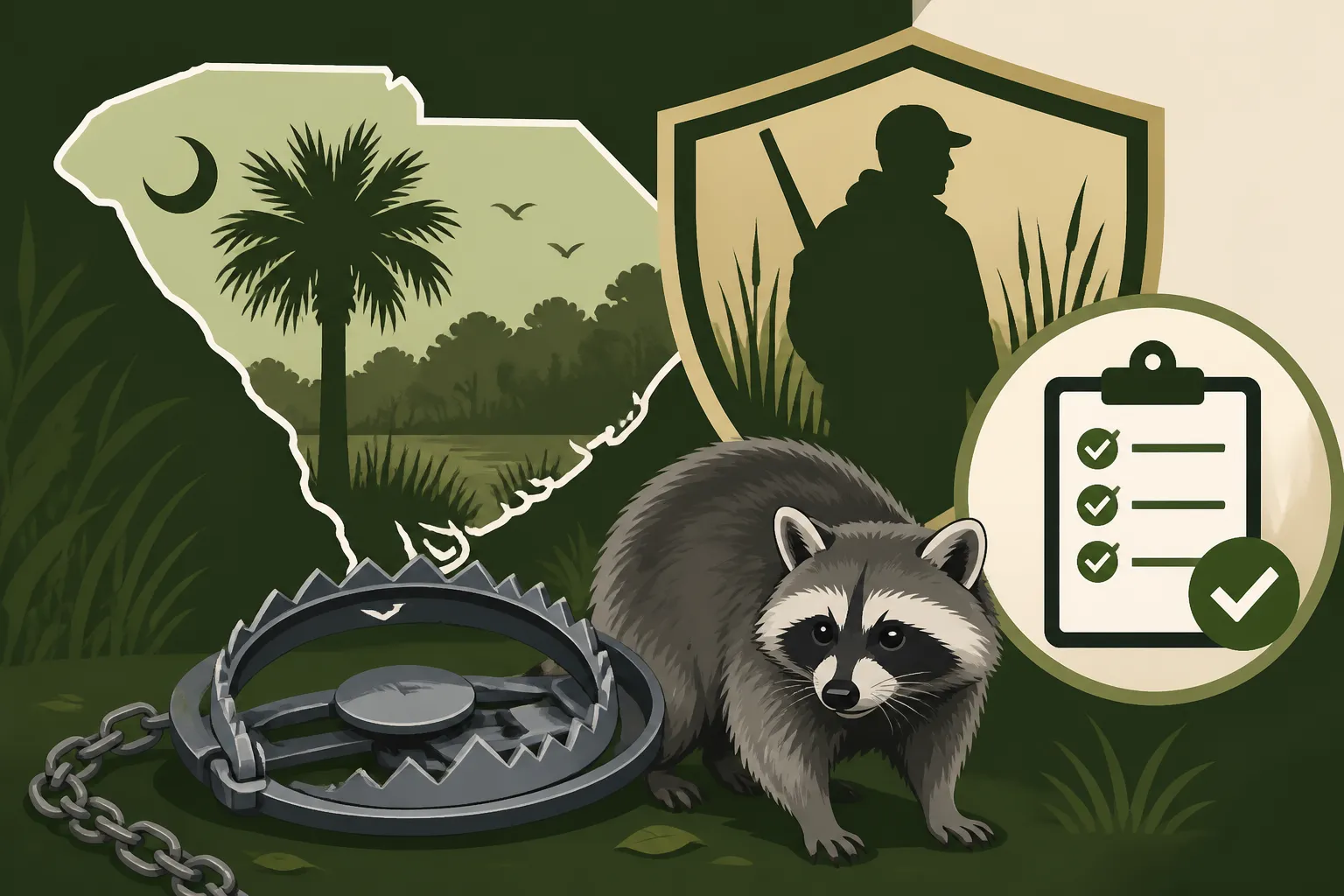
This is often the first, and most important, question. The straightforward answer is: almost everyone who intends to trap furbearers in South Carolina will need a license. This isn't just a recommendation; it's a legal requirement. Whether you're planning to target raccoons in the Lowcountry swamps or coyotes in the Upstate pine forests, you'll need to be properly licensed.
There are some common misconceptions that lead folks astray. For instance, some believe that if they're only trapping on their own private land, they don't need a license. While some specific situations, particularly concerning nuisance wildlife, might offer slight deviations, the general rule of thumb for furbearer trapping is that a license is required regardless of land ownership. This ensures that all trappers are accounted for, and it helps the South Carolina Department of Natural Resources (SCDNR) monitor harvest numbers and manage furbearer populations effectively. Think of it like fishing; even on your own pond, if it's considered public water or holds migratory species, a license is likely needed. The same principle often applies to trapping certain wildlife.
Furthermore, it's crucial to differentiate between trapping purely for furbearers, which includes species like bobcats, foxes, raccoons, opossums, skunks, muskrats, mink, and beaver, and trapping for nuisance wildlife control. While a general trapping license typically covers furbearers, there might be specific permits required for addressing immediate threats or property damage caused by certain animals. We'll dive deeper into those nuances later, but for now, assume that if you're setting a trap with the intention of harvesting a furbearer during their designated season, you'll need the proper documentation.
The Core Requirements: Resident vs. Non-Resident
Now that we know who needs a license, let's talk about what kind of license you'll need. South Carolina, like most states, has different requirements and costs for residents and non-residents. This is a common practice, as residents contribute to the state's tax base and often have a more direct stake in local wildlife management.
For South Carolina residents, the journey usually begins with a base hunting license. Trapping, in many administrative senses, is often grouped with hunting activities, so you'll first need a valid South Carolina Resident Hunting License Options. On top of that, trappers targeting furbearers will need to purchase a specific Furbearer Tag or Trapping Permit. This permit is what truly legitimizes your trapping endeavors for regulated species. You can often choose between an annual permit, which is renewed each year, or explore more long-term options like lifetime licenses if you plan to be an active trapper for decades to come. These lifetime options can be a significant upfront investment but save money and hassle in the long run.
Non-residents, on the other hand, face slightly different and generally higher costs. You'll still need a base non-resident hunting license, which is typically more expensive than its resident counterpart. For details on these, you can check out South Carolina Nonresident Hunting License Options. Following that, a non-resident Furbearer Tag or Trapping Permit will also be required. These are usually structured for shorter durations, perhaps for a specific season or even a few days, depending on the available options. It's really designed for those who might visit the state for a specific trapping opportunity, so paying attention to the validity dates is critical. All of these licenses and permits are conveniently available through the SCDNR's Go Outdoors SC system, which we'll discuss in more detail shortly.
Age and Hunter Education Considerations for Trapping
The path to becoming a licensed trapper in South Carolina also has age and educational milestones, ensuring that those participating are knowledgeable and responsible. It’s not just about knowing how to set a trap; it’s about understanding the ethics, safety, and regulations involved.
For starters, there's usually a minimum age requirement to hold a full trapping license. While younger individuals can often participate under the direct supervision of a licensed adult, taking advantage of programs like South Carolina Apprentice Hunter License Rules, they typically cannot legally set and tend traps independently until they reach a certain age, usually 16. These apprentice programs are fantastic for introducing youth to the outdoors in a safe and educational manner, allowing them to gain experience before taking on full responsibility.
Beyond age, hunter education is a crucial component. While primarily named "hunter" education, these courses often cover foundational knowledge pertinent to trapping as well, including wildlife identification, responsible take, and outdoor safety. In South Carolina, if you were born after June 30, 1979, you are generally required to complete an approved hunter education course before you can purchase a hunting license – and since a hunting license is often a prerequisite for a trapping permit, this extends to trappers too. You can find more comprehensive information on this requirement at South Carolina Hunter Education Requirements. This ensures that everyone entering the field, whether with a firearm or a trap, possesses a fundamental understanding of safety and conservation principles, which is truly invaluable.
Specific Trapping Scenarios and Additional Permits
The world of trapping isn't one-size-fits-all. Different species and different land types come with their own unique sets of rules and, often, additional permit requirements. It's critical to understand these nuances to avoid inadvertently breaking regulations.
Trapping Furbearers: Coyote, Fox, Bobcat, Raccoon, Opossum, Skunk, Beaver, Muskrat, Mink
These are the bread and butter of furbearer trapping in South Carolina. For any of these species, your base hunting license and the specific furbearer trapping permit are your foundational requirements. However, the regulatory framework doesn't stop there. Each species often has its own designated season, which can vary depending on the year and the specific game zone you're operating in.
For instance, the season for bobcats and foxes will typically be different from that of raccoons or beavers. You'll need to consult the most current SCDNR Furbearer Regulations digest for precise dates. For a general idea, you can look into specific season rules such as South Carolina Fox and Bobcat Trapping Season, South Carolina Raccoon Season Dates, or When South Carolina Coyote Season Runs. While coyotes, being an invasive species, often have a longer or even year-round season in some contexts, foxes and bobcats are managed more closely due to their historical furbearer status. These regulations are in place to ensure sustainable populations and prevent overharvest, which is a key part of responsible wildlife management.
Beyond seasons, some species might have specific bag limits or reporting requirements. For instance, if you're trapping bobcats, there might be a limit on how many you can harvest in a season, and you might need to tag them or report your take through the SCDNR's Game Check system, similar to deer or turkey harvests. Always double-check the current regulations for the species you intend to target. Additionally, if you're planning to trap on public lands, such as Wildlife Management Areas (WMAs), you'll almost certainly need an additional South Carolina WMA Permit Requirements on top of your state licenses. WMAs often have their own specific rules, trap restrictions, and check-in/check-out procedures, so reading the WMA supplement is non-negotiable.
Feral Hogs and Nuisance Wildlife Trapping
This is where things get a little more intricate, and often, more questions arise. Feral hogs are a significant problem across South Carolina, causing extensive agricultural damage and impacting native wildlife habitat. Because of their destructive nature and prolific breeding, the rules for hog trapping are often more lenient, especially on private land.
In South Carolina, landowners and those with landowner permission can typically trap feral hogs year-round on private land without a specific trapping license for the hogs themselves. This is a critical distinction: the focus here is on mitigation of a destructive invasive species, not the harvest of a regulated furbearer. You can read more about this in South Carolina's Year-Round Hog Rule on Private Land. This flexibility is a direct response to the ecological and economic damage that feral hogs inflict across the state. However, it's still essential to ensure you have explicit permission from the landowner if you're not the property owner.
For other nuisance wildlife species like beavers causing flooding, otters impacting aquaculture, or even coyotes preying on livestock, there might be specific nuisance wildlife control permits issued by the SCDNR. These are usually handled on a case-by-case basis, requiring direct contact with the SCDNR office to assess the situation and issue the appropriate authorization. These permits are distinct from a general furbearer trapping license and are designed to address specific problems rather than facilitating a general trapping season. If you suspect an animal is causing damage to your property, your first step should always be to reach out to the SCDNR for guidance on legal and effective control methods.
Trapping on Public Land vs. Private Land
The type of land you choose to trap on significantly impacts the permits and rules you'll need to follow. While a general trapping license covers you for furbearers statewide, public lands introduce additional layers of regulation.
When it comes to Wildlife Management Areas (WMAs), an additional WMA permit is almost always required. These permits contribute to the management and upkeep of these valuable public hunting and trapping grounds. Beyond the permit, WMAs often have specific dates when trapping is allowed, designated areas, and even restrictions on the types of traps you can use or how often you must check them. It's not uncommon for WMAs to have sign-in and sign-out procedures for trappers, or even require specific trap tags with your contact information. Always consult the WMA regulations specific to the area you plan to trap in.
National Forests, such as Francis Marion and Sumter National Forests, may also allow trapping, but again, this will be under specific federal and state regulations. While your state trapping license is necessary, there might be additional requirements or specific rules regarding trap placement, access, and reporting that align with forest service guidelines. Always check with the relevant ranger district office and the SCDNR for the most up-to-date information on trapping within these federal lands.
For private land, while your base license and furbearer permit are still mandatory for regulated species, the primary additional requirement is landowner permission. This permission should ideally be in writing, detailing what you're allowed to trap, where, and for how long. This protects both you and the landowner and prevents any misunderstandings or accusations of trespassing. Remember, even with a valid state license, you don't have carte blanche to access private property. Respecting private land and securing proper permission is a cornerstone of ethical trapping.
Acquiring and Managing Your South Carolina Trapping Licenses
Once you understand what licenses you need, the next step is to actually get them. Thankfully, South Carolina has made this process quite user-friendly through its online system, but staying informed about changes is an ongoing responsibility.
Navigating the Go Outdoors SC System
The easiest and most efficient way to purchase your South Carolina trapping licenses and permits is through the SCDNR's Go Outdoors SC platform. This online portal is a one-stop shop for all your hunting, fishing, and trapping licensing needs. It's designed to be intuitive, allowing you to quickly select the licenses that apply to you.
Here's how it generally works:
- Visit the Go Outdoors SC website: You'll find a clear portal for purchasing licenses.
- Create an account or log in: If you're a returning user, your information will be saved, making renewals quick. New users will need to set up a profile, providing basic personal information.
- Select your licenses: Browse through the options for hunting licenses and then specifically look for the Furbearer Tag or Trapping Permit. If you need a WMA permit, add that too.
- Confirm and pay: Review your selections, and proceed to the secure payment portal.
- Print or save: After successful purchase, you can typically print your licenses at home immediately or save a digital copy to your smartphone. Carrying proof of your licenses, whether physical or digital, is required while trapping. This system makes it incredibly convenient, even if you decide last minute to head out for a trapline check. Many trappers also use apps like GoHunt to scout and keep track of regulations, finding it a useful complement to the official SCDNR tools.
For a more detailed walkthrough on the purchasing process, you can refer to Buying a License on Go Outdoors SC. This modern approach has streamlined what used to be a trip to a local store or agent, allowing you more time in the field.
Keeping Up with Regulatory Changes
Wildlife regulations are not static; they evolve. The SCDNR constantly monitors wildlife populations, habitat health, and harvest data, leading to potential changes in seasons, bag limits, or even equipment restrictions from year to year. What was legal last season might have subtle but significant changes this season.
Therefore, it is absolutely paramount to consult the most current South Carolina Furbearer Regulations digest before each trapping season. These digests are usually available online through the SCDNR website, at license vendors, and sometimes even at sporting goods stores. Don't rely solely on old knowledge or what a friend told you. A quick check of the official regulations can save you a lot of trouble.
Beyond statewide changes, remember that specific counties or WMAs might have their own unique regulations that supersede or add to the general state rules. For example, some WMAs might prohibit certain trap types or have stricter check times. Always look for WMA-specific supplements or information when planning to trap on public lands. The SCDNR's role in managing furbearer populations is ongoing, and these regulations are their primary tool to ensure the long-term health of these valuable species. Ignorance of the law is never an excuse, so make it a habit to check for updates annually.
Importance of Ethical and Legal Trapping
Finally, let's talk about why all these licenses and regulations matter. They aren't just bureaucratic hurdles; they are the framework for ethical and sustainable trapping. Trapping, when done correctly, is a highly effective and humane method of wildlife management and harvest.
Part of being a legal trapper means adhering to responsible practices. This includes using appropriate trap types and sizes for the target species, ensuring traps are set correctly to minimize non-target catches, and checking your traps regularly (often every 24 hours, or as mandated by law) to prevent undue suffering. Humane dispatch methods are also a critical component of ethical trapping. These practices aren't just good manners; they are often embedded within the legal framework and are crucial for the public perception and future of trapping in South Carolina.
Falling short of these standards, whether through improper licensing, out-of-season trapping, using illegal trap types, or neglecting your trapline, can lead to severe consequences. These can include hefty fines, confiscation of your traps and harvested animals, and the loss of your hunting and trapping privileges. Beyond the legal ramifications, it tarnishes the reputation of all responsible trappers. So, equip yourself with the right knowledge, the right gear, and the right licenses, and always prioritize ethical and legal practices out in the field.
| License/Permit Type | Who Needs It | Purpose | How to Obtain |
|---|---|---|---|
| Base Hunting License | All trappers (resident/non-resident) | Foundation for nearly all hunting/trapping activities; funds wildlife conservation. | Go Outdoors SC, license vendors |
| Furbearer Tag/Permit | Anyone trapping regulated furbearers | Specifically authorizes trapping of species like bobcat, fox, raccoon, beaver, etc. | Go Outdoors SC, license vendors (requires base hunting license) |
| WMA Permit | Anyone trapping on Wildlife Management Areas | Required for access and activities on state-managed WMAs; supports WMA maintenance. | Go Outdoors SC, license vendors (in addition to base & furbearer permits) |
| Nuisance Wildlife Permit | Individuals addressing specific property damage by wildlife (non-hog) | Authorizes the control of specific animals causing damage outside of general seasons or methods. | Contact SCDNR for assessment and issuance |
| Hunter Education | Born after June 30, 1979 (for base license) | Ensures fundamental knowledge of wildlife, safety, and regulations for responsible participation. | Approved online/in-person courses |
Disclaimer
The information provided in this guide is for general informational purposes only and does not constitute legal advice. While we strive to keep the information up-to-date and correct, wildlife regulations are subject to change. Always consult the official South Carolina Department of Natural Resources (SCDNR) website and the current year's hunting and trapping digests for the most accurate and up-to-date regulations before engaging in any trapping activities.