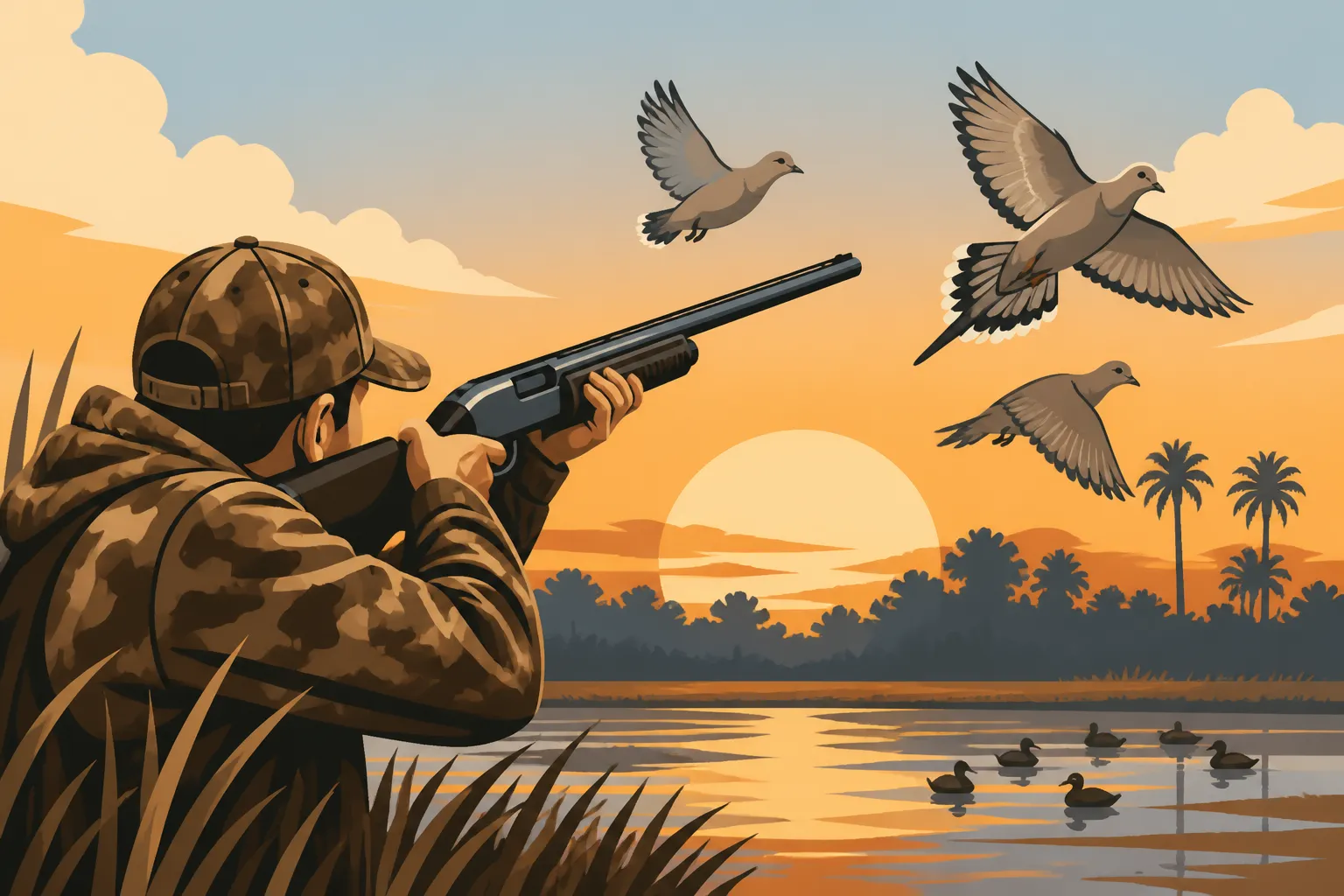
Pass-Shooting Doves Over a Water Hole
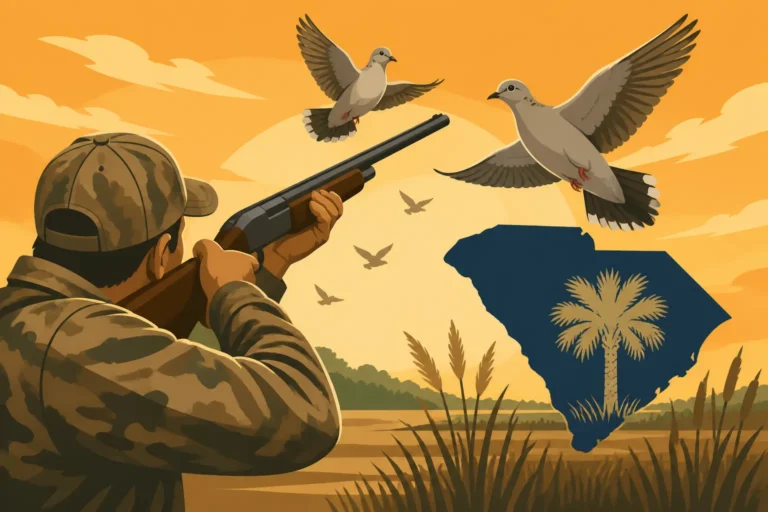
There's nothing quite like the swift, erratic flight of a mourning dove, and for many hunters, the frustration of consistently connecting with those little rockets in the sky is a familiar one. If you've spent an afternoon watching doves buzz just out of range or flaring at your approach, you know the challenge. This guide dives deep into the art of pass-shooting doves over a water hole in South Carolina, a tactic that can turn those frustrations into a full limit and a memorable hunt.
Understanding Dove Movement and Water Needs
Doves are creatures of habit, and understanding these habits is the cornerstone of successful pass-shooting, especially around water. You can’t just set up anywhere and expect birds to magically appear. They follow specific routines, driven by basic needs: food, grit, roosting cover, and, crucially, water.
Why Doves Need Water
Just like any living creature in the South Carolina heat, doves require water to survive. They don't just drink a little sip; they need consistent access to water, often multiple times a day, especially during hot, dry periods. This isn't just about hydration; it's also about digestion. Doves consume a lot of dry seeds, and water helps them process this diet. During the late summer and early fall, when dove seasons typically open, South Carolina can be scorching. This heat makes reliable water sources absolute magnets for birds. A shallow, muddy edge is often preferred over deep, clear water, as it allows them to access the water safely and pick up grit simultaneously.
Think about a typical South Carolina August or September day. The sun beats down, the humidity is thick, and the fields are often dry. A dove that has spent the morning foraging on sunflower seeds or millet needs to cool down and rehydrate. This physiological need makes water holes a predictable choke point in their daily routine. Understanding this fundamental requirement is the first step in successful pass-shooting.
Daily Flight Patterns to Water
Doves have a remarkably consistent schedule when it comes to water. They typically hit water sources in two main waves: mid-morning and late afternoon. After feeding heavily in the early morning, they'll head to water to drink and gather grit before finding a shady spot to digest and loaf. As the afternoon wanes and temperatures begin to drop slightly, they'll make another trip to water before heading to their roosting sites for the night. This late-afternoon flight is often the most intense and provides prime opportunities for hunters.
These flights aren't always a direct line. Doves will often "stage" in nearby trees or power lines, surveying the water hole for predators before dropping in. This staging behavior is critical to observe during scouting, as it tells you where birds are approaching from and where they might pause. Observing these flight lines and staging areas is key to setting up your ambush. It's like watching an airport: you know planes will land, but understanding the flight paths and holding patterns helps you predict their exact arrival point.
Impact of Weather and Agriculture
Weather plays a huge role in dove movements, particularly concerning water. On hot, dry days, doves will be much more eager to hit a water hole, and their visits will be more frequent and intense. A sudden rain shower, however, can make them less reliant on a specific water source, as puddles will form in fields, offering alternative drinking spots. Keep an eye on the forecast, as a string of dry, warm days can lead to phenomenal hunting over water.
Agricultural practices also have a significant impact. Fields of harvested corn, wheat, or sunflowers are magnets for doves, providing abundant food. The proximity of these food sources to water is what creates those perfect hunting scenarios. If doves have to fly a long distance from their feeding grounds to water, they'll often consolidate into larger groups and follow established flight corridors. Conversely, if food and water are both abundant and scattered across a wide area, the birds might be more dispersed, making it harder to concentrate them. This is where a good scouting app, like the one from GoHunt, can be invaluable for identifying potential food sources and correlating them with available water.
Scouting for the Perfect Water Hole Location
Scouting is arguably the most crucial step in pass-shooting doves over water. You can have the best shotgun, the sharpest reflexes, and the finest decoys, but if you're not where the birds want to be, you'll go home empty-handed. This isn't just about finding any water; it's about finding the right water.
Identifying Prime Water Sources
Not all water holes are created equal for doves. They prefer shallow, open edges where they can land, drink, and gather grit without feeling exposed to predators like hawks or ground-based threats. Ponds with gentle slopes, mud flats, or even cattle troughs can be excellent. Avoid water sources with dense vegetation right up to the edge, as doves dislike landing in thick cover where a predator could be lurking. Ideal spots often have bare ground, gravel, or sandy edges.
Look for smaller, isolated water sources rather than large lakes or wide rivers, especially if they're near prime feeding areas. A cattle pond in a pasture, a small irrigation ditch, or even a low spot in a field that holds rainwater can be honey holes. These smaller spots often concentrate birds much more effectively than vast expanses of water. On public lands, this might mean finding smaller ponds or drainage areas within a WMA, rather than larger impoundments that might attract more waterfowl and less specific dove traffic.
Reading the Sign Around Water Holes
Once you've identified potential water sources, it's time to become a detective. Doves leave tell-tale signs of their presence. The most obvious sign is droppings along the water's edge. Look for concentrated areas of small, white-splattered droppings. The more droppings, the more birds are using that spot. You might also see tracks in the mud, though these can be harder to distinguish from other birds.
Beyond physical sign, spend time watching the water hole, ideally from a distance with binoculars, during mid-morning and late-afternoon. Observe where the birds approach from, where they land, and their exit routes. Do they prefer a specific side of the pond? Do they stage in certain trees? Note prevailing wind directions, as doves almost always land and take off into the wind. This observation period is invaluable for pinpointing exactly where to set up your blind and decoys. This kind of detailed scouting makes all the difference when you're considering Hunting the Second Dove Split in October and birds might be warier.
Access and Hunter Pressure Considerations
In South Carolina, finding accessible water holes that aren't already heavily hunted can be a challenge. On private land, building a good relationship with a landowner is key. They might have a cattle pond or a low-lying field that would be perfect. Always get explicit permission before scouting or hunting on private property.
On public lands, hunter pressure is a major factor. Water holes that are easily accessible might see heavy traffic, making the birds educated and wary. Sometimes, walking a little further into a WMA can lead to an overlooked honey hole. Using mapping tools, such as the layers available through GoHunt, can help you identify remote water sources and potential access points, allowing you to find ground others might walk past. Be mindful of others and consider heading out on weekdays if possible to avoid opening weekend crowds, which are especially prevalent during Dove Hunting South Carolina Opening Weekend.
Setting Up for Success: Blinds, Decoys, and Spacing
Once you’ve scouted your spot, the setup is everything. Doves have excellent eyesight, and while they aren't always as wary as turkeys or ducks, they will definitely flare if they see something out of place.
Camouflage and Concealment
Concealment is paramount. Doves are constantly scanning for predators, and an uncamouflaged hunter standing in the open will send them rocketing away. Natural cover is always best. A thick fencerow, a patch of tall weeds, or the edge of a timber stand can provide excellent hiding spots. If natural cover is scarce, a simple pop-up ground blind or even a ghillie suit can make you disappear. The key is to break up your outline and blend into your surroundings. Remember, doves will often land 15-25 yards from the water's edge, so your blind should allow for comfortable shooting at that range while remaining hidden.
Consider the sun's position throughout your hunt. Setting up with the sun at your back will help conceal you further and put the doves in good light for your shot, though it can make identifying birds more challenging. Additionally, make sure your blind allows for a full range of motion. Doves come in fast and from all directions, so you'll need to be able to swing your shotgun smoothly. When you're making your plans, think about Dove Stools and Field Gear that can help keep you comfortable and low to the ground.
Decoy Strategies for Water Holes
Decoys aren't just for ducks and geese; they can be incredibly effective for doves, too. The goal of dove decoys is to make your water hole look like a safe, popular spot for other doves to join. Static decoys clipped to branches or placed on the ground near the water's edge, mimicking birds preening or drinking, can work wonders. Even better are spinning-wing decoys, like those from Mojo Outdoors or similar brands. The flashing wings of a spinning-wing decoy catch a dove's eye from a distance and can pull them in, even if they're hesitant.
Place spinning-wing decoys on poles about 3-5 feet off the ground, 10-15 yards from your blind, and positioned so their flash is visible from common flight paths. For static decoys, scatter them in small groups (2-3 birds) along the exposed edge of the water hole, simulating a landing or drinking party. Don't overdo it with decoys; a few well-placed ones are more effective than a cluttered spread. When you're Setting Up a Dove Field Before Opening Day, remember to test your decoy placement around potential water sources if they are available in your planned field.
Hunter Spacing and Safety
If you're hunting with a group, proper spacing and communication are critical for safety and effectiveness. Doves are fast, and errant shot can travel far. Maintain at least 40-50 yards between hunters to ensure safe shooting lanes and to prevent birds from flaring away from one shooter only to be shot at by another. Everyone should know where other hunters are positioned.
Communicate clearly about incoming birds, especially if you're set up in a line. A simple "bird high left" can prevent confusion and ensure everyone is aware. Always shoot at birds within your safe zone of fire, ensuring your backdrop is clear. This is especially important when you're Working a Dove Field on Opening Day with several other hunters. Always wear eye protection and ear protection. Dove hunting involves a lot of shooting, and protecting your hearing and vision is non-negotiable.
Mastering the Shot: Techniques and Considerations
Doves are notoriously challenging targets. Their speed and erratic flight patterns separate the seasoned wingshooter from the novice. But with the right technique, a bit of practice, and the proper gear, you can improve your success rate dramatically.
Lead and Swing Principles
The most common mistake dove hunters make is shooting behind the bird. Doves are moving much faster than they appear, and a significant lead is almost always required. Practice the "swing through" or "sustained lead" method. With the swing-through method, you start your swing behind the bird, accelerate past it, and fire as your barrel passes the bird, continuing your swing. For sustained lead, you match the bird's speed, place your barrel ahead of it, and maintain that lead as you fire, continuing the swing.
Regardless of the method, the follow-through is crucial. Don't stop your swing the moment you pull the trigger. Keep the gun moving through the shot. This smooth, continuous motion prevents jerking the gun and ensures proper lead. Pay attention to how the birds are flying into the water hole. Are they circling? Are they dropping straight in? Adjust your lead accordingly. A quartering bird will require a different lead than one flying directly across your front.
Shotgun and Ammunition Selection
For pass-shooting doves, a 12-gauge or 20-gauge shotgun is ideal. A semi-automatic or pump-action shotgun offers quick follow-up shots, which are often necessary with these agile birds. An improved cylinder or modified choke is typically preferred. The improved cylinder provides a wider pattern, which is forgiving for close-range shots or fast-moving targets, while a modified choke offers a slightly tighter pattern for birds at a bit more distance.
When it comes to ammunition, lead shot is generally allowed for doves in South Carolina, unless you are hunting on a WMA that specifically requires non-toxic shot. For shot size, 7 ½ or 8 shot is the go-to for doves. These smaller pellets create a dense pattern, increasing the likelihood of hitting a small, fast-moving bird. Opt for target loads or light game loads; you don't need heavy magnum loads for doves, and the lighter recoil will allow for faster, more comfortable follow-up shots. Make sure to check the regulations for shotgun gauge choice and Shot Size for Quail and Dove to ensure you're compliant.
| Shotgun Gauge | Recommended Choke | Shot Size | Typical Range |
|---|---|---|---|
| 12-gauge | Improved Cylinder | 7.5 or 8 | 15-30 yards |
| 12-gauge | Modified | 7.5 or 8 | 20-40 yards |
| 20-gauge | Improved Cylinder | 7.5 or 8 | 15-25 yards |
| 20-gauge | Modified | 7.5 or 8 | 20-35 yards |
Retrieving Birds and Etiquette
Once a bird is down, mark it immediately. Doves are small, and their drab coloring makes them incredibly difficult to find in dry fields or thick brush, especially in South Carolina's pine straw. If you're hunting with a partner, designate one person to watch the fall. If you have a retrieving dog, this is where they truly shine. A good retriever will save you countless lost birds and wasted time.
Hunting etiquette also extends to retrieving. If a bird falls near another hunter, always ask before you enter their shooting zone to retrieve it. Be respectful of other hunters' space and avoid walking through their setups. If you're hunting on private land, make sure to clean up all spent shells and any trash, leaving the area cleaner than you found it. This goes a long way in maintaining good relationships with landowners and ensuring future hunting opportunities. Also, don't forget the importance of proper game reporting; Reading a South Carolina Harvest Report can provide useful context on how your success contributes to broader conservation efforts.
Disclaimer
Please note: Hunting regulations and seasons can change. Always consult the latest South Carolina Department of Natural Resources (SCDNR) regulations before heading into the field. This article is for informational purposes only and does not supersede official hunting laws.