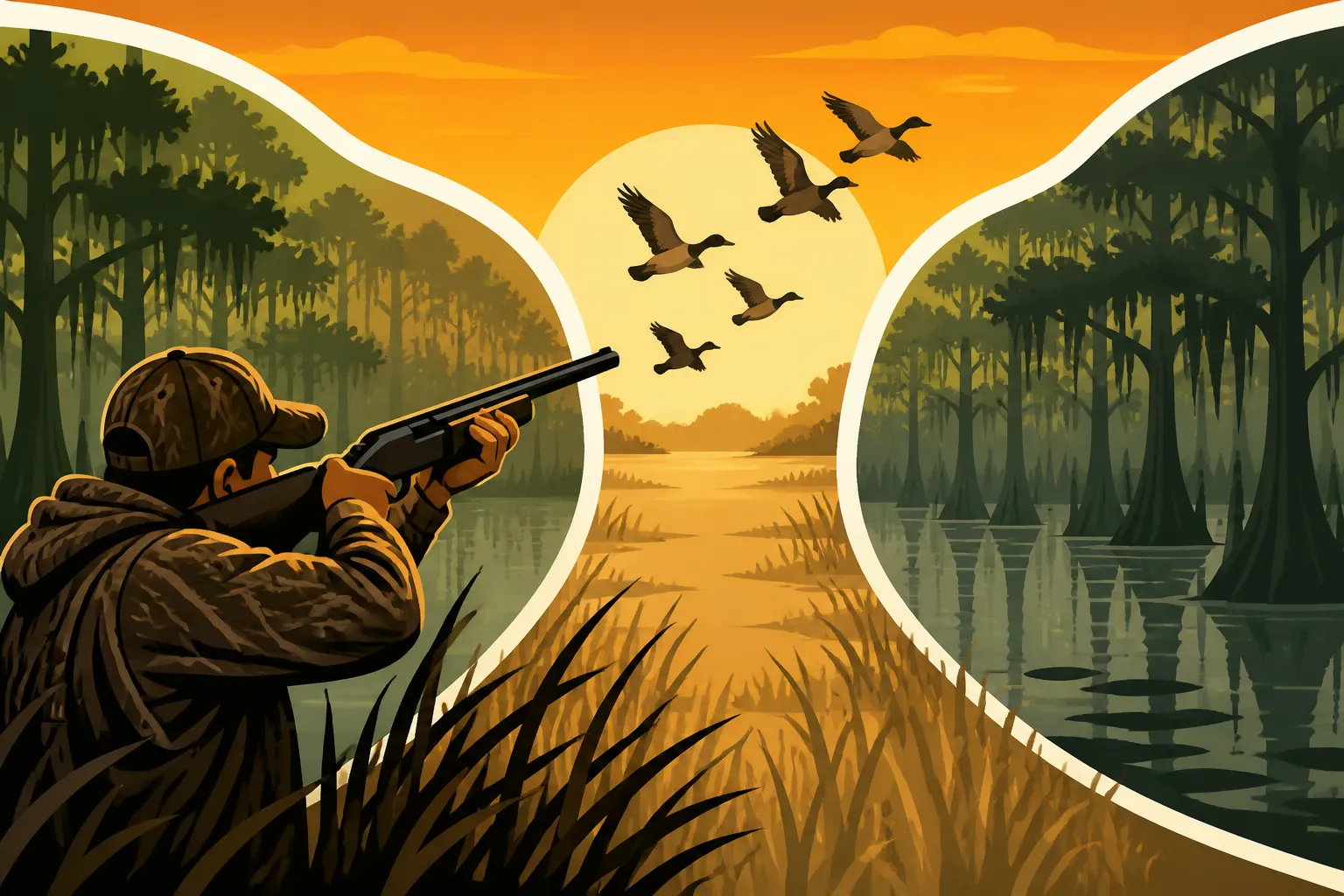
Hunting a Funnel Between Two Swamps
Trying to find where deer move consistently through the vast, thick cover of a South Carolina swamp can feel like searching for a needle in a haystack, especially when they're not just crossing open fields. The frustration is real – you know the deer are there, but pinpointing their exact travel routes often seems impossible. This guide will walk you through how to identify, scout, and effectively hunt those often-overlooked funnels situated right between two large swampy areas, giving you a clear strategy for consistent success.
The Unseen Advantage: Why Swamp Funnels Are Deer Magnets
Swamps, with their dense vegetation, water, and often difficult terrain, provide sanctuary for whitetails, especially mature bucks. These areas offer unparalleled bedding cover and a sense of security from predators, including us hunters. But deer, even in the thickest swamps, don't just wander aimlessly. They are creatures of efficiency, always seeking the path of least resistance. This is where funnels between two distinct swampy areas become absolute goldmines for hunters. They're natural pinch points that concentrate deer movement, turning a wide expanse of cover into a predictable travel corridor.
Think about it from a deer's perspective. If they need to travel from one bedding area in a large swamp to a feeding area or another section of prime habitat, they're not going to swim or slog through the deepest, nastiest muck if there's a drier, more elevated strip of land connecting two larger, wetter sections. This "land bridge," no matter how subtle, becomes their highway. These funnels can be barely perceptible rises in elevation, a narrow band of slightly drier timber, a natural dike, or even just a subtle change in vegetation that offers easier passage. They are often overlooked because they don't jump out at you like a creek crossing or a field edge, but they are incredibly reliable.
The true genius of these funnels is that they offer a relatively safe, concealed route for deer to move through. Unlike open fields or clear-cuts where deer feel exposed, a swamp funnel provides overhead cover and often dense undergrowth, allowing deer to travel with confidence, even during daylight hours. This makes them prime locations for intercepting deer moving between different parts of their home range, whether they're heading to a food source, cruising for does during the rut, or simply shifting between core bedding areas. Understanding this inherent movement pattern is the first critical step to effectively hunting these unique South Carolina deer corridors.
Unlocking the Secret: Scouting and Reading Swamp Funnel Sign
Finding these hidden funnels and understanding how deer use them requires diligent scouting, often involving some good old-fashioned swamp tromping. You can't just rely on aerial maps alone, though they are an excellent starting point.
Leveraging Topographic and Aerial Maps
Before you ever set foot in the mud, spend quality time with good topographic maps and aerial imagery. Digital mapping tools, like the ones offered by GoHunt, are invaluable here. Look for areas where two large, dark green or blue sections (representing thick swamp or water) narrow down and appear to almost touch, or where a lighter green strip (indicating slightly higher, drier ground or different vegetation) connects them. Pay close attention to subtle contour lines on a topo map. Even a one or two-foot elevation change can be a significant "high ground" for deer navigating a swamp. You might spot old logging roads or forgotten tram lines that are now overgrown but still provide a slightly elevated path. These are often perfect candidates for funnels.
Once you've identified potential funnel locations on your map, mark them. These are your starting points for boots-on-the-ground investigation. Keep in mind that what looks like a funnel on a map might be too wet or impassable in reality, or conversely, a barely noticeable feature on the map could be a major travel corridor for deer. This initial reconnaissance helps you prioritize your physical scouting efforts, saving you time and energy in the field. Remember that the goal is to identify points where deer are forced into a narrower path of travel, naturally concentrating their movement.
Boots-on-the-Ground Verification and Sign Reading
Now comes the hard work: putting on your snake boots and heading into the swamp. This is where you confirm your map suspicions and uncover the specific details of deer movement. Look for definitive deer sign along these suspected funnels. Fresh tracks in soft mud, well-worn trails, rubs, and scrapes are all critical indicators. Pay attention to the size and frequency of tracks – a major travel corridor will have multiple, overlapping tracks, not just one or two.
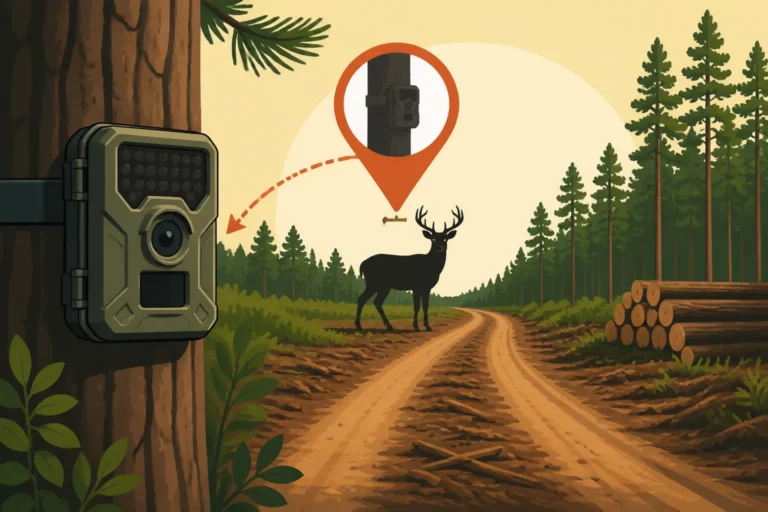
Deer trails in swamps are often much more subtle than those found in uplands. They might be partially submerged or overgrown, but you'll still notice depressions in the mud, bent grass, or disturbed leaves. Pay close attention to rub lines that lead directly into or out of the funnel, especially during the pre-rut and rut phases. Hunting the Rut in the Coastal Zones often involves bucks cruising these kinds of travel corridors. Scrapes, particularly those along the edges of the funnel, also indicate frequent deer passage. The fresher the sign, the more active the funnel. Don't be afraid to walk the entire length of the funnel, even if it's a long one, to get a complete picture of how deer are using it. Consider setting up a few trail cameras at key choke points to verify daytime movement and identify specific deer that might be using the funnel. This kind of diligent Scouting South Carolina Public Land Before Season will pay huge dividends.
Strategic Setups: Positioning for Success in a Swamp Funnel
Once you've identified an active swamp funnel, the next challenge is positioning yourself for a shot. This involves careful consideration of wind, thermals, and your own access.
Treestand and Ground Blind Placement
For swamp funnels, both treestands and ground blinds can be highly effective, depending on the specific terrain and vegetation. If there are suitable trees along the funnel's edge, a treestand offers excellent visibility over thick cover and helps keep your scent above the primary travel routes. Look for sturdy trees that offer good concealment and a clear shooting lane down the anticipated travel path. Don't overlook the importance of having an easy, quiet entry and exit route to your stand or blind. You don't want to spook deer before you even get settled or after your hunt. For more specific guidance on elevated positions, consider tips from Treestand Setups in Francis Marion National Forest, which can be adapted for swamp edges.
However, if suitable trees are scarce or the canopy is too dense, a ground blind can be an incredibly potent option. Swamps often have natural features like downed logs, thick palmetto patches, or dense canebrakes that provide excellent natural cover to tuck a blind into. The key is to blend it in as much as possible, brushing it in with local vegetation to break up its outline. Make sure your ground blind is elevated slightly if possible to gain a better vantage point, and always consider the wind direction. A well-placed ground blind allows for comfortable, concealed hunting, especially if you're planning a long sit. You can find more specific advice on Using a Ground Blind on South Carolina Public Land.
Understanding Wind, Thermals, and Access Routes
Hunting a swamp funnel effectively means becoming a master of wind and thermals. South Carolina's weather, especially in the Lowcountry, can be humid and unpredictable. Deer rely heavily on their sense of smell, and any careless scent contamination will ruin your hunt. Always approach and hunt a funnel with the wind in your favor, blowing your scent away from where you expect deer to approach. This might mean having multiple stand or blind locations for different wind directions, or accepting that some days a particular funnel simply isn't huntable.
Thermals are also a major factor, especially in areas with slight elevation changes. In the mornings, air typically flows downhill into the lower, cooler areas (like a swamp). In the evenings, as the ground cools, air often rises. A subtle rise in elevation within a funnel can create predictable thermal currents. Understanding Wind and Thermals on an Upstate Ridge offers principles that are equally applicable to the nuanced terrain of a swamp, helping you predict how your scent will move at different times of the day. Using a wind checker puff bottle religiously is non-negotiable.
Equally important is planning your access and exit routes. You want to get to your setup quietly and without disturbing the area. This often means walking parallel to the funnel, using thick cover or natural depressions to conceal your approach, and only entering the funnel itself directly at your stand or blind location. Avoid walking directly down the deer trail you intend to hunt. The same goes for your exit. If you have to pass through a high-traffic area, do it at midday when deer movement is typically lower, or wait until well after dark. Consider hunting your target area on days when Warm-Weather Sitting Strategy in South Carolina is essential, as careful planning can mitigate the challenges of heat and humidity.
Year-Round Opportunities: Season-Specific Tactics for Swamp Funnels
Swamp funnels aren't just for the rut; they can be productive from the earliest archery opener right through the late season, with a few tweaks to your strategy.
Early Season and Food Transitions
When South Carolina's archery season opens in mid-August in Zone 4 or mid-September in other zones, it's typically hot and humid. Deer movement is often concentrated around water sources and cooler, shadier areas. Swamp funnels, with their proximity to water and dense cover, provide exactly that. In the early season, focus your attention on funnels that lead directly to or from early-season food sources. This might be a patch of early-dropping acorns on slightly higher ground adjacent to the swamp, or fields of agricultural crops like soybeans or corn found on private land bordering the public swamp edges. Deer will use these funnels to transition from their cool, secure bedding areas in the swamp to feed under the cover of darkness, but often move during the golden hours of dawn and dusk.
Your primary goal during this time is to intercept deer as they move to or from these food sources. Setting up within shooting range of the funnel, but slightly off the main trail, can be effective. Consider glassing the edges of fields bordering the swamp in the evening to identify common entry and exit points. Remember, early season deer are often still in bachelor groups, and mature bucks can be predictable if you pinpoint their food-to-bedding routes. This is where those trail camera intel reports from GoHunt really shine, showing you exactly when and where they're moving.
Rutting Action and Cruising Bucks
The rut is arguably the most exciting time to hunt swamp funnels. As bucks begin to chase does, their primary focus shifts from food to finding breeding opportunities. Swamp funnels become high-traffic highways for cruising bucks looking for receptive does. Does also use these funnels as escape routes from persistent bucks. This means increased daytime movement and more unpredictable patterns, which can work in your favor.
During the peak rut, set up directly on the funnel itself, or slightly to the downwind side, giving you a wider view of the travel corridor. This is an excellent time to try rattling and grunting, as the sounds can carry well in the still swamp air and attract the attention of a curious buck. Bucks will often scent-check the entire funnel, so having a good wind advantage is crucial. These funnels can be especially productive mid-morning to midday, when bucks are most actively searching. Keep an eye out for fresh scrapes and rubs, as these will indicate current rutting activity. Hunting these areas during the rut offers a fantastic opportunity to catch a mature buck off guard, especially if you understand Hunting the Rut in the Coastal Zones.
Late Season Food and Thermal Cover
As the season progresses into late fall and early winter, food sources change, and deer become more focused on nutrition and thermal cover. Hard mast, like acorns, might be depleted, and deer will shift to whatever remaining food is available, such as green browse, persimmons, or standing crops. Swamp funnels still play a vital role, connecting those secure bedding areas to these diminishing food sources.
Additionally, the dense cover of a swamp funnel provides excellent thermal protection from cold winds and even light precipitation. Deer will often bed in or near these funnels to conserve energy. Look for funnels that lead to late-season food sources like honeysuckle, privet, or any remaining oaks that are still dropping acorns. Late-Season Food Sources for South Carolina Whitetails are often limited, making travel routes to them more concentrated. Hunting during a cold front can be particularly effective, as deer will be eager to move and feed to maintain their body temperature. Your tactics should revolve around ambushing deer as they travel between these critical resources. Be prepared for longer sits, as late-season deer often move more cautiously.
Table: Key Considerations for Hunting South Carolina Swamp Funnels
| Aspect | Early Season (Aug-Sep) | Rut (Oct-Nov) | Late Season (Dec-Jan) |
|---|---|---|---|
| Deer Focus | Food (Ag crops, early mast), Security, Water | Breeding, Chasing Does, Scent Checking | Remaining Food, Thermal Cover, Energy Conservation |
| Movement Timing | Mornings/Evenings (cooler temps) | All day (especially mid-morning to midday) | Midday (warmer periods), Mornings/Evenings to food |
| Setup Priority | Intercepting food-to-bedding patterns | Direct funnel intercepts, wider view for cruising bucks | Ambush near limited food sources and secure bedding |
| Scouting Sign | Well-worn trails, tracks, early rubs near food | Fresh rubs, scrapes, aggressive ground disturbance, widespread tracks | Fewer fresh rubs/scrapes, concentrated trails to food, bedding |
| Tactical Tip | Scent control paramount in heat; hunt mornings/evenings | Aggressive calling (grunts, rattling); longer sits | Hunt cold fronts; focus on limited, high-value food plots |
| Access/Exit | Quiet approach crucial before dawn/after dusk | Use cover for approaches; be flexible with entry/exit as movement is higher | Minimize disturbance; approach/exit during quiet periods |
Recovering Your Deer in the Swamp
Let's face it, hunting in a swamp means one thing: if you connect, you're likely tracking and recovering a deer in challenging terrain. This is where preparation and patience are paramount. Always give a deer shot in a swamp plenty of time before you begin tracking, especially if it's not a clear pass-through. A deer that might otherwise run 50 yards and drop could run 150 yards into the nastiest thicket in a swamp.
Mark your shot location meticulously. If you have a GPS or mapping app like GoHunt, drop a pin immediately. Look for blood, broken branches, or disturbed ground along the initial escape route. Blood trailing in a swamp can be tough; the dark, wet ground and dense vegetation often obscure signs. Go slow, look for disturbed leaves, and use flagging tape sparingly to mark the last known blood or sign. If you lose the trail, back out and give it more time, returning with more people if possible. Knowing how to effectively go about Recovering a Deer From a Lowcountry Swamp is an invaluable skill that can save you a lot of heartache and ensure you bring home your venison.
Disclaimer
Hunting involves inherent risks, including but not limited to those associated with firearms, archery equipment, wildlife, and natural terrain. Always prioritize safety, follow all local, state, and federal hunting regulations, and ensure you have the appropriate licenses and permits. The information provided in this guide is for informational purposes only and should not replace proper hunter education or professional guidance. Always respect private property and obtain permission before hunting on private land.