Bug Protection for Early Archery Season
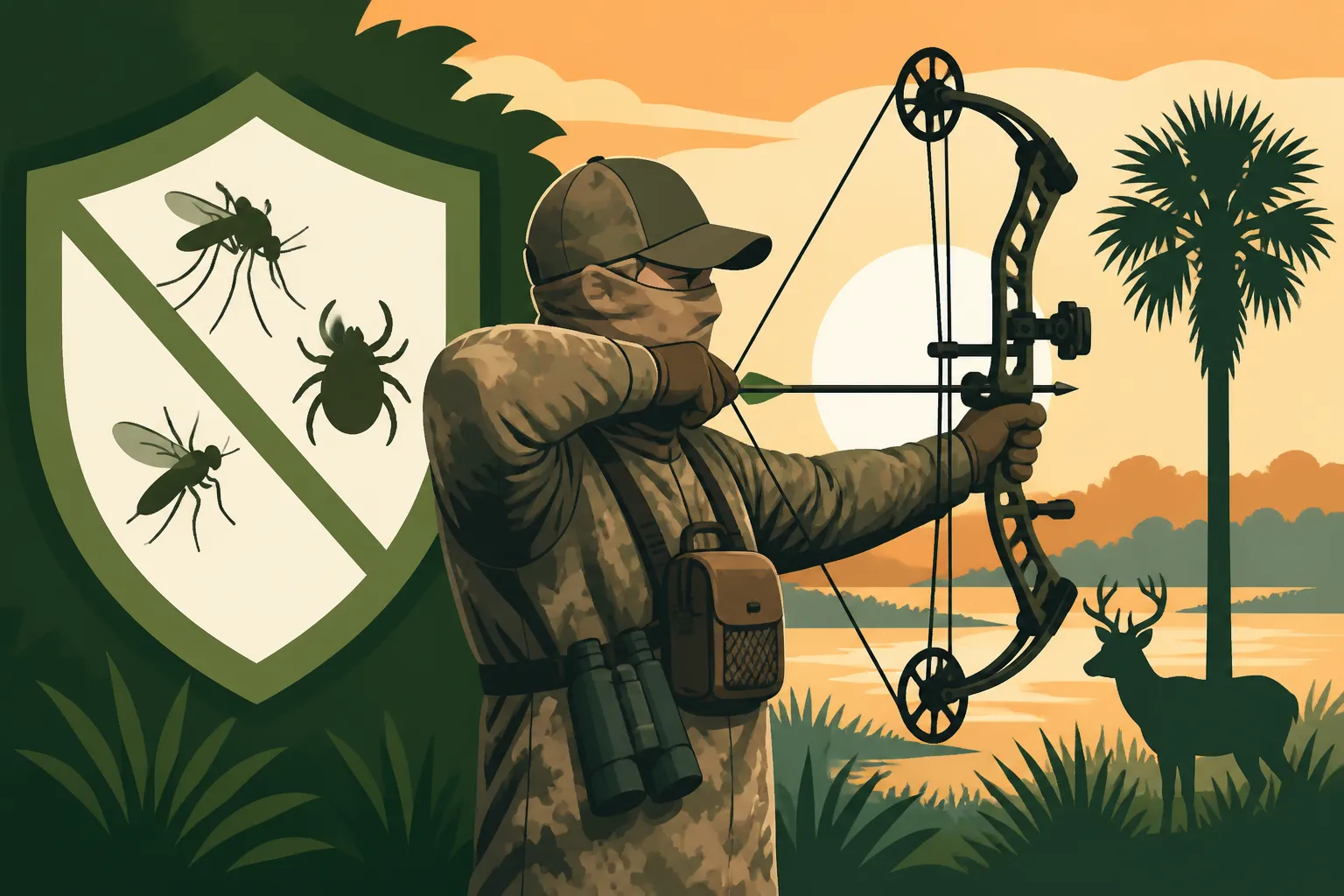
There's nothing quite like the excitement of early archery season in South Carolina. The air hums with anticipation, the woods are alive, and the deer are still on their summer patterns. But let's be real: that magic often comes with a persistent, buzzing, biting, and blood-sucking downside – the bugs. From relentless mosquitoes to insidious ticks and those maddening no-see-ums, they can turn a beautiful morning in the stand into an unbearable ordeal. This guide is all about equipping you with the knowledge and strategies to tackle these tiny tormentors head-on, so you can focus on the hunt, not the itch.
Understanding the Bug Threat in Early South Carolina Archery Season
South Carolina's warm, humid climate, especially in the early archery season, creates a perfect breeding ground for a host of insects that are more than just annoying; some pose significant health risks. Understanding who you're up against is the first step in winning the battle.
The Ubiquitous Mosquito and Its Impact
Ah, the mosquito. If there's one insect synonymous with South Carolina summers and early fall, it's this winged terror. They breed in standing water – puddles, clogged gutters, swampy lowlands, and even water held in tree hollows – which means our state's abundant rainfall and diverse waterways make them incredibly prevalent. When you're sitting still in a treestand, radiating warmth and exhaling carbon dioxide, you become an irresistible target.
A single mosquito bite is annoying enough, leaving an itchy welt, but repeated assaults can drive even the most patient hunter absolutely mad. Beyond the discomfort, these pests are vectors for diseases like West Nile Virus, Eastern Equine Encephalitis (EEE), and even heartworm in dogs, though human transmission of serious diseases is less common than the sheer irritation. Early season means temperatures are still high, often hovering in the 80s, and mosquito activity peaks during dawn and dusk – precisely when deer are most active and you want to be in your stand. Warm-Weather Sitting Strategy in South Carolina often includes planning around these peak bug times.
Ticks: The Silent Danger Beyond the Itch
While mosquitoes broadcast their presence with a high-pitched whine, ticks are masters of stealth. You often don't know they're on you until they've already latched on, sometimes for hours. South Carolina is home to several species of ticks, including the Lone Star tick, American dog tick, and deer tick (also known as the blacklegged tick in some regions), all of which can transmit diseases. The Lone Star tick, for example, is notorious for causing Alpha-gal syndrome, a red meat allergy, along with other illnesses. Deer ticks are the primary vectors for Lyme disease, though thankfully, Lyme is less common in South Carolina than in some northern states, other tick-borne diseases like Southern Tick-Associated Rash Illness (STARI) are present.
Early archery season, with its lush vegetation and still-warm ground, is prime tick habitat. Tall grasses, brushy areas, and leaf litter are their preferred ambush points. As you walk to your stand, brush against foliage, or even sit on the ground, ticks are just waiting for a chance to climb aboard. Checking yourself thoroughly after every hunt isn't just a recommendation; it's a critical safety measure. Neglecting tick prevention can have long-lasting health consequences that far outweigh any temporary discomfort from an itchy bite.
No-See-Ums and Gnats: Small but Mighty Annoyances
Don't let their diminutive size fool you; no-see-ums (also known as biting midges) and gnats can be some of the most frustrating bugs to encounter. No-see-ums are so small they can often slip through the mesh of standard insect screens or even tiny gaps in your clothing, delivering a surprisingly sharp, burning bite. They tend to be most active in still, humid air, often near water or marshy areas – which, again, describes a lot of fantastic hunting land in our state, especially in the lowcountry.
Gnats, particularly buffalo gnats or black flies in some areas, can swarm around your face and ears, driving you to distraction. While their bites might not be as sharp as a mosquito's, a persistent cloud of them is incredibly irritating, making it nearly impossible to stay still and focused. For anyone hunting in areas like the ACE Basin, these tiny terrors are a regular, maddening presence. They don't carry the same severe disease risk as ticks or mosquitoes, but they can certainly ruin a hunt and test your resolve.
Repellents: Your First Line of Defense
When it comes to bug protection, chemical repellents are often the unsung heroes of early season hunts. Knowing which ones work best and how to apply them can make all the difference in your comfort and focus.
DEET: The Gold Standard for Serious Protection
For decades, DEET (N,N-Diethyl-meta-toluamide) has been the undisputed champion of insect repellents, and for good reason. It’s incredibly effective against mosquitoes, ticks, chiggers, and flies. While some folks have concerns about its strength, when used correctly, it’s safe and provides reliable, long-lasting protection. The key is understanding concentration. You don't necessarily need 100% DEET; formulations around 20-30% offer excellent protection for several hours without being overly harsh. Higher concentrations just last longer, not necessarily repel more intensely.
When applying DEET, focus on exposed skin like your face, neck, hands, and wrists. Avoid spraying it directly on your face; instead, spray it into your hands and then apply it. Be mindful that DEET can damage certain synthetic materials, plastics, and even some gun stocks, so try to keep it off your gear. For those really bug-infested early mornings, especially if you're Hunting Lowcountry Swamp Deer or dealing with persistent biting insects, a quality DEET product is often indispensable. Just remember to wash it off thoroughly with soap and water once your hunt is over.
Picaridin: A Gentler Yet Effective Alternative
If DEET isn't your preference, Picaridin is an increasingly popular and highly effective alternative. Derived from a compound found in pepper plants, Picaridin offers similar broad-spectrum protection against mosquitoes and ticks but without some of DEET's drawbacks. It's virtually odorless, non-greasy, and won't damage plastics or synthetic fabrics. This makes it a fantastic choice for hunters who are sensitive to smells or concerned about their gear.
Picaridin in concentrations of 20% or more provides protection comparable to mid-range DEET products, often lasting for several hours. It's generally considered gentler on the skin, making it a good option for those with sensitivities. Many hunters find it less noticeable on the skin, which is a bonus when you’re trying to stay scent-free. I've found it to be incredibly effective for general use, especially when the bug pressure isn't absolutely overwhelming. Pairing Picaridin on exposed skin with permethrin-treated clothing (which we'll get to next) is a powerful one-two punch against most early season pests.
Permethrin-Treated Clothing: A Game Changer for Outerwear
Here's where things get really smart for bug protection: permethrin. Unlike DEET or Picaridin, which you apply to your skin, permethrin is an insecticide that you apply to your clothing and gear. Once dry, it binds to the fabric and remains effective for multiple washings, typically lasting for weeks or even months. It doesn't just repel bugs; it kills or knocks down mosquitoes, ticks, chiggers, and mites on contact.
You can buy clothing pre-treated with permethrin, or you can purchase permethrin spray and treat your own hunting clothes, hats, gloves, and even your backpack. This creates an invisible, odorless bug-killing barrier that prevents ticks from crawling up your legs and mosquitoes from biting through your shirt. For anyone spending time in dense South Carolina woods, especially in tick-heavy areas, permethrin-treated clothing is almost a non-negotiable. It's fantastic for Scouting South Carolina Public Land Before Season when you're walking through thick brush. Just remember, permethrin should never be applied directly to your skin, only to fabric. Always allow treated clothing to dry completely before wearing it.
| Repellent Type | Target Pests | Application Method | Pros | Cons |
|---|---|---|---|---|
| DEET | Mosquitoes, Ticks, Gnats | Skin | Highly effective, long-lasting | Strong odor, greasy feel, can damage plastics/synthetics |
| Picaridin | Mosquitoes, Ticks, Gnats | Skin | Effective, nearly odorless, non-greasy, won't damage gear | May not last quite as long as high-concentration DEET |
| Permethrin | Mosquitoes, Ticks, Chiggers | Clothing/Gear (NOT skin) | Kills on contact, long-lasting on fabric, odorless when dry | Only for fabric, not skin; can be toxic to cats when wet |
Physical Barriers and Clothing Strategies
While repellents are crucial, layering up with the right clothing provides an additional, robust line of defense against biting insects. This isn't just about covering skin; it's about choosing materials and designs that actively deter bugs.
Lightweight, Breathable Clothing for Coverage
In the heat and humidity of early archery season, the thought of wearing long sleeves and pants might seem counterintuitive. However, lightweight, breathable hunting clothing can be your best friend. Look for fabrics that offer good airflow and moisture-wicking properties, helping you stay cool while keeping your skin covered. Synthetics like polyester or nylon blends are often preferred over cotton, as they dry faster and are less prone to holding moisture, which can lead to chafing and discomfort.
A good long-sleeved shirt and long pants act as a physical barrier against mosquito bites and prevent ticks from easily accessing your skin. Many modern hunting clothes even have built-in insect shield technology, often using permethrin. Consider light-colored clothing for your base layers, as darker colors tend to attract more heat. The goal is to maximize coverage without causing you to overheat, ensuring you can stay in your stand comfortably for extended periods. Lightweight Layering for Warm-Weather Sits is key to making this strategy effective.
Headnets, Gloves, and Other Specialized Gear
Sometimes, even with repellent and full coverage, those persistent no-see-ums and gnats will find a way to get at your face and hands. This is where specialized gear like headnets and gloves become invaluable. A good headnet, preferably one with a fine mesh, can be a sanity saver when hunting areas prone to swarming insects. It allows you to see clearly and maintain your focus without constantly swatting at your face.
Lightweight hunting gloves, especially those made of a breathable synthetic material, protect your hands from bites while still allowing for good dexterity for your bow. Some even offer a bit of compression, which can be nice on a long sit. Don't forget a brimmed hat to keep the sun out of your eyes and provide an anchor point for your headnet. Think about every exposed part of your body. If you're going to be Hunting the ACE Basin for Deer, you'll want every piece of this specialized gear in your pack.
The Role of Camouflage Patterns in Bug Concealment
While camouflage is primarily designed to break up your silhouette and help you blend into your surroundings, it also plays a subtle role in bug protection. Dense patterns and textures can make it slightly harder for mosquitoes to pinpoint exposed skin, though this effect is minimal compared to repellents and physical barriers. However, the true benefit here is psychological. Knowing you're fully covered and blended in helps you stay still and confident, which in turn reduces frantic movements that might attract attention from both deer and bugs.
More importantly, many modern hunting clothes that feature effective camouflage patterns are also designed with insect protection in mind, often incorporating permethrin treatments or tightly woven fabrics. So, while the pattern itself isn't a bug repellent, choosing high-quality camo gear from brands that prioritize functionality, much like the detailed gear discussions you might find on a platform like GoHunt, means you're likely getting clothing that offers both concealment and a physical barrier against bugs. It's about selecting a holistic system that works together for maximum comfort and effectiveness.
Strategic Setup and Timing to Minimize Exposure
Beyond gear and repellents, smart hunting tactics can significantly reduce your encounters with bugs. This involves careful consideration of where and when you choose to hunt.
Choosing Your Stand Location Wisely
Your choice of stand location can dramatically impact bug pressure. Areas with standing water, dense undergrowth, or stagnant air are mosquito magnets. Conversely, higher ground, open areas with good airflow, and locations away from swamps or muddy creek bottoms will generally have fewer mosquitoes. When setting up your stand, especially during those early August and September archery hunts, try to identify spots that offer a natural breeze. Even a slight air movement can make a huge difference in keeping mosquitoes at bay.
Consider terrain features. If you're on a ridge or an elevated field edge, the wind is more likely to carry those annoying insects away. In contrast, deep bottoms or heavily canopied areas, while perhaps offering great deer sign, can be suffocating with bugs. Think about your approach and exit paths too. Minimizing your walk through dense, low-lying vegetation can reduce the number of ticks that hitch a ride. While Treestand Setups in Francis Marion National Forest can be fantastic, always evaluate the immediate surroundings for bug hotspots.
The Impact of Wind and Thermals on Bug Activity
Understanding wind and thermals is crucial not just for scent control, but for bug control as well. Mosquitoes, gnats, and no-see-ums are weak fliers and dislike even a gentle breeze. If you can position yourself where you'll consistently have a slight wind, you'll find a noticeable drop in bug activity. This often means hunting higher up in the canopy or on exposed points.
Thermals, which are rising or falling air currents, also play a role. In the morning, as the sun warms the ground, air (and your scent, along with bugs) will rise. In the evening, as the air cools, it will fall. Positioning yourself to take advantage of these natural air movements can help carry bugs away from you. For example, setting up on a Hanging a Stand on a Sumter Forest Ridge in the morning might give you the benefit of rising air carrying your scent and bugs up and away, whereas in the evening, they might fall back down on you. Always consider how the air is moving relative to your position and how that might affect insect presence.
Timing Your Hunts to Avoid Peak Bug Hours
Just like deer, bugs have peak activity times. Mosquitoes and no-see-ums are typically most active during dawn and dusk, which inconveniently aligns with prime deer movement. If bug pressure is unbearable, you might consider adjusting your hunt times slightly. For instance, rather than being in your stand an hour before legal shooting light, perhaps arrive just at legal light, or hunt later in the morning after the sun has been up for a while and insects start to retreat. Similarly, evening hunts might be cut short slightly before absolute dark to avoid the heaviest onslaught.
Midday hunts in the shade, if deer are moving, can sometimes offer a reprieve from direct sun and slightly less bug activity, though the humidity can still be a factor. The best strategy is often to be prepared for bugs at all times, but by understanding their peak activity, you can strategically allocate your hunting efforts to those windows when you might experience a bit less harassment. This balance allows you to still hunt effectively while minimizing the maddening distraction of incessant bites.
Post-Hunt Care and Dealing with Bites
The battle against bugs doesn't end when you climb out of your stand. Proper post-hunt care is essential for your comfort and health, especially when it comes to ticks.
Immediate Actions After the Hunt
As soon as you finish your hunt, especially if you've been in dense cover or tick-prone areas, a thorough check of your clothing and body is paramount. Before even getting in your vehicle, strip down, or at least perform a quick visual inspection. Ticks can cling to clothing for hours, so toss your hunting clothes directly into the washing machine. Better yet, throw them in a hot dryer first for 10-15 minutes; the heat will kill any lingering ticks.
Once you get home, take a shower and do a meticulous head-to-toe tick check. Pay close attention to warm, hidden areas like armpits, groin, behind the knees, belly button, scalp, and behind the ears. Remember, juvenile ticks (nymphs) can be incredibly tiny, sometimes no bigger than a poppy seed. A good strategy is to have a partner check areas you can't easily see. This immediate attention can prevent ticks from embedding and greatly reduce the risk of disease transmission.
Treating Bites and Preventing Infection
Despite your best efforts, you're bound to get a few bites during early archery season. For mosquito and no-see-um bites, over-the-counter anti-itch creams containing hydrocortisone or antihistamines can provide relief. Calamine lotion or even a cold compress can also help reduce swelling and discomfort. The most important thing is to avoid excessive scratching, which can break the skin and lead to secondary infections.
For tick bites, if you find an embedded tick, remove it immediately and correctly. Use fine-tipped tweezers to grasp the tick as close to the skin's surface as possible. Pull upward with steady, even pressure; avoid twisting or jerking. Do not use heat, petroleum jelly, or nail polish to try and make the tick detach, as this can cause it to regurgitate potentially disease-carrying fluids. After removal, clean the bite area thoroughly with rubbing alcohol or soap and water. Keep an eye on the bite area for any rash or unusual symptoms in the following weeks.
Recognizing and Responding to Tick-Borne Illness Symptoms
While finding and removing ticks quickly reduces your risk, it doesn't eliminate it entirely. It's crucial to be aware of the symptoms of common tick-borne illnesses prevalent in our region. For instance, STARI (Southern Tick-Associated Rash Illness), often linked to the Lone Star tick, presents with a bull's-eye rash similar to Lyme disease, but usually with milder symptoms. Other potential diseases include ehrlichiosis and Rocky Mountain spotted fever, which can cause fever, headaches, muscle aches, and rashes.
If you develop any unusual symptoms—such as a rash, fever, chills, severe headache, or body aches—within a few weeks of a tick bite, contact your doctor immediately. Be sure to inform them that you've been hunting in an area with ticks. Early diagnosis and treatment, often with antibiotics, are critical for preventing more serious complications. Your health is far more important than any hunting trophy, so don't hesitate to seek medical advice if you're concerned. Being proactive about your health is just as important as your hunting preparation, much like how you might carefully plan your Bowhunting South Carolina's Long Archery Season to maximize success.
Disclaimer
This article is for general informational purposes only and does not constitute professional advice. Laws, prices and regulations vary by location and change over time. Consult a qualified professional for guidance on your specific situation.