Ground Blind Rules on South Carolina WMAs
Hunting South Carolina's Wildlife Management Areas (WMAs) can sometimes feel like you need a law degree to understand all the regulations, and ground blinds are a prime example of where confusion often sets in. It's not always as simple as throwing up a pop-up blind in your favorite spot; there are specific rules designed to protect both the hunter and the resource. This guide will help you navigate the nuances of ground blind usage on South Carolina WMAs, ensuring you stay compliant and set yourself up for a successful hunt.
The Core Rules for Ground Blinds on South Carolina WMAs
When you're out on a WMA, whether it's the sprawling timber of Sumter National Forest or a more secluded coastal tract, understanding the basic regulations for ground blinds is absolutely essential. The South Carolina Department of Natural Resources (SCDNR) sets these rules to maintain order, prevent damage to public lands, and ensure a fair and safe hunting environment for everyone. Ignoring them can lead to fines, loss of hunting privileges, and a generally miserable day afield.
What Constitutes a Legal Ground Blind
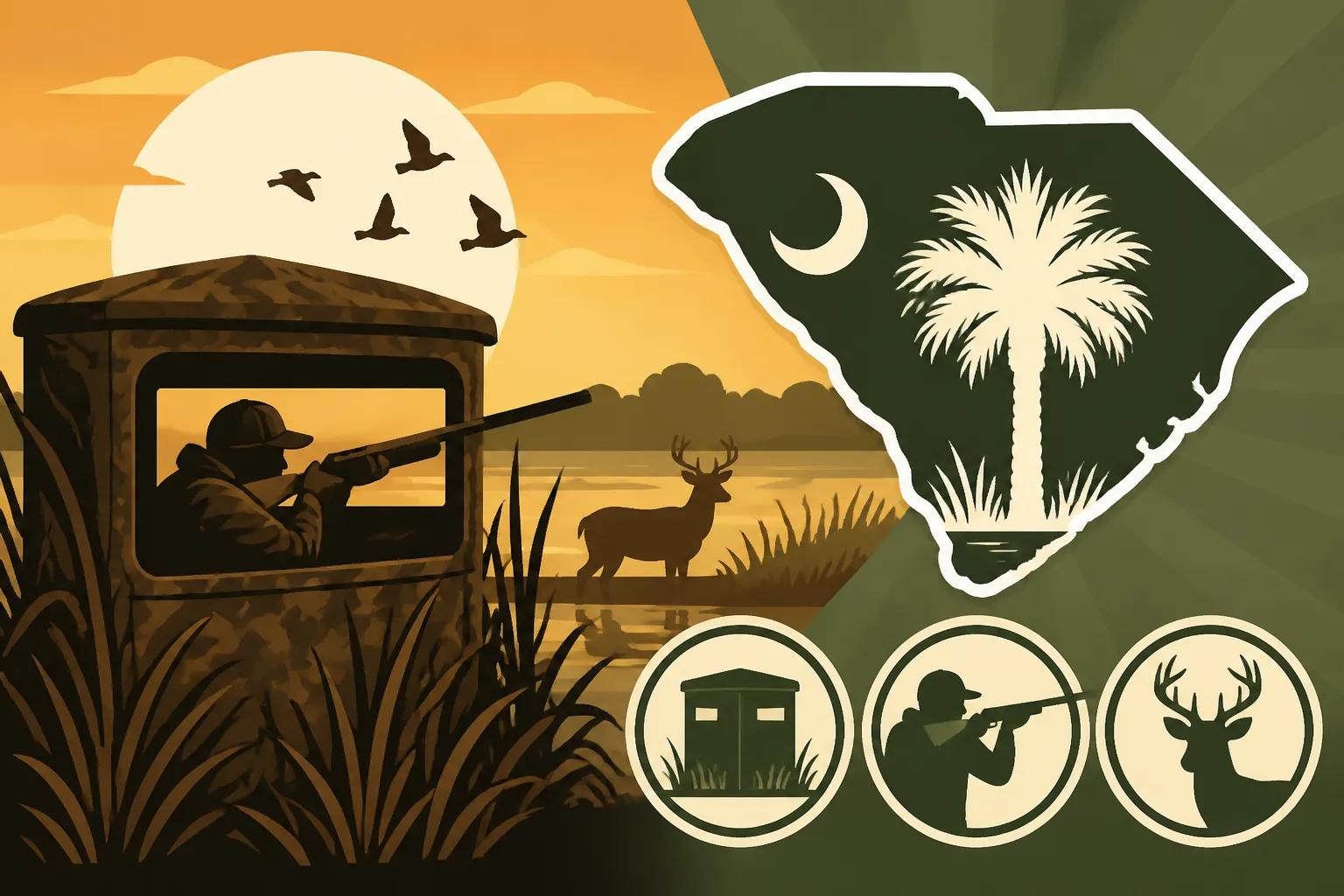
First and foremost, let's talk about what the state considers a "ground blind" for WMA purposes. Generally, a ground blind is any man-made structure or material used to conceal a hunter on the ground. This can range from a commercially purchased pop-up blind, which is often the most common type, to camouflage netting draped over natural vegetation or a more permanent structure you might build. The critical distinction usually lies in whether it's left unattended and whether it's truly "man-made." On most WMAs, you can certainly use natural materials to build a temporary blind, breaking off branches or piling up brush, as long as you're not cutting down live trees or damaging the natural habitat significantly. But a pop-up blind, for example, is clearly man-made and falls under specific regulations, especially if you intend to leave it out for any period.
The rule of thumb here is often about permanence and impact. You can certainly sit behind a blown-down log or a thick cluster of palmettos without needing a tag, but once you start adding fabric, stakes, or any other manufactured materials, you're entering the realm of regulated ground blinds. Think about the impact your blind has on the environment and on other hunters. A simple, natural blind that blends in and leaves no trace is always a safe bet. However, when you bring in gear, those are the items that need to adhere to the rules.
Prohibitions and Restrictions on Construction
While you might be eager to construct the ultimate hidden fortress, many WMAs have strict prohibitions against building permanent or semi-permanent structures. This means no cutting down trees, no driving nails into live timber, and no leaving behind materials that degrade slowly or pose a hazard. You can't construct a box blind out of plywood and leave it nailed to trees on public land, for instance. That's a definite no-go and will earn you an immediate citation. The goal is to keep WMAs as natural as possible, preventing individual hunters from claiming spots or damaging the ecosystem for their personal use. This also ensures that every hunter has an equal opportunity to find suitable cover.
So, while you can utilize natural features, bringing your own lumber or extensive tools for construction is usually out of the question. Even something as seemingly benign as pruning a branch to clear a shooting lane might violate rules against altering habitat. Always err on the side of caution: if you didn't bring it in, don't build it up using permanent methods. The idea is minimal impact, maximum stealth, and respect for the land and fellow hunters. For more general guidelines on hunting public ground, check out Public Hunting Land in South Carolina.
Strategic Placement and Seasonal Considerations
It’s not enough to simply have a legal ground blind; you also need to know where and when to place it. South Carolina WMAs often have specific rules regarding how close your blind can be to property lines, roads, or other hunters. These rules are in place to ensure safety, prevent conflicts, and manage hunter density across the limited public land.
Distances from Roads, Property Lines, and Other Hunters
One of the most common pitfalls for hunters is unknowingly setting up too close to a road, property line, or another hunter’s established spot. While exact distances can vary by specific WMA, a good general rule is to maintain a significant buffer. This protects you from accidental trespassing and ensures your shots are directed safely away from public thoroughfares or private property. SCDNR regulations typically specify distances from roads or dwellings, and it's your responsibility to know these before you set up. Imagine the headache of tracking a deer only to find it's run onto private land where you don't have permission, or worse, having a shot ricochet towards a vehicle.
Beyond legal boundaries, there's also an unwritten etiquette among hunters. It's generally considered rude and can even be dangerous to set up too close to another hunter's stand or blind. If you arrive at a spot and see a vehicle, a hanging stand, or even visible boot tracks heading into a prime area, it's best to move on and find another location. Reading South Carolina Mud for Fresh Deer Movement can help you determine if someone else has recently been in the area. Tools like onX Hunt can be incredibly helpful here, allowing you to clearly see WMA boundaries, property lines, and even identify common access points or parking areas that might indicate other hunters are nearby. It’s an invaluable tool for ensuring you’re not encroaching on someone else’s space or risking an uncomfortable encounter.
Leaving Blinds Unattended and Marking Requirements
This is where things often get tricky for pop-up blinds. On many WMAs, you cannot leave a ground blind unattended overnight or for extended periods. The rationale behind this is multifold: it prevents "claiming" public land spots, reduces litter and abandoned equipment, and avoids potential hazards for other users. If you do leave a blind for a short period during daylight hours (e.g., for a bathroom break or to track game), it often needs to be clearly marked with your name, address, and/or SCDNR customer ID number. This allows wildlife officers to identify the owner and enforce regulations.
Always check the specific WMA regulations, as some areas might have different rules for temporary versus day-use blinds. For example, some WMAs may allow blinds to be left for the duration of a specific hunt, while others require them to be removed daily. A great resource for checking these specific rules is the Go Outdoors SC website or app. It’s always better to over-communicate your presence if you're leaving a blind even temporarily. Make sure that identification is waterproof and securely fastened so it doesn't get lost or damaged by weather. For understanding the specific dates and zones that might affect your hunting plans, review South Carolina's Four Game Zones.
| Regulation Aspect | General WMA Rule | Important Considerations |
|---|---|---|
| Blind Type | Portable, commercially manufactured blinds allowed. | Natural blinds using deadfall/brush are generally fine, but no cutting live trees. |
| Permanent Structures | Strictly prohibited. No nails, screws, or permanent building. | Avoid anything that damages habitat or leaves lasting alterations. |
| Identification | Often required if left unattended. | Must include name, address, and/or SCDNR customer ID. Check specific WMA for details. |
| Placement Distance | Maintain distance from roads, private property, dwellings. | Specific distances vary, always check WMA rules. Use apps like onX Hunt to verify. |
| Duration | Most often, blinds must be removed daily. | Some WMAs may allow longer duration; confirm local rules to avoid abandoned property issues. |
| Blaze Orange | Required when moving to and from blind, and often while in blind. | Ensure adequate visibility to other hunters. |
| Alteration of Habitat | Prohibited. Do not cut shooting lanes or prune live vegetation. | Preserve the natural state of the WMA. |
Safety, Identification, and Respecting the Resource
Beyond merely adhering to the letter of the law, using a ground blind on a WMA involves a deeper responsibility to safety, clear identification, and overall respect for the public lands and fellow outdoors enthusiasts. These aren't just rules; they're guidelines for being a responsible and ethical hunter.
Blaze Orange Requirements Even in a Blind
This is a frequently misunderstood rule! Many hunters assume that because they are concealed within a ground blind, they are exempt from blaze orange requirements. This is often not the case on South Carolina WMAs. While you might be hidden from game, you still need to be visible to other hunters, especially when moving to and from your blind. Many WMAs require a minimum amount of blaze orange to be displayed while actively hunting, even if you are inside an enclosed blind. This could mean a blaze orange hat or vest worn while walking in, or even a piece of blaze orange material draped over the exterior of your blind once you're settled. This is crucial for safety, particularly during deer drives or still-hunting seasons where hunters might be moving through the woods.
Imagine another hunter still-hunting through thick palmetto scrub and only seeing a flash of camo where they expect a deer. This is how accidents happen. Your visibility ensures that you are clearly identified as a human, not a game animal. Always double-check the specific WMA regulations for the exact requirements. It's not about ruining your hunt; it's about coming home safely at the end of the day. For more on this critical safety measure, see South Carolina Blaze Orange Requirements.
Leaving No Trace and Preventing Damage
One of the foundational principles of public land hunting is "Leave No Trace." This means that when you pack out, your hunting spot should look exactly as it did when you arrived, or even better. For ground blinds, this translates to removing all your gear, stakes, and any refuse you might have generated. Abandoned blinds become litter, eye-sores, and potential hazards. Furthermore, any attempt to permanently alter the landscape—like clearing extensive shooting lanes by cutting down saplings or damaging sensitive vegetation—is strictly prohibited and goes against the ethos of WMA management.
This preservation mindset extends beyond just your blind. Pack out all your trash, including spent shell casings, food wrappers, and anything else you brought in. If you built a temporary blind out of natural materials, dismantle it so it doesn't look like an abandoned structure. The health of our WMAs depends on every hunter taking personal responsibility for their impact. By leaving no trace, you help ensure that these valuable public hunting grounds remain accessible and enjoyable for future generations of hunters. This practice is essential for preserving the wild character of places like Francis Marion National Forest, where proper Treestand Setups in Francis Marion National Forest also emphasize minimal impact.
Pre-Season Prep and Scouting for Blind Success
Successfully hunting from a ground blind on a South Carolina WMA involves more than just knowing the rules; it requires solid pre-season scouting and intelligent planning. The right location, combined with a legal setup, can make all the difference between a productive hunt and a frustrating one.
Researching WMA-Specific Regulations
The single most important step before ever setting foot on a WMA is to thoroughly research its specific regulations. While there are statewide rules, many WMAs have additional, unique restrictions or requirements. These might pertain to hunting days, specific species allowed, equipment restrictions, or yes, even particular rules for ground blinds. For instance, a WMA known for its sensitive ecological zones might have stricter rules about disturbing vegetation or leaving any kind of temporary structure. Always assume that the most restrictive rule applies if there's any ambiguity.
The SCDNR website is your best friend here, providing detailed PDFs or webpages for each WMA. Don't rely on general knowledge or what you heard from a buddy about a different WMA. What's legal on one tract could be a violation on another. Some hunters even print out the relevant pages or save them to their phone for quick reference in the field. This proactive approach saves you time, potential legal trouble, and helps you understand the bigger picture of how South Carolina Wildlife Management Areas are managed.
Utilizing Mapping Tools and Scouting on Foot
Once you've got the rules down, it's time to find your spot. This is where modern mapping tools really shine. Platforms like onX Hunt are indispensable for WMA hunters. They allow you to overlay public land boundaries, private property lines, topo maps, and even aerial imagery, giving you a comprehensive view of the terrain before you even leave your couch. You can identify potential pinch points, food sources, bedding areas, and access routes—all while ensuring you're within WMA boundaries. This can also help you avoid setting up too close to private land, a common issue in patchwork landscapes.
Of course, nothing beats boots on the ground. Scouting on foot allows you to confirm what you saw on the map, identify fresh sign, and assess the actual suitability of a blind location. Look for natural cover that can help conceal your blind, clear shooting lanes, and a consistent wind direction for your chosen setup. Pay attention to how deer move through the area, looking for trails, rubs, and scrapes. When scouting, think about your entry and exit routes to the blind to minimize disturbance. You can often use the Go Outdoors SC App for in-field navigation and to verify your position. A well-scouted, legally placed ground blind can significantly increase your chances of success, whether you're hunting deer or other small game.
Integrating Blinds with Other Tactics
Ground blinds are fantastic tools, but they don't operate in a vacuum. Think about how they integrate with your overall hunting strategy. Are you planning to rattle and grunt during the rut? A ground blind offers excellent concealment for those aggressive calls, especially on a chilly morning when you want to minimize movement. If you're hunting small, isolated pockets of cover on a WMA, a well-placed blind can give you the advantage of being hidden while having a wide view. You can also use them in conjunction with natural funnels or pinch points you've identified through scouting.
Consider the time of year and the weather. A ground blind can offer protection from wind and rain, making those long sits more comfortable, especially in the South Carolina heat and humidity. They can also be great for mentored youth hunts, providing a contained and comfortable space for young hunters. Just remember that no matter how good your blind setup is, you still need to practice scent control and remain as still as possible. A ground blind simply helps facilitate that concealment; it doesn't do all the work for you. Understanding Hunting South Carolina's Year-Round Feral Hogs can even lead to using blinds for thermal hunting at night where legal on private land, highlighting the versatility of these setups.
Disclaimer
This article is for general informational purposes only and does not constitute professional advice. Laws, prices and regulations vary by location and change over time. Consult a qualified professional for guidance on your specific situation.