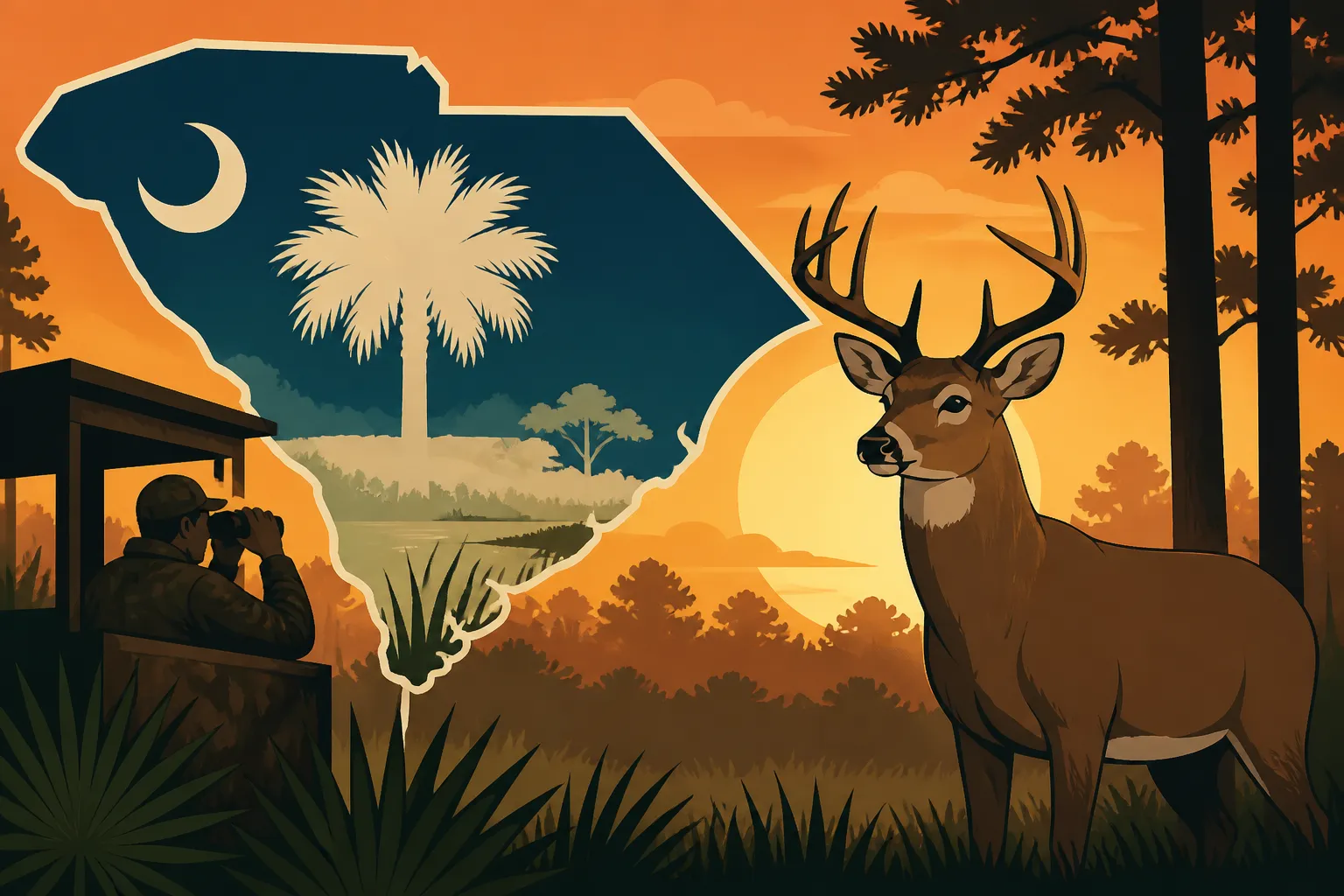
South Carolina Deer Camps and Hunting Clubs
For many South Carolina hunters, the dream of consistent access to quality deer habitat often clashes with the reality of limited public land or the challenges of securing private land permission. This struggle to find a reliable place to pursue whitetails can be incredibly frustrating year after year, leaving many feeling like they're constantly scrambling. This guide dives deep into the world of South Carolina deer camps and hunting clubs, exploring how these communities offer a fantastic solution, from shared expenses to lasting friendships and prime hunting opportunities.
The Enduring Appeal of Deer Camps and Hunting Clubs in South Carolina
There's something uniquely special about the tradition of a deer camp or the camaraderie of a well-run hunting club in South Carolina. It's more than just a place to hunt; it’s a lifestyle, a community, and often, a second family. The sheer difficulty of consistently finding prime hunting land on your own, especially with increasing development and demand, makes these arrangements incredibly attractive. For many, joining a club or establishing a camp with friends is the only viable path to truly enjoy the deer season without the constant headache of searching for access.
The Brotherhood and Sisterhood of the Camp
When you join a deer camp or hunting club, you're not just buying access to land; you're investing in a shared experience. Think about it: the early morning coffee before a hunt, the quiet discussions about stand locations, the triumphant (or sometimes exaggerated) recounting of the day's events around a campfire. These moments forge bonds that often last a lifetime. It's about collective knowledge sharing, where seasoned hunters can mentor newer members, and everyone contributes to the success of the group. From field dressing a deer together to celebrating a successful season, the fellowship is a huge part of the draw. This sense of belonging is often the secret ingredient that keeps members coming back year after year, creating traditions that span generations, much like what you'd find detailed in articles about South Carolina Deer Camp Traditions.
Overcoming Public Land Pressures
Let's be honest, hunting public land in South Carolina, while offering incredible opportunities, can sometimes feel like a contact sport. The pressure on our Wildlife Management Areas (WMAs) and National Forests is real, especially during opening weekends or peak rut. You might spend hours scouting, only to find another hunter's stand just a stone's throw from your prime spot. That kind of frustration can really take the joy out of the experience. Hunting clubs, by their very nature, offer a private sanctuary from these crowds. With a limited number of members sharing a dedicated tract of land, you gain a sense of peace and predictability. You know who else is out there, and you can coordinate to spread out effectively, allowing deer to move more naturally and offering a much more relaxed hunting experience. This stark contrast makes the investment in a club well worth it for many who are tired of navigating Hunting Pressure on South Carolina Public Land.
Types of South Carolina Hunting Clubs
Not all hunting clubs are cut from the same cloth, and understanding the different models is crucial when you're looking for the right fit. What works for one hunter might not align with another's expectations or budget. South Carolina offers a diverse landscape of club structures, from casual groups sharing a lease to more formal organizations with significant land holdings and extensive management plans.
Lease-Based Clubs
This is probably the most common type of hunting club you'll encounter in South Carolina. A group of hunters pools their resources to lease a tract of private land from a landowner, often a timber company, a farmer, or a private estate. The cost of the lease is then divided among the members, along with any other shared expenses like food plot seed, stand maintenance, or camp upkeep. These clubs can range from small, informal groups of friends to larger, more organized associations. The key benefit here is access to private land without the massive capital investment of ownership. You'll often find these leases in prime areas like the Lowcountry's agricultural lands or vast timber tracts in the Midlands. The terms of these leases can vary wildly, so it's vital to understand what you're getting into, particularly regarding South Carolina Hunting Lease Costs.
When considering a lease-based club, it's not just about the upfront cost. You'll want to dig into the details of the lease agreement itself. How long is the lease term? Are there renewal options? What are the landowner's expectations regarding land use, timber thinning, or access for other activities like farming? These details can significantly impact your hunting experience. Furthermore, understand the responsibilities each member is expected to undertake beyond just paying dues. Is there a mandatory number of workdays? Who maintains the roads, food plots, and stands? A well-defined set of rules and expectations is the backbone of a successful lease-based club, preventing future disagreements among members.
Owning Shares or Land
For those looking for a more permanent and invested stake in their hunting future, some clubs operate on a share-based or outright land ownership model. In a share-based club, members buy a "share" in a larger entity that owns the land. This is essentially like owning a piece of a cooperative, giving you equity and a say in the long-term management of the property. The initial investment is significantly higher than a lease, but it also means building equity and often a greater sense of pride and commitment among members. These types of clubs often have very detailed bylaws and a more formal board structure to manage the asset.
Outright land ownership, either individually or as part of a smaller, very close-knit group, represents the ultimate level of control and investment. While not strictly a "club" in the traditional sense, it shares many principles of shared management and camaraderie. This allows for complete control over habitat management, timber practices, and hunting rules, tailored exactly to the members' desires. Of course, this comes with the highest financial burden and all the responsibilities of land ownership, from property taxes to insurance and maintenance. These more permanent arrangements allow for long-term habitat improvement projects, truly shaping the land to maximize its potential for deer and other wildlife.
Specialty or Niche Clubs
Beyond the general deer hunting clubs, South Carolina also hosts a variety of specialty or niche clubs. These might focus on particular game animals, specific hunting methods, or unique conservation goals. For example, you might find clubs dedicated solely to spring turkey hunting, often with properties managed specifically for wild turkeys, sometimes with detailed information on South Carolina Spring Turkey Season Rules. Other clubs might focus on waterfowl hunting, often with access to flooded timber or managed impoundments along the coast, drawing on knowledge found in Waterfowl Hunting South Carolina's Coast. There are also clubs centered around primitive weapons hunting, catering to enthusiasts of muzzleloaders, bows, or crossbows, aligning with the spirit of South Carolina Primitive Weapons Tactics.
These specialized clubs offer a deeper dive into a particular passion, bringing together like-minded individuals who share a very specific interest. This often leads to more focused habitat management efforts, specialized gear discussions, and highly refined tactics for the target species or method. While they might still offer deer hunting opportunities, their primary mission is often distinct. If your hunting passion leans heavily towards one particular species or style, seeking out a specialty club could provide an even more fulfilling and focused experience.
What to Look For When Joining a Club
Joining a hunting club is a significant commitment, both financially and in terms of your time and expectations. It's not something you should rush into. Just like you'd thoroughly scout a new hunting area, you need to scout potential clubs. Doing your homework now can save you a lot of headaches, disappointments, and wasted money down the road.
Rules, Regulations, and Management Style
Before you even think about writing a check, you need to understand the club's rules and how it's managed. Are the rules clearly written and consistently enforced? Every club should have a set of bylaws or operating agreements that cover everything from guest policies and stand placement to harvest limits and acceptable behavior. Some clubs are very strict, with assigned stands, mandatory workdays, and detailed reporting requirements. Others are more relaxed, offering a "first come, first served" approach to stands and a more casual atmosphere.
Consider the management style. Is there a designated club president or committee that makes decisions? How are conflicts resolved? Is there a democratic process for major decisions, or is it run by a few key individuals? A club with clear communication, fair enforcement, and a transparent decision-making process is usually a happy and long-lasting one. If rules seem vague, or if there's a lot of talk about past member disputes, those are major red flags. You might also want to inquire about specific rules related to South Carolina Blaze Orange Requirements or other safety protocols to ensure they align with your comfort level.
Financial Commitments and Hidden Costs
The annual dues are just one piece of the financial puzzle when joining a club. Don't be afraid to ask about all potential costs. Are there initiation fees? What about special assessments for major improvements like road work, new gates, or food plot equipment? Who pays for insurance? What are the expectations for contributing to shared supplies like feeders, trail cameras, or camp maintenance materials?
Sometimes, the "hidden" costs aren't even direct fees. Think about the time and travel. If the club is a few hours away, those gas and vehicle maintenance costs add up quickly over a season. Will you need to invest in new gear to fit the club's specific hunting style or equipment requirements? For instance, if they primarily hunt from permanent box blinds, you might need a different rifle setup than if you were saddle hunting. Be realistic about your budget and ensure the total financial picture aligns with what you're willing and able to spend. Always ask for a detailed breakdown of all expected costs before committing.
Habitat and Deer Management Practices
The quality of the hunting experience is directly tied to the habitat and how the deer herd is managed. Don't just look at the size of the land; look at its health. Are there diverse food sources – natural mast crops like oaks, planted food plots, or agricultural fields? Is there good bedding cover and thickets for deer to hide and feel secure? Healthy habitat equals healthy deer. Many successful clubs actively engage in habitat improvement, from timber stand improvement to planting a variety of food plot mixes that provide nutrition throughout the season.
Inquire about the club's deer management philosophy. Do they focus on antlerless harvest to balance the herd, or is it solely about big bucks? Are there minimum antler restrictions? Do they require members to report all harvests, and do they use this data to make informed management decisions? A club that actively manages its deer herd, rather than just harvesting indiscriminately, is often a sign of a high-quality hunting experience. They might participate in programs like South Carolina's buck age structure goals or even have a system similar to what's described in South Carolina Deer Reporting Requirements. This commitment to sound wildlife management not only improves the hunting but also ensures the long-term health of the deer population on their property.
The Practicalities of a South Carolina Deer Camp
Beyond the thrill of the hunt, the day-to-day life at a South Carolina deer camp is a unique experience unto itself. It's about shared spaces, shared duties, and making memories that extend far beyond the shot. Whether it's a rustic cabin or a sprawling lodge, the camp itself becomes a central character in the hunting narrative.
Camp Infrastructure
Deer camps can run the gamut from a couple of pop-up campers parked in a clearing to fully furnished lodges with all the comforts of home. What kind of infrastructure does the club offer or allow? Is there a dedicated camp house with bunk beds, a kitchen, and a common area? Or is it more of a "bring your own RV" or tent setup? Consider the amenities: electricity, running water, hot showers, and reliable cell service (or blessed lack thereof). In South Carolina's often humid climate, access to a good place to clean up, cool down, and store game properly is a huge plus.
You'll also want to think about the practical hunting infrastructure. Are there established road systems for easy access? Who maintains them? Are there permanent stands, feeders, or food plots? The level of development and maintenance of these resources will directly impact your hunting experience and the amount of effort you'll need to put in personally. A club with well-maintained trails and strategically placed stands can mean more time hunting and less time struggling with logistics.
Shared Responsibilities and Work Days
While hunting is the ultimate goal, it's rarely just about showing up with your rifle or bow. Most successful hunting clubs rely heavily on shared responsibilities and dedicated workdays. These workdays are crucial for maintaining the property, whether it's planting food plots, clearing shooting lanes, repairing stands, or general camp cleanup. This collective effort is what makes the club viable and enjoyable for everyone. It's also a fantastic way to bond with fellow members, sharing laughs and sweat while preparing for the season.
When you're looking at a club, ask about the expectation for work contributions. Are workdays mandatory? Is there a fee if you can't make them? What kind of tasks are typically involved? Knowing this upfront helps you manage your time and ensures you're a contributing member of the community. A club where everyone pulls their weight generally fosters a stronger sense of ownership and satisfaction. This collaborative spirit is essential for tasks like Scouting South Carolina Public Land Before Season (if they allow members to scout outside workdays) or Habitat Work on South Carolina WMAs (if they model their efforts on public land management best practices).
Food, Fellowship, and Storytelling
The true heart of any deer camp lies not just in the hunting, but in the time spent together. Meals shared around a communal table, whether it's a gourmet spread or a simple pot of chili, become events in themselves. These are the moments for retelling stories of missed shots, close encounters, and the day's observations. It's where friendships deepen, and the sense of camaraderie truly blossoms. The fellowship extends beyond the hunt, often spilling over into offseason gatherings or simply checking in on each other.
Imagine the discussions about what deer are doing, comparing notes on wind direction, or strategizing for the next morning's hunt. This collective knowledge and shared passion are invaluable. Even when the hunting is slow, the camp environment provides a rich, rewarding experience. It's a place to unwind, disconnect from the daily grind, and reconnect with nature and good company. These aspects often become the most cherished memories, long after the season ends.
Finding the Right Fit: Resources and Strategies
Locating the perfect deer camp or hunting club in South Carolina can feel like searching for a needle in a haystack, especially if you're new to the area or trying to expand your hunting circle. However, with the right approach and resources, you can significantly improve your chances of finding a great match.
Networking and Word-of-Mouth
In the hunting world, especially in South Carolina, word-of-mouth remains one of the most powerful tools for finding club openings. Talk to other hunters, ask around at local sporting goods stores, check with taxidermists, or engage in conversations at local diners in rural areas. Many club openings are filled by referral, where existing members bring in friends or acquaintances they trust. Attending local conservation chapter meetings, like those for the National Wild Turkey Federation or Quality Deer Management Association, can also put you in touch with active hunters who might know of available spots. These informal networks are often the best source for finding clubs with a good reputation and a healthy membership dynamic. Don't underestimate the power of simply asking around among your current hunting buddies – someone always knows someone.
Online Resources and Platforms
In our modern world, the internet has become an indispensable tool for everything, and hunting clubs are no exception. Websites dedicated to hunting leases and club memberships exist, allowing landowners and clubs to advertise available spots. Look for online forums specific to South Carolina hunting, where members might post about openings or discuss clubs they're part of. Social media groups can also be surprisingly effective. Sites like GoHunt and onX Hunt offer resources, though onX Hunt is particularly useful for identifying potential private land tracts that might be leased or for researching ownership boundaries, which can indirectly lead to understanding potential club opportunities if you can identify large landholders.
When using online resources, be diligent. Don't just take a listing at face value. Look for clubs with comprehensive descriptions, clear photos, and transparent contact information. Websites like GoHunt often provide detailed information about hunting opportunities, and sometimes clubs will list directly there or through similar platforms. These digital tools can help you cast a wider net than traditional networking alone.
| Resource Type | Pros | Cons | Key Use for Clubs |
|---|---|---|---|
| Word-of-Mouth | Trusted referrals, inside info | Limited reach, relies on existing network | Finding openings in established, reputable clubs |
| Online Forums | Broad reach, peer reviews (sometimes) | Information can be outdated or unofficial | Discovering advertised openings, getting member feedback |
| Lease Websites | Centralized listings, formal agreements | High competition, can be impersonal | Identifying available lease-based clubs |
| onX Hunt / GoHunt | Property data, mapping tools, land ownership | Not direct club listings, but aids in research | Researching land quality, ownership, potential lease areas |
| Social Media | Fast communication, direct contact | Less formal, potential for miscommunication | Quick updates on openings, connecting with local hunters |
Asking the Right Questions During the Vetting Process
Once you've identified a few potential clubs, it's time for the vetting process. This is where you become the interviewer. Don't be shy about asking direct and detailed questions. Beyond the rules and finances, ask about member turnover – a high turnover rate can be a red flag. Inquire about the typical hunting success, but temper that with questions about the general atmosphere and priorities. Is it a "trophy only" club, or do they value fellowship and overall deer management?
Ask to visit the property, if possible, and talk to current members. A reputable club will be happy to introduce you to others. Observe the condition of the camp, roads, and stands. Does it look well-maintained? Are members genuinely friendly and welcoming? Pay attention to your gut feeling. A great hunting club is as much about the people and the environment as it is about the land itself. A good club will have a clear set of guidelines and a welcoming spirit that makes you feel at home, even if you are new to hunting in South Carolina, and might appreciate resources like South Carolina Hunting Licenses and What They Cost for new members.
The Downsides and Challenges of Club Membership
While hunting clubs offer undeniable benefits, it's important to approach membership with a realistic understanding that they're not always a perfect solution. Just like any communal endeavor, challenges can arise, and being prepared for them can help you navigate potential frustrations.
Personality Clashes and Politics
Let's face it: anytime you bring a group of people together with varying personalities, expectations, and hunting styles, there's potential for friction. Hunting clubs are no different. You might encounter disagreements over stand locations, interpretations of rules, or even differing opinions on deer management. Club "politics" can emerge, where certain members hold more sway, or cliques form. This can lead to a less enjoyable experience, especially if you find yourself on the outside of these dynamics. It's crucial to find a club where members share a similar temperament and where conflicts are addressed openly and fairly by the leadership.
Imagine a scenario where one member consistently takes the "best" stand, or another disregards the quiet hours, driving their ATV through camp at dawn. These seemingly small issues can quickly erode camaraderie and make the entire experience stressful. Before joining, try to gauge the overall vibe of the group and how past disputes have been handled. A club with clear communication channels and an established, respected leadership is essential for minimizing these kinds of internal challenges.
Overcrowding or Mismanagement
One of the main reasons hunters join a club is to escape public land pressure. But what happens if the club itself becomes overcrowded? Some clubs, in an effort to keep dues low, might take on too many members for the size of their property. This can lead to similar frustrations as public land, with stands too close together, frequent interruptions from other hunters, and a feeling that you're constantly competing for space. It defeats the purpose of joining a private club if you still feel like you're hunting shoulder-to-shoulder.
Mismanagement can also plague a club. This could involve poor financial oversight, leading to unexpected assessments or a lack of funds for necessary improvements. It might also mean ineffective habitat management, where food plots are neglected, or harvest limits aren't enforced, leading to a decline in the quality of the deer herd over time. When investigating a club, ask about the member-to-acreage ratio and the club's history of managing both its finances and its wildlife resources. A well-managed club ensures that the resources are sustained for all members, often drawing on practices seen in How South Carolina Guards Against CWD to ensure herd health.
Time and Travel Commitments
While the camaraderie is a huge draw, joining a club also comes with significant time commitments. Beyond the actual hunting days, there are mandatory workdays, meetings, and the sheer travel time to and from the property. For those with busy family lives, demanding jobs, or a long commute to the club, balancing these obligations can be challenging. A club might be fantastic, but if you can only make it out a few times a season due to distance or other responsibilities, you might not be getting the full value for your investment.
Before committing, be honest with yourself about how much time you genuinely have to dedicate. If the club is three hours away and requires four mandatory workdays plus your hunting trips, that's a significant chunk of your year. Consider the seasonality too; if they emphasize early archery season hunting but your schedule only frees up later, you might miss out on key opportunities. Understanding how much time you can realistically commit will help you find a club whose expectations align with your lifestyle, ensuring that your hunting experience remains a joy, not another source of stress.
Disclaimer
This article is for general informational purposes only and does not constitute professional advice. Laws, prices and regulations vary by location and change over time. Consult a qualified professional for guidance on your specific situation.