Why South Carolina Foresters Burn Longleaf Pine
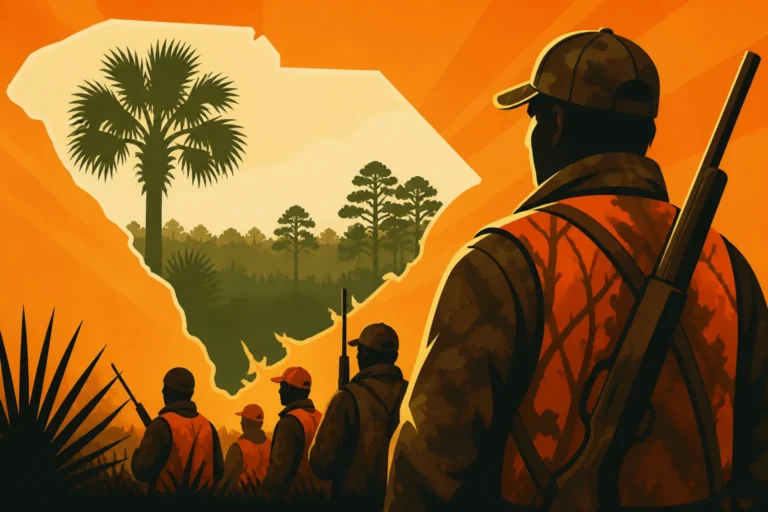
South Carolina prescribed burns in longleaf pine forests improve deer, turkey, and quail habitat by clearing underbrush.
Find ground you can hunt.
National forest, BLM, and state land — WMAs, walk-in programs, unit boundaries, access rules, and how to get permission on private ground.
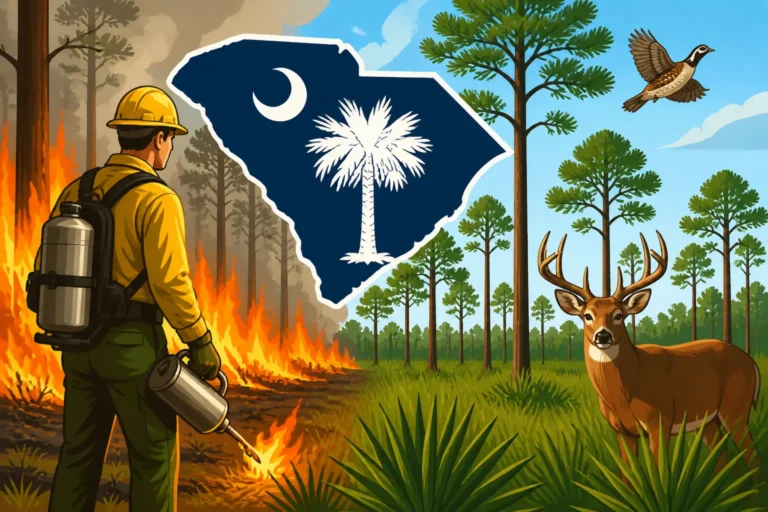
South Carolina prescribed burns in longleaf pine forests improve deer, turkey, and quail habitat by clearing underbrush.
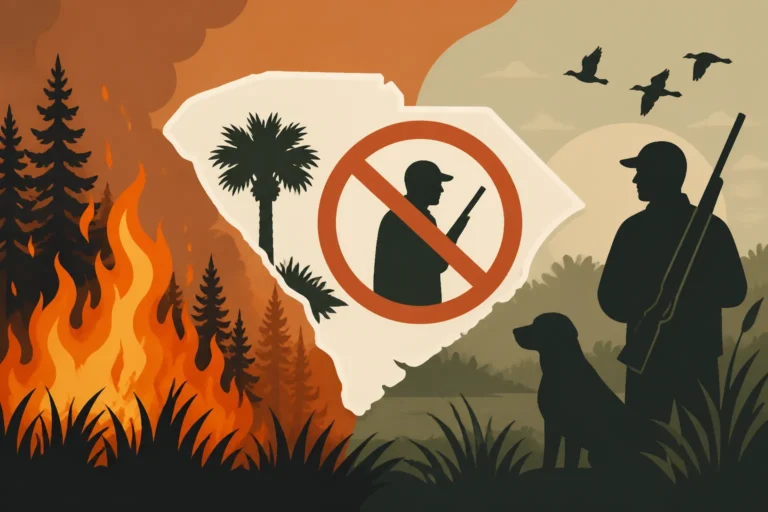
South Carolina prescribed burns and temporary hunting closures, explaining wildlife benefits, weather logistics, and strategies to stay informed.
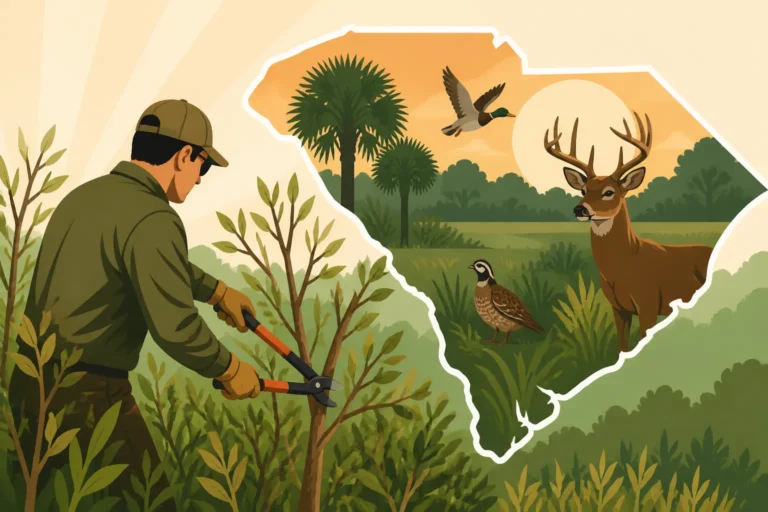
Habitat management on South Carolina Wildlife Management Areas improves wildlife populations, food sources, and ecological health for hunters.
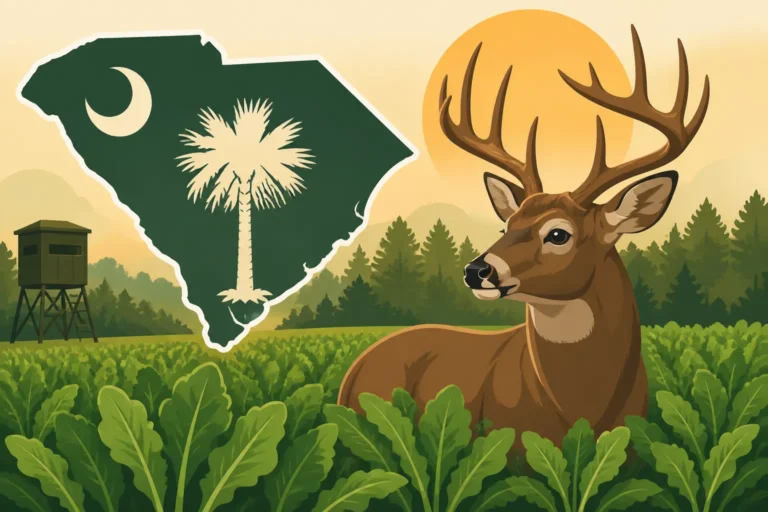
Food plots on South Carolina private land face soil and climate challenges requiring specific soil tests and planting strategies.
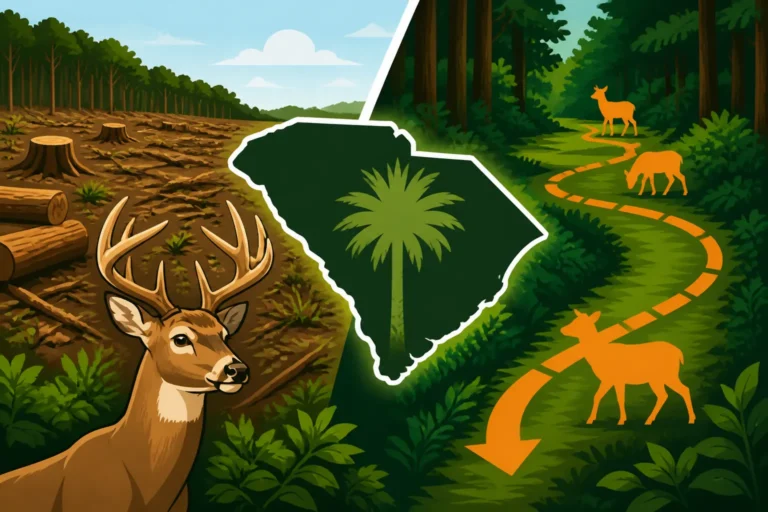
South Carolina timber cuts displace deer temporarily into nearby thickets, creek bottoms, and unlogged patches of woods until they adapt.
Nonresident access to South Carolina public land involves navigating license requirements, national forests, and Wildlife Management Areas.
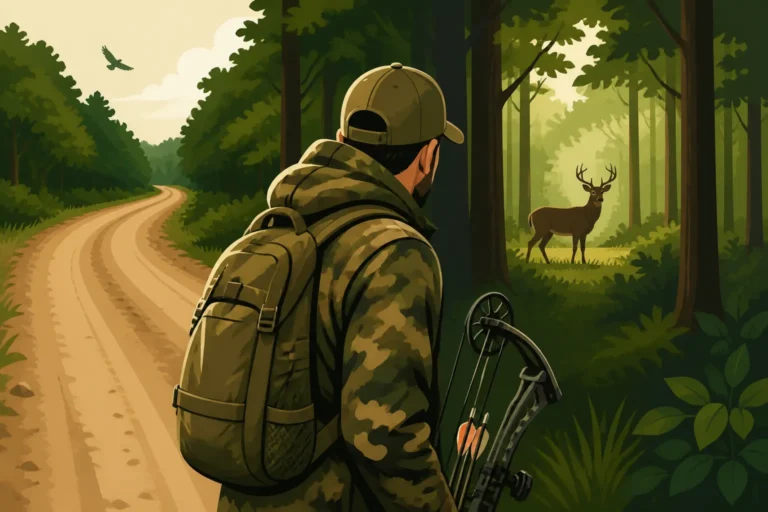
Walking distance from forest roads in South Carolina determines hunting success by avoiding crowds and finding unpressured game.
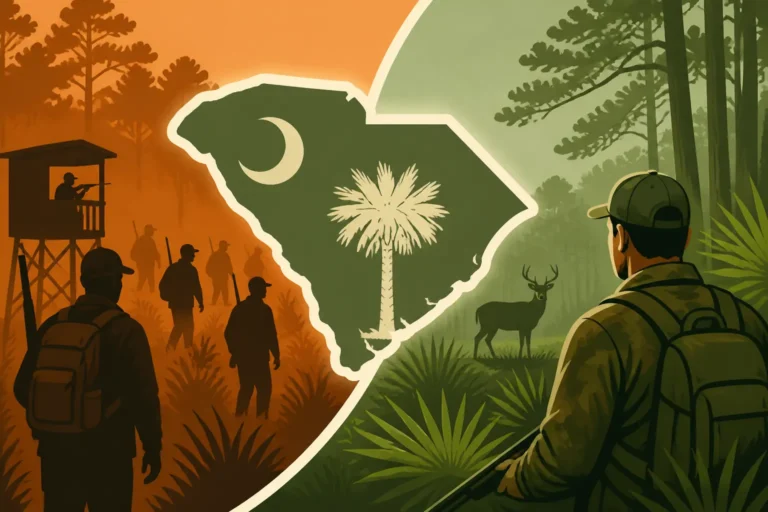
Finding unpressured hunting ground in South Carolina explains how to locate quiet areas away from crowds on public land.
South Carolina public land opening weekend crowds fill parking areas and push hunters two hundred yards into woods, creating high pressure zones.
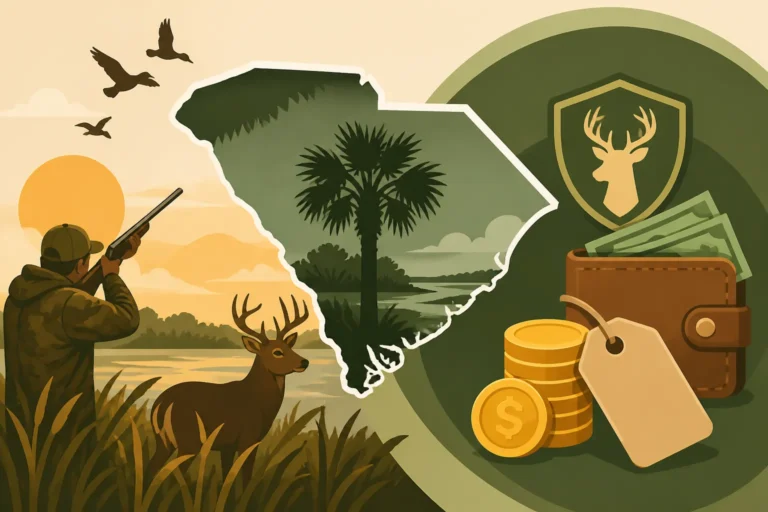
South Carolina hunting club dues and costs involve membership fees, work days, deer management, and private land access.