Hunting Standing Cotton for Late Deer
South Carolina standing cotton fields provide late-season deer with residual seeds, food, and secure bedding cover for productive hunting.
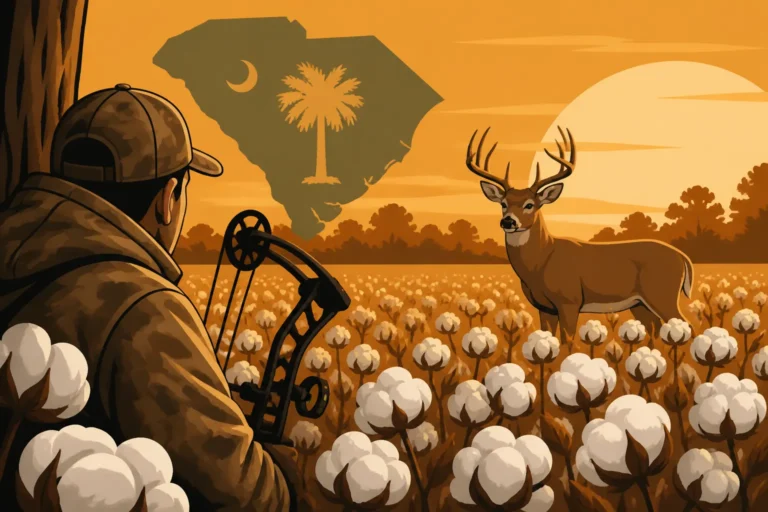
South Carolina standing cotton fields provide late-season deer with residual seeds, food, and secure bedding cover for productive hunting.
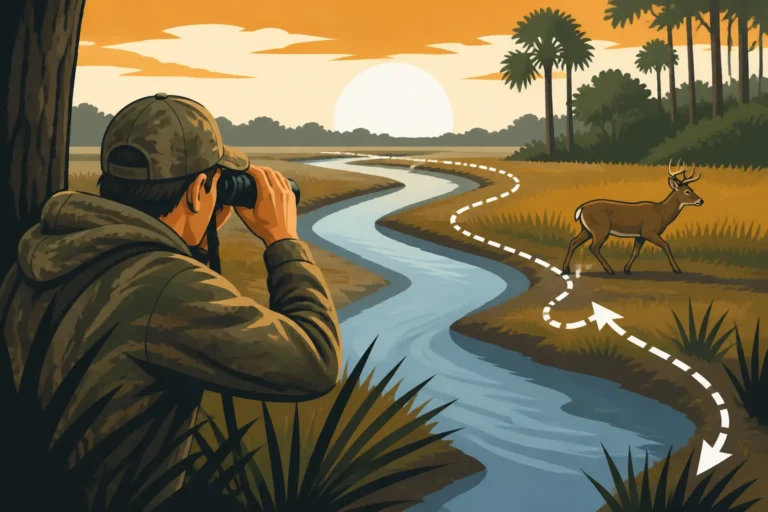
South Carolina tidal creek tides drive deer movement to high ground ridges, dry travel corridors, and exposed mudflat paths.
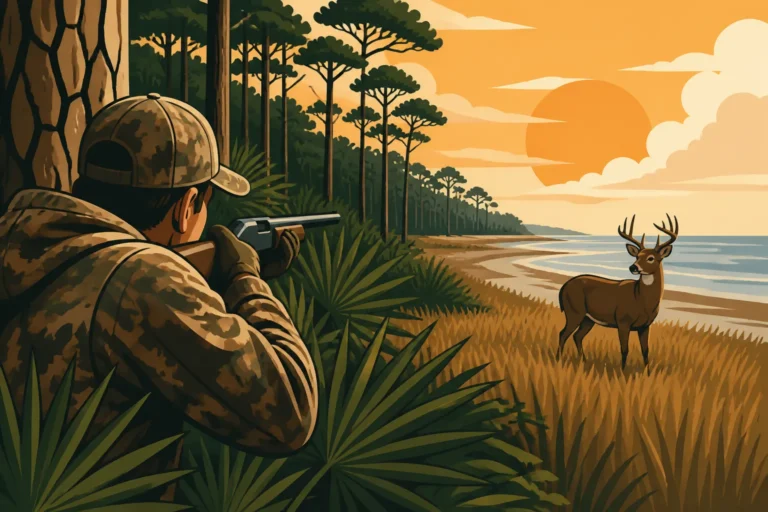
South Carolina coastal maritime forest edges offer strategies for hunting big bucks navigating dense cover and tidal creeks.
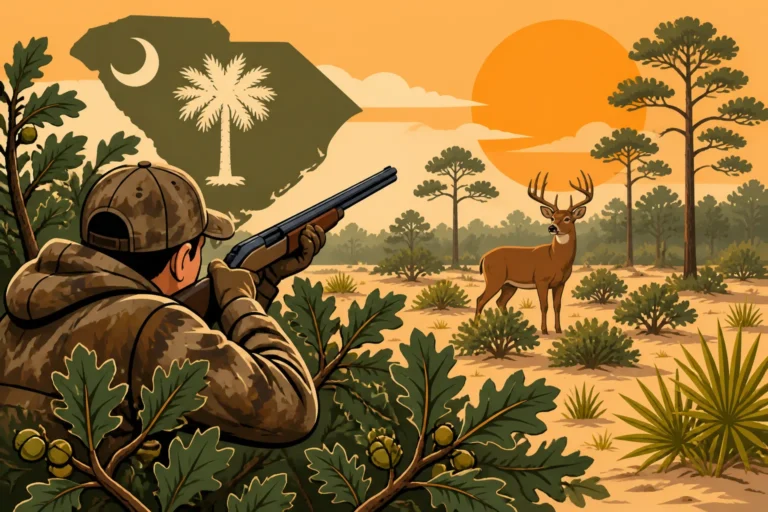
South Carolina Sandhills scrub oak deer hunting strategies, seasonal food sources, bedding areas, and effective scouting tactics.
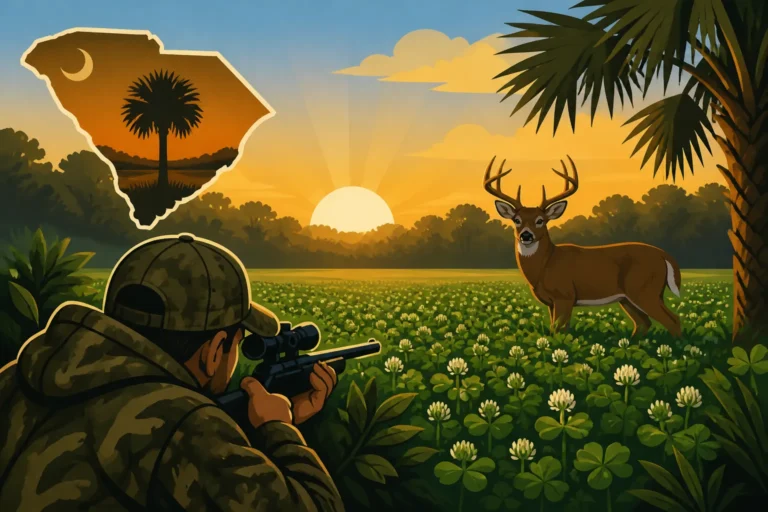
South Carolina clover plots attract deer at dawn. This strategy explains scouting entry trails and reading perimeter sign.
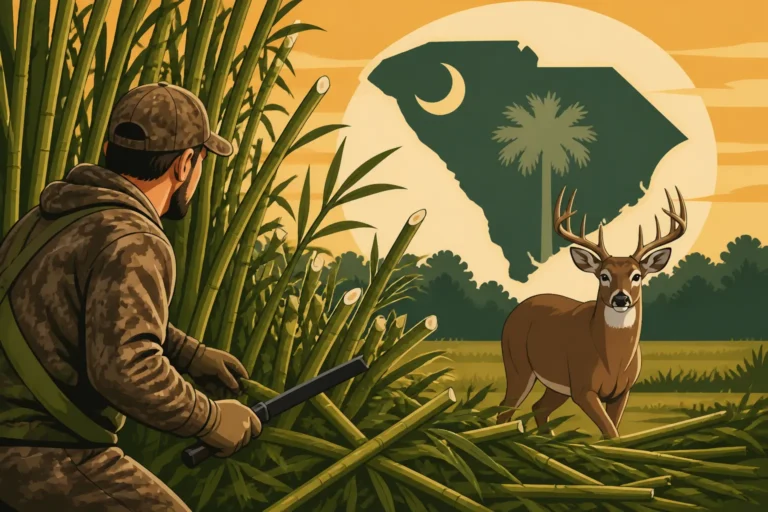
South Carolina river cane thickets provide deer with thermal cover and safety, explaining how hunters can successfully navigate these dense areas.
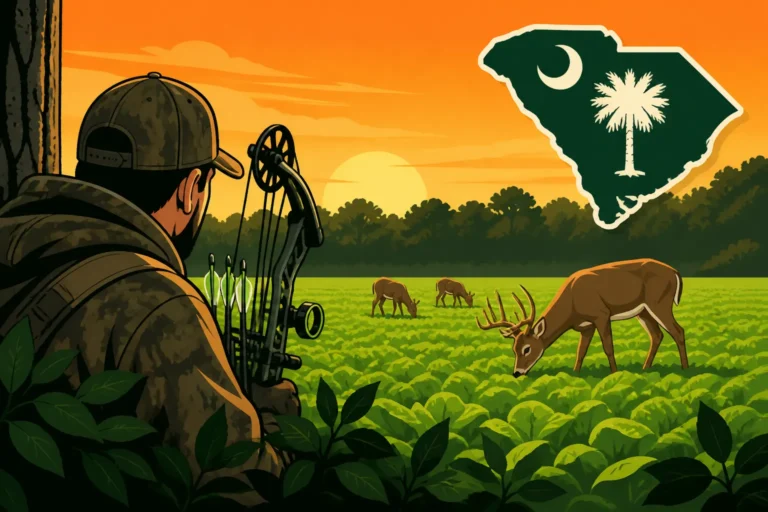
South Carolina green fields planted for deer explain seasonal foraging patterns, winter wheat crops, and food plot strategies.
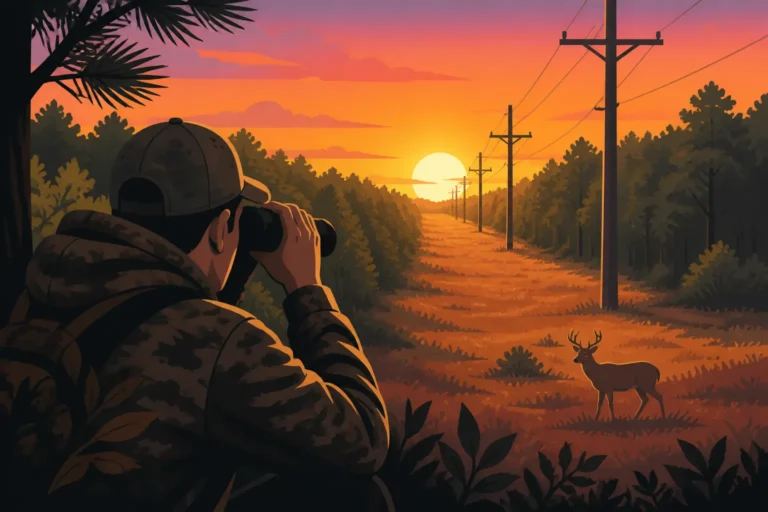
Glassing powerline cuts at last light in South Carolina reveals white-tailed deer feeding patterns and landscape features.
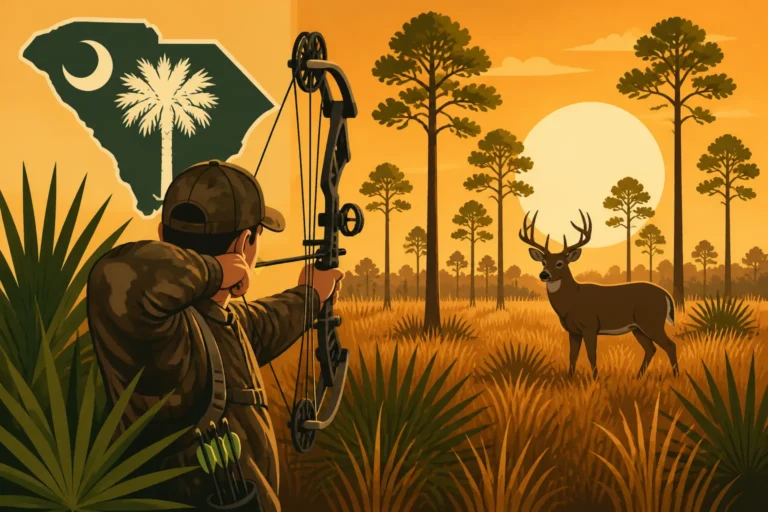
South Carolina longleaf pine savanna deer hunting strategies explain how white-tailed deer use open landscapes and prescribed burns.
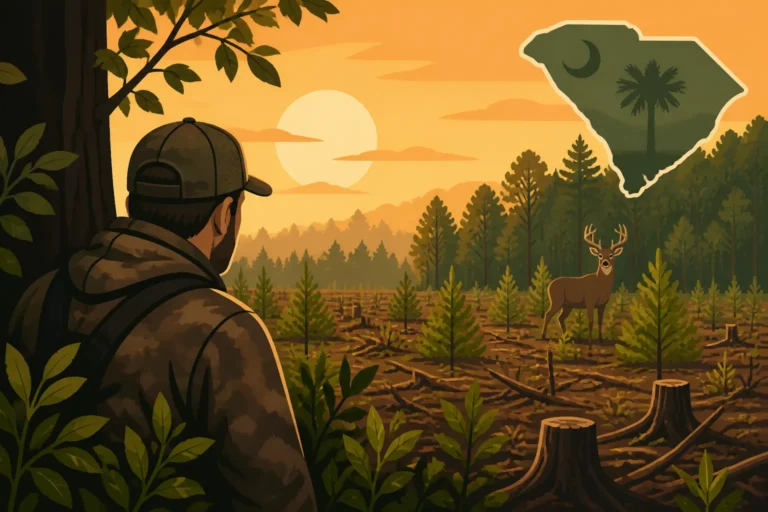
Clear-cut regrowth edges in South Carolina offer deer abundant food and security cover, creating prime daytime hunting locations.