Bears Moving Into Midlands Suburbs
Black bear populations expanding into South Carolina Midlands suburbs explain rising sightings and safe coexistence steps for residents.
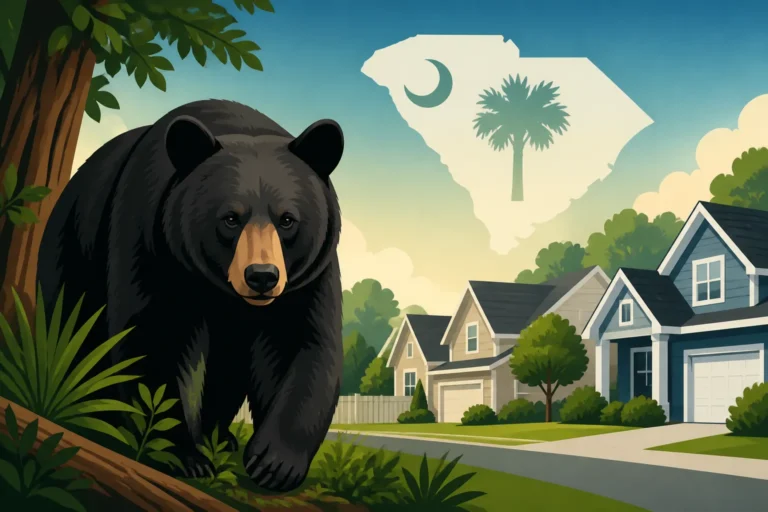
Black bear populations expanding into South Carolina Midlands suburbs explain rising sightings and safe coexistence steps for residents.
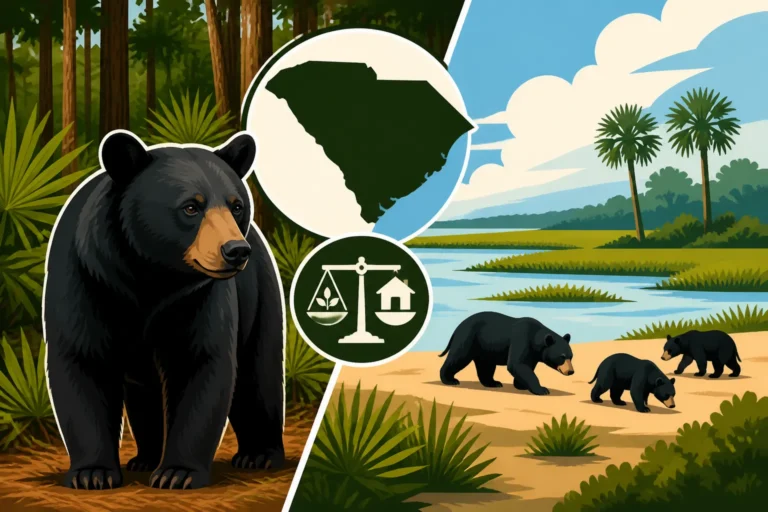
Coastal bear populations remain smaller than Upstate groups due to fragmented habitats from development and inconsistent food sources.
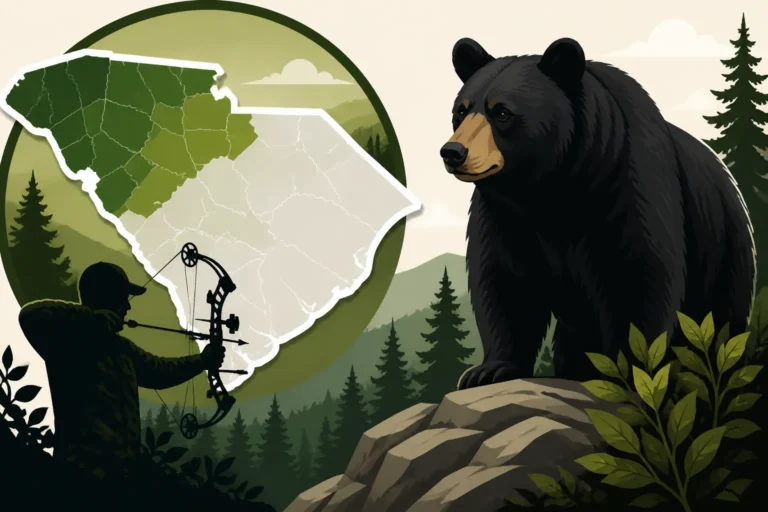
South Carolina black bear population dynamics in the Upstate region are explained through geography, habitat, and conservation history.
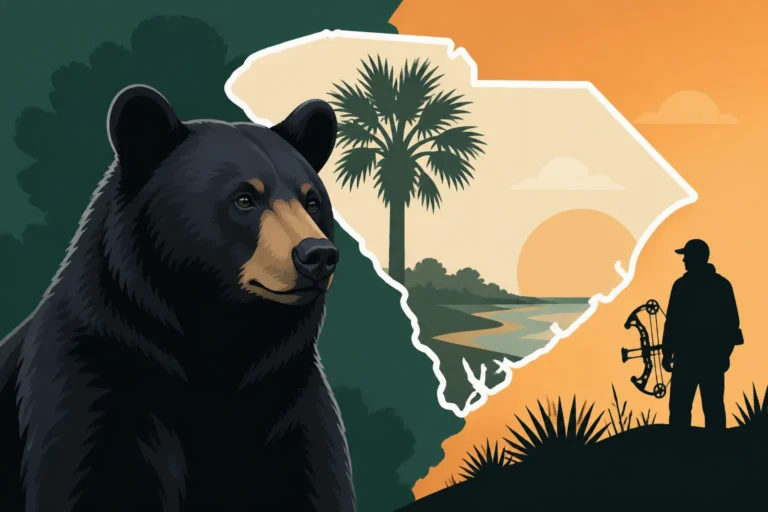
South Carolina black bear population estimates rely on DNA analysis of hair and scat samples collected by biologists across the state.
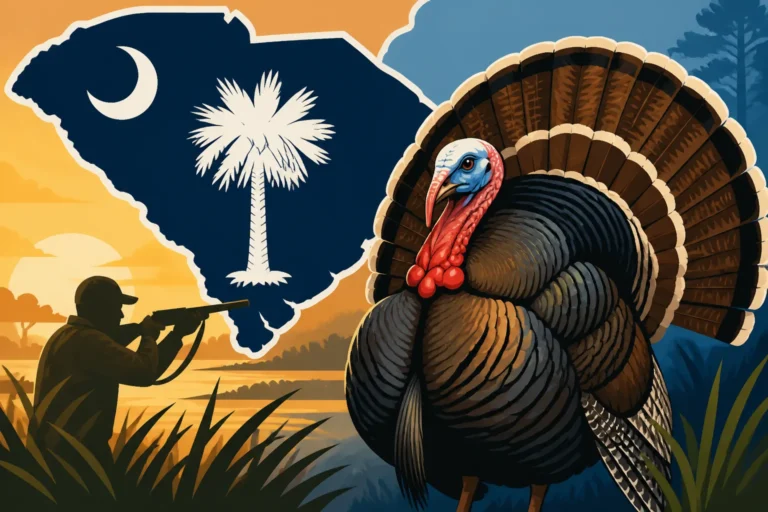
South Carolina record book gobblers require specific weight, spur lengths, and beard measurements to officially qualify.
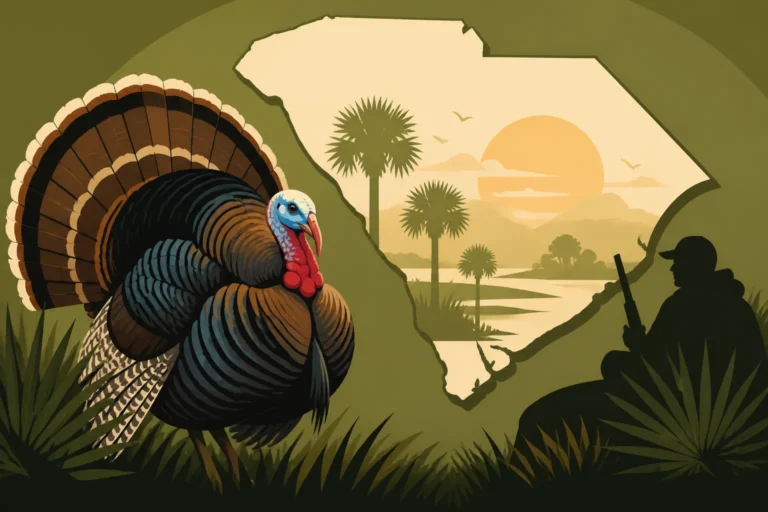
South Carolina wild turkey roost locations in trees and terrain vary across regional landscapes between spring and fall seasons.
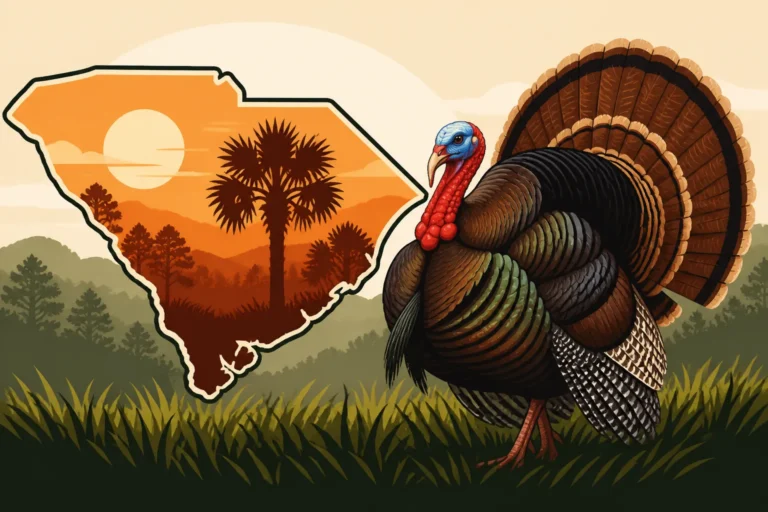
South Carolina turkey hunting locations with prime habitat and robust populations offer hunters better opportunities for success.
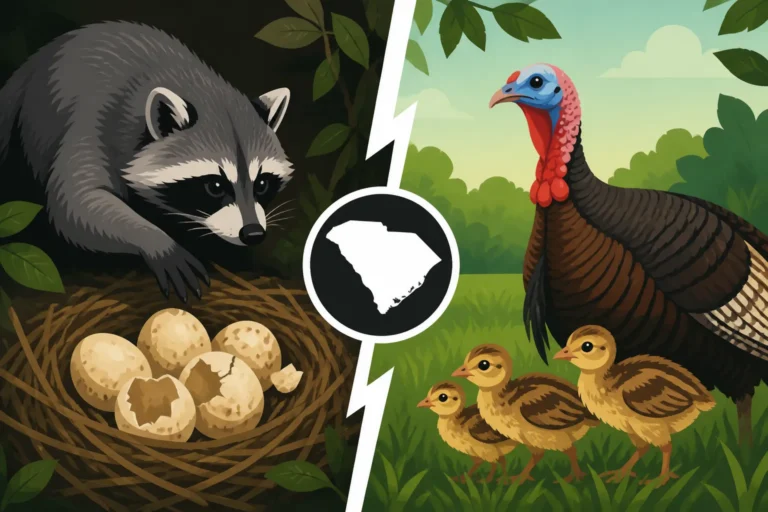
Nest predation impacts South Carolina wild turkey hatches by destroying ground nests during the critical spring breeding and incubation period.
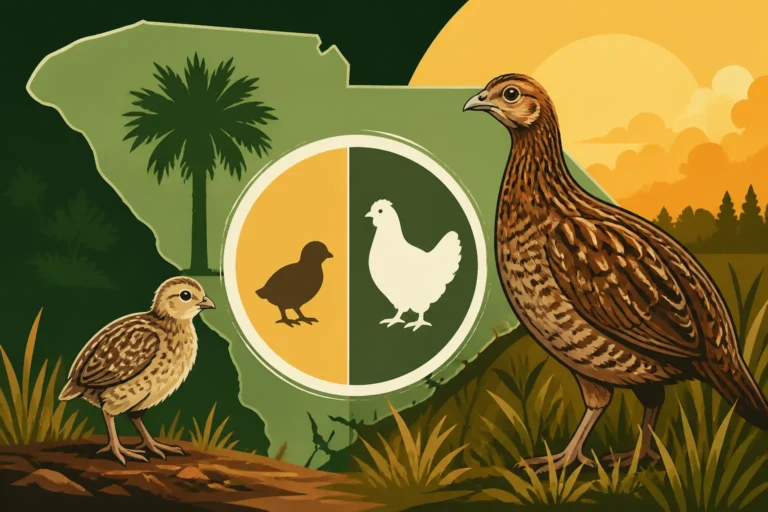
Poult-to-hen ratios measure South Carolina wild turkey reproductive success, helping hunters understand flock health and seasonal trends.
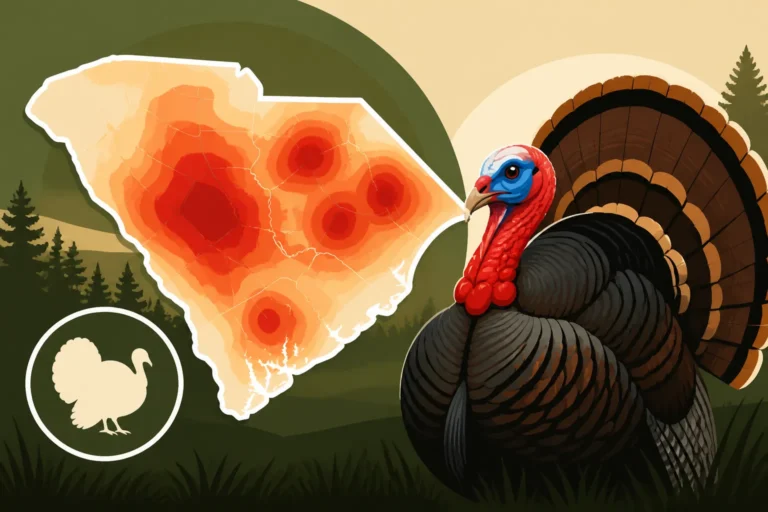
South Carolina turkey populations and high density habitat regions explained to help hunters find prime gobbler territories.