Donating Venison in South Carolina
After a successful deer season, many of us find our freezers overflowing with venison, a truly wonderful problem to have. But what happens when you’ve filled your family’s needs, shared with close friends, and still have more delicious, healthy protein than you can possibly store or consume before next season? Instead of letting it go to waste or feeling overwhelmed, consider donating your venison to those in need right here in South Carolina. This guide will walk you through the ins and outs of ensuring your hard-earned harvest can benefit your community.
The Heart Behind the Harvest: Why Donate Venison?
Donating venison is more than just a practical solution for a full freezer; it’s a deeply meaningful way to give back to the community and honor the animal you’ve harvested. Many hunters feel a profound connection to the outdoors and a responsibility to utilize their harvest fully. When you know your venison will feed hungry families, it adds another layer of purpose to your time in the woods.
Addressing Food Insecurity in South Carolina
In every county across South Carolina, there are families who struggle with food insecurity. They might not know where their next meal is coming from, or they might be relying on food banks and pantries to stretch their limited budgets. Venison offers a lean, high-protein alternative to often more expensive store-bought meats, providing essential nutrition that can be hard for these families to access otherwise. By donating, you're not just offering food; you're offering quality, healthy sustenance that can make a real difference in someone's life. Think about how a venison stew or a simple ground venison meal could provide comfort and nourishment to a family facing hardship, especially during colder months.
Honoring the Harvest and Minimizing Waste
Hunters are often among the most conservation-minded individuals, and a core tenet of ethical hunting is to utilize as much of the animal as possible. Letting venison sit in a freezer until it's freezer-burned or goes bad feels wrong to most of us. Donating ensures that the sacrifice of the animal is respected by providing food for others. It completes the circle of the hunt, transforming a personal success into a community benefit. It's a testament to the fact that hunting isn't just a sport; it's a way of life that can positively impact others. Sometimes, we might fill our tags earlier in the season than expected, or find ourselves with an abundance of doe meat after Filling a Five-Deer Statewide Limit. Knowing there's an avenue to share that bounty ethically and legally is incredibly reassuring.
Navigating South Carolina's Venison Donation Programs
South Carolina has established ways for hunters to donate venison, primarily through programs that connect hunters with processors and then with charitable organizations. It’s not usually as simple as just dropping off a deer at a local food bank, as specific health and safety regulations are in place to ensure the meat is handled properly.
Participating in Hunter-Assisted Programs
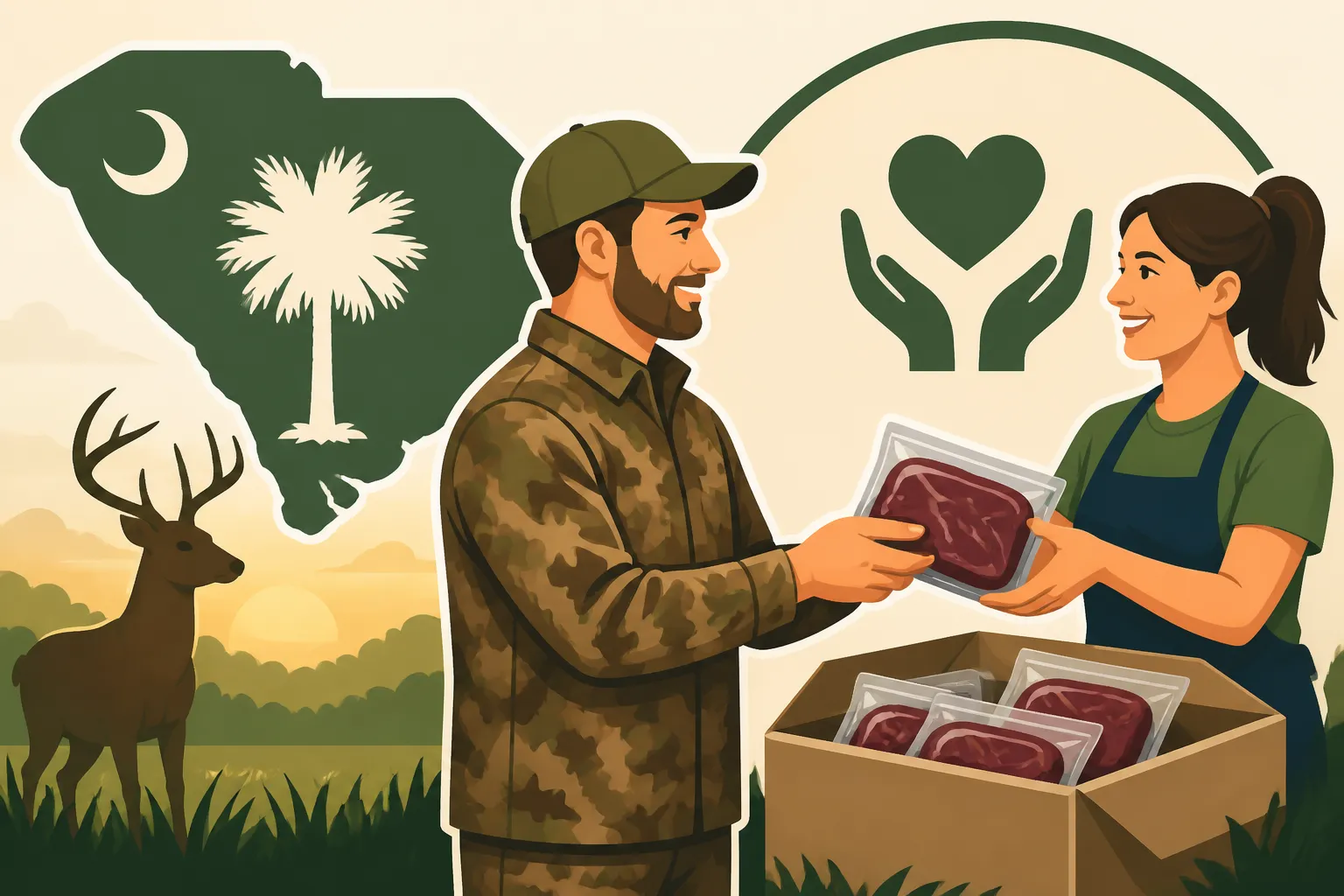
The most common and effective way to donate venison in South Carolina is through established hunter-assisted programs. These programs typically partner with local deer processors who are approved to handle donated game meat. Hunters drop off their legally harvested deer at a participating processor, indicate they want to donate it, and then the processor handles the butchering, packaging, and distribution to food banks or other hunger-relief organizations. This ensures that the venison meets all health and safety standards before it reaches a family's table. It takes the guesswork out of the process for the individual hunter and guarantees proper handling. The Go Outdoors SC app, while primarily for licensing and reporting, can sometimes offer information on local initiatives or processors that participate in these programs.
Understanding the Role of Processors and Food Banks
Deer processors are the linchpin in these donation efforts. They have the necessary facilities, expertise, and certifications to process wild game meat safely. They often have dedicated staff or volunteers who help prepare the venison in a usable format, usually ground meat, which is versatile and easily distributed. Once processed, the venison is then transferred to food banks, pantries, or other charitable kitchens. These organizations are equipped to store and distribute the meat to individuals and families who qualify for assistance. This partnership creates a reliable pipeline for high-quality protein to reach those who need it most, alleviating some of the administrative burden on individual hunters.
When you bring a deer to a participating processor for donation, they will handle the skinning, butchering, and grinding, typically transforming the entire edible portion into ground venison or venison burger. This is the most practical form for food banks to distribute, as it can be easily used in a variety of recipes by families. The processor might charge a small fee, or the donation program might cover the cost, depending on how it's structured. Always confirm these details upfront.
Preparing Your Harvest for Donation
Donating venison isn’t just about dropping off any deer; it’s about providing high-quality, safe meat to those in need. Proper field dressing and handling are absolutely critical to ensure your donation is accepted and appreciated. A little extra care in the woods goes a long way.
Field Dressing and Cooling Critically
The minute a deer hits the ground, the clock starts ticking, especially in South Carolina's often warm hunting seasons. Proper Field Dressing a Deer in Warm Weather is paramount. Remove the entrails as quickly and cleanly as possible to begin the cooling process. Any lingering heat will degrade the meat quality rapidly and can lead to spoilage. For early season hunts, this might mean having ice on hand to pack into the body cavity immediately after field dressing.
Once field dressed, the deer needs to be cooled down completely. If you’re hunting in August or September, getting that deer into a cooler or to a processor within a few hours is ideal. Even in cooler months, don't let a deer sit in the back of your truck overnight without adequate airflow or refrigeration. Rapid cooling inhibits bacterial growth, which is vital for safe consumption. If a processor suspects the meat hasn't been handled correctly, they might refuse the donation, and rightfully so, to protect public health. This quick action is just as important for donated meat as it is for meat destined for your own freezer.
Ensuring Cleanliness and Ethical Harvest
When donating, the cleanliness of the harvest is paramount. This means minimizing hair, dirt, and any foreign material on the carcass. During field dressing, be meticulous. Use clean knives, and if possible, keep a separate bag for organs you might want to save, preventing contamination of the main carcass. Avoid dragging the deer through excessively muddy or unsanitary conditions if you can, or at least clean it thoroughly once you get it out of the woods. A quick rinse with clean water, if available, can help, but ensure the carcass is dried quickly afterward to prevent moisture from promoting bacterial growth.
An ethical harvest is also key. This means a clean, humane shot that minimizes trauma to the meat. While accidents happen, processors and food banks prefer deer that were cleanly taken, reducing the amount of damaged meat that needs to be trimmed away. If a deer has extensive damage from a poor shot, or if there's any sign of illness or disease, it's generally not suitable for donation. When you Check a South Carolina Deer Harvest Online, you're confirming the legality of the harvest, which is also part of ensuring an ethical and responsible process.
Finding a Donation Point or Processor
Once you've decided to donate and have your deer properly field-dressed and cooled, the next step is finding a facility that participates in donation programs. This isn't always as straightforward as it sounds, so a little planning beforehand is crucial.
Identifying Participating Deer Processors
The South Carolina Department of Natural Resources (SCDNR) or local hunting organizations are typically the best resources for finding participating processors. Many states have "Hunters for the Hungry" or similar programs, and these initiatives usually maintain a list of approved processors. You can often find this information on the SCDNR website, or by calling their regional offices. Don't just show up at any processor hoping they accept donations; always call ahead to confirm their participation, hours of operation, and any specific requirements they might have. Some processors might have limited capacity or specific days for accepting donated deer.
A good online resource or even community forums on hunting can sometimes point you in the right direction. While a tool like GoHunt might primarily focus on mapping and scouting, some hunters use its community features to ask about local donation options or share processor recommendations. Planning this step before you head into the woods, especially if you're targeting deer specifically for donation, can save a lot of last-minute stress. Knowing the South Carolina Deer Season Structure Explained for your zone can help you plan your donation timeline.
Costs and Logistics of Donation
While the act of donating is charitable, there can sometimes be costs involved. Many processors will process donated deer at a reduced rate or even for free as part of a state-sponsored program or their own community goodwill. However, it's not uncommon for hunters to be asked to cover a portion of the processing fee, usually just a small contribution, to help offset the processor's costs. This fee helps ensure the program's sustainability, covering labor, packaging, and electricity for chilling and freezing. Always inquire about any potential fees when you call the processor.
The logistical challenge often comes down to transportation. You need a vehicle capable of transporting a whole deer, especially in a clean and cooled manner. This could mean a truck bed, a trailer, or even a large cooler if you've quartered the animal. Remember that donated venison, just like any meat, needs to be kept cold until it reaches the processor. Being prepared with a cooler full of ice for transport, even for a short drive, is a good practice. Knowing your options for Butchering a Deer at Camp if a processor isn't immediately available can also be beneficial, though most donation programs prefer a whole carcass for inspection.
| Step | Action Required by Hunter | Key Considerations |
|---|---|---|
| 1. Harvest & Field Dress | Legally harvest a healthy deer. | Perform clean, quick field dressing; ensure humane kill. |
| 2. Initial Cooling | Cool the carcass immediately and thoroughly. | Use ice in body cavity if ambient temperature is high. |
| 3. Locate Processor | Identify a participating processor before hunting. | Check SCDNR website or contact local hunting groups; call processor to confirm. |
| 4. Transport | Transport deer to processor in a clean, cooled manner. | Protect carcass from dirt and excessive heat. |
| 5. Drop-off & Declare | Drop off deer at processor, specify donation. | Inquire about processing fees or program coverage. |
| 6. Legal Compliance | Ensure all licenses and tags are in order. | South Carolina Deer Reporting Requirements must be met. |
This table outlines the typical steps, helping you visualize the process from field to donation point. Remember that being prepared for all these steps makes the donation process smooth and successful, truly turning your hunting success into a blessing for others. Whether you're a resident with South Carolina Resident Hunting License Options or a nonresident with South Carolina Nonresident Hunting License Options, the commitment to ethical hunting and responsible donation remains the same.
Disclaimer
This article is for general informational purposes only and does not constitute professional advice. Laws, prices and regulations vary by location and change over time. Consult a qualified professional for guidance on your specific situation.