What You Can Import From an Elk or Moose Hunt
Coming home from an epic elk or moose hunt out west can be a real high, but that excitement can quickly turn to dread when you start thinking about getting your hard-earned meat and trophy back into South Carolina. Many hunters face genuine confusion and worry about inadvertently breaking wildlife import laws. This guide aims to clear up all that uncertainty, walking you through exactly what you can, and absolutely cannot, bring back from your out-of-state elk or moose adventure.
The Critical Need for Import Rules: Protecting Our Herd from CWD
It’s completely understandable to feel frustrated when you’ve had a successful hunt hundreds or thousands of miles away, only to find a maze of regulations waiting for you back home. But believe me, these rules aren't put in place to make your life harder. They are a critical line of defense for South Carolina's deer and other cervid populations, protecting them from a devastating threat: Chronic Wasting Disease (CWD).
Understanding Chronic Wasting Disease CWD
CWD is a neurological disease that affects cervids—deer, elk, moose, and reindeer. It's caused by abnormal proteins called prions, and it’s always fatal. Animals infected with CWD might appear healthy for a long time, but eventually, they'll show symptoms like drastic weight loss, stumbling, listlessness, and neurological issues. The real kicker is that these prions can persist in the environment for years, making an infected area a long-term risk. There’s no vaccine and no cure. Imagine if this disease ever got a foothold in South Carolina; it would be catastrophic for our wildlife and our hunting heritage. States like Colorado, Wyoming, Montana, and even some Midwestern states have long dealt with CWD within their cervid populations, making it crucial for hunters returning from these areas to be extremely careful.
The disease spreads through direct contact with an infected animal’s saliva, urine, and feces. However, it’s most concentrated in specific tissues like the brain, spinal cord, eyes, spleen, and lymph nodes. This is why the South Carolina Department of Natural Resources (SCDNR) focuses heavily on preventing the import of these high-risk parts. They're trying to contain the disease where it already exists and keep it out of our beautiful state. It's a vigilant, proactive approach to safeguard our future hunting opportunities.
South Carolina's Proactive Stance on CWD
South Carolina currently boasts a CWD-free status, a fact that the SCDNR works tirelessly to maintain. This isn't by accident; it's thanks to strict regulations and ongoing vigilance. The state has an active South Carolina's CWD Surveillance Program that involves testing harvested deer and monitoring for any signs of the disease. This surveillance, combined with stringent import rules, is our best defense. The last thing any hunter wants is to be the unwitting carrier who introduces this terrible disease into our pristine forests and swamps.
The SCDNR's regulations are designed to minimize the risk of CWD prions entering the state. They understand that hunters love to travel and experience different types of hunts, but the health of our local deer herd must come first. These rules aren't arbitrary; they're based on scientific understanding of CWD transmission and how best to mitigate that risk. For those considering a future hunt in South Carolina, understanding these measures helps explain Why South Carolina Stays CWD-Free and why we all need to do our part.
The Green Light: What Carcass Parts You Can Legally Bring Home
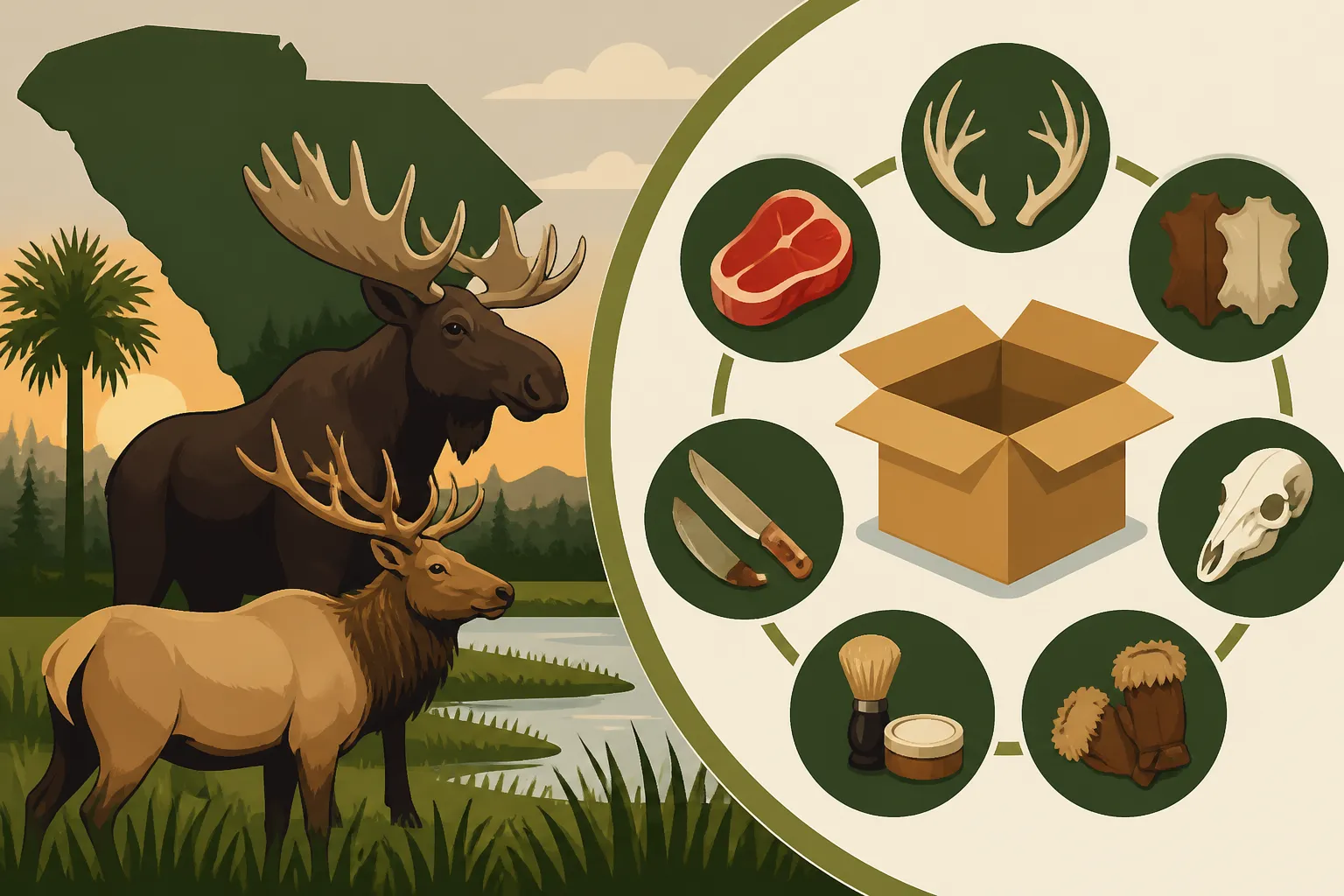
Despite the strict rules, you absolutely can bring back your prized elk or moose meat and trophies to South Carolina, but it requires careful preparation and adherence to specific guidelines. The key is to separate the high-risk parts from the low-risk ones before you cross state lines.
Processed Meat and Boned-Out Cuts
This is where the bulk of your harvest will fall, and thankfully, it’s one of the easiest parts to bring back. You can import meat that has been completely deboned. This means the muscle tissue must be separated from the bone, spinal cord, and other potentially infectious materials. Think of it this way: if it’s a cut you’d buy at a butcher shop – steaks, roasts, ground meat – it’s generally good to go.
Many hunters will process their elk or moose at a local butcher near their hunting area before heading home. This is often the safest and most convenient option. These butchers are usually familiar with CWD regulations and can ensure your meat is properly boned out and packaged for transport. If you're doing it yourself, make sure you meticulously remove all bone, brain, and spinal cord material. Pack your boned-out meat in coolers, well-insulated and preferably frozen, for the long drive back to South Carolina. This keeps the meat fresh and ensures compliance with Which Carcass Parts South Carolina Still Allows.
Cleaned Trophies: Skulls, Antlers, and Capes
Your trophy is just as important as the meat, and bringing it back safely is definitely doable. However, it requires thorough cleaning. You can legally import cleaned skull plates with antlers attached, provided all brain and nervous tissue has been completely removed. This means no brain matter, no spinal cord remnants, and no other soft tissue. Many hunters boil or pressure wash skull plates to ensure they are squeaky clean.
Similarly, antlers attached to a skull cap that has been cleaned of all brain matter are fine. Loose antlers, shed antlers, and antler products like knife handles or artwork are also completely permissible. If you're bringing back a cape for taxidermy, it must be completely free of brain and spinal cord tissue. Often, taxidermists at your hunt location can properly prepare the cape, removing the head and cleaning the skull plate appropriately, ensuring it's ready for transport and compliance with South Carolina's import regulations.
Other Permitted Items
Beyond the meat and trophies, there are a few other items that are generally allowed without issue. Hides, provided they are clean and free of any tissue or fluids, are perfectly acceptable. If you plan to have a hide tanned, just make sure it’s properly prepped. Similarly, finished taxidermy mounts are generally exempt from these restrictions. If you have a fully processed and mounted trophy, it has already undergone the necessary cleaning and preservation steps that remove any CWD risk.
When planning your trip, consider what equipment you'll need for proper field dressing and processing. Tools like a good knife, game bags, and perhaps a portable bone saw can be invaluable. Websites like GoHunt often have resources or community forums where you can get tips on field processing in specific western states, making sure you're prepared for whatever regulations might be awaiting you when you start the journey back home.
The Red Light: What You Absolutely Cannot Import
To maintain South Carolina's CWD-free status, there are certain cervid parts that are strictly prohibited from entering the state. These are the parts that carry the highest risk of CWD transmission. Knowing these "red light" items is crucial to avoid serious legal trouble and, more importantly, to protect our state's wildlife.
Whole Carcasses and High-Risk Organs
This is the most critical prohibition. You cannot bring a whole or partial carcass of an elk or moose into South Carolina if it includes the brain, spinal cord, eyes, spleen, or lymph nodes. These specific tissues are known to concentrate CWD prions, making them the most dangerous for transport. This means if you harvest an animal out of state, you cannot just throw it in the back of your truck and drive it home across state lines, even if it's quartered.
The regulation is clear: any part of the carcass that contains these high-risk materials must be removed and properly disposed of in the state where the animal was harvested. This is why many hunters opt for professional processing services in the hunting state. They are equipped to handle these prohibited parts according to local regulations. Attempting to transport these parts can result in fines, confiscation of your harvest, and potentially losing your hunting privileges, not to mention the immense risk you'd be taking with our local ecosystem.
Field Dressing Considerations Out of State
This prohibition significantly impacts how you field dress and process your animal at the kill site or immediately afterward. You must be prepared to do significant processing before leaving the hunting state. This includes boning out all meat, separating skull plates from the rest of the skull, and meticulously cleaning any trophy parts. For example, when Hunting the Rut in the Upstate Zone of South Carolina, we don't have to worry about CWD import rules for our local harvests, but out west, the rules are different.
When planning your hunt, whether you're using a tool like GoHunt to scout public land out west or just researching regulations, make sure you factor in time and resources for proper carcass preparation. Some states even have specific areas or facilities where hunters can drop off high-risk carcass parts for proper disposal. Always check the specific regulations of the state you are hunting in, as they might have additional requirements or recommendations for CWD management. Don't assume anything; verify every detail to ensure a smooth journey back to the Palmetto State.
Practical Steps for a Smooth Return to South Carolina
Returning from a successful out-of-state hunt should be a celebratory event, not a stressful one. By taking a few proactive steps and knowing your stuff, you can ensure your hard-earned meat and trophy make it back home without a hitch, all while complying with South Carolina's essential wildlife regulations.
Preparing Your Harvest for Transport
The moment of truth often comes right after the shot. If you're hunting in a CWD-positive state, your primary goal is to separate the permissible from the prohibited as quickly and cleanly as possible. For meat, this means boning it out entirely. Take the time to remove all muscle from the bone. If you can, quarter the animal and then meticulously debone each section. Keep your knives sharp, and have plenty of clean game bags. Flash freezing the meat, if possible, is ideal for long-distance travel, especially during warmer months. Remember, the goal is to leave all spinal cord, brain, and other specified high-risk tissues behind.
For your trophy, whether it's antlers or a cape, thorough cleaning is paramount. If you're taking just the antlers with a skull plate, make sure all brain matter is removed. Boiling the skull plate is a common and effective method to achieve this. If you're bringing a cape for a shoulder mount, ensure the head is properly removed and any brain or spinal cord tissue from the neck area is meticulously cleaned. Consider bringing an extra saw or knife specifically for this part of the process, and always dispose of the prohibited parts in a designated landfill or according to the regulations of the state you hunted in.
Planning Your Return Trip and Resources
Before you even leave for your out-of-state adventure, incorporate South Carolina's import regulations into your trip planning. Websites like GoHunt often provide state-by-state breakdowns of CWD and associated regulations, which can be an excellent starting point for your research. Knowing what's required ahead of time allows you to find local processors or taxidermists near your hunting area who can help ensure your harvest is compliant.
As you travel, keep copies of your hunting license, tags, and any processing receipts handy. While rarely requested, having documentation can ease any concerns during potential inspections. If you’re passing through other states, it's also a good idea to quickly check their import regulations, as some might have their own rules. A quick search on your phone or a pre-downloaded map from GoHunt can sometimes show state boundaries and relevant offices where you can find this information, helping you avoid any surprises on your journey.
| Permitted Carcass Parts for Import | Prohibited Carcass Parts for Import |
|---|---|
| Deboned meat (muscle tissue only) | Whole carcass or partial carcass containing brain/spinal cord |
| Cleaned skull plates with antlers | Brain tissue |
| Loose antlers | Spinal cord |
| Teeth | Eyes |
| Hides (tanned or untanned, clean) | Spleen |
| Finished taxidermy mounts | Lymph nodes |
| Meat that has been cooked/processed | Any carcass part not explicitly permitted and posing a CWD risk |
What to Do If You Have Questions
Let's be realistic: even with all this information, unique situations can arise. Maybe you're unsure about a specific cut of meat, or how clean your skull plate truly needs to be. The best advice I can give you is this: when in doubt, call the SCDNR. Their wildlife biologists and enforcement officers are there to help you understand and comply with the rules, not to trick you. You can find their contact information easily on the SCDNR website.
It’s always better to ask a question beforehand than to risk a violation or, worse, potentially jeopardize our state’s wildlife health. They would much rather answer a phone call about specific regulations than deal with a CWD positive animal in our state. This proactive communication demonstrates you're a responsible hunter and helps protect the collective resource we all cherish, much like ensuring you meet all South Carolina Hunter Education Requirements before taking to the woods.
Disclaimer
The information provided in this guide is intended for educational and informational purposes only and is subject to change. While we strive to provide accurate and up-to-date information, hunting regulations, license requirements, and disease prevention protocols can be complex and are regularly updated by wildlife management agencies. Always consult the official South Carolina Department of Natural Resources (SCDNR) website or contact them directly for the most current and authoritative information before planning or executing any hunting trip or animal carcass import. Compliance with all federal, state, and local laws is the responsibility of the individual hunter.