South Carolina Carcass Import Restrictions
It’s a scenario many of us dread after a successful hunt: you've finally harvested that deer of a lifetime, only to remember the looming question of how to get your prize home without running afoul of the law, especially if you're crossing state lines. The confusion and frustration around game carcass import restrictions are real, and nobody wants their hard-earned venison confiscated. This comprehensive guide is here to demystify South Carolina’s specific regulations regarding bringing game carcasses into the state, helping you understand the rules and avoid any unwelcome surprises.
Why South Carolina Has Carcass Import Restrictions
For hunters, bringing a deer home from an out-of-state trip is part of the tradition. You want to process it yourself, share it with family, or simply enjoy the fruits of your labor. However, states like South Carolina have had to implement strict rules around this for a very serious reason: protecting their native wildlife populations from devastating diseases. It’s not about making things harder for hunters; it’s about safeguarding the future of hunting itself.
The Threat of Chronic Wasting Disease CWD
The primary driver behind South Carolina’s carcass import restrictions is the very real and ever-present threat of Chronic Wasting Disease, or CWD. This isn't just a concern; it's a silent killer that has impacted deer, elk, and moose populations in numerous states and Canadian provinces. CWD is a neurological disease, similar to Mad Cow Disease, that is always fatal to the animals it infects. It's caused by abnormal proteins called prions, which can persist in the environment for years, even after an infected animal has decomposed.
The scary part about CWD is that it can spread through direct animal-to-animal contact, but also through contaminated soil, water, and even saliva, urine, and feces left behind by infected animals. Importing a full deer carcass from a CWD-positive area, particularly if parts like the brain or spinal cord are intact, presents a direct pathway for these prions to enter South Carolina's environment. Once CWD is established in a wild deer population, it is incredibly difficult, if not impossible, to eradicate. South Carolina has been incredibly proactive in trying to prevent CWD from ever taking root within its borders, understanding that an ounce of prevention is worth a pound of cure.
Protecting South Carolina's Deer Herd
Imagine the catastrophic impact if CWD were to gain a foothold in South Carolina. Our state boasts a robust and healthy deer population, which supports a vibrant hunting culture and contributes significantly to the state's economy. Thousands of hunters take to the woods each season, filling their freezers and participating in a cherished tradition. If CWD were to spread, it could lead to significant declines in deer numbers, changes in hunting regulations, and potentially even the closure of hunting seasons in affected areas.
The South Carolina Department of Natural Resources (SCDNR) works tirelessly to monitor the health of our deer herd and implement measures to keep it healthy. This includes extensive South Carolina's CWD Surveillance Sampling and a commitment to understanding How South Carolina Guards Against CWD. The carcass import restrictions are a critical line of defense in these efforts. They are designed to prevent the introduction of a disease that could decimate our deer, harm other wildlife, and severely impact the traditions we hold dear. It’s a collective responsibility for all hunters, both residents and non-residents, to help keep our wildlife healthy and our hunting heritage intact.
Learning from Other States' Experiences
South Carolina didn't just pull these rules out of thin air. They've had the unenviable position of watching other states grapple with the reality of CWD, often with dire consequences. States like Wisconsin, Colorado, and Wyoming have been dealing with CWD for years, and the challenges they face in managing the disease, let alone containing it, are immense. Hunters in those states often face stricter regulations, mandatory testing, and declining deer populations in certain areas.
By observing these situations, South Carolina has learned that a proactive, preventative approach is by far the most effective. It's much easier, and far less costly, to prevent CWD from entering the state than it is to manage it once it's here. The regulations are a testament to the state's commitment to avoiding the struggles faced elsewhere, ensuring that our hunting opportunities remain plentiful and our deer herd remains healthy for generations to come. This foresight helps explain Why South Carolina Stays CWD-Free despite the growing prevalence of CWD in neighboring states.
What Parts of a Carcass Are Restricted
Understanding exactly which parts of a deer or other cervid carcass are prohibited from entering South Carolina is absolutely crucial for any hunter traveling from out of state. It's not a blanket ban on all venison, which is a common misconception and a source of unnecessary worry for many. Instead, the rules focus on the parts that are most likely to harbor CWD prions.
High-Risk Parts You Cannot Bring In
The core of South Carolina's carcass import restrictions revolves around preventing the entry of "high-risk" anatomical parts. These are the tissues where CWD prions are most concentrated in an infected animal. Specifically, you cannot bring the following into South Carolina from any state, Canadian province, or foreign country where CWD has been detected:
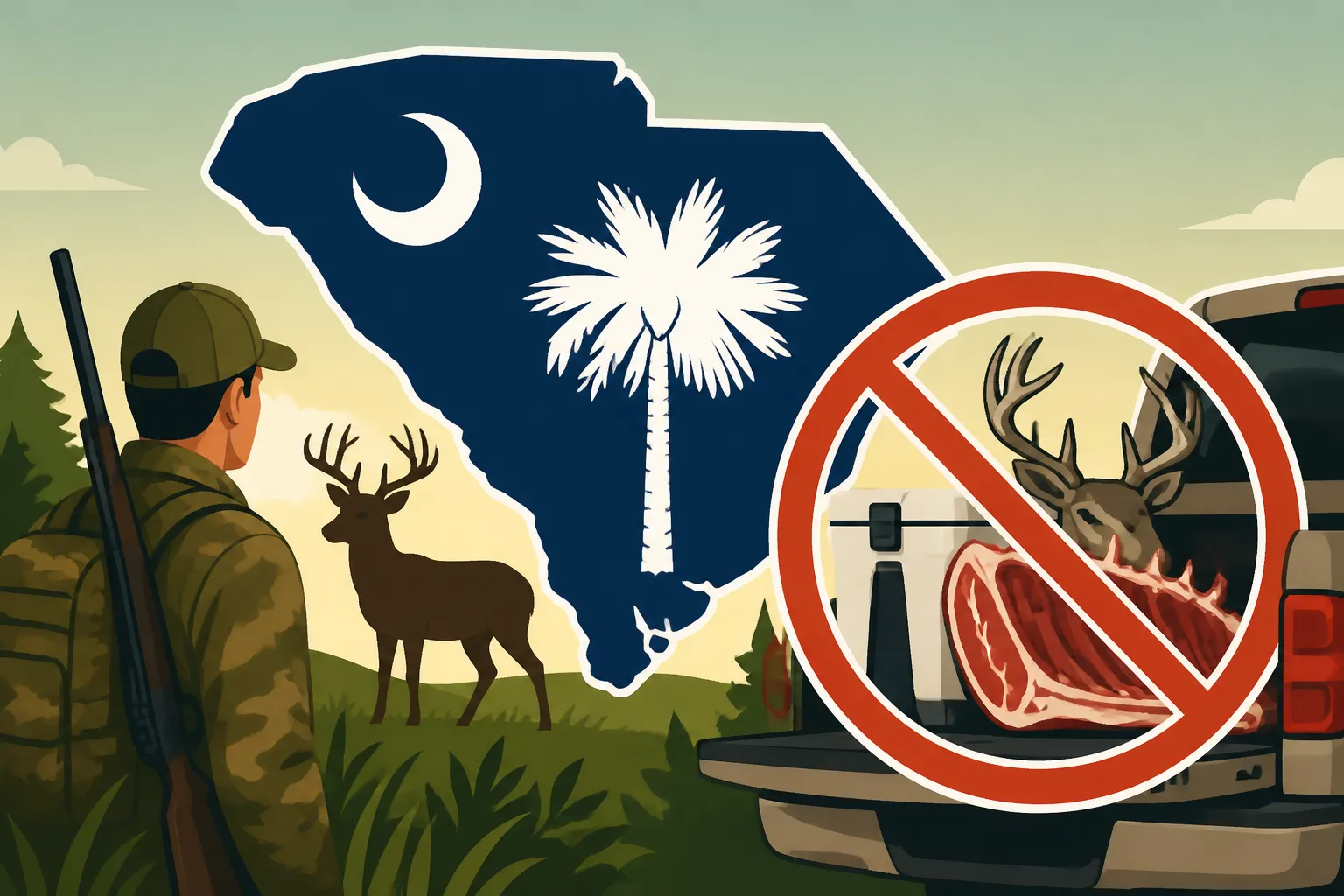
- Whole carcasses: This is the most straightforward restriction. If you harvest an animal out of state, you generally cannot bring the entire animal, hide, bones, and all, back across the South Carolina border.
- Brain and spinal cord tissue: These are considered extremely high-risk. This includes the entire head (unless the brain tissue is removed) and the vertebral column.
- Lymph nodes: These small, bean-shaped glands are part of the immune system and can harbor prions.
- Spleen: Another organ where prions can accumulate.
- Eyes: Ocular tissue is also considered high-risk.
The logic behind restricting these specific parts is directly tied to the science of CWD transmission. These are the parts that are most likely to contain the infectious prions. By removing these, the risk of introducing CWD to South Carolina's environment is drastically reduced. It’s a targeted approach to a very specific threat, allowing hunters to still enjoy their harvest while safeguarding the state's wildlife.
Safe Parts You Can Bring In
Now for the good news: there are plenty of parts of a deer or cervid carcass that you are allowed to bring into South Carolina, even from CWD-affected areas. The key is that these are the "clean" parts, largely free of the tissues most likely to harbor prions. These permitted items include:
- Deboned meat: This is the most common and practical option for most hunters. If the meat has been entirely removed from the bone, it’s generally considered safe. This means processing the deer into steaks, roasts, and ground venison.
- Cleaned skull plates and antlers: If you want to bring home your trophy, antlers and skull plates (with no brain tissue attached) are perfectly fine. This means scraping off any remaining tissue and ensuring it's thoroughly cleaned.
- Hides (without the head attached): A hide that has been separated from the head and cleaned of any tissue is also permissible.
- Teeth: Individual teeth are allowed.
- Finished taxidermy products: If your trophy has already gone through the full taxidermy process, it’s safe to bring home. This is because the high-risk tissues would have been removed during preparation.
Essentially, if it's muscle meat, or a bone/skin product that has been thoroughly cleaned of nervous system or lymphatic tissue, you're usually in the clear. This allows hunters to still enjoy the meat and keep their hard-earned trophies, as long as they take the proper steps before crossing the state line. This flexibility is a thoughtful compromise between protecting wildlife and respecting hunters' efforts. You can learn more about Which Carcass Parts South Carolina Still Allows from the SCDNR website.
Understanding the "Brain and Spinal Cord" Rule
Let’s dive a bit deeper into the "brain and spinal cord" rule because it's often the source of the most confusion. When the regulations talk about restricting brain and spinal cord tissue, they are specifically referring to the central nervous system components that are scientifically known to accumulate CWD prions. This is why a whole head, if it still contains brain material, is prohibited. Similarly, the entire vertebral column, which houses the spinal cord, is restricted.
This doesn't mean you can't bring a skull home. You absolutely can, as long as the brain tissue has been completely removed and the skull is clean. For example, many hunters will take their trophy head to a taxidermist out of state who can properly clean the skull plate, removing all brain matter and connective tissue. Similarly, deboning meat effectively removes it from the spinal column, thus eliminating that high-risk component. The emphasis here is on the tissue, not necessarily the entire bone structure itself, provided the tissue is gone. Always err on the side of caution: if there's any doubt about whether a part contains high-risk tissue, it's best to remove it or leave it behind.
To make things a bit clearer, here's a quick reference table:
| Carcass Part | Permitted? (From CWD-affected areas) | Notes |
|---|---|---|
| Whole Carcass (unprocessed) | No | Includes bones, hide, internal organs. |
| Deboned Meat | Yes | Muscle meat completely removed from bone. |
| Cleaned Skull Plate/Antlers | Yes | All brain/nervous tissue, hide, and meat removed. |
| Full Skull (with brain) | No | Brain tissue is high-risk. |
| Vertebral Column (spinal cord) | No | Spinal cord tissue is high-risk. |
| Hides (without head/spinal column) | Yes | Cleaned of all meat/tissue. |
| Internal Organs (spleen, lymph nodes) | No | These can harbor prions. |
| Finished Taxidermy Mounts | Yes | High-risk tissues are removed during processing. |
| Teeth | Yes | Individual teeth are permissible. |
| Head (with eyes) | No | Eyes are also considered high-risk tissue. |
The "Clean Carcass" Rule Explained
When SCDNR talks about the "clean carcass" rule, they're not just being poetic. They're referring to a very specific set of preparations that ensure any cervid (deer, elk, moose) brought into South Carolina from a CWD-affected area poses the lowest possible risk of introducing the disease. It's all about removing those high-risk tissues, leaving you with only the safe, edible, or trophy-worthy components.
What "Clean" Really Means
For South Carolina, "clean" means that all high-risk anatomical parts have been completely removed. This includes the brain, spinal cord, eyes, spleen, and lymph nodes. What's left should ideally be deboned meat, cleaned skull plates, antlers, and hides. It's a fundamental shift from simply field dressing an animal; it requires a more thorough processing before transport. Think of it as preparing the animal for the dinner table or the taxidermy shop before it crosses state lines, rather than after.
This emphasis on cleanliness is paramount because even microscopic particles of infected tissue can carry prions. So, it's not enough to just remove the visible parts; surfaces should be as free of tissue residue as possible. If you're bringing in a skull plate, for instance, it should be thoroughly scraped and free of any brain matter or connective tissue. This meticulous approach is what gives the "clean carcass" rule its protective power. It ensures that the vectors for CWD transmission are left behind, wherever the animal was harvested.
Processing Game Before Transport
For most hunters, especially those who prefer to process their own game, this means a change in routine for out-of-state hunts. Instead of simply gutting your deer and throwing it in the truck to take home, you'll need to perform a more extensive breakdown in the field or at a processing facility in the state where you harvested the animal. This often includes:
- Deboning: Removing all the muscle meat from the bone structure. This is perhaps the most critical step. All bone, especially the spinal column, needs to be left behind. This process is detailed, but incredibly rewarding if you enjoy handling your own meat. Resources like "Butchering a Deer at Camp" can offer great insights into this process.
- Skull cleaning: If you're bringing a trophy home, the skull cap and antlers must be detached from the rest of the skull, and all brain and soft tissue must be removed and properly disposed of in the state of harvest. This might involve boiling or pressure washing the skull cap to ensure it's truly clean.
- Hide preparation: The hide should be separated from the head and cleaned of any attached tissue or fat.
This pre-transport processing might seem like a hassle, but it's a necessary step to comply with regulations and protect South Carolina's deer. It requires planning and potentially a little extra work in the field, but it ensures your harvest is legal to bring home. The GoHunt app or website might offer resources for finding local processors in other states or provide checklists for proper field processing to adhere to these rules.
Examples of Permitted Preparations
Let's look at some real-world examples of how hunters successfully comply with the "clean carcass" rule:
- The Deboned Meat Hunter: Sarah harvests a beautiful buck in Georgia, a state with known CWD cases. Instead of loading the whole deer, she field dresses it, then spends the afternoon deboning all the meat. She carefully removes all muscle from the bone, separates the backstraps and tenderloins, and packages them in game bags. The bones, head, and internal organs are left behind for proper disposal in Georgia. She brings only the deboned meat home to South Carolina.
- The Trophy and Meat Hunter: Mark shoots a trophy elk in Colorado. He wants the antlers and the meat. He takes the elk to a local Colorado processor who debones all the meat for him, packs it, and properly disposes of the high-risk parts. The processor also handles the skull, ensuring all brain tissue is removed, leaving a clean skull cap with antlers. Mark then transports the packaged, deboned meat and the cleaned skull plate with antlers back to South Carolina without issue.
- The DIY Field Processor: Emily, hunting in North Carolina, plans ahead. After downing a deer, she performs a thorough field dressing and then uses a boning knife to expertly remove all the muscle meat from the carcass, leaving the skeleton, head, and organs in the woods (where legal and appropriate for natural decomposition). She also removes the lower jaw for aging purposes but leaves the rest of the head. She carefully washes her knives and bags the deboned meat, confident in her compliance. Her experience with Field Dressing a Deer in Warm Weather helps her make quick work of the process.
These examples illustrate that while the rules are strict, they are entirely manageable with proper planning and execution. The goal is to isolate the safe parts and leave the high-risk parts in the state of harvest, preventing the spread of CWD.
How These Rules Affect Out-of-State Hunters
For South Carolina residents who hunt out of state, or for non-residents considering a hunt in South Carolina, these carcass import restrictions are a major factor in planning and logistics. They change the traditional flow of a hunt and require forethought to ensure a smooth, legal experience.
Planning Your Hunt with Restrictions in Mind
Gone are the days when you could simply tag an animal, load it whole onto a truck, and drive it across state lines. Now, proactive planning is essential. Before you even leave South Carolina for an out-of-state hunt, you need to research the CWD status of the state you're visiting and understand their specific disposal and processing requirements. Many states have CWD zones, and rules can vary within the state itself.
This might mean budgeting extra time for processing in the field or at a local facility. It could also mean researching and contacting reputable meat processors or taxidermists in the hunting area before your trip to ensure they can accommodate your needs and understand the requirements for transport back to South Carolina. Tools like the GoHunt app can be invaluable for scouting areas and finding services, helping you integrate these logistics into your overall hunt plan. Failing to plan can lead to tough decisions in the field, like having to leave behind meat or a trophy, or even facing legal penalties. Understanding the nuances of South Carolina's Four Game Zones or South Carolina Deer Season Structure Explained might not directly relate to out-of-state carcass rules, but it underscores the importance of regional regulations.
Dealing with a Successful Harvest Far from Home
A successful hunt hundreds of miles from home is a thrilling experience, but it immediately triggers the need to address carcass preparation. If you're hunting in a CWD-positive state, you cannot just throw that whole deer in the back of your pickup. This scenario can be challenging, especially if you're not equipped or experienced with advanced field butchering.
You have a few primary options:
- Do-It-Yourself Deboning: If you have the skills, tools, and time, you can de-bone the animal yourself in the field. This requires a good boning knife, game bags, and a clean workspace. It’s a rewarding skill, but demanding, particularly if done in challenging weather conditions or low light.
- Use a Local Processor: Many hunters opt to take their harvest to a commercial game processor in the state where they hunted. These facilities are experienced with CWD regulations and can properly de-bone, package, and sometimes even freeze your meat, preparing it for transport. This option often incurs a fee but saves a tremendous amount of time and effort, ensuring compliance.
- Local Taxidermist for Trophies: For trophy animals, a local taxidermist can clean the skull plate and cape the animal, preparing the permissible parts for transport back to your home taxidermist.
The critical takeaway is that you must address the carcass immediately after harvest and before heading home. There's no "I'll figure it out when I get to South Carolina." The moment you cross that state line with prohibited parts, you're in violation.
The Cost and Convenience Factor
Let's be realistic: complying with carcass import restrictions adds both cost and can detract from convenience. If you rely on a commercial processor or taxidermist out of state, there will be fees for their services. These costs need to be factored into your hunting budget. For instance, processing a deer can range from $100 to $300, depending on the animal and the services requested.
The convenience factor is also real. Instead of a quick field dress and drive, you might spend hours deboning, or you'll have to take time out of your trip to visit a processor. This can be particularly inconvenient if you're on a tight schedule or hunting in remote areas where services are scarce. However, most experienced hunters view these inconveniences as a small price to pay for protecting South Carolina’s wildlife and ensuring future hunting opportunities. It’s a trade-off: a bit more upfront effort and expense for the long-term health of our deer herd.
Practical Tips for Complying with Import Restrictions
Navigating carcass import restrictions doesn't have to be a headache. With a little preparation and the right approach, you can ensure you're always in compliance, protecting South Carolina's wildlife and enjoying your hunting experiences to the fullest.
Field Dressing and Deboning On-Site
For the DIY hunter, mastering the art of field deboning is your best friend. This skill allows you maximum flexibility and control, ensuring every high-risk part is left behind.
- Carry the Right Tools: A sharp boning knife, a small game saw (for sternum/pelvis), disposable gloves, heavy-duty game bags, and a cooler with plenty of ice are essential. A tarp or large plastic sheet can also be invaluable for keeping your meat clean in the field.
- Learn the Process: Watch instructional videos or practice on a harvested deer at home. The goal is to efficiently separate all muscle meat from the bone, particularly the spinal column and skull. Focus on the primal cuts – backstraps, hindquarters, front shoulders, and neck meat. Don't forget the tenderloins!
- Proper Disposal: Ensure you dispose of the remaining carcass parts (bones, head, internal organs) according to the regulations of the state where you harvested the animal. Never simply leave them where domestic animals or scavengers can access them, potentially spreading disease. Burying or taking them to a designated disposal site might be required.
- Cooling is Key: After deboning, get that meat on ice as quickly as possible. Especially if you're hunting in warm weather, proper cooling is critical to prevent spoilage during the journey home. This aligns well with general best practices for game care, like those outlined in Field Dressing a Deer in Warm Weather.
Utilizing Local Processors
If field deboning isn't your strong suit or you prefer to save time, using a local game processor in the state of harvest is a fantastic option.
- Research Ahead: Before your trip, identify several reputable processors near your hunting area. Check their operating hours, services offered (deboning, freezing, packaging), and pricing. A quick online search or asking for recommendations on hunting forums or the GoHunt community can yield good results.
- Communicate Your Needs: Clearly inform the processor that you need the meat prepared for transport to South Carolina, adhering to CWD import restrictions. They are usually very familiar with these rules and can ensure all prohibited parts are removed.
- Plan for Pickup: Account for the time it takes for processing. Some processors can turn around a deer in a day or two, while others might take longer, especially during peak season. Make sure your travel plans allow for sufficient time to pick up your processed meat.
- Consider Shipping: Some processors may offer shipping services for frozen, processed meat directly to your home. While this adds to the cost, it eliminates the need to transport coolers full of meat yourself, which can be a huge convenience for longer trips.
Documenting Your Compliance
While South Carolina currently does not require hunters to carry specific documentation for legally imported game, it’s always a good idea to be prepared, especially if you’re concerned about potential questions from law enforcement.
- Keep Proof of Harvest: Always retain your hunting license and tag from the state where you harvested the animal. This demonstrates legal take.
- Processor Receipt: If you used an out-of-state processor, keep the receipt. This provides evidence that the animal was professionally processed and that high-risk parts were handled locally.
- Know the Rules: Be able to articulate South Carolina’s carcass import rules if asked. Knowing which parts are allowed and which are prohibited instills confidence and demonstrates your commitment to compliance. Understanding South Carolina Resident Hunting License Options and South Carolina Big Game Permit Requirements shows overall good hunter responsibility.
- Stay Informed: CWD regulations can change. Before every out-of-state hunt, check the latest SCDNR regulations and those of your destination state. This diligence ensures you're always operating with the most current information. Checking How South Carolina Monitors for CWD Every Year will keep you updated on the state's efforts.
By following these practical steps, you can confidently pursue your passion for hunting out-of-state and bring home your harvest, all while playing a vital role in protecting South Carolina's precious deer population from the threat of CWD.
Disclaimer
Please remember that hunting regulations, including carcass import restrictions, can change. Always consult the official South Carolina Department of Natural Resources (SCDNR) website and the regulations of any other state you plan to hunt in before your trip. This guide is for informational purposes only and should not be considered legal advice. It is the hunter's responsibility to know and follow all current laws and regulations.