Hunting Coastal Maritime Forest Edges
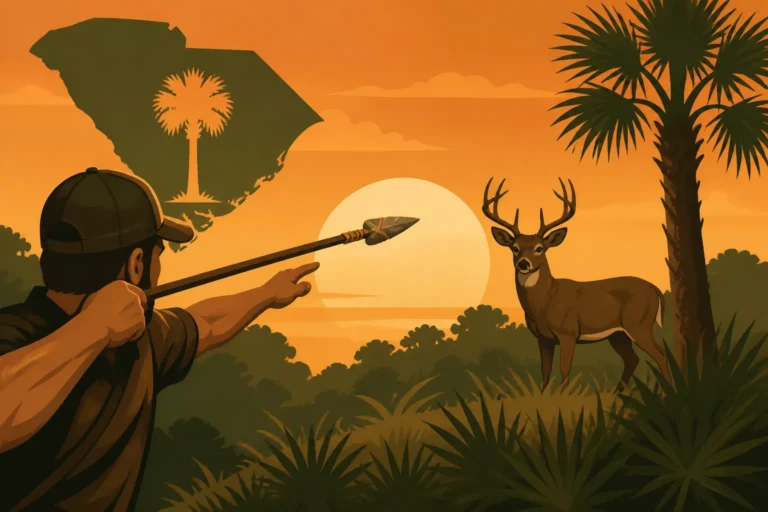
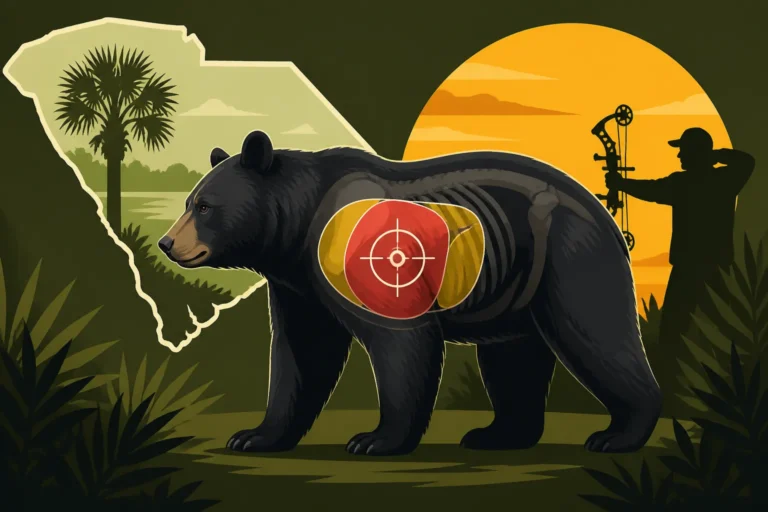
Hunting the dense, often overlooked coastal maritime forest edges in South Carolina can feel like an entirely different game compared to the open woods of the Upstate or the vast agricultural fields of the Midlands. The stifling humidity, relentless insects, and incredibly thick cover often discourage hunters, but these challenging environments are precisely where big bucks thrive, utilizing the abundant food, water, and sanctuary. This guide will help you understand these unique ecosystems and arm you with the strategies to successfully pursue whitetails in South Carolina's coastal maritime forests.
Understanding the Unique Coastal Maritime Forest Habitat
South Carolina's coastal maritime forests are a world unto themselves, shaped by their proximity to the Atlantic Ocean. These aren't your typical pine plantations or hardwood bottoms; they're a mosaic of tough, salt-tolerant vegetation, often interspersed with brackish water and tidal creeks. Deer here are masters of navigating this dense, often unforgiving landscape, and understanding their habits within it is key to your success.
The Ecosystem and Its Influences
Think of the maritime forest as a fortress for deer. It's characterized by live oaks draped in Spanish moss, providing both cover and an occasional acorn crop. You'll find dense thickets of yaupon holly, wax myrtle, and various palmetto species, creating nearly impenetrable cover that deer can melt into at a moment's notice. These areas are also heavily influenced by the tide, with numerous tidal creeks and low-lying areas that regularly flood. This constant ebb and flow of water dictates deer movement more than anything else, often creating natural funnels and pinch points that are goldmines for the observant hunter. The rich soil, fueled by decomposing organic matter and occasional saltwater intrusion, also supports a diverse array of browse that whitetails readily consume.
One often-overlooked aspect is the thermal cover these areas provide. Even in our relatively mild winters, the thick canopy and dense undergrowth can offer a refuge from cold winds, while in the scorching early season, the shade is invaluable. Deer will bed in the deepest, thickest parts of these areas, often within sight of a water source or a trail leading to a feeding area. They'll use the slightest elevation changes, like an old dune line or a natural levee, to stay out of standing water, even if it's only a few inches higher. Understanding these micro-elevations, which you can sometimes spot by carefully studying a detailed mapping app like GoHunt, can reveal primary travel corridors.
Key Food and Water Sources
While acorns from live oaks are a prime draw in the fall, they aren't the only game in town. Deer in maritime forests feed on a wide variety of browse year-round. They'll nibble on tender shoots of wax myrtle, greenbrier, and various grasses. In more open, sandy areas or old clear-cuts transitioning back to forest, you might find persimmon trees or wild grapes, both of which are deer magnets when ripe. The edges of tidal marshes often provide nutritious forage as well, particularly during low tide when new growth is exposed.
Water is, of course, everywhere in the coastal environment, but deer still seek out fresh water sources when available. While they can drink brackish water, they'll usually prefer freshwater pockets, especially during dry spells or after heavy rains wash the salt from low-lying areas. Keep an eye out for depressions that hold rainwater or the occasional seepage from higher ground. These spots can become critical watering holes, particularly during the early archery season when temperatures are still soaring. Sometimes, these small freshwater pockets are only detectable through keen observation and finding damp, muddy tracks where deer have stopped to drink.
Reading the Edge: Sign and Movement
Hunting coastal maritime forest edges isn't just about finding a deer; it's about finding the deer, and that means understanding how they use these unique transition zones. The edge of a maritime forest, where it meets a salt marsh, a managed field, or even a denser, interior swamp, is a high-traffic area. These are the highways and rest stops for whitetails.
Identifying Productive Edge Transitions
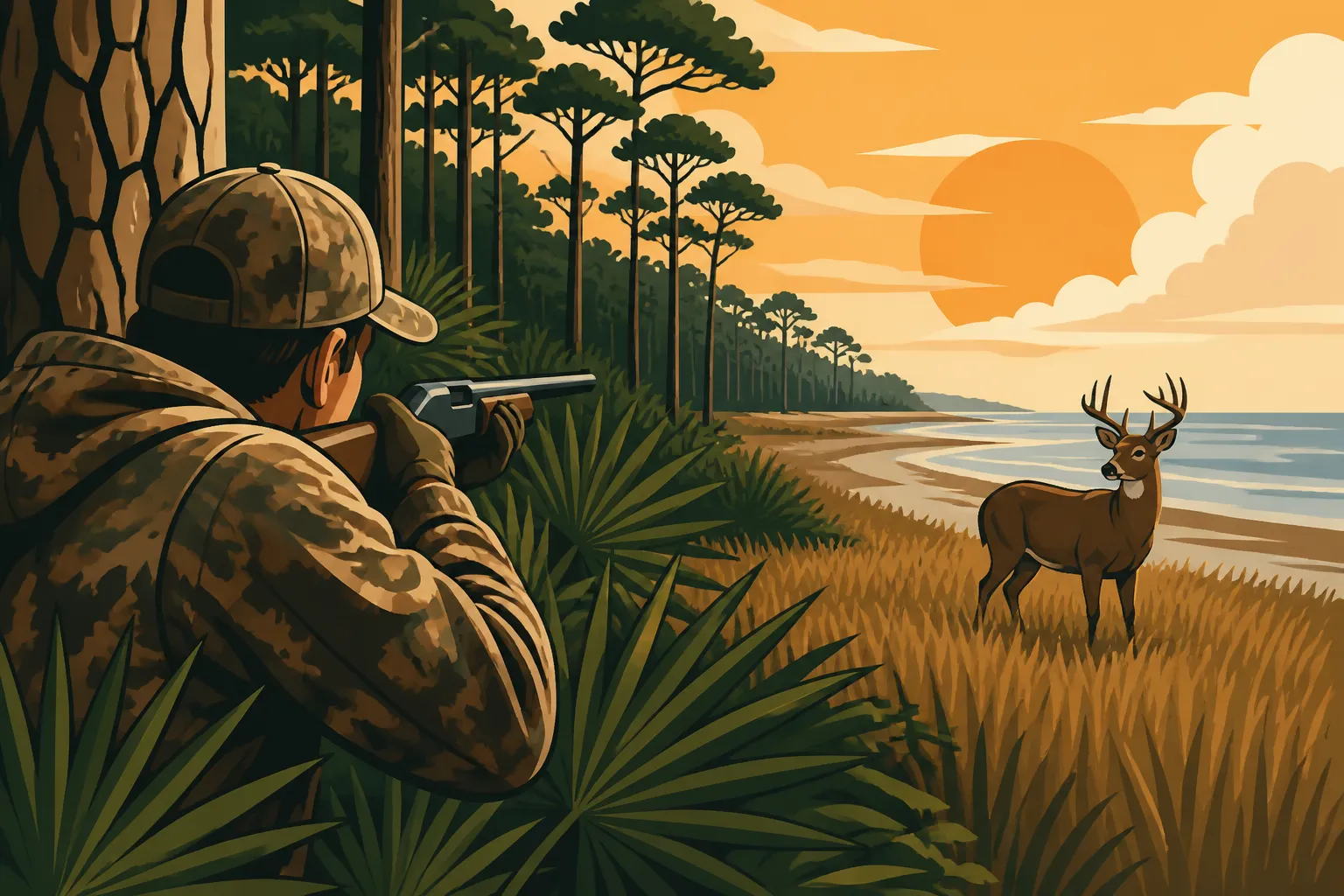
Deer are creatures of habit and efficiency. They gravitate to edges because edges offer the best of both worlds: nearby cover for security and access to diverse food sources. A prime example is where the dense maritime forest meets a vast salt marsh. Deer will often skirt the very edge of the tree line, browsing on the lush marsh grasses and forbs, especially at dawn and dusk. These transition lines act as natural travel corridors. Look for rub lines on small saplings or low-hanging branches of live oaks. Scrapes, though often less defined than in agricultural settings, can still be found along these edges, particularly where a dominant buck might be scent-checking his territory.
Another fantastic edge is where the maritime forest transitions into a pine plantation or a recently cut block. The dense regrowth of the clear-cut provides excellent bedding and browse, while the mature timber offers thicker cover and often better mast crops. Deer will frequently move between these two habitats throughout the day. Using an app like GoHunt to study aerial photos and topo maps can help you identify these subtle elevation changes and cover transitions before you even step foot in the woods. Pay close attention to points and fingers of cover that extend into more open areas, as these almost always channel deer movement.
Interpreting Deer Sign in Coastal Environments
Deer sign in the coastal maritime forest can be a bit different from what you might be used to in other regions. Because the ground is often soft, muddy, or covered in thick pine straw and palmetto fronds, tracks might not always be as clear. You'll need to develop an eye for subtle disturbances. Look for flattened vegetation where deer have bedded, especially under thick palmetto fronds or dense yaupon patches. Fresh droppings are always a good indicator of recent activity, but their exact location can tell you if deer are feeding or just passing through.
Rubs and scrapes are still important, but they might be on different types of vegetation. Bucks often rub small diameter live oak saplings or even the tougher, scrubbier trees found in the understory. Scrapes, particularly those along a game trail near a tidal creek, can be a major draw. Pay attention to the size and freshness of rubs, as this can give you an idea of the buck's size and how recently he's been in the area. When you're Reading a Tidal Creek for Deer Movement, remember that the ebb and flow often leaves exposed mud flats that can show fresh tracks even if the forest floor is too cluttered. These muddy banks are excellent places to scout for heavy travel.
Strategic Hunting Tactics for Maritime Edges
Hunting these unique coastal edges requires a blend of traditional deer hunting skills and an adaptation to the specific challenges of the South Carolina lowcountry. Forget long-range shots; this is often a close-quarters game where patience, stealth, and a keen understanding of wind and thermal currents are paramount.
Stand Placement and Wind Considerations
Choosing a stand location along a maritime forest edge is all about anticipating deer movement and playing the wind. Look for natural funnels where the cover constricts deer travel, such as a narrow strip of timber between two tidal creeks, a pinch point between a dense bedding area and a feeding zone, or a saddle in a slight ridge. Old logging roads or ATV trails that parallel the edge can also be excellent ambush points, as deer often use them for easier travel, especially after dark.
Wind is notoriously fickle along the coast. It's not just the prevailing wind direction you need to worry about; coastal breezes can swirl unpredictably, especially near water. Early morning thermals will often pull your scent down towards lower ground and water, while evening thermals tend to lift it. Always consider how your scent will be carried by these micro-currents. A good strategy is to set up on the downwind side of where you expect deer to approach, ensuring your scent is blowing away from their travel path. This might mean setting up further back in the timber, or selecting a spot that allows you to shift positions if the wind changes. During the warm early season, a Warm-Weather Sitting Strategy in South Carolina becomes crucial to remaining undetected, even when facing challenging winds.
Still-Hunting and Calling in Thick Cover
While stand hunting is effective, still-hunting through the maritime forest edges can also be incredibly productive, especially if you're comfortable moving slowly and deliberately. The dense cover here means visibility is often limited to 30-50 yards, making still-hunting more feasible. Move into the wind, taking one slow step at a time, pausing often to scan for any flick of an ear, a horizontal line that doesn't belong, or the subtle glint of an antler. Focus on areas with slightly more open understory, or along the subtle deer trails that wind through the palmettos. Pay extra attention to any subtle changes in terrain, like a small knoll or a dry creek bed, where deer might bed or travel.
Calling in these thick environments often requires a more subtle approach. Loud grunts or aggressive rattling might carry too far and alert deer without giving them a clear direction. Instead, opt for soft contact grunts, tending grunts, or even fawn bleats. These calls can pique a deer's curiosity without making them feel threatened, potentially drawing them just a few more yards into shooting range. If you're Hunting Lowcountry Swamp Deer or in thick maritime forest, these subtle sounds can be the ticket to bringing a reclusive buck out of the cover.
Using Water Features to Your Advantage
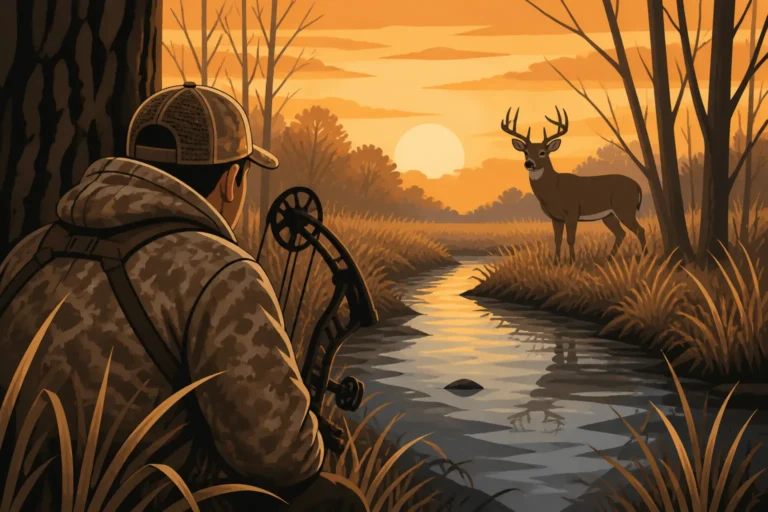
The numerous creeks, sloughs, and swamps in coastal maritime forests can be your greatest ally. Deer are reluctant to cross open water or deep, mucky terrain unless absolutely necessary. This means that narrow crossings, small land bridges, or slightly elevated banks along a creek become natural funnels. Identify these crossing points during scouting and set up an ambush there. The incoming or outgoing tide can also influence deer movement; deer might move more frequently during low tide when more ground is exposed, or they might be forced to use higher ground during high tide.
Also, consider boat access. Many remote stretches of South Carolina's public lands, particularly in the ACE Basin, are best accessed by boat or kayak. This can put you in areas that see very little hunting pressure, making your chances significantly better. Plan your approach and exit routes carefully to minimize disturbance. Remember, a stealthy approach to these areas, whether on foot or by water, is paramount for success. Many of the strategies for Hunting the ACE Basin for Deer can be applied to other coastal maritime forest edges.
Essential Gear for Coastal Hunting
The South Carolina coast isn't just about different deer; it's about different gear. The environment demands specific clothing, footwear, and accessories to keep you comfortable, safe, and effective. Ignoring these details can quickly turn a promising hunt into a miserable ordeal.
Clothing and Footwear for Warm, Wet Conditions
Forget your heavy wool and insulated layers for much of the season. Coastal South Carolina is hot and humid for a significant portion of the deer season, which can start as early as August 15th in Zone 4. Lightweight, moisture-wicking clothing is your best friend. Look for technical fabrics that breathe well and dry quickly. Layers are still important, but think thin base layers and a light outer shell for cool mornings or unexpected rain. Camouflage patterns that blend into the dense, green foliage and dappled sunlight of the maritime forest are also a good idea.
Footwear is perhaps the most critical gear decision. You will encounter water and mud, and you will encounter snakes. High-quality waterproof boots, preferably snake boots that come up to your knees, are non-negotiable. Snake boots provide protection against venomous snakes like cottonmouths and rattlesnakes, which are common in these habitats. Rubber boots are also an excellent choice, as they keep your feet dry and help contain human scent. Don't skimp on quality here; discomfort or a snake bite can ruin your hunt, or worse. For comprehensive protection, consider investing in a good pair of Snake Boots for Coastal Plain Walking.
Bug Protection and Navigation Aids
The bugs in coastal South Carolina can be legendary, especially during the early season. Mosquitoes, gnats, and ticks are abundant and aggressive. A strong insect repellent containing DEET or picaridin is essential. Consider wearing permethrin-treated clothing, which will repel and kill ticks, mosquitoes, and chiggers on contact. A head net can also be a sanity-saver during particularly bad bug hatches, especially when sitting still in a treestand. Don't underestimate the mental drain of constantly swatting bugs; proper protection allows you to focus on the hunt. For reliable defense against pests, ensure you have Bug Repellent That Holds Up in a Tree Stand.
Navigation in the dense, often featureless maritime forest can be surprisingly challenging. Tree lines can look identical, and small creeks can appear out of nowhere. A reliable GPS unit or a smartphone with a robust mapping app like GoHunt is absolutely essential. Download offline maps before you go, as cell service can be spotty or non-existent in many remote areas. Mark your stand locations, vehicle parking, and any key sign you find. It's also a good idea to carry a compass and know how to use it, just in case your electronics fail. Getting lost in these environments can quickly become dangerous.
Scent Control and Quiet Movement
While the thick cover might make you think scent control is less critical, it's actually paramount in these close-quarters hunting scenarios. Deer are often within bow range before you ever see them, and their noses are their primary defense. Use scent-eliminating sprays, wash your hunting clothes in scent-free detergent, and store them in airtight containers. If possible, shower with scent-free soap before your hunt. Even though coastal winds can be tricky, minimizing your scent footprint gives you a crucial advantage. For more tips on minimizing detection, check out Scent Control Gear for South Carolina Humidity.
Quiet movement is equally important. The dense undergrowth makes silent walking difficult, but practice makes perfect. Wear clothing that doesn't rustle, and avoid carrying gear that clanks or scrapes. Take slow, deliberate steps, placing your feet carefully to avoid crunching leaves or breaking twigs. When still-hunting, pause frequently to listen. The sounds of the maritime forest – the rustle of palmetto fronds, the distant cry of a marsh bird, the subtle sloshing of water – can often mask your own movements or, conversely, reveal the approach of a deer.
South Carolina Hunting License and Rules
Before you ever head out, make sure you're squared away with all the necessary legal requirements for hunting in South Carolina. Ignorance of the law is no excuse, and wardens patrol these areas regularly.
Licenses, Permits, and Zones
Every hunter in South Carolina needs to possess a valid hunting license. Residents and nonresidents have different requirements and costs for their licenses and permits. You'll typically need a base hunting license, and if you're pursuing big game like deer, a big game permit is also required. If you plan to hunt on public lands, such as Wildlife Management Areas (WMAs) which often encompass prime maritime forest habitats, an additional WMA permit is necessary. You can easily purchase these online through the Go Outdoors SC website, or from authorized license vendors across the state. It's always a good idea to carry a physical copy or have access to your digital license on your phone. To understand the full breakdown, consult South Carolina Hunting Licenses and What They Cost.
South Carolina's deer season structure is divided into four distinct game zones, each with its own opening and closing dates. Much of the prime coastal maritime forest hunting falls within Zone 4, which typically has the earliest archery opener, often in mid-August. This early start means dealing with peak heat and bugs, but also less pressured deer. Be absolutely sure to confirm the exact season dates for the specific zone and property you plan to hunt. Understanding South Carolina Deer Season Structure Explained is vital for planning your hunts effectively.
Weapon Restrictions and Reporting
For deer hunting in the maritime forest, you have a variety of legal weapon choices. Archery equipment, including crossbows, is popular, especially during the early season and in bow-only management areas. If you're considering a crossbow, make sure you're up to date on Crossbow Rules During South Carolina Archery Season. Muzzleloaders and modern firearms are also permitted during their respective seasons. Always consult the SCDNR regulations for specific rules regarding minimum caliber, magazine capacity, and any other local restrictions that might apply to the area you're hunting.
South Carolina also has strict deer reporting requirements. Every deer harvested, whether antlered or antlerless, must be reported to the SCDNR through the Game Check system within 24 hours of harvest and before the deer is transported more than 15 miles from the point of kill. This can be done online or via the Go Outdoors SC app. This data is crucial for wildlife managers to monitor deer populations and ensure sustainable hunting opportunities. Be sure to carry a pen or marker to write down your confirmation number on the deer tag.
By understanding the unique challenges and opportunities of hunting coastal maritime forest edges, and equipping yourself with the right knowledge and gear, you'll be well on your way to a rewarding experience in the South Carolina lowcountry.
Coastal Hunting Season Breakdown
| Season Phase | Primary Deer Activity | Recommended Tactics | Key Challenges |
|---|---|---|---|
| Early Archery | Summer patterns: bedding near water, feeding on browse | Stand over trails to food/water, subtle calling | Intense heat, abundant bugs, thick foliage |
| Pre-Rut/Rut | Bucks actively seeking does, increased movement | Scrapes/rubs along edges, rattling/grunting | Shifting winds, scattered rut activity |
| Late Season | Focused on available food, often nocturnal | Keying on specific mast crops, thick cover bedding | Hunting pressure, colder temps, wary deer |
Disclaimer
Hunting is an inherently dangerous activity. Always prioritize safety, follow all local and state regulations, and ensure you have proper training and equipment. The information provided in this guide is for informational purposes only and should not replace official hunting regulations or professional guidance. Be aware of your surroundings, respect wildlife, and obtain all necessary licenses and permits before heading afield.