Night Hunting Rules for South Carolina Coyotes
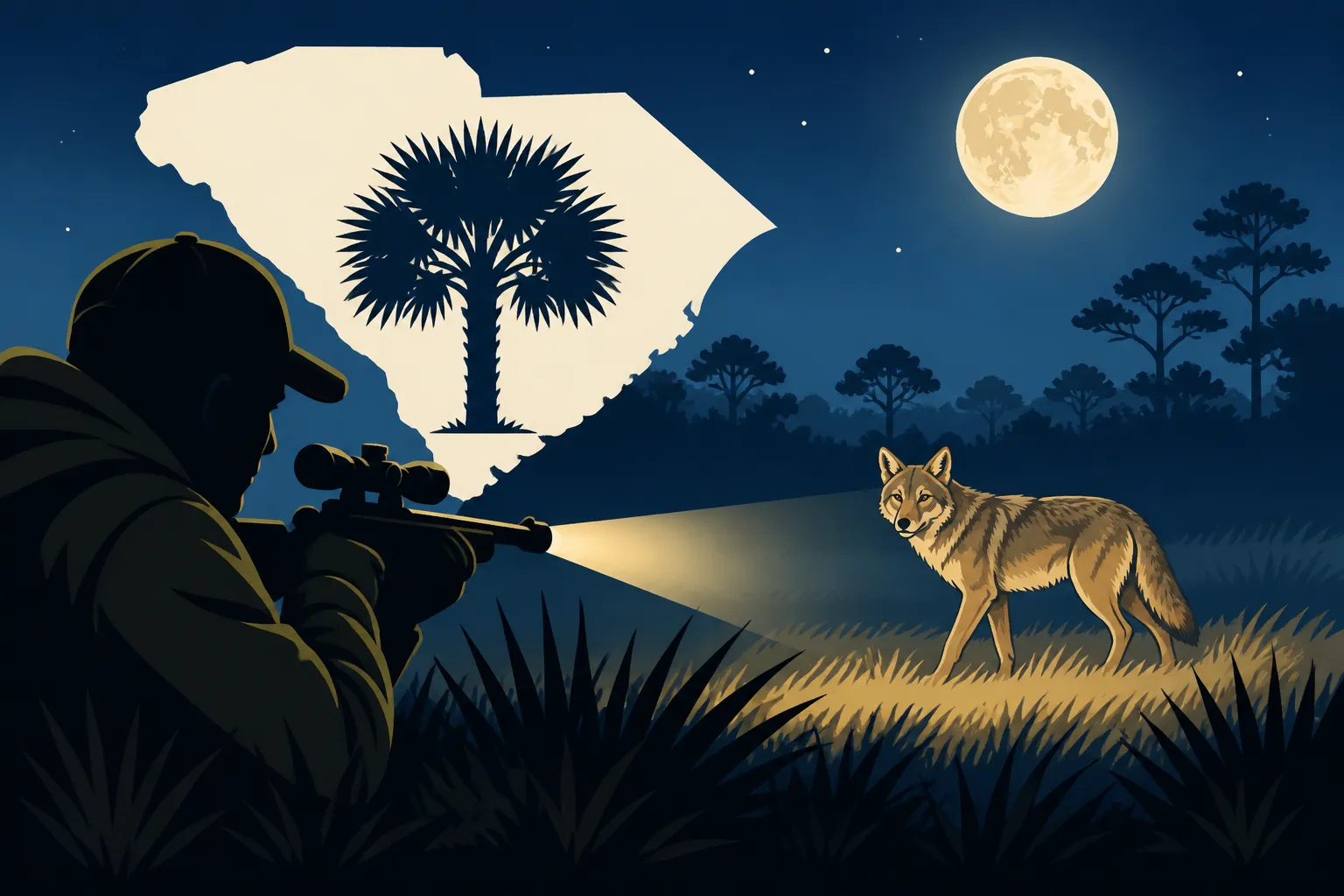
Coyotes have become a real headache for landowners and wildlife managers across South Carolina, preying on everything from fawns to livestock, and sometimes, the most effective way to address this growing problem is to hunt them after dark. But before you grab your thermal and head out, it's absolutely critical to understand the specific rules and regulations governing night hunting for coyotes in the Palmetto State, which can be a bit of a maze if you're not careful. This guide will walk you through everything you need to know to hunt coyotes legally and responsibly under the cloak of night.
Understanding the Necessity of Coyote Control
For many years, the presence of coyotes in South Carolina was less of a concern. They were often viewed as a relatively new arrival, but that has certainly changed. These highly adaptable predators have firmly established themselves throughout every corner of the state, from the mountains to the coast, and their populations continue to expand. This widespread presence, coupled with their opportunistic nature, has created significant challenges for our native wildlife and even for agricultural operations.
The Impact of Coyotes on South Carolina's Ecosystem
The impact of coyotes on South Carolina's delicate ecosystem cannot be overstated. They are generalist predators, meaning they aren't picky eaters. They will readily consume small mammals, birds, reptiles, insects, and fruits, but their diet often includes game species that we cherish. Of particular concern is their effect on deer populations, especially fawns. Studies, both locally and across the Southeast, have shown that coyotes are a primary predator of newborn fawns, sometimes accounting for a substantial portion of fawn mortality. This can have long-term implications for herd health and deer hunting opportunities.
Beyond deer, coyotes also take a toll on wild turkeys, especially during nesting season when they might prey on hens on the nest or newly hatched poults. Ground-nesting birds like quail and various waterfowl species also face increased predation pressure. For farmers and rural residents, the problem hits even closer to home, with coyotes responsible for significant livestock depredation, targeting chickens, goats, sheep, and even calves. These incidents result in real financial losses and emotional stress for those trying to make a living off the land. This is why understanding South Carolina Coyote Attacks on Livestock is so important for property owners.
Why Night Hunting Becomes a Go-To Solution
Given the pervasive nature of coyotes and their impact, traditional daytime hunting methods often fall short of effective population control. Coyotes are incredibly intelligent and quickly learn to avoid human activity during daylight hours, making them notoriously difficult to harvest consistently. They become largely nocturnal in areas with high human pressure, relying on the cover of darkness to move, hunt, and reproduce. This is where night hunting truly shines as a management tool.
By extending hunting hours into the night, hunters can capitalize on the coyote's natural nocturnal tendencies. Specialized equipment, like thermal optics and night vision, allows hunters to detect coyotes that would otherwise be invisible in the dark. This shift in strategy can lead to more successful harvests, helping to mitigate their population growth and reduce their impact on other wildlife and livestock. The ability to pursue them when they are most active is a critical advantage for anyone serious about managing coyote numbers effectively.
South Carolina's Specific Night Hunting Regulations for Coyotes
South Carolina's hunting regulations can be complex, and night hunting for coyotes is no exception. It's vital to know the precise rules to avoid legal trouble, as violations can carry significant penalties. The South Carolina Department of Natural Resources (SCDNR) has specific guidelines, and they are not to be taken lightly.
Legal Hours for Night Hunting Coyotes
Unlike many game species, coyotes in South Carolina can generally be hunted at night on private land year-round, without specific closed seasons, provided you follow the regulations. This year-round flexibility is a testament to the state's recognition of coyotes as a nuisance species requiring continuous management. However, it's crucial to distinguish between private and public lands. On most Wildlife Management Areas (WMAs) and other public lands, night hunting is typically prohibited or extremely restricted. Always check specific WMA regulations before heading out, as they can differ. The general rule of thumb for private land is that hunting coyotes is legal from one-half hour after sunset to one-half hour before sunrise. This is different from the daytime hours for most other game animals.
Equipment and Methods Permitted After Dark
South Carolina law permits certain equipment for night hunting coyotes, which is essential for safety and effectiveness. You are allowed to use artificial lights, including spotlights, handheld lights, and weapon-mounted lights, to locate and shoot coyotes. This is a significant allowance, as artificial lights are often prohibited for hunting other species. Furthermore, electronic calls are fully permissible for luring coyotes. These calls, which mimic coyote vocalizations, rabbit distress calls, or other prey sounds, are incredibly effective at bringing coyotes within range, especially at night when their senses of sight are less dominant and their curiosity is piqued. Many hunters utilize advanced calling sequences to draw in wary coyotes.
When it comes to firearms, standard hunting rifles, shotguns, and bows are legal for coyote hunting at night. However, there are some high-tech tools that have become game-changers for night hunters. Thermal imaging scopes and night vision devices are legal for coyote hunting at night on private land. These devices allow hunters to see heat signatures or amplify ambient light, making it possible to spot coyotes in complete darkness. This capability has revolutionized night hunting, turning what was once a hit-or-miss endeavor into a much more precise and ethical pursuit. Just remember, these specialized optics are usually quite an investment, but for dedicated coyote control, they can be invaluable. It's always a good idea to ensure your equipment adheres to all state guidelines, so a quick check with the SCDNR website or even a call to a local game warden is never a bad idea if you're unsure.
Public vs. Private Land Distinctions
This is arguably the most critical distinction in South Carolina coyote hunting regulations. The liberal rules regarding night hunting and specialized equipment almost exclusively apply to private land. Hunting on public lands, such as national forests or Wildlife Management Areas (WMAs), typically operates under a completely different set of, often much stricter, rules. For example, using artificial lights or thermal imaging for hunting any species, including coyotes, is generally prohibited on public lands in South Carolina. There may be very rare exceptions for specific, sanctioned depredation permits, but these are not for the general hunter.
Before you ever set foot on any land that isn't your own private property, you must confirm its status and review the specific regulations for that particular parcel. The Go Outdoors SC App or a similar mapping tool like GoHunt can be incredibly helpful for identifying property lines and understanding public land boundaries. Trying to night hunt coyotes on public land without explicit, written permission and a clear understanding of the rules could lead to severe penalties, including fines, loss of hunting privileges, and confiscation of equipment. Always err on the side of caution and conduct thorough research beforehand. If you're on private land, make sure you have explicit permission from the landowner, and understand South Carolina Trespass and Permission Law to ensure you're always on the right side of things.
Here's a quick overview of the key differences:
| Feature | Private Land (Coyote Night Hunting) | Public Land (Coyote Night Hunting) |
|---|---|---|
| Legal Hours | One-half hour after sunset to one-half hour before sunrise (year-round) | Generally prohibited. Always check specific WMA/public land rules. |
| Artificial Lights | Permitted (spotlights, weapon-mounted lights, handheld) | Generally prohibited. |
| Thermal/Night Vision | Permitted | Generally prohibited. |
| Electronic Calls | Permitted | Typically permitted for coyotes during daylight hours, but night hunting is restricted. |
| Firearms | Standard hunting firearms (rifles, shotguns, bows) | Standard hunting firearms (rifles, shotguns, bows), but night hunting is restricted. |
| Landowner Permission | Required (verbal or written, depending on specific situations) | Not applicable, as public land access is governed by state/federal rules. |
| General Season | Year-round | No specific night season, as night hunting is largely prohibited. |
Navigating the Practicalities and Safety of Night Hunting
Understanding the rules is just the first step. Actually going out and effectively and safely hunting coyotes at night requires careful planning, the right gear, and an unwavering commitment to safety. The challenges of hunting in low light are significant, and taking shortcuts can have serious consequences.
Essential Gear and Setup for Night Ops
Your gear list for night hunting coyotes is going to look a bit different from your typical deer hunt. Foremost, if you're serious about consistent success, consider investing in quality thermal imaging or night vision equipment. These tools literally turn night into day, allowing you to spot coyotes from long distances that would be impossible with traditional optics. A good electronic call is also non-negotiable. Modern e-callers come pre-loaded with a vast library of sounds, from various coyote barks and howls to distress calls of rabbits, fawns, and birds. Knowing when and how to deploy these calls is a skill in itself, often learned through experience and studying coyote behavior.
For lighting, a powerful spotlight or weapon-mounted light is essential. These lights not only help you identify targets but can also momentarily freeze coyotes, giving you a clean shot. Always have backup batteries! A comfortable and stable shooting setup is also key. Whether it's shooting sticks, a bipod, or even a portable hunting chair, stability is paramount for accurate shooting in the dark. Don't forget hearing protection, as shots fired at night can be disorienting. A quality red headlamp is useful for moving around without ruining your night vision, and a reliable GPS device or app like GoHunt on your phone is critical for navigation and marking locations in the dark. When you're in unfamiliar territory or trying to identify property boundaries, the detailed satellite imagery and land ownership overlays on GoHunt can be a lifesaver, especially when you're trying to set up quietly under the stars.
Prioritizing Safety and Communication
Safety is absolutely paramount when night hunting. The reduced visibility significantly increases risks, so a methodical approach is vital. Always be 100% certain of your target and what's beyond it. In the darkness, it's incredibly easy to misidentify animals or overlook potential hazards. Never take a shot unless you have a clear, safe backdrop. This means identifying potential dwellings, roads, or livestock areas before it gets dark. Pre-scouting your hunting location during the day is an absolute must to identify shooting lanes, potential hazards, and safe backstops.
Communication is also crucial, especially if you're hunting with a partner. Use two-way radios or cell phones (if you have service) to stay in constant contact. Establish clear lines of fire and safe zones. If you're on private land, inform neighbors about your planned activities to prevent misunderstandings or alarm. It's also a good idea to wear some form of blaze orange or pink while moving to and from your setup, even if it's not strictly required during the actual night hunt, just as an added layer of visibility to anyone else who might be out. While South Carolina Blaze Orange Requirements are typically for daytime big game hunting, exercising caution with visibility during transition times is always smart. Remember, even though coyotes are often seen as pests, ethical hunting practices dictate that you prioritize safety for yourself, your hunting partners, and any innocent bystanders or property.
Beyond Night Hunting: Other Coyote Management Strategies
While night hunting is an incredibly effective tool for managing coyote populations, it's not the only arrow in the quiver. A comprehensive approach often involves a combination of strategies, tailored to specific situations and land types. Understanding these alternatives can help create a more balanced and sustainable management plan.
Day Hunting and Trapping as Alternatives
Daytime hunting for coyotes remains a popular and accessible method for many hunters. While often more challenging due to their increased wariness during daylight hours, strategic calling, patience, and understanding coyote behavior can still yield results. Early morning and late evening are often the most productive times, as coyotes are more likely to be on the move. Methods like still-hunting, stand hunting over bait (where legal), and calling are all employed during the day. Furthermore, organized coyote drives on larger properties can be effective, though they require careful planning and multiple participants. For those interested in improving their daytime success, exploring tactics for Coyote Calling in South Carolina Farm Country can be highly beneficial.
Trapping, when done correctly and legally, is another highly effective method for reducing coyote numbers, especially for targeting specific problem animals that are causing depredation. South Carolina has specific regulations regarding furbearer trapping, which includes coyotes. Trapping often requires specialized knowledge, skills, and equipment, and can be very time-consuming. It's important to understand the different types of traps, proper placement, and humane dispatch methods. If you're considering trapping, make sure you're fully aware of the regulations and best practices, perhaps even taking a trapping course. This method is particularly useful in areas where shooting may be restricted or less practical. Learning about Running a Trapline in Rural South Carolina is a good first step if this method appeals to you.
Collaboration and Community Efforts
Effective coyote management often extends beyond individual efforts and can benefit greatly from collaboration. Landowners, farmers, and even hunting clubs can work together to implement coordinated coyote control programs across larger contiguous areas. When neighboring properties all engage in management, the impact can be far greater than isolated efforts. This might involve sharing information on coyote sightings, coordinating hunting or trapping efforts, or even pooling resources for professional trappers.
Additionally, community involvement in education about coyote ecology and responsible waste management can help reduce attractants. Securing trash, pet food, and compost can discourage coyotes from frequenting residential areas. Reporting sightings and depredation incidents to the SCDNR helps wildlife biologists track populations and better understand their movements and impacts, informing future management decisions. A collective approach acknowledges that coyotes are a shared challenge and that a united front offers the best chance for meaningful control and the protection of our native wildlife.
Disclaimer
The information provided in this article is for general guidance only and is subject to change. Hunting regulations can be complex and are frequently updated. It is the responsibility of every hunter to verify all current rules and regulations with the South Carolina Department of Natural Resources (SCDNR) before engaging in any hunting activity. Always prioritize safety and ethical hunting practices.