How Far to Walk From a Forest Road
It's a common dilemma, isn't it? You pull up to a forest road on public land, see a dozen other trucks already parked, and immediately feel that familiar pang of doubt. How far do you really need to walk to get away from the crowds and into some unpressured territory? It’s a crucial question that often dictates success or failure in the field, especially in popular hunting areas across South Carolina. This guide is all about helping you figure out that sweet spot, giving you the confidence to put in the miles that make the difference and find those pockets of untouched game.
The Lure of the Easy Walk and Its Downfall
We've all been there. It's early morning, still dark, and the comfort of the truck beckons. The idea of just slipping into the woods a hundred yards from the road, setting up a stand, and waiting for legal shooting light is incredibly appealing. Why bust your rear end hiking a mile or more when you could potentially connect with a deer or turkey just as close? This "easy walk" mentality is deeply ingrained for many hunters, often driven by time constraints, physical limitations, or simply a hope that the game will come to them.
The "Road Hunter" Mentality
The road hunter mentality isn't necessarily a bad thing in itself. For some, hunting is as much about being outdoors and enjoying nature as it is about harvesting an animal. If a short walk gets you into the timber and you're happy with your experience, then that's perfectly valid. However, when it comes to consistently finding game that hasn't seen every trick in the book, sticking close to access points can be a real hindrance. Most hunters, understandably, prefer convenience, and the path of least resistance often leads to the same easily accessible spots year after year. This creates a predictable pattern of pressure that animals quickly learn to avoid.
Think about it: every hunter who pulls off the main drag usually takes one of a few common paths. There are those who walk a quarter-mile, those who go a half-mile, and a smaller percentage who truly push it. If you're always stopping where everyone else stops, you're competing for the same few deer or gobblers that are brave (or naive) enough to venture into those high-traffic zones. It's a fundamental aspect of Hunting Pressure on South Carolina Public Land that often goes unaddressed when we're just trying to get our boots on the ground before sunrise.
The Scarcity of Unpressured Game Near Roads
The unfortunate truth is that game animals, especially mature deer and wary turkeys, are incredibly adept at recognizing and reacting to human presence. The closer you are to a forest road, the more likely those animals are to have encountered vehicles, voices, human scent, and other signs of hunting activity. They become nocturnal, move to thicker cover, or simply vacate the immediate vicinity of high-pressure areas. What might have been a prime bedding area or a consistent travel corridor a quarter-mile from the road at the start of the season can become a ghost town after the first weekend of hunting.
You might occasionally stumble upon a young buck or a lost doe near a road, but the chances of consistently patterning and harvesting a mature, unpressured animal drop significantly. These animals seek sanctuary, and often, that sanctuary is found by simply moving a little further away from where the trucks are parked. This is why many seasoned hunters preach the gospel of "walking further." It's not just about covering ground; it's about pushing past the easily accessible pressure zones and finding the quiet pockets where deer and turkeys feel safe to move during daylight hours. Finding Ground Others Walk Past is a critical skill, and it almost always starts with a willingness to put in the miles.
Factors Influencing Your Walking Distance
Determining the "right" distance to walk isn't a one-size-fits-all answer. It's a dynamic equation influenced by several key factors. Understanding these elements will help you make an informed decision for each hunt, rather than just blindly following a general rule of thumb.
Understanding Hunting Pressure
This is perhaps the most significant factor. If you're hunting a popular WMA or a section of national forest known for heavy traffic, you’re probably going to need to walk further than if you’re on a remote, seldom-visited tract. During opening day of deer season, or the first weekend of turkey season, those initial few hundred yards from any access point will be saturated with hunters. In these scenarios, you might need to push a mile or more to truly feel like you've left the immediate pressure behind.
Consider the time of year too. Early archery season in August or September, especially in coastal South Carolina zones, often means more intense heat and humidity, which naturally discourages some hunters from making long treks. This could, ironically, mean that a shorter walk still gets you into less-pressured areas compared to a crisp November morning when everyone is out in force. Conversely, during the rut, when deer are moving more, even heavily pressured deer might make a mistake closer to roads. Always try to gauge the current pressure situation; if you pull up and there are five other vehicles at the trailhead, you know you need to go deep or find a different spot entirely.
Topography and Cover Considerations
The terrain itself plays a huge role in how far you need to walk to find sanctuary. A dense, swampy bottomland might only require a few hundred yards of penetration to feel remote, simply because it's difficult to traverse and most hunters avoid it. If you're willing to slog through a nasty creek bottom or a thick briar patch, you can often find untouched pockets much closer to a road than you'd expect. Recovering a Deer From a Lowcountry Swamp highlights the challenges but also the rewards of these difficult areas.
On the other hand, if you're hunting open pine plantations with easy walking, or a relatively flat hardwood ridge, you'll likely need to cover more ground to achieve the same sense of remoteness. Deer can move through these areas quickly and easily, and so can hunters. A steep climb up an Upstate ridge in Sumter National Forest might deter many, making the top of that ridge feel secluded even if it's only a half-mile from the truck. Reading a Ridge for Upstate Deer often involves looking for these natural barriers that funnel or hold deer, and simultaneously deter hunters. Always consider how accessible the terrain is; the harder it is for people to walk, the less distance you might need to cover to find a sanctuary.
Game Species and Their Habits
Different animals have different tolerances for human activity and varying home ranges. A mature whitetail buck, especially in a heavily hunted area, might have a core bedding area a mile or more from any primary access point, only venturing closer under the cover of darkness. Turkeys can be similar; while they might roost relatively close to roads, they often fly down and head directly for quiet, secluded areas where they feel safe to feed and strut.
Small game like squirrels or rabbits might be found closer to roads, as their home ranges are much smaller and they often utilize fencerows, small woodlots, or creek bottoms that are more forgiving to human disturbance. Even then, the biggest bushytails or cottontails might be further in. When targeting black bear in the Upstate, especially during a still-gun season, you might find them higher up on ridges or deep in thick rhododendron slicks, requiring significant climbs and walks from the nearest forest road. Always tailor your walking distance to the specific habits of the game you're after and how much pressure they typically endure.
Practical Strategies for Determining Your Trek
So, how do you actually decide how far to hoof it? It's not about guessing or just picking a number out of thin air. Modern tools and good old-fashioned scouting can give you a significant advantage.
Utilizing Mapping Apps for Strategic Entry
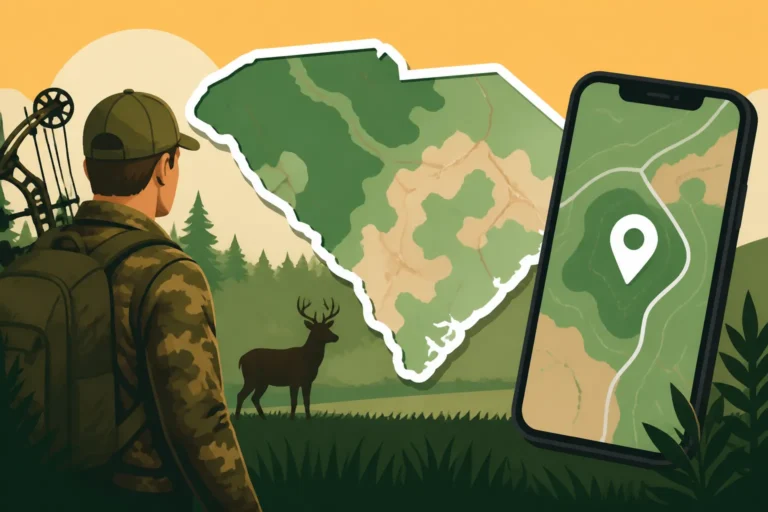
This is where technology really shines. Tools like onX Hunt have revolutionized how we approach public land. Before you even leave the house, you can scout potential entry points and plan your routes. Look for features like subtle saddles, hidden creek drainages, thick clearcuts, or natural funnels that are a significant distance from designated parking areas or popular trailheads. These are often the places that get overlooked.
Load the aerial imagery and topographic maps onto your phone or GPS unit. Even if you're deep in the woods with no cell service, you can still navigate precisely. Using a mapping app allows you to virtually walk the terrain and identify areas that would be difficult for most hunters to reach, or that simply look less inviting on a map, such as a large block of dense timber with no obvious trails. Remember to check onX Layers for South Carolina Land Status to ensure you're always on public ground, and to identify potential access points that might not be obvious from the road. Similarly, other apps like GoHunt can offer different perspectives or features, helping you piece together a comprehensive plan for where to go. The goal is to find those overlooked, hard-to-reach pockets that game animals will naturally seek out.
Scouting Beyond the Obvious
The best way to know how far you need to walk is to put in the time scouting before the season. Don't just drive down forest roads looking for sign; get out and walk. Walk a half-mile, then another half-mile, and another. Look for fresh deer sign, turkey scratching, or bear tracks that are significantly different from what you see close to the road. You’re looking for those deep-woods sanctuaries where deer are leaving big tracks, establishing fresh scrapes, and rubbing trees consistently.
Pay attention to topography that might funnel game, or thickets that offer bedding cover away from disturbance. Even during the off-season, you can learn so much by just walking. Where are the old logging roads that have grown over and aren't easy to spot? Are there natural pinch points between two swamps that create a hidden travel corridor? This kind of boots-on-the-ground intelligence is invaluable. Scouting South Carolina Public Land Before Season is not just about finding sign; it's about understanding the lay of the land and how animals use it in response to pressure. The more you scout, the better feel you'll have for what "far enough" truly means in a given area.
Balancing Effort and Reward
Let's be realistic: not everyone can hike three miles into the woods with a stand on their back. It's important to balance the ideal walking distance with your own physical capabilities and the time you have available. A hunter who can only comfortably walk a half-mile should still try to find the least pressured half-mile from an access point, rather than just settling for the first spot. Sometimes, a slightly harder half-mile walk through a thick swamp might yield better results than an easy mile walk down an old logging road.
Consider the potential reward. Are you hunting for meat and happy with any legal deer, or are you strictly targeting a mature buck? The latter often requires more effort. If you're a long-distance hunter, make sure your pack is set up for it. Packs for a Sumter Forest Day Hunt often includes essentials for comfort and safety during longer treks. It's about working smarter, not just harder. Sometimes, a shorter, more difficult hike into a truly nasty, overlooked area can pay off bigger than a long, easy stroll into a spot everyone else is also accessing.
Here's a quick guide to thinking about walking distance:
| Factor | Low Pressure Area / Species | High Pressure Area / Species |
|---|---|---|
| Hunter Traffic | 1/4 – 1/2 mile | 3/4 mile – 2+ miles |
| Terrain Difficulty | 1/2 mile (easy terrain) | 1/4 – 1/2 mile (difficult terrain) |
| Cover Density | 1/2 mile (sparse cover) | 1/4 – 1/2 mile (dense cover) |
| Species | Small game: 1/4 – 1/2 mile | Mature deer/turkey: 3/4 mile – 2+ miles |
| Time of Season | Early/Late (less crowded): 1/2 mile | Opening week/Rut (crowded): 1+ mile |
| Your Comfort | Adjust to your physical limits | Adjust to your physical limits |
Maximizing Your Distance While Minimizing Impact
Once you commit to walking further, you need to think about how you approach your chosen spot. It's not just about getting there; it's about getting there effectively without blowing your cover.
Stealth and Scent Control for Deeper Penetration
Walking a mile or more into the woods means you’re spending more time moving through game habitat. This amplifies the need for stealth and scent control. You can walk all that way, only to bust every deer in the area on your way in if you're not careful. Move slowly, deliberately, and quietly. Avoid snapping twigs or crunching leaves, especially when you start getting into what you perceive as game-holding cover.
Wind direction is paramount. Always, always, always plan your entry route based on the prevailing wind, even if it means taking a slightly longer path. A deer’s nose is its primary defense. Use scent-eliminating sprays or ozone treatments on your clothing, and try to minimize human odor by avoiding scented detergents or personal care products. The deeper you go, the more critical these details become, as the game you're targeting is likely more sensitive to disturbance. Remember, those animals deeper in the woods are there because they've learned to avoid humans. Don't give them a reason to leave.
Planning Your Exit: Getting Your Game Out
This is the part many hunters overlook until it's too late. It’s one thing to walk two miles in; it’s another to drag a 150-pound deer two miles out. Before you commit to a deep-woods spot, have a realistic plan for game retrieval. Consider the terrain: a long walk on flat ground is manageable with a deer cart, but a deep swamp or steep, rocky ridges will require much more effort, and potentially multiple trips or assistance.
Think about your equipment. Do you have a good game cart if the terrain allows? Are you prepared to quarter a deer in the field and pack it out in game bags? For solo hunters, especially on long treks, field dressing and quartering is often the most practical solution. Always carry a sharp knife, game bags, and a way to signal for help if needed. Even on public lands, South Carolina Public Land Hunting Hours means you'll want to be able to get your animal out well before dark if possible, or at least be prepared for a long night of work. Don't let the excitement of a deep penetration hunt overshadow the logistics of getting your trophy home.
Ultimately, the best advice for how far to walk from a forest road is this: walk far enough that you feel you've left the majority of other hunters behind. That distance will change based on the specific location, the time of year, and the species you're pursuing. But by understanding pressure, utilizing mapping tools, and being physically prepared, you can significantly increase your odds of a successful hunt in South Carolina's beautiful wild places.
Disclaimer
This article is for general informational purposes only and does not constitute professional advice. Laws, prices and regulations vary by location and change over time. Consult a qualified professional for guidance on your specific situation.