Sumter Forest’s Three Sections
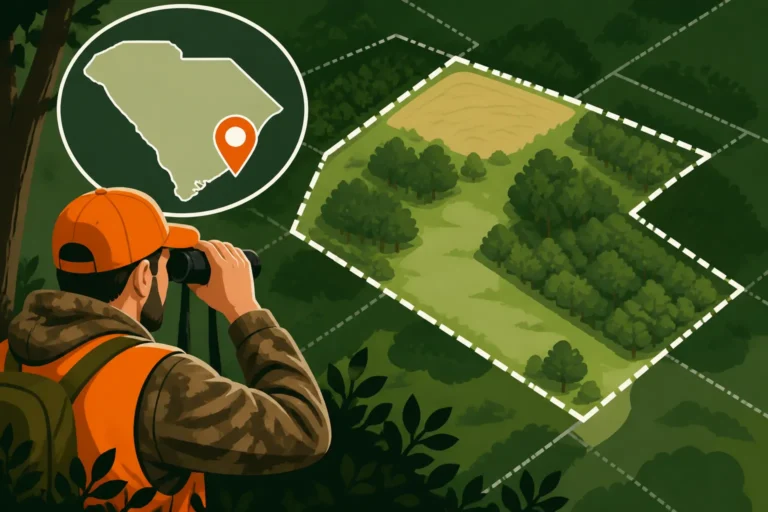
If you've ever looked at a map of Sumter National Forest in South Carolina, you might have felt a little overwhelmed. It's not one big, contiguous block of woods, which can be frustrating when you're trying to plan a hunt. Instead, it's spread out in three distinct sections, each with its own character and challenges. This guide will meticulously break down these three ranger districts – Enoree, Long Cane, and Andrew Pickens – so you can approach your next Sumter hunt with confidence and a clear strategy.
Understanding Sumter National Forest's Unique Geography
Sumter National Forest often confounds hunters and outdoor enthusiasts alike. Unlike the sprawling, unbroken national forests you might envision in other parts of the country, Sumter is a patchwork quilt across the western and central portions of South Carolina. This fragmentation isn't random; it's a direct result of history and the diverse landscape it seeks to protect.
Why Three Distinct Sections?
It's easy to look at the map and think, "Why isn't this all together?" But understanding its history helps explain why we have these unique, isolated pockets of public land. Sumter National Forest wasn't acquired in one fell swoop. Instead, it was assembled over decades, primarily in the early to mid-20th century, from lands that were often logged-over, abandoned farms, or otherwise economically marginal. The goal was to restore timber production, protect watersheds, and provide public recreation, including hunting. This piecemeal acquisition naturally led to disconnected sections, often buffered by private land.
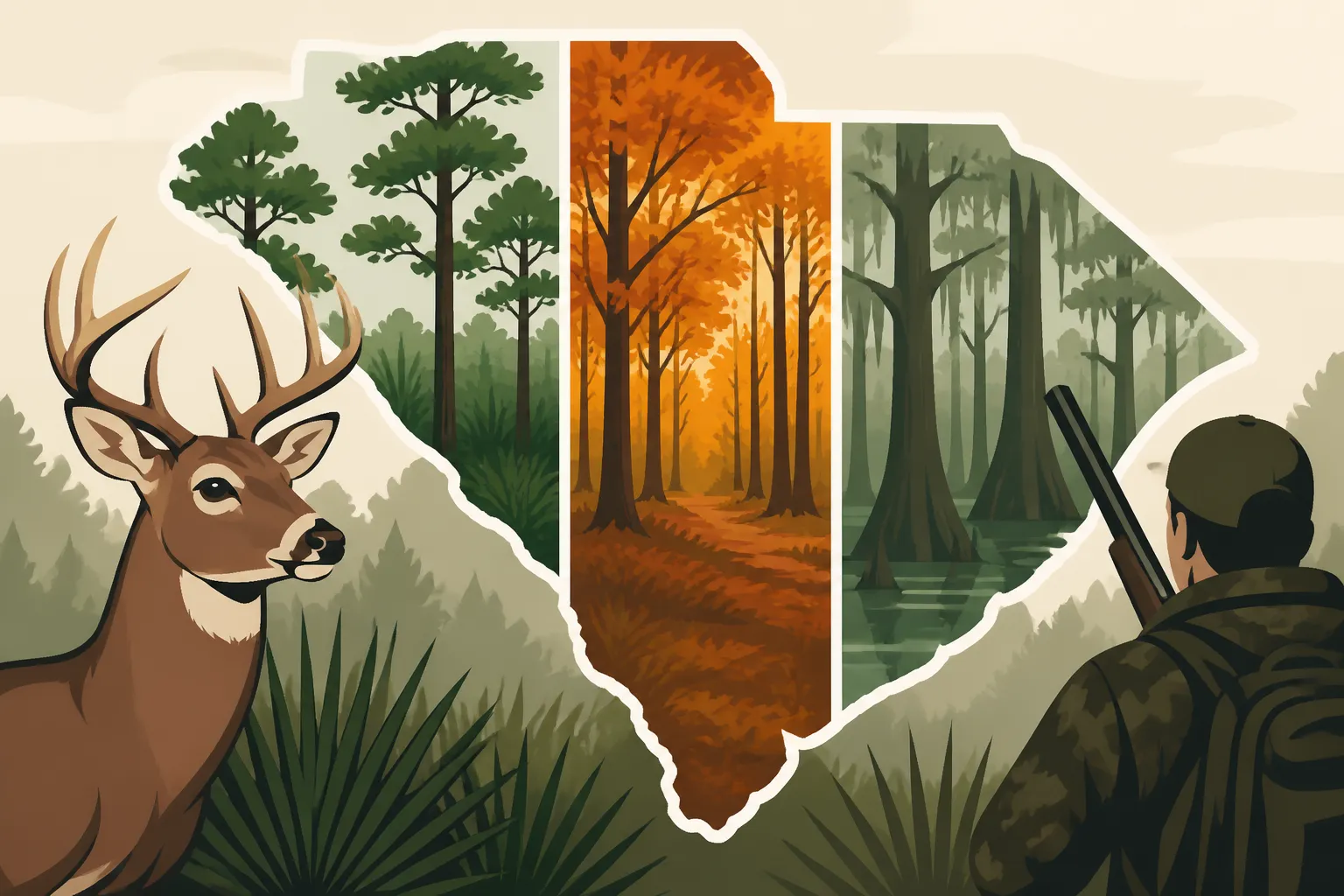
Furthermore, South Carolina's varied geography plays a huge role. The state transitions from the Blue Ridge Mountains in the northwest, through the Piedmont plateau, and down to the coastal plain. Each of Sumter's three districts largely corresponds to a different physiographic region, each with its own distinct topography, soil types, and forest composition. This ecological diversity is fantastic for wildlife but means that a "one-size-fits-all" hunting approach simply won't work across the entire forest.
General Overview of the Hunting Experience
Despite their differences, all three sections of Sumter National Forest share some fundamental characteristics when it comes to hunting. Crucially, all parts of Sumter National Forest fall under the South Carolina Department of Natural Resources (SCDNR) Wildlife Management Area (WMA) program. This means that in addition to your standard hunting license and big game permits, you must possess a valid WMA permit to hunt deer, turkey, or bear in any of these districts. Neglecting this crucial step can lead to a hefty fine, so always double-check your permits before heading afield.
Beyond the permit, you can generally expect a true public land hunting experience. That means you'll encounter other hunters, especially on opening weekends or during prime rut periods. Expect to walk, often significantly, to get away from road noise and other hunters. While all three districts offer opportunities for white-tailed deer, wild turkey, and various small game species like squirrels and rabbits, the densities, habitat, and even the "feel" of the hunt will vary dramatically from the rolling hills of Enoree to the rugged mountains of Andrew Pickens. Successful hunting in Sumter requires adaptability, thorough scouting, and a keen understanding of the specific district you're in.
The Enoree Ranger District: Rolling Hills and Hardwoods
Venturing into the Enoree Ranger District means immersing yourself in the central Piedmont region of South Carolina. This district, primarily located north of Newberry and spilling into Union, Chester, and Laurens counties, offers a distinct hunting environment that contrasts sharply with its sister districts.
Key Characteristics and Habitat
The Enoree is defined by its gently rolling hills, broad creek bottoms, and a mosaic of mixed pine-hardwood forests. You won't find the steep, rocky climbs of the Upstate here, nor the vast, flat swamps of the Lowcountry. Instead, expect a landscape that undulates, creating natural funnels, saddles, and drainages that deer and other game frequently use. There are plenty of mature hardwood stands, particularly along waterways and on the upper slopes, providing crucial mast crops like acorns and persimmons when available. Interspersed with these hardwoods are managed pine plantations in various stages of growth, offering thick bedding cover for deer and nesting areas for turkeys.
This varied habitat supports a healthy population of white-tailed deer, and many hunters consider Enoree a consistently productive deer hunting area within Sumter. Wild turkeys also thrive in the mixed timber, especially where mature hardwoods meet open areas or food plots (if present on adjacent private land). The abundance of nut-bearing trees and dense understory also makes Enoree excellent for small game like gray squirrels and cottontail rabbits, particularly along creek corridors and in regenerating timber stands.
Hunting Strategies for Enoree
For deer hunting in the Enoree, understanding the subtle contours of the land is paramount. Still-Hunting Sumter Forest Ridges is a prime tactic here, especially during cooler weather or when leaves are down. Focus on drainages that converge, natural saddles between ridges, and the transitions between pine and hardwood stands. Deer will often travel these features, especially during the rut. Setting up a treestand along these transition areas or overlooking a secluded patch of oaks dropping acorns can be highly effective. Patience is key, as deer often move later in the morning or earlier in the evening, especially if there's hunting pressure. Hanging a Stand on a Sumter Forest Ridge properly, considering wind direction and sun position, will maximize your chances.
Turkey hunting in Enoree often involves a mix of scouting and calling. Locate roosting areas along creek bottoms or in mature timber on higher ground. Once a gobbler is located, an aggressive calling sequence followed by a patient setup can often bring birds in. The mixed hardwoods provide excellent cover for both hunter and turkey, but be mindful of visibility. For small game, simply walking the hardwood bottoms and actively scanning the canopy for squirrel cuttings can fill a vest. For rabbits, thick briar patches along old logging roads or creek edges are always productive.
Access and Public Use Considerations
Access into the Enoree Ranger District is generally good, with a network of well-maintained forest roads. However, many of these roads are gated, requiring hunters to park and walk. This can be a blessing in disguise, as the areas requiring a longer walk often see less hunting pressure. Always check for temporary road closures, especially after heavy rains, which can make some dirt roads impassable.
Primitive camping is typically allowed in designated areas or under certain regulations, offering an immersive experience for those who want to stay close to their hunting grounds. However, especially on opening weekends of deer or turkey season, you can expect moderate to heavy hunting pressure in the more easily accessible areas. To find quieter spots, consider pushing deeper into the forest, using mapping applications like onX Hunt or GoHunt to identify areas further from roads and parking spots. Understanding Hunting the Enoree District for Deer requires recognizing that the best opportunities often lie beyond the easily accessible spots.
The Long Cane Ranger District: Timber, Plantations, and Piedmont Rivers
The Long Cane Ranger District occupies the western Piedmont of South Carolina, stretching through McCormick, Edgefield, and Abbeville counties, bordering Georgia. This district presents a more varied and often more rugged landscape than Enoree, characterized by extensive timber operations, diverse forest types, and significant river systems.
Distinct Features and Game Presence
Long Cane's terrain offers a greater range of elevation changes than Enoree, with steeper slopes in some areas leading down to wide river bottoms, most notably those associated with the Savannah River drainage. What truly sets Long Cane apart is its active timber management. You'll find a mosaic of habitat types: mature, towering hardwoods, extensive pine plantations in various stages of growth, and recent clear-cuts. This dynamic landscape constantly changes, impacting game movement and food sources year to year.
The deer hunting in Long Cane is often exceptional, with some portions of the district boasting some of the highest deer densities in the state. The constant timber work creates excellent edge habitat and successional growth, providing both ample food and dense cover. Wild turkeys also thrive in the mixed forests, finding roosting sites in mature trees along river corridors and feeding in open areas created by logging. Feral hogs are a significant presence, especially near river bottoms and in dense clear-cuts, and understanding South Carolina Feral Hog Regulations is important, although WMA rules may vary from general private land rules. Their rooting damage is evident in many areas, creating unique hunting opportunities.
Tactics for Success in Long Cane
Successful deer hunting in Long Cane hinges on understanding the timber cycle. Deer will heavily utilize young pine plantations for bedding cover, moving into mature hardwood stands or along the edges of clear-cuts to feed. Scouting these transition areas and old logging roads, which often act as travel corridors, is vital. Using mapping tools to identify new clear-cuts or areas of dense young growth will give you a significant advantage. Reading Aerial Photos for Upstate Deer can reveal hidden lanes, pinch points, and cover types that are hard to spot from the ground, allowing you to formulate a better strategy before you ever set foot in the woods.
For turkey hunting, the vastness of Long Cane requires a patient approach. Locate roost trees along major creek or river drainages, then use locator calls to pinpoint gobblers. Setting up in an open hardwood flat or along a forest edge where birds might strut can be effective. While Long Cane District Turkey Hunting specifics are important, general turkey tactics for wooded, varied terrain often apply. If you're targeting hogs, focus on areas with fresh rooting sign, especially near water sources. Hogs are often most active during cooler parts of the day or at night, but WMA rules typically prohibit night hunting.
Navigating Access and Regulations
Most of Long Cane operates under specific WMA regulations, which can mean more restrictive season dates, specific weapon limitations, and sign-in requirements for certain hunts. It's imperative to consult the current SCDNR hunting regulations guide for the Long Cane WMA specifically. Don't assume the rules are the same as general statewide regulations.
The district has a decent network of gravel forest roads, but many areas require extensive walking to reach. The Savannah River and its various tributaries offer unique boat access points, allowing hunters to reach otherwise inaccessible sections of the forest. This can be a fantastic way to escape pressure, but it also demands knowledge of river navigation and safety. Always be prepared for mud after rain, as some of the roads can become challenging. As with all public land hunting, always be aware of private property boundaries, which are interspersed throughout the district.
The Andrew Pickens Ranger District: Mountain Bear Country
When hunters talk about the Andrew Pickens Ranger District, two words typically come to mind: mountains and bears. Located in the extreme northwestern corner of South Carolina, primarily in Oconee and Pickens counties, this district is where the Blue Ridge Mountains dip into the Palmetto State, offering the most rugged and remote hunting experience within Sumter National Forest.
Topography and Wildlife Focus
The Andrew Pickens is a world away from the rolling hills of Enoree or the timbered flats of Long Cane. Here, you'll encounter steep, unforgiving mountain slopes, deep hollows, rocky outcrops, and high elevations. The forest is predominantly mature hardwoods – oaks, hickories, and poplars – interspersed with dense rhododendron thickets that can be almost impenetrable. Pockets of pine may be found on drier, south-facing slopes, but the overall character is distinctly mountainous.
This district is the undisputed heart of South Carolina's black bear population. Consequently, bear hunting is a primary focus, with specific seasons and regulations. While white-tailed deer are present, their densities are typically lower than in the Piedmont districts, a result of less productive habitat (fewer diverse food sources, colder climate) and the sheer difficulty of hunting them in such terrain. However, deer in the Andrew Pickens can be larger-bodied, and the experience of pursuing them in remote mountain wilderness is truly rewarding. Wild turkeys are also found here, thriving in the mature hardwood forests, though their pursuit demands significant physical exertion.
Hunting Challenges and Rewards
Hunting in the Andrew Pickens is not for the faint of heart. It is physically demanding. Expect steep climbs, long walks, and challenging terrain. Packs for a Sumter Forest Day Hunt that are comfortable and well-organized are non-negotiable, as you'll be carrying all your gear and potentially a heavy load of game out of difficult country. Your boots need to be robust and provide excellent ankle support. The rewards, however, are immense: the chance for a truly solitary wilderness hunt, breathtaking scenery, and the possibility of encountering game that sees very little human pressure.
For bear hunting, the Andrew Pickens is the place to be in South Carolina. Both still-hunting and regulated dog drives are used, but strict regulations apply. Hunting the Andrew Pickens District for Bear is a crucial read for any aspiring bear hunter. Deer hunting here often involves still-hunting along ridge lines, carefully moving through hollows, and keying in on mast crops. Understanding Wind and Thermals on an Upstate Ridge is critical, as shifting air currents in the mountains can betray your presence to game. The remote nature of much of the district means that scouting is challenging but can pay huge dividends.
Specific Rules and Safety
The Andrew Pickens Ranger District has very specific and often shorter bear seasons, so always consult the most current SCDNR regulations. Tag requirements are also strict. While blaze orange is always a good safety measure, it is often required for still-gun deer seasons and highly recommended during bear seasons, especially if dog drives are occurring. Check South Carolina's Two Bear Hunting Zones for a comprehensive understanding of where and when bear hunting is permitted.
Safety in the Andrew Pickens cannot be overstated. Cell service is notoriously spotty, making communication difficult. Always carry a physical map and compass in addition to your digital mapping devices. Inform someone of your hunting plans and expected return time. Be prepared for rapidly changing weather conditions, even in mild seasons. A well-stocked first-aid kit, plenty of water, and emergency shelter are essential when venturing into these remote mountains.
Essential Tools for Navigating Sumter's Sections
Hunting any large public land like Sumter National Forest can feel like a daunting task, especially with its fragmented nature. However, modern tools and smart scouting techniques can turn potential frustration into confidence and success.
Topographic Maps and Digital Mapping Apps
In today's hunting world, digital mapping applications are practically indispensable, but they should never fully replace a good old-fashioned paper map. A topographic map, available at local sporting goods stores or Forest Service offices, provides a reliable, battery-free backup, especially in the Andrew Pickens where cell service can be non-existent. Understanding contour lines on a paper map helps you visualize the terrain and anticipate game movement.
However, for day-to-day use, digital mapping apps like onX Hunt and GoHunt are true game-changers. These apps, used on your smartphone or a dedicated GPS unit, provide incredibly detailed satellite imagery, topographic maps, and crucially, property lines. This last feature is invaluable in Sumter, which is often bordered by private land. Using an app like onX Hunt on your phone is almost non-negotiable these days. It helps you avoid accidentally crossing onto private land, shows you detailed topography, and lets you mark your stand locations and sign. I also use GoHunt as a backup for specific WMA boundaries and regulations, which can sometimes be more detailed than other platforms. They allow you to mark waypoints, track your movements, and navigate confidently, even in dense cover. Always download offline maps before heading out, as signal can be unreliable.
Scouting Techniques Across Diverse Terrain
Effective scouting is the bedrock of successful hunting in Sumter National Forest, and it varies greatly by district. Pre-season scouting, long before the first leaves fall, is paramount. Start by using your digital mapping apps, whether it's onX Hunt or GoHunt, to identify potential pinch points, water sources, clear-cuts, and varied habitat types. Look for changes in elevation, creek drainages, and areas where different timber stands meet. Scouting South Carolina Public Land Before Season is not just a suggestion; it's a necessity.
Once you have identified potential areas on the map, it's time for boots on the ground. Walk those areas, looking for deer trails, rubs, scrapes, and turkey sign. Pay attention to mast crops – which trees are producing, and which aren't? This information changes year to year and will dictate where game concentrates. In the Andrew Pickens, this might mean grueling hikes to find remote pockets of mast. In Enoree and Long Cane, it could mean exploring recent timber cuts or creek bottoms. Don't be afraid to adjust your plans based on what you find. Reading Aerial Photos for Upstate Deer in particular can help you pinpoint these hidden gems before you even step foot in the woods. While Trail Camera Rules on South Carolina Public Land must be adhered to, they can also be a valuable tool for understanding real-time game movement patterns.
Planning Your Hunt: Logistics and Permits
Successfully hunting in Sumter National Forest isn't just about knowing the terrain; it's also about understanding the regulatory framework. Proper licensing, permits, and respect for boundaries are crucial for a legal and ethical hunt.
Required Licenses and Stamps
Before you even think about setting foot in Sumter National Forest with a weapon, you need to ensure you have all the necessary paperwork. A basic South Carolina resident or nonresident hunting license is the foundation. This is typically purchased annually. Beyond that, if you plan to hunt deer or turkey, you'll need to purchase the appropriate Big Game Permit. These permits allow you to legally harvest specific numbers of game animals. For non-residents, understanding South Carolina Hunting Licenses and What They Cost is essential, as the fees can differ significantly.
Crucially, because all hunting within Sumter National Forest occurs on Wildlife Management Area (WMA) lands, you must also possess a valid WMA Permit. This permit is an annual requirement and grants you access to hunt on designated WMAs across the state, including all three sections of Sumter. For bear hunting in the Andrew Pickens district, there is an additional specific bear tag requirement. Always review South Carolina WMA Permit Requirements before your trip to ensure you have everything in order. Don't let a technicality spoil your hunt or land you in trouble.
Respecting Boundaries and Regulations
Sumter National Forest, as discussed, is a fragmented landscape. This means that private property lines are often intertwined with public land, creating a mosaic that can be difficult to navigate without the right tools. Using digital mapping applications like onX Hunt or GoHunt is invaluable for clearly seeing property lines and avoiding accidental trespassing. These apps display onX Layers for South Carolina Land Status, allowing you to determine precisely where public land ends and private property begins. Always err on the side of caution; if you're unsure, don't cross the line.
Beyond property lines, each WMA district within Sumter (Enoree, Long Cane, Andrew Pickens) might have slightly different regulations regarding season dates, weapon types, bag limits, and even access restrictions. For example, some WMA sections might be archery-only during certain periods, or have specific rules for primitive weapons. It is absolutely essential to consult the current SCDNR annual hunting and fishing regulations guide and pay close attention to the specific WMA rules for the district you intend to hunt. Finally, all harvested deer and turkeys in South Carolina must be reported through the SCDNR Game Check system, so familiarize yourself with South Carolina Deer Reporting Requirements beforehand. Following all regulations not only ensures a legal hunt but also contributes to responsible wildlife management in the state.
| Ranger District | Primary Terrain Features | Key Game Species & Focus | Typical Hunting Challenges |
|---|---|---|---|
| Enoree | Rolling hills, mixed pine-hardwood, creek bottoms | Deer, Turkey, Small Game | Moderate pressure, identifying travel corridors, seasonal food sources |
| Long Cane | Varied Piedmont, pine plantations, mature hardwoods, river bottoms | Deer (high density), Turkey, Feral Hogs | Navigating timber cuts, finding consistent food/cover transitions |
| Andrew Pickens | Rugged mountains, steep hollows, dense rhododendron | Bear (primary), Deer, Turkey (challenging) | Physical exertion, navigating dense cover, remote access, limited cell service |
Disclaimer
This article is for general informational purposes only and does not constitute professional advice. Laws, prices and regulations vary by location and change over time. Consult a qualified professional for guidance on your specific situation.