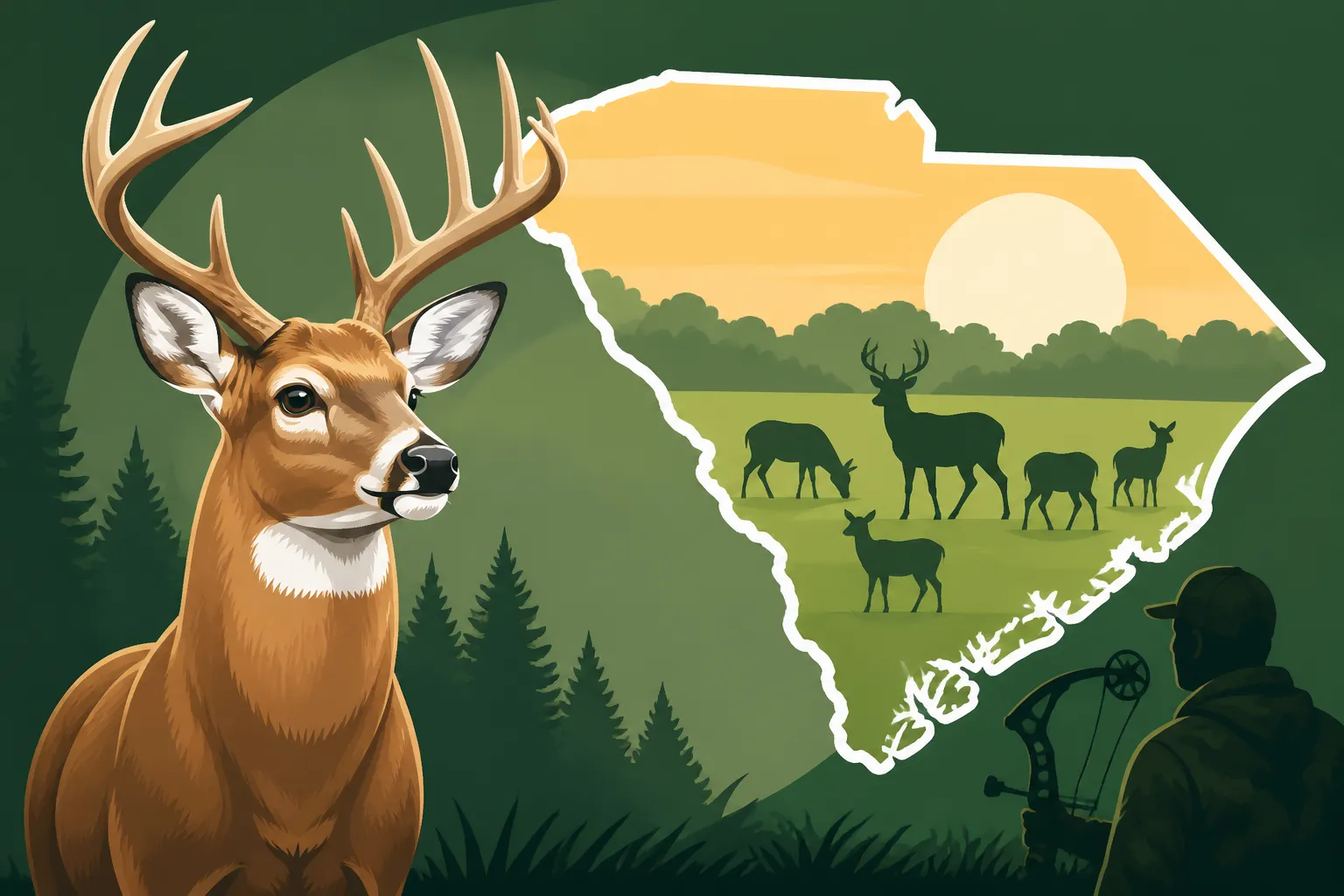
South Carolina Deer Herd Size
One of the biggest questions on every deer hunter's mind in South Carolina, especially when planning a season, is "Just how many deer are out there?" It’s a completely valid frustration to wonder if your efforts will be rewarded when you're hitting the woods, and understanding the overall population gives you a clearer picture of what to expect, from general abundance to localized hotspots. This guide will dive deep into what we know about South Carolina's deer herd size, how those numbers are estimated, and what it all means for you when you step into the timber.
Understanding South Carolina's Deer Population Estimates
It might sound straightforward to count deer, but let me tell you, it's anything but simple. Unlike counting cattle in a pasture, deer are wild, elusive, and constantly on the move. Yet, having a solid understanding of the population is absolutely critical for wildlife managers to make informed decisions about season lengths, bag limits, and overall herd health. It also helps hunters like us gauge our expectations and strategize effectively.
How SCDNR Monitors the Herd
The South Carolina Department of Natural Resources (SCDNR) doesn't just pull numbers out of a hat. They employ a combination of scientific methods to arrive at their estimates for the state's deer herd size. It's a complex dance of data collection, analysis, and a bit of educated inference, much like scouting a new piece of public land and trying to figure out where the deer are without seeing them directly.
One of the primary tools in their arsenal is hunter harvest data. Every deer harvested in South Carolina must be reported through the Game Check system, giving the SCDNR a massive dataset on annual take. While harvest numbers aren't a direct count of the entire population, they provide a crucial index. Trends in harvest numbers, combined with things like success rates and the age structure of harvested bucks, can reveal a lot about the health and density of the herd. If harvests are consistently high in a particular area, it often points to a robust local population. Conversely, declining harvests might signal a need for closer examination. This is why reporting your deer is so important—it contributes directly to the overall management strategy that benefits all hunters.
Beyond harvest data, the SCDNR also utilizes things like spotlight surveys, fawn recruitment studies, and even anecdotal reports from landowners and hunters. Spotlight surveys involve driving designated routes at night, counting the deer observed. While these don't count every deer, they provide relative indices of abundance that can be tracked over time. Fawn recruitment studies help determine how many fawns are surviving to adulthood, a key factor in population growth. When you’re trying to understand the big picture of deer in South Carolina, these various data points, including some of the broader analytics a platform like GoHunt might offer for other species, all contribute to building a comprehensive picture. Understanding how these factors influence the South Carolina Deer Herd Size is key to being a more informed hunter.
Challenges in Counting Deer
Imagine trying to count every squirrel in your backyard on any given day. Now multiply that by the millions of acres of diverse habitat across South Carolina, and you start to grasp the monumental challenge of accurately counting deer. There are inherent difficulties that make precise population numbers incredibly tough to pinpoint.
First, deer are not uniformly distributed. You might have pockets of extremely high density in one river bottom or agricultural area, while a few miles away, in a less fertile pine plantation, deer might be scarce. This makes broad, statewide estimates tricky, as an average might not reflect the reality on the ground in your specific hunting spot. Factors like food availability, water sources, and cover vary wildly, leading to significant fluctuations in local deer numbers.
Second, the habitat itself makes direct observation difficult. South Carolina is a tapestry of thick swamps, dense pine forests, sprawling agricultural fields, and suburban woodlands. Deer have endless places to hide, making aerial surveys or ground counts inherently prone to underestimation. The same deer might be counted twice, or an entire group could be missed due to heavy cover.
Finally, deer populations are dynamic. They fluctuate based on a multitude of factors: natural mortality, hunting pressure, disease outbreaks, weather patterns affecting food sources, and even shifts in human development. A severe drought one year could impact fawn survival, while a mild winter might boost it. All these variables mean that "the" deer herd size isn't a fixed number but rather a continually estimated range. It's why SCDNR focuses more on trends and indices rather than trying to pinpoint an exact, static figure, ensuring they understand the South Carolina Annual Deer Harvest in context.
Regional Differences in Deer Density
When we talk about South Carolina's deer herd, it’s not a monolithic entity. The state is incredibly diverse geographically and ecologically, and this absolutely translates to significant variations in deer density from one region to another. A hunter in the Lowcountry is going to experience a very different deer hunting landscape than someone chasing whitetails in the Upstate mountains.
Coastal Plain Abundance
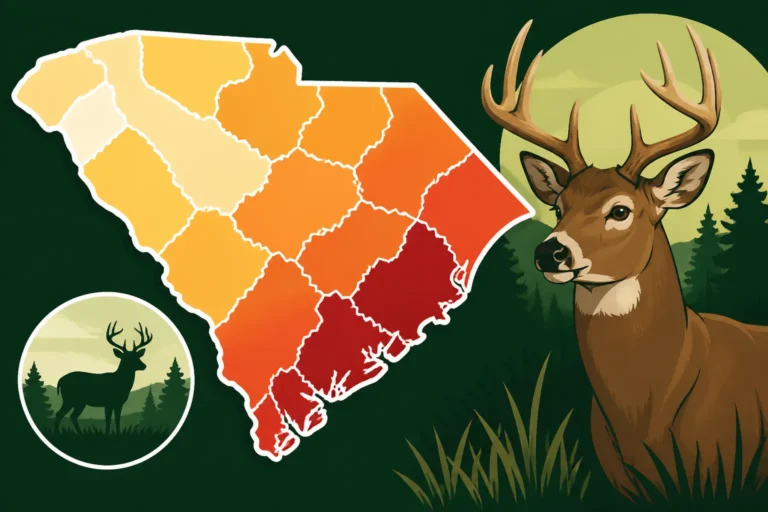
If you're looking for sheer numbers, the Coastal Plain, especially the Lowcountry and Pee Dee regions, is where South Carolina truly shines for deer. These areas, particularly the southern and central parts of the Coastal Plain, often boast some of the highest deer densities in the state.
Why is this? A big part of it comes down to habitat and food. The Lowcountry offers vast tracts of diverse habitat, from sprawling agricultural fields of soybeans, corn, and peanuts to nutrient-rich bottomland hardwoods and expansive swamps. This mosaic of food sources and cover provides an ideal environment for deer to thrive. The soils are often more fertile than in other parts of the state, supporting robust vegetation growth that fuels healthy deer populations. Deer don't have to travel far to find everything they need, leading to smaller home ranges and higher concentrations.
You'll find these deer often adapting to human-altered landscapes, too, becoming adept at utilizing field edges, timber cuts, and even suburban green spaces. While it's not always about giant antlers, the sheer volume of deer can make for exciting hunting, offering more opportunities for sightings and harvest, which ties into the topic of South Carolina's Four Game Zones and their varying opportunities. This is also why understanding Hunting the Earliest Coastal Zone Opener is crucial, as the season often starts earlier due to the higher deer numbers and reproductive cycles.
Upstate and Midlands Variations
Moving away from the coast, the deer landscape changes. The Upstate, with its foothills and mountains, generally has lower deer densities compared to the Coastal Plain, but often produces older, more mature bucks. The habitat here is typically more expansive timberland, with less agriculture and more rugged terrain. While deer are present, they might be more spread out, requiring different hunting tactics. Hunters here might focus on large tracts of national forest like Sumter National Forest, where deer might not be as numerous, but the challenge and wildness are a huge part of the appeal. Understanding Reading a Ridge for Upstate Deer becomes paramount in these areas.
The Midlands, situated between the Upstate and the Coastal Plain, can be a mixed bag. This region, especially areas with significant agricultural components mixed with timber and river bottoms, can be a sweet spot. While densities might not always rival the absolute highest coastal numbers, the Midlands is renowned for its potential to grow some truly impressive bucks. The balance of diverse habitat, good nutrition, and often less intensive hunting pressure on specific age classes can lead to larger body sizes and antler development. It's why many hunters consider the Midlands an excellent area to pursue trophy whitetails, and it’s often discussed when people wonder Why the Midlands Grows Big Bucks. For those using tools like GoHunt for research, even if focused on Western species, the principles of analyzing habitat types and historical data can inform scouting efforts here.
Here's a simplified look at how deer density can vary across South Carolina:
| Region | General Deer Density | Typical Habitat | Hunting Characteristics |
|---|---|---|---|
| Lowcountry | High | Farmland, Swamps, Bottomland Hardwoods | High harvest numbers, frequent sightings, early season |
| Pee Dee | High to Medium | Farmland, River Bottoms, Pine Plantations | Strong populations, good buck potential |
| Midlands | Medium to High | Mixed Forests, River Corridors, Agriculture | Excellent for trophy bucks, good overall numbers |
| Upstate | Low to Medium | Mountains, Foothills, National Forest | Fewer deer, larger home ranges, challenging hunting |
| Sandhills | Low to Medium | Scrub Oak, Pine Savanna | Spotty populations, tough hunting, unique environment |
(Note: These are general trends; local conditions can always vary significantly.)
Factors Influencing Herd Size and Health
The number of deer running around in South Carolina isn't static; it's a dynamic figure constantly influenced by a complex interplay of environmental factors, human activity, and natural forces. It's like a finely tuned ecosystem that can be nudged one way or another by any number of inputs. Understanding these factors is crucial not just for wildlife managers, but for us as hunters to grasp the overall health and future prospects of our deer resource.
Habitat and Food Availability
At the core of any wildlife population's success is its habitat. For white-tailed deer in South Carolina, this means access to quality food, reliable water, and adequate cover. When these three elements are abundant and well-distributed, deer herds tend to thrive.
South Carolina offers a diverse range of habitats, from coastal marshes and agricultural fields to mature hardwood forests and pine plantations. Each habitat type offers different food sources throughout the year. For instance, acorns in bottomland hardwoods are a crucial fall food source, while agricultural fields provide high-protein forage in spring and summer. A strong mast crop year (abundant acorns, pecans, etc.) can lead to healthier deer going into winter, better fawn survival, and even better antler growth the following year. Conversely, a poor mast crop can stress the herd, making them more susceptible to disease and reducing reproductive success.
Beyond natural food, human activities play a huge role. Agricultural practices, timber management (like clear-cuts that provide early successional growth), and even suburban development all alter the landscape, sometimes creating new food sources and cover, and sometimes fragmenting existing habitat. The ability of deer to adapt to these changes is a testament to their resilience, but also a key factor in how their numbers rise and fall. For instance, understanding Late-Season Food Sources for South Carolina Whitetails can really change your hunting success, especially in areas where natural forage might be depleted.
Disease and Predator Impacts
While habitat provides the foundation, disease and predation act as natural regulators on deer populations. They are essential, albeit sometimes difficult to witness, parts of a healthy ecosystem.
Hemorrhagic disease (HD), which includes EHD and blue-tongue, is a periodic concern in South Carolina. This viral disease, transmitted by biting midges (often called "no-see-ums"), can cause significant localized die-offs, especially during drought years when deer congregate near limited water sources. While HD can dramatically reduce numbers in specific areas for a season or two, deer populations generally rebound thanks to the resilience of the species and the fact that some deer develop immunity. The SCDNR actively monitors for diseases like this to understand their impact on the herd, emphasizing the importance of efforts like How South Carolina Monitors for CWD Every Year, even without CWD present in the state.
Predation, primarily by coyotes, also plays a role, particularly in fawn survival. While coyotes don't typically impact adult deer populations significantly, they can certainly take a toll on young fawns, especially in areas with high coyote densities. This means fewer fawns make it to adulthood, which can slow population growth. However, a healthy deer herd with good habitat can usually withstand a certain level of predation. It's all part of the natural balance, and research into South Carolina Predator Impact on Fawn Recruitment helps us understand these dynamics better. It's a complex picture, and just like a diligent hunter might use GoHunt to study game movements and trends in other states, wildlife biologists analyze these ecological interactions to predict herd dynamics in South Carolina.
Implications for Hunters and Management
Knowing the estimated deer herd size and understanding the factors that influence it isn't just academic; it has very real implications for how we hunt and how wildlife is managed in South Carolina. It shapes regulations, influences our strategies, and ultimately impacts our success and enjoyment afield.
Setting Realistic Expectations
Perhaps the most direct implication for hunters is managing expectations. If you're heading to a region known for high deer density, like many parts of the Lowcountry, your chances of seeing deer, and potentially filling a tag, are generally higher. You might plan for multiple opportunities and focus on managing antlerless deer to help keep the population in balance with its habitat. When you're considering Filling a Five-Deer Statewide Limit, understanding these regional densities can guide your approach.
However, if you're venturing into the more rugged terrain of the Upstate or areas with naturally lower deer numbers, your approach might shift. You might focus more on quality over quantity, understanding that deer might be more spread out, and success could come from persistent scouting and patient hunting. In these areas, bagging a mature buck is often the primary goal, and you'll put in the work to achieve it. Tools that provide aerial imagery or topographic maps, much like what GoHunt provides for other states, can be invaluable for scouting these less dense, more challenging areas in South Carolina.
A realistic understanding of the herd size also helps us appreciate the challenge and reward of hunting. It reminds us that deer are wild animals, and success is never guaranteed, no matter the population numbers.
The Role of Hunter Participation
Hunters are not just consumers of the resource; we are an indispensable part of deer management in South Carolina. Our participation, through license and tag purchases, provides crucial funding for wildlife conservation efforts. More importantly, our harvest is the primary tool for managing the deer herd.
In many areas of South Carolina, deer populations are at or near carrying capacity, meaning the habitat can only support so many deer before signs of stress appear (like reduced body size, smaller antlers, and increased disease susceptibility). Hunter harvest, particularly of antlerless deer, is vital for keeping populations in check, preventing overbrowsing of habitat, and ensuring a healthy deer herd for future generations. Without sufficient hunter participation, deer numbers could quickly outstrip their food supply, leading to a decline in overall herd health. This is a topic often discussed around South Carolina Deer Season Structure Explained and how limits are set.
By ethically harvesting deer, reporting our kills, and adhering to regulations, we directly contribute to the science-based management that keeps South Carolina's deer herd healthy and sustainable. It's a partnership between hunters and the SCDNR, where our passion for the outdoors translates into tangible conservation benefits. The collective data gathered, whether through Game Check or by observing trends, informs decisions about South Carolina Deer Reporting Requirements and ultimately ensures the longevity of this incredible resource.
Disclaimer
This article is for general informational purposes only and does not constitute professional advice. Laws, prices and regulations vary by location and change over time. Consult a qualified professional for guidance on your specific situation.