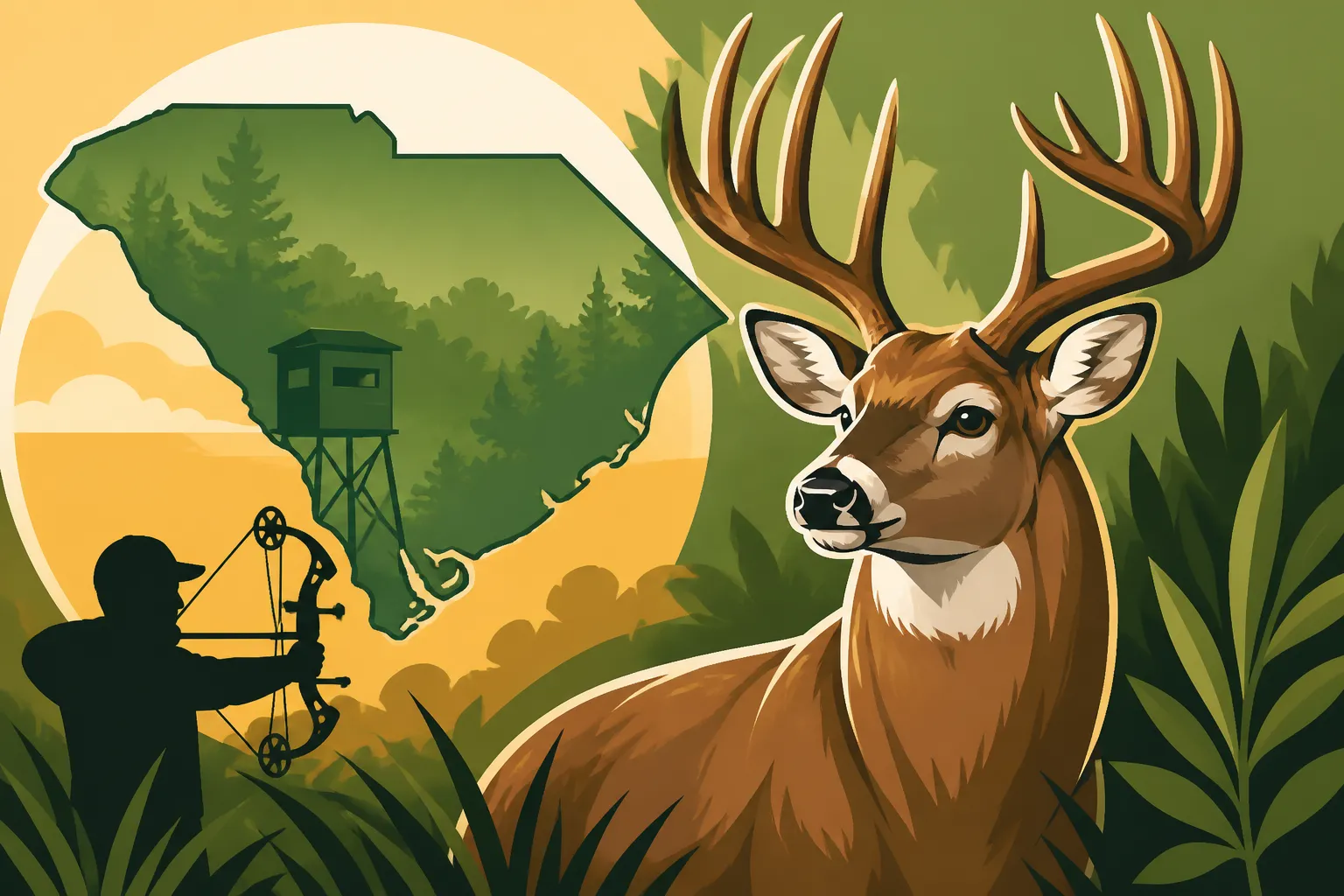
Why the Midlands Grows Big Bucks
For any deer hunter in South Carolina, the dream of consistently encountering mature, trophy-class bucks often feels like chasing a ghost. It’s frustrating to put in countless hours scouting, hanging stands, and logging time afield, only to see mostly young deer. This comprehensive guide is here to shed light on a specific region that bucks the trend: the South Carolina Midlands. We'll explore exactly why this area stands out as a hotbed for growing impressive whitetails, helping you understand the unique factors at play.
Understanding South Carolina's Deer Dynamics
South Carolina is a deer hunter's paradise in many ways, with generous bag limits and long seasons. However, not all regions are created equal when it comes to the size and age structure of the deer herd. The state's diverse geography, from the mountains to the coast, profoundly impacts its deer.
The Statewide Picture and Regional Variations
When you look at South Carolina as a whole, you'll find a massive deer population. The state boasts one of the highest deer densities in the Southeast, a testament to its abundant habitat and a history of successful management. However, this high density doesn't automatically translate to big antlers everywhere. Different parts of the state offer wildly varying conditions for whitetails.
For instance, the Lowcountry, with its vast swamps and agricultural fields, often supports incredibly high deer numbers. You can find deer just about anywhere you look, but the sheer density, coupled with historical hunting pressure, often means a younger age structure. Bucks are harvested before they reach their full potential. Conversely, the Upstate, particularly the mountainous regions, might have lower overall deer densities, but the terrain and larger tracts of contiguous timber can allow some bucks to live longer and grow bigger. It's a trade-off, really – more deer versus older deer. The Midlands, nestled between these extremes, often presents a unique blend of these factors, leaning towards the sweet spot for mature deer. Understanding these nuances is crucial for any hunter looking to consistently punch a tag on a mature animal, and it's why we're zooming in on this particular area.
General Deer Density Across the State
South Carolina's deer herd numbers are robust, fluctuating slightly year to year but generally remaining strong. The state's Department of Natural Resources (SCDNR) estimates the population by zone, and while these numbers are generalized, they provide a good baseline. Historically, the coastal plain (which includes much of the Lowcountry and parts of the Midlands) has shown some of the highest deer densities. This isn't surprising given the fertile soils and ample forage present in these areas.
However, high density doesn't always equal bigger deer. Imagine a neighborhood packed with houses; while there are a lot of people, the individual yards might be smaller. Similarly, in areas with extremely high deer densities, food resources can become stressed. This can lead to a lower nutritional plane for individual deer, meaning less energy available for antler growth. Bucks might still reach an older age, but their antlers might not express the full genetic potential due to dietary limitations. The Midlands seems to strike a better balance, offering good density without necessarily hitting the extremes that can hinder antler development. This sweet spot, where deer numbers are healthy but not overwhelming, allows bucks to thrive nutritionally, which is a significant factor in growing those impressive racks.
The Environmental Edge of the Midlands
The secret to the Midlands' big bucks isn't just one thing; it's a symphony of environmental factors working together. This region boasts a combination of natural attributes that create a near-perfect environment for whitetails to not just survive, but truly flourish.
Rich Soils and Abundant Nutrition
If you want big antlers, you need healthy deer. And healthy deer come from excellent nutrition. The Midlands region of South Carolina is blessed with some of the most fertile soils in the state, particularly in areas along river drainages and agricultural belts. These rich soils are a game-changer. They support a bounty of native forage, from honeysuckle and various legumes to a wide array of mast-producing oaks and other hardwoods. A deep dive into South Carolina Deer Antler Growth Timeline reveals just how critical early nutrition is for a fawn to develop into a mature buck with impressive headgear.
Beyond the natural smorgasbord, the Midlands is also home to extensive agricultural operations. Think vast fields of soybeans, corn, peanuts, and other crops that provide an endless buffet for deer throughout much of the year. During the growing season, deer have access to high-protein forage, which is essential for body development and, by extension, antler growth. After the harvest, waste grains provide crucial carbohydrates and fats that help deer put on weight for the colder months, fueling antler development the following spring. This consistent, high-quality nutrition throughout all seasons is arguably the single biggest contributor to the Midlands' reputation for growing trophy deer. It’s a stark contrast to areas where deer might rely heavily on less nutritious browse for extended periods.
Diverse Habitat and Cover
Nutrition is one piece of the puzzle, but security is another. Even with a full belly, a buck won't reach maturity if he's constantly stressed or exposed to predation and hunting pressure. The Midlands offers an incredible diversity of habitat that provides everything a mature buck needs to feel secure and live a long life. You'll find a patchwork of thick pine plantations, dense hardwood bottoms along rivers and creeks, open agricultural fields, and expansive swamps. This mosaic creates phenomenal cover for bedding, escape, and travel.
Imagine a mature buck moving from a thick pine plantation, where he feels safe bedding, to a nearby cornfield to feed under the cover of darkness. Then, as morning approaches, he might slip into a dense river bottom, following a creek line back to a secluded bedding area. This varied landscape allows deer to utilize different areas for different needs, minimizing their exposure to threats. Hunters often struggle to find these deer precisely because they have so many places to hide. Knowing how to read these different habitat types, and understanding how deer use them, is key. For example, understanding Where Francis Marion Bucks Bed can give you insights into similar patterns bucks might use in the various timber types found across the Midlands. This layered environment, where deer can move freely between food, water, and dense cover, is paramount for allowing bucks to reach older age classes and express their full antler potential.
Management Practices and Hunter Pressure
It's not just Mother Nature working her magic; human intervention, or lack thereof, plays a massive role in the Midlands' big buck reputation. The way land is managed and how hunting pressure is distributed are critical components that often go overlooked by those frustrated with smaller deer.
Private Land Management Strategies
A significant portion of the Midlands region is comprised of private land, much of which is managed for timber, agriculture, or increasingly, for quality deer hunting. This is where dedicated deer management truly shines. Landowners, whether individuals, families, or hunting clubs, often implement strategies aimed at improving herd health and growing bigger bucks. This might include selective harvesting of does to maintain a balanced buck-to-doe ratio, allowing younger bucks to walk, and enhancing habitat through food plots and timber management.
Many larger tracts of private land engage in QDM (Quality Deer Management) principles. This isn't just about putting out corn; it's a holistic approach. It involves maintaining rigorous harvest records, conducting South Carolina Deer Population Estimate counts, and making informed decisions about which deer to remove and which to let grow. For example, a landowner might decide to pass on all bucks under 3.5 years old, giving them more time to develop. They might also plant specific food plot mixes designed for deer nutrition, such as clover or chicory, supplementing the natural forage. These deliberate efforts, sustained over years, lead to a healthier herd with a much better age structure, directly resulting in bigger, more mature bucks. It’s a long-term investment that pays off in impressive antler growth.
Balancing Hunter Numbers and Buck Age Structure
Hunter pressure is a double-edged sword. While it's great to have lots of people enjoying the outdoors, too much pressure, especially on public lands or smaller private tracts, can decimate the age structure of a buck herd. When hunters are constantly pushing deer, it makes them more nocturnal and can lead to overharvesting of younger bucks. The Midlands, particularly on well-managed private properties, often benefits from controlled hunter numbers.
On many hunting leases and private clubs in the Midlands, membership is limited, and hunters adhere to strict rules about what they can harvest. This isn't just about ethics; it's about science. By reducing overall pressure and allowing a higher percentage of bucks to reach 3.5, 4.5, or even 5.5 years old, those bucks have the time needed for their antlers to really explode. Why the Midlands Grows Older Bucks is directly tied to this balance. When you compare this to some public land areas where the "if it's brown, it's down" mentality prevails, the difference in buck age structure is stark. Hunters on private land often use tools like GoHunt to track their harvest data, monitor deer movement, and even plan their hunting strategies around minimizing disturbance, all contributing to a more mature deer herd. This disciplined approach to harvesting is crucial; it ensures a healthy number of older, more mature bucks are always present in the population, driving the potential for true trophies.
Genetics, Age, and the Rut Cycle
While habitat and management are critical, we can't ignore the fundamental biological drivers behind antler growth: genetics and age. The Midlands offers a combination of these factors that truly allows bucks to reach their peak.
The Importance of Age in Antler Development
It's a biological fact that for a buck to grow truly impressive antlers, he needs to reach a certain age. Antler growth is directly correlated with age, peaking around 4.5 to 6.5 years old for most whitetails, given adequate nutrition. A yearling buck might have small spikes or a modest 4-point rack. By 2.5 years old, he might be a respectable 8-point. But it’s those older age classes where the mass, tine length, and overall spread really take off.
The challenge, as any hunter knows, is letting those bucks get old enough. This is where the Midlands excels. Thanks to the combination of rich forage, diverse cover, and disciplined management, a higher proportion of bucks in the Midlands survive long enough to enter those peak antler-growing years. When you're Filling a Five-Deer Statewide Limit in other zones, you might be taking younger bucks. In the Midlands, the focus often shifts to quality over quantity, allowing those younger deer to mature. This is why when you see a picture of a massive South Carolina buck, there's a good chance it came from the Midlands. These bucks aren't just big because they ate well; they're big because they lived long enough to fully express their genetic potential for antler growth, which only truly happens after they pass their initial few years.
The Midlands Rut and Breeding Dynamics
The timing and intensity of the rut play a significant role in how deer behave and how hunters can capitalize on those movements. South Carolina's rut can vary wildly across its four zones. While the coastal zones might see their peak rut as early as September, and the Upstate in November, the Midlands often experiences a more defined and later rut, typically peaking in October or even early November. This later rut timing can have several benefits for deer development.
A later rut often means bucks are entering the breeding season with more body mass built up from months of feeding on abundant fall forage, including waste crops. This robust physical condition helps them endure the rigors of the rut, allowing them to recover better and enter the winter in stronger health. Stronger health going into winter translates to better recovery for the next year's antler growth cycle. Furthermore, a concentrated rut can mean intense buck activity. During this period, mature bucks are less cautious, making mistakes they wouldn't normally. For hunters, this offers an excellent window of opportunity to encounter those older, bigger bucks during daylight hours. By studying Hunting the South Carolina Rut by Zone, you can discern how the Midlands' particular timing can offer unique advantages for targeting mature deer, as they are more susceptible to traditional calling and decoy tactics during this intense breeding phase.
Strategic Scouting and Hunting Approaches in the Midlands
Successfully hunting the Midlands for big bucks requires more than just showing up; it demands a strategic approach to scouting and a flexible mindset in your hunting tactics. This is where modern tools and traditional woodsmanship truly blend.
Leveraging Technology for Scouting
In a region known for big bucks, competition can be stiff, and deer can be notoriously cagey. This is where technology becomes your best friend in the scouting phase. Before you ever set foot in the woods, use aerial photos and mapping apps to identify key features. Look for transitions between different habitat types—the edges where pine plantations meet hardwoods, creek bottoms intersect crop fields, or dense swamps border drier uplands. These transition zones are natural travel corridors and often hotbeds of deer activity.
GoHunt, or similar sophisticated mapping tools, allows you to mark potential bedding areas, probable food sources, and natural funnels. You can also research property lines to ensure you're always within legal boundaries, especially when Getting Private Land Permission in South Carolina. Pay attention to access points and potential pressure points on both public and private land. By overlaying public land boundaries with private tracts, you can often identify overlooked pockets of habitat that might hold less pressured deer. Modern trail cameras, especially cellular models, can provide real-time intelligence on deer movement patterns, helping you pinpoint exactly when and where those target bucks are most active. This pre-season digital detective work saves countless hours of aimless wandering and dramatically increases your chances of connecting with a mature Midlands whitetail.
Adapting Tactics for Midlands Terrain
Once you’ve done your digital scouting, it’s time to hit the woods and adapt your tactics to the diverse Midlands terrain. This isn't a one-size-fits-all hunting environment; what works in one area might be completely ineffective a mile down the road. You need to be versatile. In areas with extensive agricultural fields, setting up on field edges, especially at first light or last light, can be incredibly productive. Bucks will often stage in nearby cover before entering the fields. Understanding Entry Routes Through Standing Soybeans can provide crucial insights here.
For the thicker pine plantations and hardwood bottoms, still-hunting or using smaller, more mobile stand setups might be more effective. Deer drives, with a limited number of hunters, can also be productive in flushing deer from dense cover into strategic ambush points. Don't forget the importance of wind direction and thermals, especially in creek bottoms and swamp edges where air currents can be tricky. On mornings when the wind is just right, a ground blind brushed into the edge of a thicket could be the ticket. Because of the varied terrain, having a diverse set of tactics ready is crucial. From sitting quietly overlooking a green field to slowly slipping through a mature timber stand, being able to adjust your approach based on the specific micro-habitat and current conditions will elevate your success in hunting the wily Midlands bucks.
Why the Midlands Grows Big Bucks: A Comparative Overview
To truly appreciate the Midlands, let's look at how it stacks up against other regions of South Carolina in key areas influencing deer size.
| Feature / Region | Upstate (Zone 1) | Midlands (Zones 2 & 3 – Central) | Lowcountry (Zone 4 – Coastal) |
|---|---|---|---|
| Soil Fertility | Moderate (rocky, hilly) | High (river bottoms, agricultural) | High (coastal plain, swampy, agricultural) |
| Primary Forage | Hardwood mast, browse, some agriculture | Diverse agriculture, abundant hardwoods, browse | Extensive agriculture, swamps, hardwoods, browse |
| Deer Density | Moderate | Moderate to High | High to Very High |
| Buck Age Structure | Moderate (some older bucks in remote areas) | High (due to management & habitat) | Younger (high pressure, high density) |
| Typical Rut Peak | Late October – Mid November | Mid October – Early November | Early September – Early October |
| Hunter Pressure | Moderate (dispersed in forests) | Variable (controlled on private, high on public) | High (especially opening weekends) |
| Trophy Potential | Good, but often isolated | Excellent, consistent | Moderate, occasional exceptions |
This table clearly illustrates why the Midlands consistently stands out. It possesses the right blend of environmental and human factors—rich soils, abundant and diverse nutrition, good cover, and often, more disciplined management that allows bucks to reach older age classes. This combination provides the foundational elements for bucks to not only grow large bodies but also to express their genetic potential for impressive antlers. While big bucks can certainly be found elsewhere in the state, the odds of consistently encountering mature animals with impressive racks are notably higher in the Midlands.
Final Thoughts on Midlands Whitetails
The pursuit of a big buck is a challenge that drives many of us to spend countless hours in the woods, enduring the heat, the bugs, and the frustrations. In South Carolina, if your goal is to consistently chase mature whitetails with impressive antlers, understanding the unique advantages of the Midlands region is absolutely essential. It’s not just hype; it's a measurable reality born from fertile ground, abundant food, diverse sanctuary, and a significant commitment to quality deer management on private lands.
While the opportunity to Hunting the Earliest Coastal Zone Opener offers excitement, the Midlands often presents a more focused opportunity for those truly seeking older bucks. It's a region where genetics, age structure, nutrition, and hunter discipline align to create a truly special environment for whitetails. Whether you're scouting new ground, looking into a hunting lease, or simply trying to understand why some areas just seem to produce bigger deer, keeping the Midlands' unique characteristics in mind will undoubtedly aid in your quest for that dream South Carolina buck. Success here means patience, thorough scouting, and an understanding of the deer's behavior in this diverse landscape. Good luck out there!
Disclaimer
Hunting is an inherently dangerous activity. Always prioritize safety, adhere to all South Carolina Department of Natural Resources (SCDNR) regulations, and obtain proper licenses and permits before heading afield. This guide is for informational purposes only and does not substitute for professional instruction or official hunting regulations. Wildlife populations and local conditions can change, so always do your own diligent research and scouting.