South Carolina Apprentice Hunter License Rules
The idea of getting started in hunting, or even introducing someone new to the tradition, can often feel like navigating a dense thicket of rules and regulations. From understanding license types to deciphering hunter education requirements, it's enough to make a new participant hesitant before they even step foot in the woods. This frustration is perfectly normal, but thankfully, South Carolina offers a straightforward solution: the Apprentice Hunter License. This comprehensive guide is designed to cut through the confusion, explaining everything you need to know to leverage this invaluable pathway into the Palmetto State's rich hunting heritage safely and legally.
Understanding the South Carolina Apprentice Hunter License
At its heart, the South Carolina Apprentice Hunter License is a brilliant bridge designed for individuals who are new to hunting and haven't yet completed the state's required hunter education course. Think of it as a provisional license, allowing newcomers to gain practical, hands-on experience under the watchful eye of a seasoned hunter before committing to the full hunter education certification. This isn't just a piece of paper; it's an opportunity to learn the ropes, understand the rhythm of the woods, and develop safe hunting habits in a real-world setting.
Why the Apprentice License Exists
The primary goal of the apprentice license program is to encourage participation in hunting by removing an initial barrier. For many, finding the time and resources to complete a hunter education course can be challenging, especially when they're not even sure if hunting is for them. This license allows prospective hunters to test the waters, accompany a mentor, and truly understand what hunting entails before investing in the full course. It fosters a mentored environment, which is crucial for passing down ethical hunting practices, wildlife identification skills, and responsible firearm handling. It acknowledges that some of the best learning happens in the field, not just in a classroom.
The Core Difference from a Regular License
The most significant distinction between an apprentice hunter license and a standard hunting license in South Carolina lies in the hunter education requirement and the need for direct supervision. A regular hunting license generally requires the holder to have successfully completed an approved hunter education course, proving their knowledge of firearm safety, wildlife management, and hunting ethics. The apprentice license, conversely, defers that requirement, allowing the individual to hunt with a mentor who has met those criteria. This deferral is temporary, however, as we’ll discuss later, it's important to remember it's a stepping stone, not a permanent workaround. This supervised learning model is foundational to the program's success and safety.
Eligibility for the Apprentice Hunter License
The beauty of the South Carolina Apprentice Hunter License is its accessibility, making it a viable option for a wide range of individuals eager to experience hunting. However, there are specific criteria that must be met by the apprentice, ensuring the integrity and safety of the program. It’s not just for kids, either; adults new to hunting can greatly benefit from this program as well.
Age and Residency Considerations
South Carolina does not impose a minimum age requirement for obtaining an apprentice hunting license, which is fantastic for families looking to introduce very young aspiring hunters to the field safely. While there's no official age floor, common sense and a mentor's judgment should always prevail when bringing a very young person into a hunting scenario. The apprentice license is available to both residents and non-residents, though the fees will differ. This means whether you're a long-time South Carolina resident looking to bring a neighbor's child along, or a non-resident visiting family in the Palmetto State who wants to introduce a relative to hunting, the opportunity is there. Understanding the nuances of South Carolina Resident Hunting License Options versus South Carolina Nonresident Hunting License Options is key, as the apprentice license will fall under these general categories for pricing.
Deferring Hunter Education
The most compelling reason to acquire an apprentice license is the deferment of the mandatory hunter education course. In South Carolina, with few exceptions, anyone born after June 30, 1979, must complete a hunter education course to purchase a standard hunting license. The apprentice license provides a legal pathway around this immediate requirement, allowing individuals to participate in hunting activities before they've taken the course. This hands-on experience can be invaluable, offering a practical context that makes the later hunter education coursework more meaningful. It's a pragmatic approach to ensuring that new hunters are exposed to the sport in a controlled, educational environment.
Key Rules and Responsibilities for Apprentice and Mentor
The success and safety of the Apprentice Hunter License program hinge entirely on the strict adherence to its rules, particularly regarding the responsibilities of both the apprentice and their designated mentor. This isn't just about following laws; it's about fostering a culture of safety, respect, and ethical conduct in the field. Ignoring these guidelines not only puts participants at risk but also undermines the entire program.
The Mentor's Role: A Critical Responsibility
The mentor is the cornerstone of the apprentice hunting experience. This isn't a casual arrangement; it's a serious commitment to guidance and safety.
- Age and Licensing: The mentor must be at least 21 years old and possess a valid South Carolina hunting license, along with any necessary permits for the game being hunted (e.g., a big game permit for deer or turkey tags for spring season). This ensures the mentor is legally qualified and knowledgeable themselves.
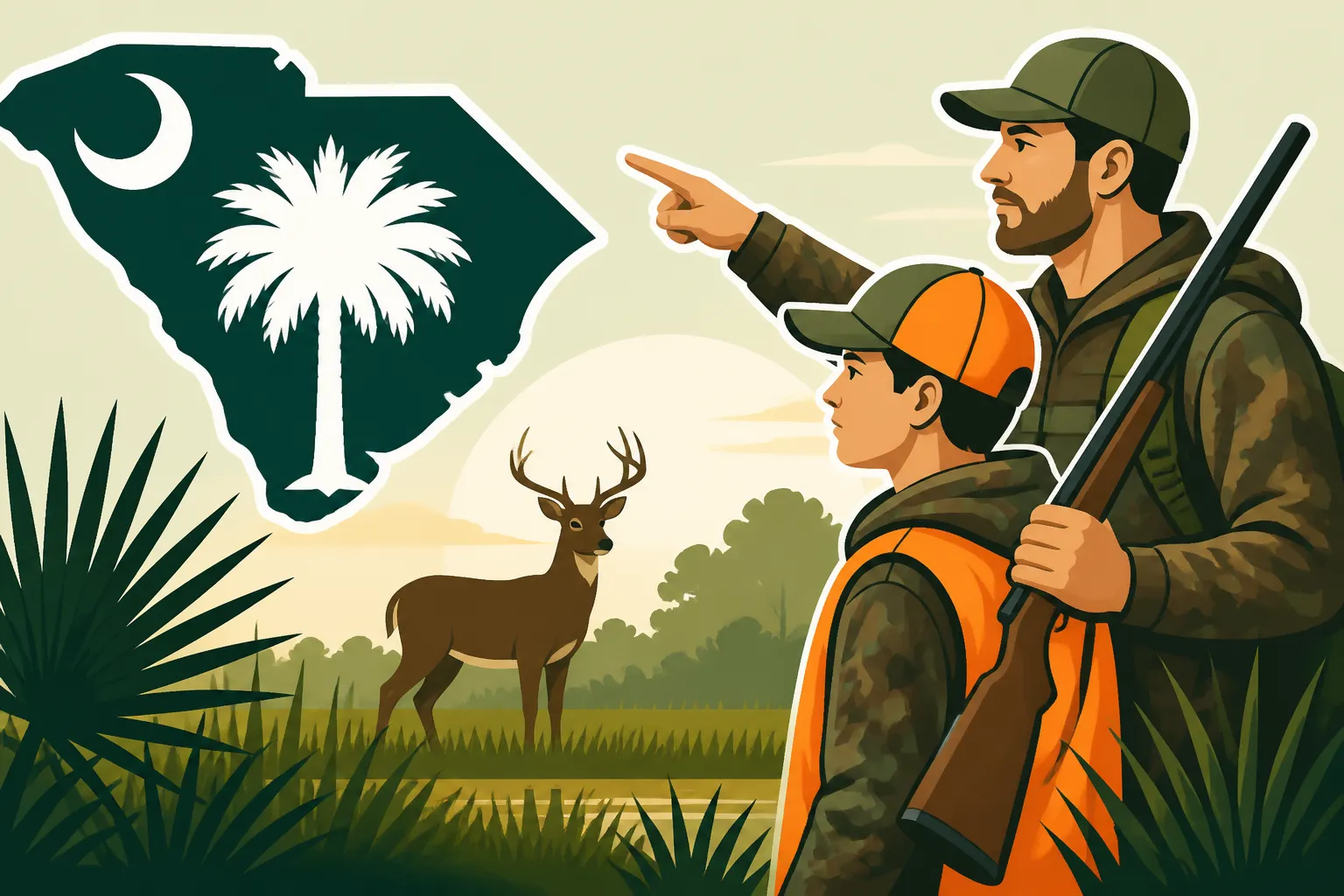
- Direct Supervision: This is perhaps the most crucial rule. The mentor must be in "direct supervision" of the apprentice hunter at all times. South Carolina law defines direct supervision as being "within arm's reach" or "direct voice control." What does this mean in practice? It means you can't be in one deer stand while your apprentice is 100 yards away in another. You should be close enough to immediately intervene if necessary, whether that's to offer instruction, ensure a safe shot, or prevent an unsafe action. For example, if you're Hunting the Earliest Coastal Zone Opener and sitting a field edge, the apprentice should be right beside you.
- Guidance and Instruction: Beyond just being present, the mentor is responsible for actively teaching. This includes proper firearm or archery equipment handling, shot placement, ethical decision-making, game identification, understanding bag limits, and the importance of conservation. It’s an immersive learning experience.
- Legal Accountability: The mentor is ultimately responsible for ensuring the apprentice complies with all state hunting laws and regulations. If the apprentice makes a mistake that violates a regulation, the mentor can be held accountable, making the "direct supervision" rule incredibly important.
Apprentice Hunter Conduct
While under the mentor's supervision, the apprentice also has clear responsibilities to ensure their own safety and contribute positively to the hunt.
- Carrying Your License: Just like a fully licensed hunter, an apprentice must have their apprentice license on their person while hunting. This can be a physical card or proof on your phone via the Go Outdoors SC app. It's a simple, non-negotiable requirement that wildlife officers will check. Even if you're using tools like GoHunt to navigate the woods, always ensure your license is readily accessible.
- Blaze Orange Requirements: Safety is paramount, especially for new hunters. South Carolina mandates specific South Carolina Blaze Orange Requirements for hunters during certain seasons, particularly during gun seasons for deer. Apprentices must adhere to these requirements, typically wearing an outer garment above the waist that is fluorescent orange, visible from 360 degrees. This is not just a suggestion; it's a life-saving rule designed to prevent hunting accidents.
- Adherence to All Hunting Laws: While the hunter education requirement is deferred, all other hunting laws apply to the apprentice. This includes bag limits, season dates, legal methods of take, and regulations specific to the game zone you're in. For instance, if you're in Zone 4, you must follow South Carolina's Zone 4 Coastal Deer Season dates and antlerless deer limits. The mentor must ensure the apprentice is fully aware of and complies with these rules.
Legal Game and Seasons
An apprentice hunter is permitted to hunt any game species that their supervising mentor is legally licensed and permitted to hunt. This is not a separate set of rules for the apprentice; rather, the apprentice hunts under the umbrella of the mentor's full qualifications.
- Matching Game Species: If the mentor has a big game permit and deer tags, the apprentice can hunt deer. If the mentor has a waterfowl stamp, the apprentice can hunt waterfowl. The key is that the mentor must be fully licensed for the activity.
- Season Dates and Bag Limits: All state season dates, bag limits, and other regulations apply to the apprentice just as they would to the mentor. For example, when you are Hunting the Rut in the Coastal Zones, the apprentice must observe the same rules. An apprentice cannot harvest a deer if the mentor has already filled their own daily or season bag limit, unless the apprentice also has their own tags if required for the specific game.
- WMA Rules: If hunting on Wildlife Management Areas (WMAs), the mentor and apprentice must both comply with WMA-specific rules, which can often be more restrictive. This might include special permits, sign-in requirements, or specific weapon restrictions. Don't forget to check the South Carolina WMA Permit Requirements if public land is your destination.
How to Obtain Your South Carolina Apprentice Hunter License
Acquiring your South Carolina Apprentice Hunter License is a fairly straightforward process, designed to be as accessible as possible. The South Carolina Department of Natural Resources (SCDNR) has made efforts to streamline the licensing procedure, offering both online and in-person options.
Purchasing Your License Online
The easiest and most convenient way to purchase an apprentice license is through the SCDNR's Go Outdoors SC website. This online portal is a one-stop shop for all your South Carolina hunting and fishing license needs.
- Visit the Go Outdoors SC Website: Navigate to the official SCDNR licensing portal.
- Create an Account: If you don't already have one, you'll need to create a customer account. This typically involves providing personal details such as your name, address, date of birth, and Social Security number.
- Select License Type: Choose the "Apprentice Hunting License" option. You'll also need to select whether you are a resident or non-resident, as this affects the price.
- Add Necessary Permits: Depending on what game you plan to hunt, you'll also need to add relevant permits, such as a Big Game Permit for deer or turkey tags. Remember, the apprentice hunts under the mentor's capabilities, but the apprentice still needs to be correctly licensed for the type of hunting being done.
- Payment: Complete the purchase using a credit or debit card.
- Print or Save: You'll receive a confirmation and a printable license. Many hunters also save a digital copy on their phone. This digital flexibility is a lifesaver, especially if you find yourself in an area with spotty cell service, although knowing Using Go Outdoors SC Without Cell Service strategies can still be helpful.
Platforms like GoHunt can assist in scouting and planning, but the actual license purchase is handled directly through SCDNR.
In-Person Options
If you prefer a face-to-face transaction or need immediate assistance, you can also purchase an apprentice license at various locations across the state:
- SCDNR Offices: Visit any regional SCDNR office during business hours. Staff can help you through the process, answer questions, and print your license on the spot.
- Authorized License Vendors: Many sporting goods stores, bait shops, and even some hardware stores are authorized SCDNR license vendors. These locations can process your license purchase, often during extended hours. Look for signs indicating they sell hunting and fishing licenses.
Costs and Validity
The cost of an apprentice hunter license is generally comparable to the base resident or non-resident annual hunting license. For example, a South Carolina resident apprentice license might be around $12, while a non-resident annual apprentice license could be significantly more, reflecting the typical non-resident fees. There might also be options for multi-day non-resident licenses. It's always best to check the current South Carolina Hunting Licenses and What They Cost on the SCDNR website, as fees can change. Apprentice licenses are typically valid for one license year (July 1st to June 30th).
| Feature | Regular Hunter License | Apprentice Hunter License |
|---|---|---|
| Hunter Education Required | Yes (with some exemptions for age/prior experience) | No (deferred, but required for full license) |
| Supervision Required | No (unless exempt from hunter education as a youth) | Yes, direct supervision by licensed mentor |
| Mentor Age Requirement | N/A | 21 years or older |
| Mentor License Required | N/A | Yes, valid SC hunting license & permits |
| Independent Hunting | Yes (once hunter education is complete) | No (always under direct mentor supervision) |
| Game Harvest | As permitted by individual license/tags | As permitted by mentor's license/tags |
| Cost | Varies (Base, Big Game, WMA etc.) | Generally similar base license cost (can vary by residency) |
| Purpose | For experienced, certified hunters | Entry-level, hands-on learning experience prior to certification |
The Path from Apprentice to Fully Licensed Hunter
While the apprentice license is a fantastic entry point, it's crucial to remember that it's a temporary status. The ultimate goal for any serious aspiring hunter is to complete their hunter education and obtain a full, unrestricted hunting license. This transition marks a significant milestone, allowing independent hunting and a deeper engagement with the sport.
Hunter Education: The Next Essential Step
After experiencing the thrill of hunting under a mentor, the apprentice hunter will need to complete an approved hunter education course. This is not just a formality; it's a foundational requirement for responsible hunting. The course covers vital topics that go beyond what can be taught in the field:
- Firearm Safety: In-depth instruction on safe gun handling, storage, and transport.
- Hunting Ethics: Understanding fair chase, respect for wildlife, landowners, and other hunters.
- Wildlife Management: Learning about conservation principles, game species biology, and the role of hunting in maintaining healthy populations.
- Survival and First Aid: Basic skills for emergencies in the outdoors.
- Laws and Regulations: A comprehensive review of state hunting laws.
Having the practical experience from your apprentice hunts can make the theoretical aspects of hunter education much easier to grasp and more relevant. The SCDNR offers various options for completing hunter education, including online courses followed by a field day, or traditional in-person classes. You can find detailed information on South Carolina Hunter Education Requirements on the SCDNR website.
Benefits of Full Licensure and Independent Hunting
Once an apprentice hunter completes their hunter education and obtains a standard hunting license, a new world of opportunity opens up:
- Independence: The most obvious benefit is the ability to hunt independently, without the direct supervision of a mentor. This freedom allows hunters to explore new areas, develop their own strategies, and truly become self-reliant in the field.
- Broader Opportunities: While the apprentice license allows hunting specific game, a full license combined with appropriate permits opens the door to a wider array of hunting experiences across the state. Whether you're interested in Primitive Weapons Deer Hunting in South Carolina or specific South Carolina Waterfowl Zones and Seasons, full licensure is your ticket.
- Deeper Engagement: Becoming a fully licensed hunter signifies a deeper commitment to the sport and its conservation. It empowers individuals to take on more active roles in wildlife stewardship, potentially joining conservation groups or participating in habitat improvement projects.
- Confidence and Knowledge: The process of moving from apprentice to full licensure builds immense confidence. You've learned from a mentor, formalized your knowledge through education, and are now equipped to make informed, safe, and ethical decisions in the field on your own. You can even use advanced scouting tools like GoHunt to plan your hunts with more precision.
The South Carolina Apprentice Hunter License is more than just a permit; it's an invitation to experience the great outdoors and become part of a time-honored tradition. It's a testament to South Carolina's commitment to fostering new hunters responsibly, ensuring they enter the woods not just with excitement, but with knowledge, respect, and safety at the forefront.
Disclaimer
The information provided in this guide is for general informational purposes only and does not constitute legal advice. Hunting laws and regulations in South Carolina are subject to change. It is the responsibility of every hunter to consult the most current South Carolina Department of Natural Resources (SCDNR) regulations annually or before engaging in any hunting activities to ensure full compliance with all state laws and requirements.