South Carolina CWD Surveillance Program
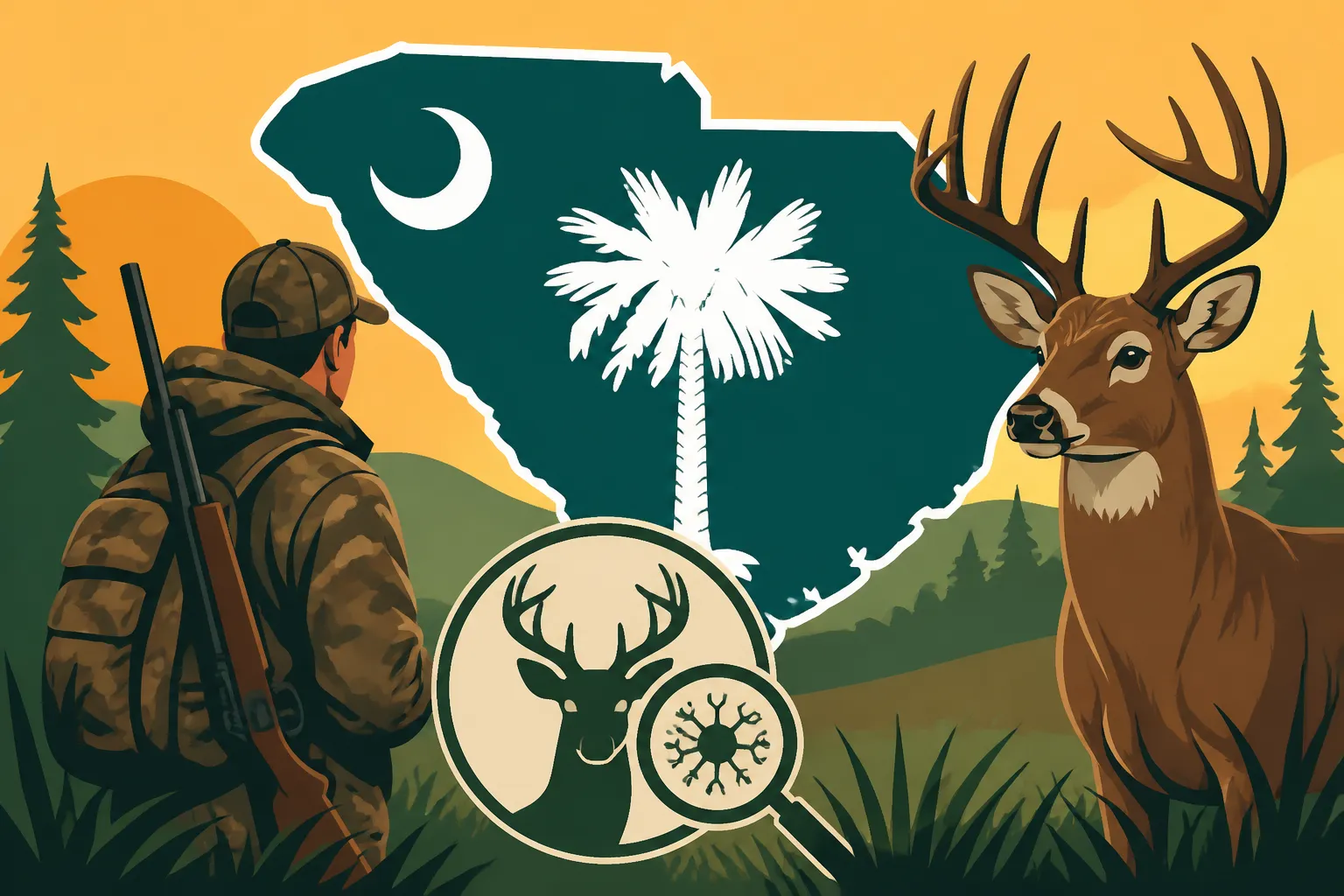
The idea of a disease silently spreading through our beloved white-tailed deer population is enough to send shivers down any South Carolina hunter's spine. We spend countless hours in the woods, scouting, hunting, and building memories, and the thought of a devastating illness like Chronic Wasting Disease (CWD) taking hold here is a genuine fear. This guide dives deep into South Carolina's proactive and robust CWD surveillance program, explaining exactly what it is, why it's so vital, and how every hunter plays a critical role in keeping our deer herd healthy and CWD-free.
Understanding Chronic Wasting Disease (CWD)
Chronic Wasting Disease is a serious, always-fatal neurological disease that affects cervids – deer, elk, moose, and reindeer. It's not just a concern for biologists; it's a direct threat to the very future of deer hunting as we know it, and understanding it is the first step in prevention.
What is CWD?
At its core, CWD is caused by abnormal proteins called prions. These prions aren't like bacteria or viruses; they're misfolded proteins that cause normal proteins in the brain to misfold as well, leading to a progressive degeneration of the brain and nervous system. Think of it like a slow-motion, irreversible decay from the inside out. Once an animal is infected, there's no cure, no treatment, and no recovery. The disease takes its relentless course, often over many months or even years, leading inevitably to death.
The symptoms can be heartbreaking to witness in an infected animal. Deer might become emaciated, hence the name "wasting disease," as they struggle to feed and process nutrients. They might exhibit abnormal behaviors: stumbling, tremors, excessive drooling, increased thirst and urination, and a general lack of coordination. You might see them standing with a vacant stare, ears drooped, or walking in repetitive patterns. These behaviors aren't sudden; they progress over time, making early detection incredibly challenging without specific testing. Because these signs can mimic other illnesses or even severe malnutrition, a definitive diagnosis almost always requires laboratory examination of brain tissue.
How Does CWD Spread?
This is where CWD becomes particularly insidious and difficult to contain. The disease spreads primarily through direct animal-to-animal contact, often during the social interactions that are so common within deer herds, especially during the rut. But it doesn't stop there. CWD prions are shed through saliva, urine, and feces, contaminating the environment. This means that feeding sites, water sources, and even mineral licks where deer congregate can become hotbeds for transmission. A healthy deer can then pick up these prions from the environment, even long after an infected animal has left the area.
Furthermore, the prions are incredibly resilient. They can persist in soil for years, possibly even decades, resisting extreme temperatures, disinfectants, and natural decomposition. This environmental persistence makes eradication in an infected area virtually impossible once the disease takes root. Imagine a favorite food plot or a well-used trail that becomes a silent reservoir of infection, continually re-infecting new generations of deer. This long-lasting environmental contamination is why aggressive preventative measures are so crucial, preventing CWD from ever getting a foothold.
The Devastating Impact of CWD
The impact of CWD on a deer herd and the broader ecosystem can be truly devastating. First and foremost, it's always fatal, leading to a slow, agonizing death for every infected animal. As CWD prevalence increases in a herd, mortality rates skyrocket, leading to significant population declines over time. We've seen this in other states, where once-thriving deer populations have been decimated in affected areas, transforming vibrant landscapes into silent, empty woods.
Beyond the direct mortality, CWD can alter herd dynamics and behavior. Chronic illness makes deer more vulnerable to other diseases, predation, and even vehicle collisions. It can disrupt breeding patterns and overall herd health. For hunters, the economic and recreational consequences are equally grim. A CWD outbreak can lead to reduced hunting opportunities, harvest limits, stricter regulations, and decreased hunter participation, which, in turn, impacts local economies that rely on hunting tourism and related industries. No hunter wants to question the safety of the meat they put on the table or worry about their favorite hunting grounds being shut down. It's a threat to our heritage and our way of life, which is why the Why South Carolina Stays CWD-Free is such a critical mission for the state.
Why South Carolina Takes CWD So Seriously
South Carolina’s approach to CWD isn't just about good wildlife management; it's about protecting a cherished natural resource and a deeply ingrained cultural tradition. We've seen the heartbreak and economic hardship CWD has caused in other states, and South Carolina is determined to learn from those experiences and prevent a similar fate here.
Protecting South Carolina's Deer Herd
Our state boasts a vibrant and robust white-tailed deer population. For many South Carolinians, deer hunting isn't just a pastime; it's a vital part of who we are, a family tradition passed down through generations. SCDNR estimates place the state's deer population at a healthy level, making it a critical component of our natural heritage and ecological balance. Maintaining a healthy, thriving deer herd is paramount, not just for hunters, but for the entire ecosystem. The thought of CWD running rampant through our forests and fields is a nightmare scenario, jeopardizing this precious resource.
The agency's proactive stance is rooted in the understanding that an ounce of prevention is worth a pound of cure, especially with a disease as persistent and untreatable as CWD. If CWD were to establish itself, it wouldn't just affect the number of deer; it would impact their health, their reproductive success, and their overall vitality. Imagine tracking a deer and noticing the tell-tale signs of CWD instead of the healthy, robust animals we're accustomed to seeing. The current statewide South Carolina Deer Population Estimate reflects a generally healthy and abundant resource, which makes our protective measures even more urgent. We don't want to wait until it's too late; we want to ensure our children and grandchildren can enjoy the same rich hunting traditions we do today.
Economic and Recreational Value of Deer Hunting
Beyond the intrinsic value of healthy wildlife, deer hunting is a significant economic driver and a cornerstone of outdoor recreation in South Carolina. Thousands of residents and non-residents alike apply for various permits, purchase hunting licenses, and flock to our woods and swamps each season. These hunters spend money on gear, lodging, fuel, food, and local services, directly supporting small businesses in rural communities across the state. From the local hardware store selling ammunition to the gas station convenience store to the diner serving up breakfast before a morning hunt, the ripple effect of hunting dollars is substantial.
An outbreak of CWD could deal a devastating blow to this economic engine. As we’ve seen in other states, CWD can lead to reduced bag limits, shorter seasons, or even temporary closures of hunting areas. This not only diminishes recreational opportunities but also causes a severe downturn in revenue for outfitters, guides, and related businesses. For many rural families, the deer season is a critical time for income, and CWD could wipe that away. The pride of sharing a hunting camp, teaching a new hunter, or simply enjoying the solitude of a deer stand, all hinge on the continued health and availability of our deer herd. This is why the comprehensive South Carolina Deer Season Structure Explained is so meticulously managed, aiming for both sustainability and enjoyable hunting opportunities.
Learning from Other States' Experiences
South Carolina has the distinct advantage of observing the devastating impacts CWD has had in other states that are battling established outbreaks. We've seen the challenges they face: the difficulties of depopulation, the immense costs of ongoing surveillance, the public outcry, and the heartbreaking realization that once CWD is present, it's nearly impossible to eliminate. These lessons serve as a stark warning and a powerful motivator for our state's proactive surveillance program.
States like Wisconsin, Pennsylvania, and parts of the Midwest have grappled with CWD for years, implementing various management strategies, often with mixed results. The sheer financial burden of continuous testing, public education campaigns, and herd reduction efforts is staggering. More importantly, the cultural impact on hunting communities has been profound, with trust in wildlife agencies sometimes eroding and hunting participation declining. South Carolina's strategy is designed to avoid this reactive quagmire by focusing on strong preventative measures, border security, and early detection. We don't want to repeat the mistakes or suffer the consequences that other states have endured. By understanding the challenges faced elsewhere, we reinforce our commitment to a vigilant CWD surveillance program that prioritizes keeping our state CWD-free, and ensures our hunting traditions remain strong for generations to come.
Key Components of South Carolina's CWD Surveillance Program
South Carolina's CWD surveillance program is a multi-faceted effort designed to detect the disease as early as possible, should it ever arrive, and to monitor the health of our deer herd. It relies heavily on strategic sampling, advanced laboratory testing, and meticulous data analysis.
Strategic Sampling Efforts
The backbone of South Carolina's CWD surveillance is its strategic sampling program. This isn't just random testing; it's a carefully planned effort to target areas and animals most likely to reveal the presence of CWD if it were to enter the state. SCDNR identifies "high-risk" areas, often near state borders with CWD-positive states or areas with high deer densities and concentrations, to maximize the effectiveness of their sampling. They focus on specific locations, such as Wildlife Management Areas (WMAs) and areas where deer drives are common, to obtain a diverse cross-section of the deer population. SCDNR staff are diligently working to get samples from various deer, ensuring a wide range of age classes and geographical locations are represented.
Hunters are a crucial part of this sampling effort. During various deer seasons, SCDNR often sets up voluntary CWD sampling stations at check points, public land entrances, and even partnering processors and taxidermists. These stations allow hunters to voluntarily submit lymph node samples from their harvested deer for CWD testing. This collaborative approach leverages the enthusiasm and dedication of the hunting community to gather a vast amount of data that would be impossible for agency staff to collect alone. If you're utilizing resources like GoHunt to scout Hunting the Pee Dee River Bottoms or any other productive area, remember to check for local sampling stations to contribute to these vital efforts. The more samples collected, the higher the confidence in our CWD-free status.
Laboratory Testing and Analysis
Once samples are collected, they are carefully processed and sent to specialized laboratories for analysis. These aren't just any labs; they are facilities equipped with the expertise and technology to accurately detect CWD prions, even at very low levels. In South Carolina, samples are typically sent to accredited diagnostic labs where highly trained technicians perform specific tests on the lymph node or brain tissue. The most common diagnostic test involves immunohistochemistry (IHC), which uses antibodies to detect the presence of the abnormal CWD prions.
The accuracy and reliability of these tests are paramount. False negatives could allow the disease to spread undetected, while false positives could cause unnecessary panic and economic disruption. SCDNR works closely with these diagnostic centers to ensure the highest standards are met. Each sample is meticulously handled, tracked, and analyzed. This rigorous testing process is the scientific bedrock upon which South Carolina's CWD-free status is maintained. It provides the definitive answer to whether CWD prions are present, and this constant vigilance is a key reason why South Carolina has maintained its CWD-free status. Hunters often wonder, How South Carolina Tests for CWD Without a Case, and this lab work is the detailed answer.
Monitoring and Data Interpretation
The sheer volume of samples collected and tested generates a significant amount of data. This data isn't just filed away; it's meticulously monitored, interpreted, and analyzed by SCDNR wildlife biologists and epidemiologists. They look for any anomalies, trends, or unusual patterns that might indicate the arrival or spread of CWD. This includes geographical distribution of samples, age and sex of harvested deer, and any changes in health observations. The goal is to identify any potential threats as quickly as possible.
In the event of a positive test, the monitoring program immediately shifts into a rapid response mode. Pre-established protocols would be activated, involving intensified sampling in the affected area, communication with hunters and landowners, and potentially the implementation of specific management strategies, such as herd reduction or additional carcass disposal guidelines. This proactive planning ensures that if CWD were ever detected, South Carolina would be prepared to respond swiftly and decisively, minimizing its potential impact. The ongoing analysis of our South Carolina's CWD Surveillance Sampling ensures that our efforts are always optimized and ready for any challenge.
How Hunters Contribute to CWD Prevention and Surveillance
Hunters are truly the frontline defense in South Carolina's fight against CWD. Your actions, vigilance, and cooperation are absolutely indispensable in keeping our deer herd healthy and our state CWD-free. It's a partnership between wildlife management and the passionate individuals who spend the most time in the field.
Mandatory Carcass Import Restrictions
One of the most critical preventative measures, and one that directly impacts out-of-state hunters (and resident hunters who hunt elsewhere), is the mandatory restriction on importing certain deer carcass parts from CWD-positive states. This rule is often frustrating for hunters who travel, but it's a non-negotiable safeguard. The prions that cause CWD are most concentrated in the brain, spinal cord, lymph nodes, and spleen of an infected animal. Therefore, bringing whole carcasses or these high-risk parts across state lines from a CWD-positive area is akin to inviting the disease directly into South Carolina.
To avoid inadvertently introducing CWD, hunters are generally only allowed to import the following parts from deer harvested in CWD-positive states:
- Deboned meat (no bone attached)
- Clean skull plates with antlers attached (all brain matter and soft tissue removed)
- Clean antlers (with no tissue attached)
- Hides (without the head)
- Finished taxidermy products
This means if you hunt in, say, North Carolina or Georgia (which do have CWD-positive cases in some areas), and harvest a deer, you must process it down to these approved parts before crossing the border into South Carolina. It’s a bit more work, but it’s a small price to pay for the health of our local herd. Understanding South Carolina Carcass Import Restrictions is vital for any hunter who crosses state lines.
| Carcass Part | Permitted for Import from CWD-Positive States | Notes |
|---|---|---|
| Whole Carcasses | No | Absolutely prohibited. |
| Deboned Meat | Yes | Must be completely boneless. |
| Clean Skull Plates (Antlers Attached) | Yes | All brain tissue and soft material must be removed. |
| Clean Antlers | Yes | No tissue or bone fragments attached. |
| Hides | Yes | Must be separated from the head. |
| Finished Taxidermy Products | Yes | Must be fully processed and clean. |
| Brain, Spinal Cord, Spleen, Lymph Nodes | No | These are high-risk parts and are prohibited. |
Voluntary Sample Submission by Hunters
While carcass import restrictions are about prevention, voluntary sample submission is about surveillance and early detection. South Carolina's program relies heavily on hunters contributing samples from their harvested deer. During the deer season, SCDNR often sets up numerous voluntary CWD sampling stations across the state, sometimes at check stations, at participating deer processors, or even through self-serve drop-off tubes in certain areas. These stations are staffed by SCDNR personnel or trained volunteers who can collect the necessary lymph node samples.
Participating is simple and incredibly valuable. When you harvest a deer, instead of just taking it home, consider taking it to a designated CWD sampling station. The staff will explain the process, collect a small tissue sample, and provide you with information on how to check the test results online. It's a quick, free, and minimally intrusive process that yields critical data for wildlife biologists. Many hunters take immense pride in contributing to this effort, knowing they're doing their part to protect our deer. If you're exploring Hunting the Earliest Coastal Zone Opener or are out for the South Carolina's Zone 1 Upstate Deer Season, keep an eye out for these stations. Every sample helps strengthen our surveillance net and increases our confidence in our CWD-free status.
Reporting Sick or Unusual Deer Sightings
Hunters are often the first eyes on the ground, spending more time observing deer in their natural habitats than almost anyone else. This unique position makes you an invaluable asset in CWD surveillance. If you ever encounter a deer exhibiting unusual behavior or showing severe signs of illness – extreme emaciation, stumbling, vacant stare, excessive drooling – it's crucial to report it to the SCDNR. While these signs don't automatically mean CWD, they warrant investigation. Other diseases like EHD (Epizootic Hemorrhagic Disease) can cause similar symptoms, but reporting allows wildlife biologists to assess the situation and conduct necessary testing.
Do not attempt to approach or handle a sick or deceased animal. Instead, note the exact location (GPS coordinates if possible), take photographs or video if safe to do so, and immediately contact your local SCDNR office or wildlife biologist. The agency has protocols in place for investigating such reports, ensuring that suspicious cases are thoroughly examined. Your keen observation and willingness to report can be the difference between early detection and a missed opportunity. This vigilant public involvement is essential for effective South Carolina Wildlife Disease Monitoring and protects both our deer and our hunting opportunities. Reporting a sick animal can seem daunting, but it's a simple, yet powerful, act of conservation.
Looking Ahead: The Future of CWD Management in South Carolina
The fight against CWD isn't a one-time effort; it's an ongoing commitment to vigilance, adaptation, and collaboration. South Carolina's approach to CWD management will continue to evolve, always aiming to stay ahead of this persistent threat.
Ongoing Education and Outreach
A well-informed hunting community is the strongest defense against CWD. That's why SCDNR is committed to continuous education and outreach efforts. This involves more than just posting regulations; it's about explaining the 'why' behind the rules and empowering hunters with knowledge. Through various channels – workshops, online resources, social media campaigns, and direct communication at check stations – SCDNR provides up-to-date information on CWD, its risks, and best practices for prevention. Hunter education courses often include segments on CWD, ensuring that new generations of hunters understand their role.
These educational initiatives are crucial for dispelling myths and ensuring everyone understands their responsibilities. For instance, explaining Why You Cannot Bring a Deer Carcass Into South Carolina from a CWD-positive state helps hunters grasp the severity of the threat. It also involves working with deer processors, taxidermists, and hunting clubs to ensure they are aware of and compliant with all CWD-related regulations. The goal is to foster a collective sense of stewardship, where every hunter feels a personal responsibility to protect South Carolina's deer herd. Your engagement and willingness to learn are truly powerful tools in this ongoing battle.
Research and Adaptive Management
Wildlife science is always advancing, and South Carolina's CWD management plan remains flexible enough to adapt to new research and emerging best practices. SCDNR actively monitors CWD research from across the country and around the world, looking for new insights into prion biology, disease transmission, and more effective detection and management strategies. This includes exploring innovations in testing methods, genetic resistance in deer, and even potential breakthroughs in environmental decontamination.
Adaptive management means that as new information becomes available, South Carolina's program can be adjusted and refined. This might involve changing sampling strategies, updating carcass disposal guidelines, or modifying public outreach messages. For instance, if research reveals a new high-risk factor, the state would adapt its surveillance to target that factor more effectively. This commitment to staying current and evolving with scientific understanding is critical in managing a complex and challenging disease like CWD. It ensures that South Carolina's efforts are always based on the most robust and current scientific evidence available.
Interagency Collaboration and Regional Efforts
CWD doesn't respect state lines, which makes interagency collaboration and regional efforts absolutely essential. South Carolina works closely with neighboring states like North Carolina and Georgia, as well as federal agencies, to share information, coordinate surveillance efforts, and develop regional strategies. This collaborative approach recognizes that CWD is a regional problem that requires a regional solution. For example, understanding Which States Border South Carolina With CWD cases informs our border surveillance priorities.
This collaboration often involves joint meetings, data sharing, and harmonizing regulations where possible, especially concerning carcass movement across borders. Federal agencies, such as the USDA and the USGS, also play a vital role by providing scientific expertise, funding for research, and technical assistance. By working together, states can create a stronger, more cohesive defense against CWD, pooling resources and knowledge to protect wildlife across the broader landscape. This united front is our best chance at preventing the spread of CWD and ensuring the long-term health of our deer populations throughout the Southeast.
Disclaimer
The information provided in this guide is for general informational purposes only and does not constitute legal advice. Hunting regulations, season dates, and CWD policies are subject to change. Always consult the official South Carolina Department of Natural Resources (SCDNR) website or their current regulations digest before engaging in any hunting activities. It is the hunter's responsibility to know and abide by all applicable laws and regulations.