Hunting a Green Field Planted for Deer
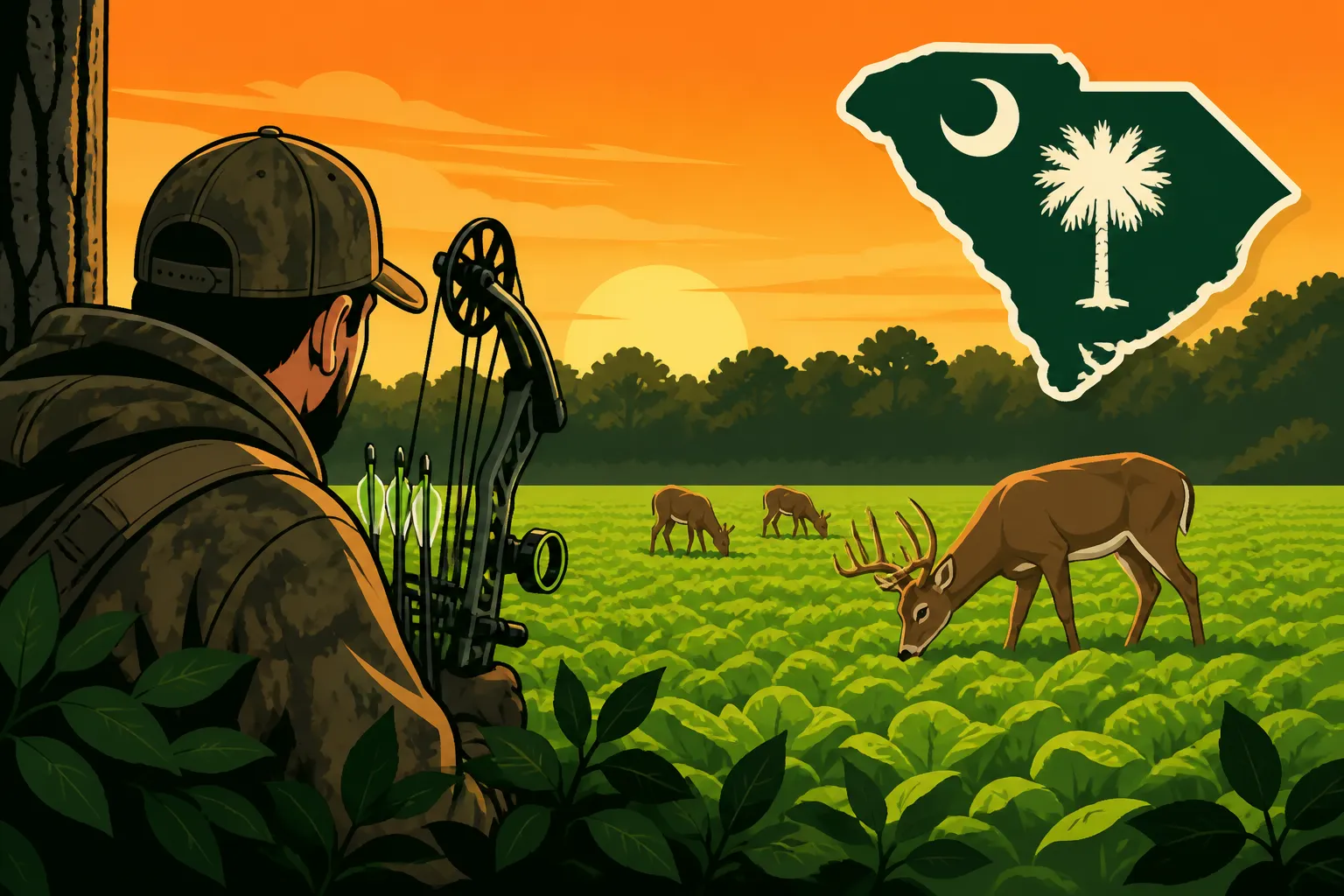
It's a familiar scenario for many South Carolina deer hunters: you've spent hours scouting, found a pristine green field, and the deer sign is abundant. But come opening day, those elusive whitetails seem to vanish into thin air or only show up after dark. Frustrating, right? This comprehensive guide is dedicated to helping you unravel the mysteries of hunting a green field planted for deer, offering strategies to turn those beautiful plots into productive hunting grounds.
Understanding the Green Field Draw
Green fields, often referred to as food plots, are specifically designed to attract and hold deer, providing crucial nutrition at different times of the year. Understanding why deer use them and when is the first step to hunting them effectively. They aren't just feeding stations; they're social hubs, travel corridors, and even breeding grounds during the rut.
What Makes Them Irresistible
Deer, like all animals, are driven by basic needs: food, water, and cover. Green fields excel at providing high-quality forage, making them a magnetic draw. In South Carolina, you'll often find plots planted with a variety of nutritious crops. Clover, for example, is a popular choice due to its high protein content and ability to withstand grazing, making it attractive from spring through late fall. Winter wheat, oats, and rye grasses are staples for fall and winter, offering palatable forage when natural browse declines. Brassicas, like turnips and radishes, become incredibly appealing after a few hard frosts convert their starches to sugars.
The sheer concentration of desirable food in one spot is what makes these fields so effective. Instead of browsing scattered natural forage, deer can fill their bellies efficiently. This efficiency is especially vital during periods of high stress, such as the late season when resources are scarce or during the demanding rut when bucks are expending massive amounts of energy. For a doe with fawns, a consistent, high-energy food source is a lifesaver. This consistent draw also makes green fields excellent places to monitor deer herd health and identify specific bucks, especially with modern tools.
Timing is Everything for Deer Activity
Deer don't use green fields randomly; their activity is highly seasonal and influenced by factors like weather and the rut. During the early archery season in places like the coastal zones, which open in mid-August, deer are often still on a summer pattern, hitting green fields primarily in the cooler morning and evening hours. As the season progresses into fall, and especially as the South Carolina Deer Season Structure Explained really kicks in, bucks begin to show more interest during daylight.
The rut is a game-changer. During the peak of breeding activity, bucks will cruise field edges, checking for estrous does. A green field acts as a natural aggregation point for does, thus increasing a buck's chances of finding a receptive partner. You might see bucks pushing does across the field or scent-checking the perimeter. Late season, when cold fronts roll through and other food sources are depleted, green fields become critical. Deer will spend more time in them, even during the middle of the day, to replenish energy reserves. Understanding these patterns, often aided by long-term observation or scouting tools, allows you to predict peak activity. For example, knowing the Hunting the Rut in the Coastal Zones timing can help you plan your field sits.
Types of Green Fields and How to Approach Them
Not all green fields are created equal, and your approach should vary based on their size and location. You'll encounter everything from small, secluded food plots tucked away in the timber to expansive agricultural fields spanning dozens of acres.
Small, hidden plots, often less than an acre, are deer magnets for a reason. They offer a sense of security due to their proximity to bedding areas and thick cover. Deer might step into these plots earlier in the afternoon and linger longer in the morning. These are prime spots for a close-range encounter, making them ideal for Bowhunting South Carolina's Long Archery Season. The challenge is often accessing them undetected without blowing out the entire area.
Larger agricultural fields, like those you might find in the Pee Dee region or other farm country, present a different set of opportunities and challenges. Deer might not enter these open fields until the last sliver of daylight, feeling more exposed. However, they can also hold a significant number of deer, especially mature does and their offspring. Your focus here might be on the entry and exit funnels, specific corners, or small fingers of cover that extend into the field. You'll often find deer staging in the timber bordering these fields, waiting for low light before venturing out. Understanding the subtle nuances of each field type is crucial for success.
Pre-Season Scouting and Observation
Before you ever step foot in a stand overlooking a green field, extensive pre-season scouting is paramount. This isn't just about finding deer; it's about understanding how they use the field, when they use it, and where they come from. It's detective work that pays off with informed decisions come hunting season.
Reading the Edges for Clues
The perimeter of a green field is like a giant billboard of deer activity. Tracks in soft soil, particularly after a rain, can tell you not only that deer are present but also their direction of travel, and sometimes even a rough idea of their size. Look for fresh droppings, which indicate recent activity and can help you gauge the number of deer frequenting the area.
Rubs and scrapes are particularly important. Rubs on saplings or small trees along the field edge are signposts left by bucks, indicating their travel paths and dominance. Scrapes, patches of bare earth where bucks paw the ground and deposit scent, are communication hubs. Active scrapes, especially those under an overhanging branch (a "licking branch"), signal a buck's regular presence. Pay attention to the concentration and freshness of these signs. Are they predominantly along one side of the field? Do they lead to a specific thicket? These details paint a picture of deer movement patterns. You might find a heavy scrape line along a logging road bordering a green field, indicating a preferred travel route.
Trail Camera Strategies for Data Gathering
Trail cameras are your eyes in the woods when you're not there. For green fields, placement is critical. Position cameras along known deer trails leading into the field, or at strategic points along the edge where rubs and scrapes are concentrated. Face the camera away from the rising or setting sun to avoid lens flare and blurry images.
Set your cameras to capture video or a burst of photos to get a clearer understanding of deer behavior. Check your cameras sparingly to minimize human disturbance – perhaps once a week or every ten days. What you're looking for is more than just pictures of deer. Pay attention to the time stamps: are deer primarily hitting the field after dark, or are there consistent daylight visits? Identify specific bucks and try to discern their patterns. Are they appearing alone, or chasing does? Tools like GoHunt can be invaluable here, allowing you to plot camera locations, log observations, and manage your images efficiently, helping you keep track of specific deer throughout the season. You can learn a lot about a buck's nocturnal versus diurnal habits by consistently monitoring a plot.
Identifying Entry and Exit Routes
Deer don't just magically appear in a green field; they use specific travel corridors to get there and back to their bedding areas. Identifying these entry and exit routes is arguably the most critical piece of scouting. Look for natural funnels – narrow strips of timber between two swamps, a saddle on a ridge, or a thick hedgerow connecting woodlots. These pinch points force deer into predictable paths.
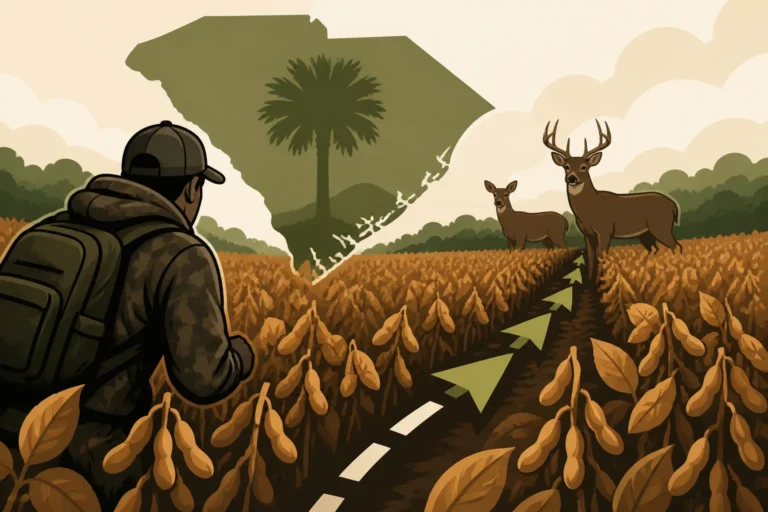
Thick cover, such as dense pine plantations or overgrown clear-cuts, often serves as bedding cover. Deer will typically emerge from these areas, following the path of least resistance or the most secure route, to reach the green field. Conversely, they'll often retreat to these same areas at first light. Use aerial maps, like those available through the Go Outdoors SC app, to visualize these terrain features and cover types. Walk the edges of the field, looking for worn trails leading into the woods. Sometimes, deer will utilize a ditch line or a subtle change in elevation to mask their approach. Knowing these routes allows you to anticipate where a deer will appear and, more importantly, where to set up your stand for an undetected shot. Identifying these routes is similar to figuring out Entry Routes Through Standing Soybeans, just with different crops.
Strategic Stand Placement and Setup
Once you've done your homework and identified how deer are using a green field, the next crucial step is choosing the right stand location and setting it up properly. A poorly placed stand, even over the hottest food plot, will result in frustration and empty handed walks back to the truck.
Playing the Wind – Your Ultimate Guide
In South Carolina, especially in the warmer early season, wind direction is paramount. Deer have an incredible sense of smell, and a single whiff of human scent will send them packing. You must always play the wind. This means choosing a stand location that keeps your scent blowing away from where you expect deer to approach and from the field itself.
Before each hunt, check the forecasted wind direction. If the wind isn't right for your primary spot, have alternative locations ready. This might mean having two or three stand sites around a single green field, each designed for a different prevailing wind. Consider thermals as well, especially in the morning and evening. As the sun rises, air typically flows uphill, and as it sets, it flows downhill. In flat Lowcountry terrain, thermals can be less pronounced but still present around drainages or changes in elevation. Never set up directly downwind of a primary entry trail or where deer are likely to congregate in the field. This commitment to constantly playing the wind is a non-negotiable rule for green field success. A great resource for understanding this concept is Wind and Thermals on an Upstate Ridge, even if you're not in the mountains, the principles apply.
Concealment is Key
Deer have excellent eyesight, particularly for movement. Therefore, concealment is absolutely critical. When hanging a treestand, choose a tree that offers good cover, not just from leaves, but from larger branches or other surrounding trees. You want to break up your silhouette. Aim for a tree on the downwind side of the field that provides a good vantage point of the primary entry routes and feeding areas, but doesn't stick out like a sore thumb.
If you're opting for a ground blind, brush it in thoroughly. Don't just pop it up and expect deer to ignore it. Cut natural vegetation from the surrounding area – branches, palmetto fronds, pine boughs – and weave them into the blind's exterior. Make it look like a natural part of the landscape. For ultimate scent control and concealment, many hunters prefer to set up well before the season, allowing deer to get accustomed to its presence. Whether you're using a treestand or a ground blind, ensure you have good back cover. A bare skyline behind you will make you easily detectable. When hunting public land, understanding Using a Ground Blind on South Carolina Public Land can be extremely helpful.
Access Routes: Getting In and Out Undetected
Your stand setup is only as good as your ability to get to it and leave it without alerting deer. This means planning your access and exit routes meticulously. Identify a route that keeps you concealed, quiet, and out of the deer's primary travel paths.
Avoid walking directly through the green field to get to your stand. Instead, use natural cover such as creek beds, logging roads (if they're not heavily trafficked by deer), or the densest timber available. If possible, use an access route that allows you to approach your stand with the wind in your face or quartering to you, minimizing the spread of your scent. Park your vehicle far enough away that the sound of doors closing or an engine starting won't carry to the field. Consider using a bike or quiet electric vehicle for longer distances if permissible. For morning hunts, approach your stand in the dark, using a headlamp with a red light setting to preserve your night vision and minimize disturbance. For evening hunts, stay in your stand until after dark, allowing deer to clear the field before you exit. This might mean patiently waiting to track a deer through Blood Trailing After Dark in South Carolina. The goal is to be a ghost, leaving no trace of your presence.
Hunting Tactics for Green Fields
You've done the scouting, you've got your stand set up perfectly, and the wind is right. Now it's time to put those plans into action. Hunting a green field isn't just about sitting there; it's about being strategic with your timing, knowing when to engage, and understanding how to manage the pressure you put on the area.
Timing Your Hunts for Maximum Opportunity
The exact best time to hunt a green field varies, but generally, the last two hours of daylight are prime for evening hunts, and the first two hours of light are key for morning hunts. Deer, especially mature bucks, often wait until the last possible moment to enter an open area, feeling more secure under the cloak of twilight. In the morning, they might linger as they transition back to bedding cover.
However, don't discount midday hunts, especially during the rut or after a significant cold front. During the rut, bucks are often on their feet throughout the day, actively searching for does, and a green field full of does can be irresistible. After a cold front, deer will often move to feed to build up energy stores, even during the warmer midday hours. Pay attention to how the deer are using your specific field based on your trail camera data and observations. If you're hunting in the thick of the season, a good strategy might be to use a longer, quieter walk-in for your morning sits, while a quicker, concealed path can work for evening setups. Keep in mind that Warm-Weather Sitting Strategy in South Carolina is crucial in the earlier months, as deer behavior can be heavily influenced by temperature.
Calling and Decoys in Green Field Scenarios
Calling and decoys can be incredibly effective around green fields, but they need to be used judiciously. During the rut, a grunt tube can be your best friend. A few soft grunts can pique the curiosity of a cruising buck and draw him into range. If you see a buck trailing does but hanging up at the edge, a few bleats from a doe call might entice the doe to move closer, bringing the buck along. Rattling can also work, especially in areas with a good buck-to-doe ratio. Start soft, then escalate, mimicking a sparring match to attract an inquisitive buck looking for a fight or an easy doe. Remember that Rattling Volume in Thick Pine Cover should be adjusted based on how open your hunting environment is; in a wide-open field, sound carries further.
Decoys can also be powerful tools. A single doe decoy placed where deer typically enter the field can draw the attention of passing bucks or even curious does. During the rut, a buck decoy, or a doe and buck combination, can challenge an aggressive buck to come investigate. Always place decoys so that an approaching deer will offer you a good shot angle, preferably quartering away. Ensure your decoy is visible but still feels natural in its setting.
Minimizing Pressure and Adapting to Conditions
The biggest mistake hunters make with green fields is over-hunting them. Too much pressure, too many visits, and too much scent will quickly turn a productive plot into a nocturnal sanctuary. Hunt smart. If you hunt a field and spook deer, give it a break for a few days, or even a week, before returning. Have multiple green fields or alternative hunting spots so you're not reliant on one location. The GoHunt app can assist with logging your hunt efforts, showing how pressure might be affecting deer movement in real time.
Adapting to conditions is also vital. A sudden rainstorm might push deer out of the field temporarily, but they often return shortly after to feed. Foggy mornings can offer excellent concealment for your approach and increase deer comfort in open areas. High winds can make deer nervous in open fields, potentially causing them to feed closer to cover or even wait for calmer conditions. A sudden temperature drop after a warm spell can trigger increased feeding activity, making it a prime time for a sit. Conversely, during periods of prolonged warmth, deer might stick to shadier, cooler spots near water. Always be ready to adjust your strategy based on the conditions the day throws at you.
Field Notes: Essential Green Field Knowledge
To help keep your green field strategies straight, here’s a quick overview of common crops and their peak attraction times for deer in South Carolina. This isn't exhaustive, but it covers the main players you'll likely encounter.
| Crop Type | Primary Attractant | Peak Season of Deer Use | Key Considerations |
|---|---|---|---|
| Clover | Protein, Palatability | Spring – Late Fall | Resilient, long-lasting, highly nutritious. Deer hit it early and often. |
| Winter Wheat/Oats | Carbohydrates, Palatability | Fall – Winter | Staples for cooler weather. Deer graze them heavily when other forage dies off. |
| Brassicas | Sugars (after frost) | Late Fall – Winter | Turnips, radishes. Become highly attractive after a freeze. Deer will often dig for bulbs. |
| Rye Grass | Carbohydrates | Fall – Early Spring | Fast-growing, excellent for quick establishment and erosion control. Good late-season option. |
| Soybeans | Protein (leaves), Energy (beans) | Summer (leaves), Fall/Winter (beans) | Deer browse leaves in summer; dried beans are a high-energy source later in the year. |
| Corn | High Energy | Fall – Winter | Cobs provide crucial energy. Often browsed heavily if left standing. |
Remember, a successful green field hunt in South Carolina is a blend of careful planning, keen observation, patience, and adaptability. By understanding deer behavior, mastering your scouting techniques, perfecting your setup, and employing smart hunting tactics, you'll significantly increase your chances of tagging a whitetail over that hard-earned food plot.
Disclaimer
Hunting is an inherently dangerous activity. Always prioritize safety, follow all local and state regulations, and obtain proper licenses and permits. Ensure you understand and comply with all South Carolina hunting laws. This guide is for informational purposes only and does not substitute for proper hunter education or professional guidance.