South Carolina’s Zone 4 Coastal Deer Season
Hunting deer in South Carolina's Zone 4, the sprawling coastal region, often feels like a completely different ballgame compared to the rest of the state. The early openers, the suffocating heat, the dense swamps, and the unique deer behavior can leave even seasoned hunters scratching their heads. If you've ever felt overwhelmed by where to start or how to adjust your strategies to this challenging yet rewarding environment, you're not alone. This comprehensive guide is designed to break down everything you need to know to successfully navigate and hunt the South Carolina Zone 4 coastal deer season.
Understanding South Carolina's Zone 4 Coastal Deer Season
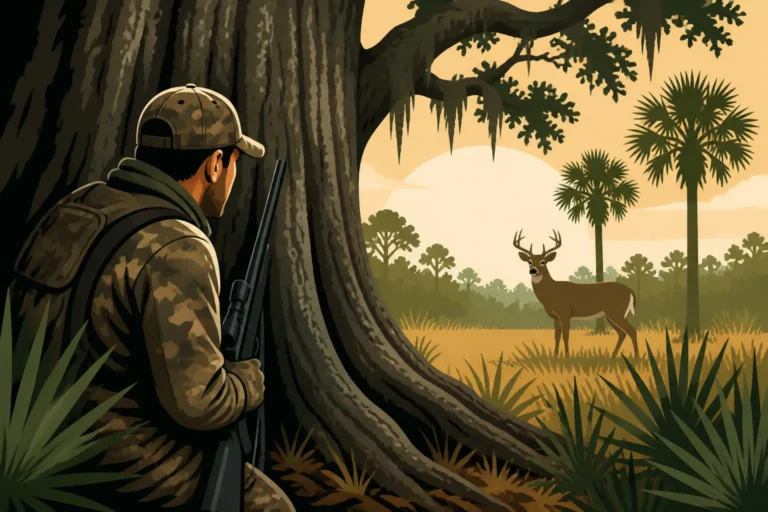
Zone 4, encompassing the beautiful but challenging coastal plain of South Carolina, is truly a world apart for deer hunters. It kicks off the earliest deer season in the state, offering an unparalleled opportunity to get out in the woods well before other regions. But with that early start comes a unique set of circumstances that demand a different approach, from battling the heat to understanding the specific rhythms of Lowcountry whitetails.
Geographical Extent and Key Counties
When we talk about Zone 4, we're discussing the southeastern portion of South Carolina, stretching along the Atlantic coastline and extending inland. This zone includes some of the state's most iconic Lowcountry counties, like Beaufort, Berkeley, Charleston, Colleton, Dorchester, Georgetown, Hampton, Jasper, and Horry, among others. Think expansive tidal marshes, dense pine and hardwood forests, vast agricultural fields, and those signature cypress and tupelo swamps. It’s a diverse landscape, but one thing remains constant: the strong influence of the coast and its climate. Understanding South Carolina's Four Game Zones is crucial, and Zone 4 is truly a standout. The sheer amount of water, from small creeks to major river systems like the Santee and Edisto, dictates a lot about deer movement and where you'll find them. This isn't your typical rolling hills deer country; it’s flat, often wet, and thick.
The Rationale Behind Zone 4's Early Opener
Many hunters from other states, and even other parts of South Carolina, often wonder why Zone 4 gets such an early start, with archery season typically opening in mid-August. The primary reason boils down to biology and population management. Deer in the Lowcountry have a significantly earlier breeding cycle, or rut, compared to their Upstate counterparts. This phenomenon is largely due to genetics and environmental factors that lead to an earlier fawning period in the spring. To align hunting pressure with peak deer activity and ensure effective population control, the season is adjusted accordingly. This early start also helps manage agricultural damage, which can be substantial in this farming-heavy region, especially with hungry deer hammering crops like soybeans and corn. It's an advantage for hunters who are eager to get into the stand, but it also means dealing with sweltering temperatures that can be a real test of endurance.
Key Differences from Other Zones
Beyond the early opening dates, Zone 4 presents a stark contrast to the other game zones in South Carolina. For instance, Zone 1, the Upstate region, often opens six weeks later, and its terrain, climate, and deer behavior are vastly different. In Zone 4, you're looking at a longer overall season, often extending into the New Year, providing ample opportunity. The deer densities can be incredibly high, particularly in certain areas, leading to a generally more forgiving bag limit for antlerless deer compared to some other regions. However, the sheer thickness of the cover means shot distances are often much shorter, and tracking a deer through dense palmettos or flooded timber requires a whole different skillset. Furthermore, the constant battle with insects, high humidity, and the unique challenges of Hunting Lowcountry Swamp Deer all contribute to a hunting experience unlike any other in the Palmetto State.
Deer Season Dates and Regulations in Zone 4
Navigating the specific dates and rules for Zone 4 is paramount for any hunter looking to punch a tag in the coastal plain. Unlike the standardized dates you might find in some states, South Carolina's zone system means your calendar needs careful attention. Getting it wrong can lead to serious legal issues, or at the very least, a missed opportunity.
Archery and Primitive Weapons Windows
Zone 4 is known for its exceptionally long archery season, which often kicks off in the middle of August. This early start provides an incredible opportunity for bowhunters to target deer that are still in their predictable summer patterns, often around food sources. The archery season then typically runs continuously, merging into the primitive weapons season, and eventually overlapping with the general firearms season. Primitive weapons, which include muzzleloaders, crossbows, and certain other single-shot firearms, usually have their own designated window that starts later than archery but still well before the general firearms season. For many hunters, this primitive weapons segment, which typically begins in mid-September, offers a chance to get into the woods with more powerful equipment while still enjoying less pressure than the rifle season. Remember, When South Carolina's Archery Season Opens it’s often still blazing hot, so prepare accordingly. Always double-check the current year's regulations on the SCDNR website, as dates can shift slightly.
General Firearms Season Overview
The general firearms season in Zone 4 typically opens around mid-October, allowing hunters to use modern rifles, shotguns, and handguns. This is when the woods usually see a significant increase in hunting pressure, as more hunters take to the field with their preferred firearms. The firearms season then continues through to January 1st, providing a long window that covers everything from the tail end of the early rut activity into the late-season scramble for food. While the availability of diverse weapon types is a benefit, it also means you’ll be sharing the woods more. During the firearms season, especially on public lands, you'll need to be extra vigilant about safety and the presence of other hunters. Planning your hunts to coincide with weekdays or specific conditions can help you find quieter spots.
Statewide Bag Limits and Antler Restrictions
While Zone 4 has its unique season dates, the statewide bag limits apply to all hunters across South Carolina. Residents can typically harvest up to five antlered bucks per season, while non-residents are limited to two. For antlerless deer, the rules are often more generous in Zone 4, reflecting the higher deer populations. Typically, you can harvest two antlerless deer per day in Zone 4, provided you have the appropriate tags. It's crucial to always have your valid hunting license and big game permit, and to immediately tag any harvested deer before moving it. Beyond the numbers, it's worth noting that South Carolina does not impose antler point restrictions statewide, meaning you can harvest any antlered buck regardless of its rack size, as long as it has at least one antler three inches or longer. This approach allows hunters to focus on herd management rather than solely trophy hunting, though many still pursue those impressive Lowcountry wall-hangers. Make sure to understand South Carolina Primitive Weapons Tactics if you plan to hunt during that specific window.
Unique Challenges of Coastal Deer Hunting
Hunting in South Carolina's Zone 4 isn't just about different season dates; it’s about confronting a completely different environment. The Lowcountry presents a host of unique challenges that demand adaptation, resilience, and a solid understanding of the local conditions.
Battling the Early Season Heat and Humidity
Let's be real: hunting in August and September in South Carolina is a sweat-soaked endeavor. The heat and oppressive humidity are probably the biggest obstacles any Zone 4 hunter faces. Temperatures regularly climb into the 90s, and the humidity makes it feel even worse. This isn't just uncomfortable; it's genuinely dangerous if you're not prepared. Dehydration and heatstroke are real threats. Your clothing choices become critical – lightweight, breathable, moisture-wicking fabrics are a must. Staying hydrated isn't just a suggestion; it's a survival strategy, meaning carrying plenty of water is non-negotiable. Furthermore, the heat dramatically impacts deer behavior. They become largely nocturnal, moving primarily in the coolest parts of the day, typically the first hour of daylight and the last hour before dark. This means your effective hunting window can be quite small. This is where a good Warm-Weather Sitting Strategy in South Carolina becomes your best friend. You'll also need to consider scent control more rigorously, as the humidity amplifies human odors.
Mosquitoes, Snakes, and Other Critters
The Lowcountry is teeming with wildlife, and not all of it is game. Mosquitoes, ticks, chiggers, and biting flies are a constant menace, especially during the early season. Beyond being annoying, they carry diseases like West Nile Virus and Lyme disease. Therefore, reliable insect repellent is not just a nicety; it's essential. Consider permethrin treatment for your clothing to ward off ticks and chiggers more effectively. And then there are the snakes. South Carolina's coastal plain is prime habitat for venomous snakes like cottonmouths, rattlesnakes, and copperheads. Walking through dense cover, especially near water, requires constant vigilance. Many experienced Lowcountry hunters swear by snake boots or snake gaiters to provide an extra layer of protection. It's not about being paranoid, it's about being prepared for the environment. These encounters are a realistic part of Hunting Lowcountry Swamp Deer and should be respected.
Navigating Dense Lowcountry Vegetation and Swamps
The vegetation in Zone 4 can be incredibly dense. Think thick palmetto thickets, impenetrable briar patches, and sprawling canebrakes that seem to swallow sound and sight. This makes moving quietly a monumental challenge and can severely limit visibility, often restricting shot opportunities to extremely close ranges. Add to that the pervasive presence of swamps, marshes, and flooded timber, and you’ve got terrain that actively fights against easy access. You'll often find yourself slogging through muck or wading through knee-deep water to get to prime spots. This isn't always easy, and it requires specialized footwear, like rubber boots or waders, and a mental fortitude to push through. The thick cover also influences deer movement patterns, as they often utilize these dense areas for bedding and escape cover. Accessing these remote, thick spots often means fewer encounters with other hunters, but the trade-off is the physical demanding nature of the hunt.
Effective Scouting and Stand Placement Strategies
Successful deer hunting in Zone 4, much like anywhere else, hinges on thorough scouting and intelligent stand placement. However, the coastal environment adds several unique layers to these processes that you absolutely need to master.
Reading Tidal Creek and River Bottom Sign
The tidal creeks and expansive river bottoms of Zone 4 are major arteries for deer movement. Unlike inland areas where ridges and draws dictate travel, here, the water dictates everything. Deer will often utilize the slight rises and edges along creeks and rivers as travel corridors, especially when the tide is high and other areas are flooded. Pay close attention to fresh tracks, rubs, and scrapes along these edges. You might find deer bedding in slightly elevated islands within the swamp or on the edges of drier ground bordering a creek. Knowing how to read a Reading a Tidal Creek for Deer Movement is an art form. The ebb and flow of tides can change access and deer patterns daily, so understanding local tidal charts can give you a significant advantage, helping you predict when deer might be forced to move along specific, higher ground. Look for subtle changes in elevation, even a few inches, as deer will often prefer to walk on the driest ground available.
Identifying Key Food Sources Throughout the Season
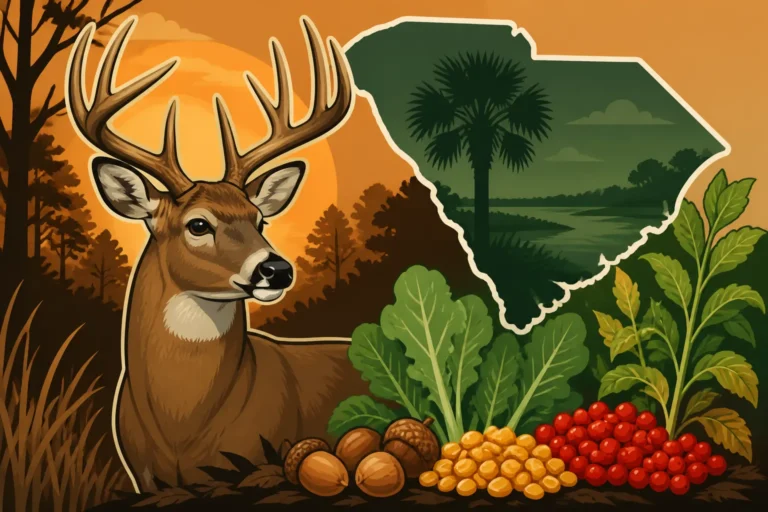
Food sources in Zone 4 can be incredibly diverse and change rapidly throughout the long season. During the early archery season, deer are often concentrated around agricultural fields – think soybeans, corn, and peanuts – especially where these fields border thick cover. Natural food sources like early-dropping white oak acorns or muscadine grapes can also be huge draws. As the season progresses, and the rut begins, deer might shift their focus from pure caloric intake to seeking out does, but food will still play a role, especially for does and younger bucks. Later in the season, after crops are harvested and early mast is gone, deer might gravitate towards persimmons, late-dropping oaks, or browse in clear-cuts and pine plantations. Even small, overlooked patches of green browse in a clear-cut can be magnets. Using tools like the GoHunt app can be invaluable for identifying property lines and potential food sources on aerial maps, helping you pinpoint those crucial agricultural fields or stands of mast-producing trees.
Setting Up for Success on Field Edges and Pine Plantations
Given the dense cover, field edges and the interior of pine plantations become prime stand locations in Zone 4. Deer frequently use the edges of crop fields for evening feeding or as travel routes between bedding areas and other food sources. When Setting Up on a Lowcountry Field Edge, consider prevailing wind directions and entry/exit routes that won't spook deer in the field. Sometimes, setting up 20-30 yards into the woods, off the immediate edge, can provide better concealment and shot angles. In pine plantations, look for areas with more mature pines, especially those bordering a creek or swamp, or where a fire break provides a natural travel corridor. The rows of pines can create excellent funnels for deer movement. Also, clear-cuts, particularly those that are a few years old and offer dense regrowth, provide both food and bedding cover. Setting up on the downwind side of a well-used trail entering or exiting such an area can be highly effective. Remember, concealment is key in the thick coastal woods, so ensure your stand is well-brushed in and you have a good background.
Tactics for Zone 4 Deer Hunting
Once you've done your scouting and have a general idea of where the deer are moving, it's time to fine-tune your tactics for the specific conditions and phases of the Zone 4 season. This long season offers a variety of opportunities, each requiring a slightly different approach.
Early Season Archery Strategies
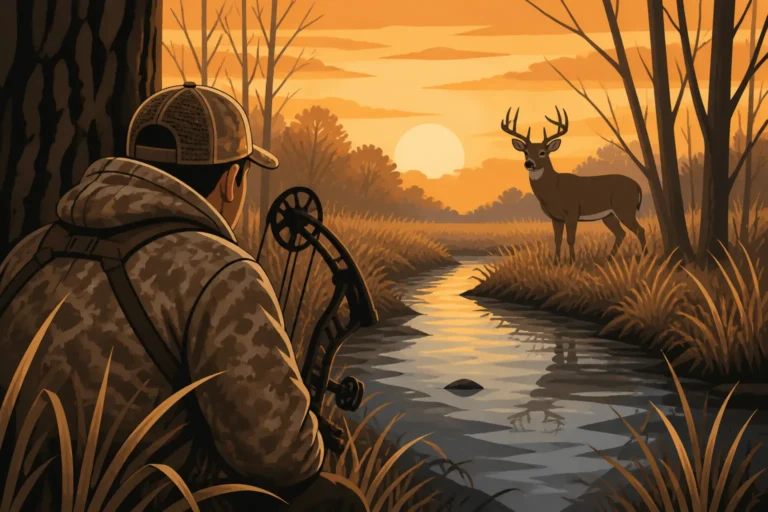
The early archery season in Zone 4 is a game of patience and precision, largely centered around food and water. Deer are often still on predictable summer patterns, hitting agricultural fields or specific natural food sources at first and last light. Your best bet is often to set up ambushes along trails leading to these food sources or directly on a field edge where deer are entering. Water sources, especially during a hot, dry spell, can also be major draws. Since deer are mostly nocturnal in the heat, your morning sits need to be in areas where deer are returning from feeding to bed, and evening sits where they are emerging to feed. Be mindful of your scent, as the humidity can carry it far, and always consider your exit route to avoid bumping deer. Focus on quiet entry and exit, and be prepared for short shooting distances due to the thick cover. For a deeper dive, check out Hunting the Earliest Coastal Zone Opener.
Hunting the Rut in the Coastal Zones
The rut in Zone 4 typically peaks later than the season opener, often around late October or early November, but it can vary. Unlike other regions, it often isn't as pronounced or visually dramatic due to the dense cover. Bucks might not chase does across open fields but will quietly cruise through thickets and swamps. Your tactics should shift from purely food-focused to cover- and doe-focused. Hunting funnels between bedding areas, along creek bottoms, or near known doe family groups can be highly effective. Grunt tubes and rattling antlers can sometimes work, but often a softer, more subtle approach is better in the thick Lowcountry woods. Be prepared for bucks to show up at any time of day, as their patterns become much more erratic during the rut. Patience is key, as is a willingness to sit longer and be more mobile, sometimes still-hunting through promising thickets. Understanding Hunting the Rut in the Coastal Zones can make or break your season.
Adapting to Late Season Pressure and Food Scarcity
By late November and December, Zone 4 deer have seen significant hunting pressure, and many of the prime food sources like acorns and agricultural crops have been depleted or harvested. This is when deer become much warier and shift their focus to remaining, often less obvious, food sources and heavy cover for security. Look for late-dropping mast trees, overlooked patches of green browse, or areas where landowners might still have standing crops or food plots. Creek bottoms and thick swamps become even more important as sanctuaries. Still-hunting slowly and deliberately through dense, unpressured cover can be effective, as can setting up on pinch points where deer are forced to travel through narrow corridors between thickets and water. Mobility is often key; don't be afraid to move your stand if your primary spots aren't producing. Deer drives, especially on private land with a group of hunters, can also be a popular and effective late-season tactic to push deer out of heavy cover.
Gear Considerations for Coastal Environments
Your gear choices in Zone 4 aren't just about comfort; they're about survival and efficiency. The unique conditions of the Lowcountry demand equipment that can withstand heat, humidity, insects, and rugged terrain.
Clothing and Hydration for Warm Weather
Forget your heavy insulated camo for the early season in Zone 4. You need clothing designed to handle extreme heat and humidity. Think lightweight, breathable, moisture-wicking synthetic fabrics. Look for garments with good ventilation. Many hunters opt for light base layers even in warm weather, as they wick sweat away from the body. Sun protection is also important, so long sleeves and wide-brimmed hats are highly recommended. As mentioned, reliable insect repellent, and clothing treated with permethrin, are non-negotiable. Hydration is paramount, so a high-capacity water bladder in your pack or multiple water bottles are a must. Electrolyte supplements can also be beneficial on long, hot hunts. During the early season, you'll be constantly sweating, so having methods to stay cool and dry, or at least manage the moisture, is critical for comfort and focus.
Optics and Weapons Suited for Thick Cover
Given the often-short shot distances in Zone 4's dense cover, your weapon and optics choices should reflect this reality. For rifles, a good deer cartridge that performs well at closer ranges, like a .30-30, .45-70, or even a .308, is excellent. Powerful scopes with lower magnification ranges (e.g., 1-4x or 2-7x) are often more practical than high-power long-range optics, as they provide a wider field of view for quick target acquisition in thick woods. For bowhunters, fixed-blade broadheads are popular for their reliability and penetration through tough hide and bone. Crossbows are also legal during primitive weapons and general firearms seasons, offering another option for those who prefer them. For optics, a good pair of 8x or 10x binoculars can help you pick apart dense cover, but don't expect to be glassing across vast distances. A rangefinder is always useful, but be prepared for it to struggle with thick brush or rain. When you're in the Lowcountry, sometimes the most basic, robust gear is the most effective.
Field Dressing and Meat Care in High Temperatures
This is perhaps one of the most critical gear considerations for Zone 4, especially during the early season. The moment you harvest a deer, the clock starts ticking due to the high temperatures. Getting the deer field dressed and cooled down as quickly as possible is essential to preserve the meat. Carry a sharp, reliable field dressing knife, and consider a small game saw if you plan to split the pelvis. Game bags are invaluable for protecting the meat from insects and dirt once the deer is quartered or deboned. But the real heroes are good coolers and plenty of ice. You need enough cooler space to get all the meat submerged in ice water as soon as possible. Some hunters carry large collapsible game bags or drag sleds to make extraction easier, especially from swamps. Don't underestimate the challenge of retrieving a deer from deep within a Lowcountry swamp in August. Having a plan and the right gear, like Coolers and Game Bags for a South Carolina August, is non-negotiable.
Public Land Opportunities in Zone 4
For many hunters, public land offers the only accessible ground for pursuing deer. Zone 4 boasts some significant public land holdings, but hunting these areas comes with its own set of considerations, from navigating vast tracts of wilderness to dealing with other hunters.
Navigating Francis Marion National Forest
The Francis Marion National Forest is one of the crown jewels of public hunting land in South Carolina, covering over a quarter-million acres primarily within Zone 4. It's an immense and wild place, offering incredible opportunities but also demanding respect and preparation. Hunting the Francis Marion National Forest requires a WMA permit in addition to your regular hunting license. This forest is characterized by its vast pine plantations, pocosin swamps, and bottomland hardwoods. Deer densities can be good, but the deer are often spread out and wary due to pressure. You'll need good navigational tools, like a reliable GPS unit or a mapping app like GoHunt, to avoid getting lost in the dense, often featureless terrain. Scout extensively, look for areas off the beaten path, and be prepared to walk. Access points can be limited, and some areas may require wading or crossing small creeks. Look for subtle changes in elevation, old logging roads, or edges where different habitat types meet.
Hunting Other Key Wildlife Management Areas
Beyond the Francis Marion, Zone 4 offers a variety of other excellent Wildlife Management Areas (WMAs), each with its own character and rules. Places like the ACE Basin National Wildlife Refuge or Webb Wildlife Management Area, for example, offer fantastic hunting, but often operate on a quota hunt system, requiring applications and draws. Other WMAs might be open access, but still require a WMA permit and adherence to specific WMA regulations, which can sometimes differ from private land rules (e.g., antlerless limits, specific weapons restrictions, or hunter orange requirements). It's absolutely crucial to check the SCDNR WMA regulations booklet or website for the specific WMA you plan to hunt, as rules can change annually and vary wildly from one area to another. These WMAs are managed specifically for wildlife, often with controlled burns and habitat work, which can concentrate deer and other game. Look for areas with diverse habitat, especially where food sources meet thick cover.
Dealing with Hunting Pressure on Public Lands
Let's be honest: public land hunting, especially during the general firearms season, can involve encountering other hunters. This is a reality you have to prepare for, particularly on weekends. The best way to deal with pressure is to actively seek out areas that others overlook or are unwilling to access. This often means walking further, penetrating deeper into swamps, or exploring dense thickets away from main roads and popular access points. Many hunters stick close to the parking areas, so a willingness to put in the miles can pay off significantly. Learning to identify and hunt small, overlooked pockets of cover near roads or developed areas can also yield surprising results. Being considerate of other hunters is also paramount – always be safe, know your background, and if you see someone else, try to give them plenty of space. Scouting before the season can help you identify these less-pressured areas.
Zone 4 Deer Season Overview Table
| Season Type | Typical Start Date | Typical End Date | Notes |
|---|---|---|---|
| Archery | August 15th | January 1st | Earliest opener in the state; long season. |
| Primitive Weapons | September 10th | January 1st | Includes muzzleloaders, crossbows; overlaps archery/firearms. |
| General Firearms | October 11th | January 1st | Most popular; increased pressure; applies statewide bag limits. |
| Statewide Antlered | Any weapon, any zone | 5 deer for residents, 2 for nonresidents (with big game permit) | At least one antler 3 inches or longer. |
| Statewide Antlerless | Any weapon, any zone | 2 deer per day | Requires big game permit; specific rules may apply on WMAs. |
(Please note: Dates are typical and can shift annually. Always consult the official SCDNR regulations for the current year before planning your hunt.)
Disclaimer
Hunting is an inherently dangerous activity. This guide provides general information and should not replace official regulations, proper safety training, or personal judgment. Always consult the most current South Carolina Department of Natural Resources (SCDNR) regulations before hunting. Adhere to all safety protocols, carry appropriate emergency gear, and hunt responsibly. The author and publisher are not liable for any incidents or accidents that may occur.