Hunting Into the January Zone 1 Close
You've hunted through the early heat, navigated the sometimes confusing zone openings, and maybe even tagged a deer or two during the rut. But as the new year dawns and most of South Carolina's deer seasons wind down, there's a unique opportunity that often gets overlooked: hunting into the January close in Zone 1, our Upstate region. This late-season window presents its own set of challenges, from colder temperatures to wary deer, but with the right approach, it can be incredibly rewarding. This guide is all about helping you understand and master the art of hunting those final few weeks.
Understanding the January Zone 1 Close
For many hunters across South Carolina, the deer season feels like it wraps up quickly in the fall. Yet, if you're tuned into the rhythm of the Upstate, you know that Zone 1 offers an extended opportunity, stretching into the chilly embrace of January. This isn't just a random extension; it's rooted in the biological and geographical realities of our mountain and foothill regions.
Why Zone 1 Stands Apart
The primary reason Zone 1 has a later close than the rest of the state comes down to geography and climate. The cooler temperatures in the Upstate mean that the deer's breeding cycle, or rut, often occurs later than in the warmer coastal plains of Zone 4 or the central Midlands. This staggered timing is why South Carolina's Four Game Zones exist, allowing for management strategies tailored to local conditions. While the coastal zones might see their peak rut in October, the Upstate's deer are often in full swing in November and early December. Extending the season into January gives hunters a chance to pursue deer that are still recovering from the rigors of the rut, or simply trying to rebuild their energy reserves before the leanest parts of winter arrive. If you've been focused on the earlier openers, it's worth checking out the specific details of the Zone 1 Upstate Season Dates to make sure you're squared away.
This later close also means a different hunting experience. Gone are the sweltering August and September sits. January brings crisp mornings, often frosty ground, and sometimes even a touch of snow in the higher elevations. This dramatic shift in weather dictates how deer behave and, by extension, how we as hunters need to adapt our strategies. It's a chance to hunt in truly cold conditions, which can be a refreshing change for those used to sweating in a treestand.
Public Land Considerations for January Hunts
If you're eyeing public land for your January hunt, you're not alone. Many hunters appreciate the extended opportunity, and areas within the Sumter National Forest, particularly the Enoree and Andrew Pickens Ranger Districts, become popular destinations. However, public land hunting in January comes with its own set of rules and considerations. First and foremost, you'll need a valid South Carolina hunting license and a WMA Permit, even if you’re hunting national forest land that functions as WMA. These permits ensure you’re legally compliant and contribute to the management of these valuable resources. You can find detailed requirements on South Carolina WMA Permit Requirements.
Hunting pressure can vary. Early January might still see a fair number of hunters, especially during weekends, as people try to fill their tags before the final close. However, as the month wears on, and the weather gets colder, the crowds often thin out. This can be a huge advantage for the persistent hunter, offering more solitude and potentially less disturbed deer. The key is to be diligent in your scouting and willing to walk a little further than most, seeking out those overlooked pockets that still hold deer. Access points might be muddier or more rutted from prior hunting traffic, so plan for appropriate vehicle access and be prepared for longer walks.
Late-Season Deer Behavior in the Upstate
Deer behavior undergoes a significant transformation as the calendar flips to January, especially in the cooler climate of Zone 1. Understanding these shifts is paramount to success during these final weeks of the season. The high-octane rutting activity of November and December is largely over, replaced by a focus on survival and recovery.
Shifting Food Sources
By January, the landscape is often stark. The lush green browse of early fall is long gone, and even many soft mast crops like persimmons have been depleted. Deer become incredibly focused on the highest calorie food sources they can find, desperately trying to rebuild fat reserves lost during the rut and prepare for the leanest parts of winter. Hard mast, primarily acorns, if any remain, becomes gold. However, a poor acorn year can drastically change where deer are concentrated. This is where understanding Late-Season Food Sources for South Carolina Whitetails becomes critical.
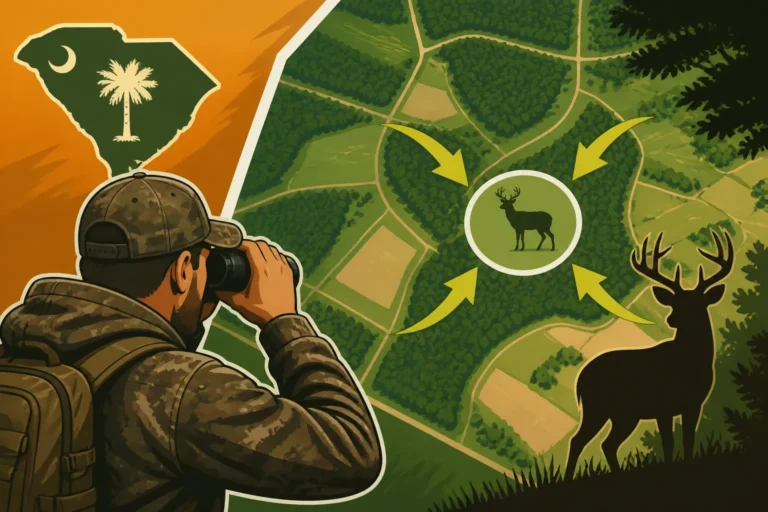
Look for areas where oak trees might have dropped their acorns later in the season, or where they weren't hammered by squirrels and other critters earlier. If acorns are scarce, deer will turn to remaining green browse in sheltered areas, like honeysuckle thickets, greenbrier, and privet. Cut-overs and clear-cuts, especially those with tender new growth, can also be magnets for deer. Agricultural fields, even if harvested, can still offer waste grains like soybeans or corn, which provide essential calories. Scouting for these specific food sources is key, as deer will travel considerable distances to access them. A good mapping tool, like the one offered by GoHunt, can help you identify these types of terrain features and potential food sources from an aerial perspective before you even step foot in the woods.
Post-Rut Recovery and Movement
For bucks, January is a period of intense recovery. They've spent weeks chasing does, fighting rivals, and barely eating, often losing a significant portion of their body weight. Their primary goals now are to find food, rest, and avoid predators. This means their movements can become much more predictable, often a direct line between dense bedding cover and reliable food sources. The widespread, erratic cruising of the rut is largely over. This is a stark contrast to Hunting the Rut in the Upstate Zone.
Does, on the other hand, are often grouped up in larger numbers than earlier in the season. They also need to regain body condition, especially those that were bred and are now carrying fawns. These doe groups can be excellent indicators of food and bedding areas. Find the does, and a recovering buck looking for companionship or a quiet place to eat might not be far behind. Their activity levels might be lower during daylight hours, preferring to feed heavily under the cover of darkness, but they will still move during the day, particularly on clear, cold afternoons when they can soak up some sun.
Impact of Weather Patterns
January weather in the Upstate is fickle. You might experience a relatively mild day, followed by a sharp cold front that drops temperatures dramatically. Deer react strongly to these changes. A sudden drop in temperature, especially after a period of mild weather, often triggers increased daytime feeding activity. Deer know they need to fuel up to withstand the cold. This is when understanding Hunting After a Cold Front becomes incredibly valuable.
Conversely, during prolonged periods of extreme cold, deer might hunker down in dense thermal cover, limiting their movements to conserve energy. On sunny, still days, especially after a cold night, deer will often seek out south-facing slopes to bed, where they can bask in the warmth of the sun. Paying close attention to the forecast and adjusting your hunting times and locations accordingly can significantly increase your chances of success. A calm, cold, high-pressure day after a frigid night can be a prime time for deer movement, as they're eager to get up and feed.
Effective Tactics for January Deer Hunting
Hunting into the January close requires a refined approach. Deer are at their most wary, having dodged hunters for months, and their survival instincts are finely tuned. Your tactics need to be precise and patient.
Focus on Thermal Cover and South-Facing Slopes
As temperatures drop, thermal cover becomes a top priority for deer. Think thick pine stands, dense regenerating clear-cuts, or river bottom canebrakes that block the wind and hold residual heat. These areas offer both protection from the elements and a sense of security. Deer will often bed on south-facing slopes, particularly on cold, sunny days, to soak up the sun's warmth. When you're Reading a Ridge for Upstate Deer, pay close attention to which side gets the most sun and has the densest cover.
Your stand placement should account for this. Rather than focusing solely on traditional travel corridors, consider setting up on the edges of these thermal bedding areas, especially where they intersect with remaining food sources. Pay extremely close attention to wind direction and thermals. On cold mornings, thermals will typically drop down the slopes, rising as the day warms. By midday, they might reverse. Understanding Wind and Thermals on an Upstate Ridge is crucial to avoid having your scent blow right into a bedding deer. Getting in early and staying late to catch deer moving at the seams of light and darkness will be your best bet, as they feel safest in low light.
Scrutinizing Remaining Food Sources
I can't stress this enough: in January, it's all about food. Deer are energy-depleted, and they need calories. Your scouting efforts should be laser-focused on finding whatever food sources are still available and actively being used. This could be isolated patches of white oak acorns that fell late, overlooked red oak acorns, or dense thickets of honeysuckle, greenbrier, and privet that retain their leaves and offer some sustenance.
Even small, overlooked pockets of browse can hold deer. Look for fresh tracks, droppings, and browse lines. If you're on public land, especially in areas like the Sumter National Forest, these remaining food sources might be sparse, making their discovery even more valuable. This is where modern mapping applications, like the one from GoHunt, can be incredibly helpful. You can use aerial imagery to identify different timber types, potential clear-cuts or pine plantations that might offer dense cover and browse, and even agricultural fields bordering public land. Spend time on foot, but augment that with digital scouting to maximize your efficiency.
Patience and Long Sits
January deer are survivors. They've made it through the archery, muzzleloader, and general gun seasons, encountering countless hunters along the way. They are inherently more cautious and often shift to primarily nocturnal patterns. This means you need to be exceptionally patient and commit to long hours in your stand or blind. Mornings might be slow, with deer moving back to bedding cover from nighttime feeding. Afternoons, especially late ones, can be prime as deer begin to stir for their evening meal.
Consider using a ground blind for these long sits, especially if you expect to be out from dawn till dusk. They offer excellent concealment, block the wind, and help keep your scent contained, making those extended waits much more comfortable. Using a Ground Blind on South Carolina Public Land can be a game-changer, allowing you to move subtly, stay warm, and minimize your human profile. The colder weather means you’ll want to stay as still as possible to avoid giving off scent and because deer are often focused on conserving energy, they might move slower and more deliberately.
Strategic Stand Placement
Your stand placement in January should revolve around the food-to-bedding connection. Look for natural funnels – pinch points between thickets, creek bottoms that act as travel corridors, or saddles on ridges that deer use to traverse terrain. Focus on bottlenecks where deer are forced to pass through a predictable area between their sanctuary and their supper.
Since deer movement might be minimal during daylight, concentrate your efforts on areas closest to their bedding cover, especially those transition zones where they feel secure but are starting to think about food. Accessing your stand stealthily is paramount; frozen ground can make every step noisy, so consider approach routes that minimize crunching leaves or breaking twigs. Use the GoHunt app to map out your quiet entry and exit routes, noting terrain features that can provide cover for your approach. You want to be in your stand long before daylight, and stay until legal shooting hours are over, maximizing your chances during those critical low-light periods.
Essential Gear and Preparation for January
Hunting into January means contending with some of the coldest weather South Carolina sees all year. Being unprepared for the chill can quickly turn an exciting hunt into a miserable, and potentially dangerous, experience. Proper gear and preparation are non-negotiable.
Layering for Cold and Variable Weather
The biggest mistake you can make is underdressing. South Carolina’s Upstate January might not be arctic, but temperatures can easily dip below freezing, especially in the mornings, with wind chill making it feel even colder. Layering is key. Start with a good base layer of moisture-wicking material – merino wool or synthetic is ideal – against your skin. This pulls sweat away, keeping you dry and warm. Avoid cotton, as it retains moisture and will make you cold.
Next, add an insulating mid-layer, such as fleece or a puffy jacket. This traps warm air and provides the bulk of your warmth. Finally, a waterproof and windproof outer shell is crucial to protect against any rain, sleet, or biting winds. You should have enough layers that you feel a little cool when you first start walking, because you'll warm up quickly once you're moving to your stand. Once you're sitting, you can add an extra layer or two to stay comfortable. Being able to shed or add layers as the day progresses and temperatures fluctuate is vital for staying comfortable and focused.
Footwear and Hand Protection
Cold feet and cold hands are quick ways to end a hunt early. Invest in high-quality, insulated, waterproof boots. Look for boots with at least 800 grams of Thinsulate, or more if you plan on long sits in very cold temperatures. Rubber boots are excellent for keeping your feet dry in damp conditions, which is common in the Upstate during winter, and many are now heavily insulated. I've found that Investing in Insulated Boots for a South Carolina January is one of the best decisions you can make. Always wear moisture-wicking socks, and consider a thicker wool sock over a thinner liner sock for maximum warmth.
For your hands, a layering system works best too. Start with a thin, dexterous glove that allows you to operate your firearm or bow. Over these, wear a heavier, insulated, windproof mitten or a glove with a hand warmer pocket. Many hunters swear by hand muffs with chemical warmers inside for ultimate hand comfort during long periods of inactivity. Being able to easily slip your hands in and out of a warm muff while still having fine motor control with lighter gloves is a game-changer.
Scouting Tools and Navigation
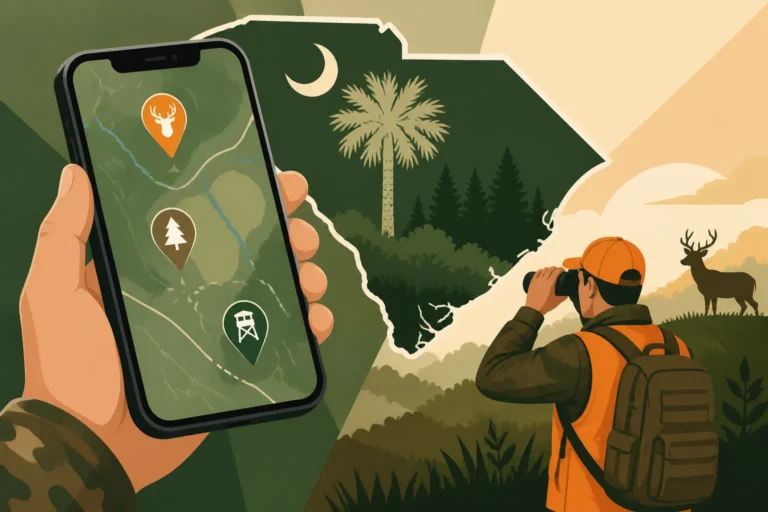
January hunting often means navigating bare woods, which can reveal terrain features previously hidden by foliage. However, it also means less cover for you. A reliable GPS unit or a smartphone app like GoHunt is invaluable for scouting and navigation. Use it to mark potential bedding areas, current food sources, and your stand locations. The ability to view public land boundaries and topography can help you identify subtle funnels and hidden pockets that deer might be using.
Prior to your hunt, spend time virtually scouting using these tools. Look for benches on hillsides, saddles on ridges, and drainage features that deer might use as travel routes. When you're on the ground, confirm these observations with fresh sign. Don’t forget a compass and a physical map as a backup, especially in remote areas where cell service might be spotty. Scouting South Carolina Public Land Before Season is always beneficial, but doing so in late fall or early winter allows you to see the terrain more accurately as it will appear during your hunt.
Game Recovery Considerations
While the colder temperatures of January are a blessing for meat care, they can sometimes make blood trailing more challenging. Frozen ground or sparse blood trails on dry leaves can be tough to follow. If there’s snow, that’s another story, but South Carolina rarely gets enough to reliably track. Therefore, precise shot placement is even more critical.
Plan your recovery route before the shot, noting landmarks near where the deer was standing. If you make a shot, give the deer ample time before tracking, even in colder weather, especially if it's a marginal hit. Bring a good quality, bright headlamp for tracking after dark, and consider a tracking dog if legal and available in your area. The cooler temperatures are ideal for preserving the meat, but getting the deer out of the woods quickly and safely is still paramount. A deer cart can be a lifesaver in the often-rough terrain of the Upstate.
January Upstate Deer Food Sources and Associated Tactics
| Food Source Type | Examples | Deer Behavior | Recommended Tactics |
|---|---|---|---|
| Hard Mast | White Oak Acorns (late drop), Red Oak Acorns (residual) | High-calorie focus, concentrated feeding | Hunt directly over remaining acorns; scout for fresh sign |
| Green Browse | Honeysuckle, Greenbrier, Privet, Winter Forbs | Secondary food source, found in dense thickets | Hunt edges of thickets, travel corridors near browse |
| Agricultural | Waste Corn, Soybeans, Winter Wheat (if present) | High-calorie, often nocturnal feeding | Hunt field edges at dawn/dusk, transition lines; use ground blinds |
| Cut-overs/Clear-cuts | Tender new growth, regenerating saplings | Provides both food and dense thermal cover | Hunt downwind edges, entry/exit points from bedding |
| Conifer Stands | Young Pine Plantations (low browse) | Primarily thermal bedding, limited browse | Hunt adjacent transition zones, sunny edges |
Disclaimer
Hunting is an inherently dangerous activity. Always prioritize safety by following all local, state, and federal regulations. Obtain proper licenses and permits. Understand and adhere to safe firearm and archery practices. Be aware of your surroundings, wear appropriate safety gear like blaze orange, and inform others of your hunting plans and location. The information provided in this guide is for informational purposes only and should not replace professional advice or personal judgment.