Do You Need a Separate Crossbow Permit?
It's easy to get bogged down and utterly confused by hunting regulations, especially when you're considering a new piece of gear like a crossbow. Many folks worry that there's some secret, extra permit you have to jump through hoops to get just to use a crossbow, adding another layer of bureaucracy to an already intricate system. This guide is here to clear the air, giving you a definitive understanding of South Carolina's crossbow rules and what permits you truly need to hit the woods.
The Straight Answer: No Specific Crossbow Permit Required
Let's cut right to the chase because I know how frustrating it can be to dig through rulebooks looking for a simple answer. In South Carolina, you do not need a separate, specific permit solely for hunting with a crossbow. That's a huge relief for many hunters who might be transitioning from traditional archery or even firearms. The Palmetto State treats crossbows as a legal method of harvest during the established archery deer season. It's lumped right in with compound bows and traditional longbows or recurves.
What "Archery Season" Means for Crossbows in South Carolina
When the regulations talk about "archery season," they are encompassing a broader category of equipment than just your traditional stick-and-string. For the vast majority of private lands and many public lands across the state, if it's archery season, your crossbow is good to go. This means you can take advantage of those wonderfully long archery seasons, which often open much earlier than the general firearms seasons, giving you a head start on those early season patterns. This also holds true for other game where archery equipment is permitted, like feral hogs. Hunting South Carolina's Year-Round Feral Hogs is a great way to put a crossbow to use.
This inclusive approach means that once you've got your basic hunting license and big game permits squared away (which we'll talk about in a bit), you're essentially cleared for crossbow use during the designated archery periods. There isn't a special box to check or an extra fee to pay just for the privilege of shouldering a crossbow. The key is knowing when and where archery season is open in your specific game zone, as these dates can vary significantly across the state. Remember to always check the current year's regulations for the most up-to-date information, as things can shift from year to year.
Why the Confusion About Crossbow Permits Exists
It's completely understandable why there's so much confusion surrounding crossbows and permits. For years, in many states, crossbows were either outright banned during archery season or only allowed for hunters with specific disabilities. This led to a legacy of complicated regulations that still echoes today. Even in states where they are now fully legal for all archery seasons, the memory of those restrictions often lingers, making hunters question if a special rule still applies.
Another source of confusion might stem from the varied regulations across different states. What's perfectly legal and straightforward in South Carolina might require a specific permit or fall under different season structures just across the border. Many hunters travel or simply hear stories from friends in other parts of the country, leading them to believe that similar restrictions apply everywhere. It’s also important to differentiate between a "permit" and a "tag" – while you don't need a crossbow permit, you absolutely need your deer tags, which are part of your big game permit, regardless of the weapon used. The system for tags is explained further in South Carolina Statewide Antlered Bag Limit.
Finally, the sheer volume of hunting regulations can be overwhelming. There are rules for general hunting licenses, big game permits, WMA permits, migratory bird permits, and then weapon-specific rules for firearms, primitive weapons, and archery. It’s a lot to keep straight, and the subtle nuances between what's required for one type of equipment versus another can easily lead to misunderstandings. Platforms like GoHunt can sometimes help sift through general regulations, but always defer to the official SCDNR rulebook for the specifics.
Understanding South Carolina's Crossbow Regulations in Detail
While you don't need a separate permit for a crossbow, it's crucial to understand the rules that govern their use. These aren't about getting permission for the weapon itself, but rather how and when it can be deployed within the broader hunting framework. Ignoring these can lead to fines and loss of hunting privileges, which is something none of us want.
Legal Use During Archery Season
The primary period for crossbow hunting in South Carolina is during the designated archery deer seasons. These seasons typically open in mid-August in the coastal zones (Zones 3 & 4) and later in September or October in the upstate (Zones 1 & 2). This means you have a significant window to pursue deer with your crossbow. When South Carolina's Archery Season Opens details these dates.
Crossbows are considered archery equipment, which means they are generally legal wherever bows and arrows are legal for deer, turkey (during spring season), and feral hogs. This broad allowance is a testament to the state's recognition of crossbows as a legitimate and effective hunting tool. However, it's important to remember that archery equipment does not equate to firearms. You cannot use a crossbow during a firearms-only season, nor can you use it during the primitive weapons season unless primitive weapons explicitly include archery equipment for that specific hunt, which is rare for crossbows. It's always best practice to double-check the specifics for each species and each game zone. For instance, Bowhunting South Carolina's Long Archery Season goes into depth on this.
| Weapon Type | General Deer Season (Private Land) | Primitive Weapons Season (Private Land) | WMA Archery Hunt | WMA Primitive Weapons Hunt |
|---|---|---|---|---|
| Modern Rifle | Yes (Firearms Season Only) | No | No | No (unless specified) |
| Shotgun | Yes (Firearms Season Only) | No | No | No (unless specified) |
| Muzzleloader | Yes (Firearms Season & Primitive) | Yes | No | Yes |
| Archery (Bow) | Yes (Archery Season) | No | Yes | No |
| Crossbow | Yes (Archery Season) | No | Yes | No |
Note: WMA rules can be highly specific and vary greatly. Always check individual WMA regulations before hunting.
Restrictions and Prohibitions on Crossbow Use
While crossbows are widely accepted, there can be specific instances or locations where their use is restricted or prohibited. The most common of these are on certain Wildlife Management Areas (WMAs). Many WMAs in South Carolina have stricter regulations than private land, sometimes separating archery hunting into "bow-only" periods or excluding crossbows from certain primitive weapons hunts. This is not because of a separate permit, but due to specific WMA rules designed to manage hunter density or weapon type. South Carolina WMA Permit Requirements is a good resource to review before heading to public land.
For example, a WMA might have an early archery season where only traditional bows and compound bows are permitted, with crossbows only becoming legal later in the archery season or perhaps during a general firearms season. You must consult the WMA regulations specific to the area you plan to hunt. The Go Outdoors SC app or website often provides these specific WMA rules. Don't assume that if it's legal statewide, it's legal on every inch of public land. This nuance is where many hunters get into trouble, unintentionally running afoul of hyper-local rules.
Another consideration, although less common for crossbows, is specific bag limits or harvest restrictions that might apply to certain weapon types in other states. South Carolina largely treats archery hunters (including crossbow users) the same regarding bag limits and tagging. However, always verify the antlered and antlerless limits for your specific game zone and license type, as these are critical regardless of your weapon choice. For instance, How Many Antlered Deer Residents Can Take outlines these limits, which apply universally to archery hunters.
Essential Licenses and Permits for Any Hunter
Okay, so no separate crossbow permit, but you absolutely need the foundational licenses and permits that every hunter in South Carolina must possess. These are your bread and butter, regardless of whether you're toting a rifle, a muzzleloader, or a crossbow. Skipping these will land you in hot water far quicker than misunderstanding a crossbow nuance.
The Core Requirements: Base License and Big Game Permit
Every hunter in South Carolina, whether resident or nonresident, needs a basic hunting license. This is your entry ticket to hunting any game in the state. Think of it as your passport to the wild. This license is generally an annual purchase. Beyond that, if you plan on hunting deer, turkey, or bear (considered "big game" in South Carolina), you'll need to purchase a Big Game Permit. This permit includes your essential tags for deer and, if you're hunting during spring turkey season, your turkey tags as well.
These two — the base hunting license and the big game permit — are non-negotiable for hunting deer with a crossbow on private land. You simply cannot hunt big game without them. It’s imperative that you purchase these before you head into the field. You can usually purchase them online through the Go Outdoors SC portal, or at many sporting goods stores and authorized vendors throughout the state. Keep your license and permits with you at all times while hunting; having them readily available, perhaps on your phone through an app, is generally accepted, but always have access to a valid form of proof. For all the details on what these cost and how to obtain them, check out South Carolina Hunting Licenses and What They Cost.
Additional Permits You Might Need Beyond the Basics
While the base license and big game permit cover most private land hunting, there are a few other permits you might need depending on where and what you're hunting:
- WMA Permit: If you plan to hunt on any of South Carolina's Wildlife Management Areas (WMAs), you'll need a WMA Permit. This is a crucial addition to your base license and big game permit. As mentioned earlier, WMAs often have their own specific rules, seasons, and sometimes even weapon restrictions, so always check those specific regulations. This permit grants you access to millions of acres of public hunting ground, but with the caveat of respecting their unique rules.
- Migratory Bird Permit (HIP Certification) and Federal Duck Stamp: If your hunting plans include migratory birds like doves, ducks, or geese (even with a crossbow for doves, though it's not common), you'll need to obtain HIP certification (Harvest Information Program) annually. If you're hunting waterfowl, you'll also need a Federal Duck Stamp, regardless of whether you're using a shotgun or attempting to take ducks with archery gear. This is a federal requirement, not just a state one.
- Bear Tags: If you are lucky enough to draw a bear tag for one of South Carolina's bear zones, that's another specific permit you'll need. Bear hunting is highly regulated, and these tags are essential. South Carolina's Two Bear Hunting Zones clarifies the areas where bear hunting is even an option.
It’s easy to overlook these additional permits, especially if you’re new to hunting a particular species or new to public land. Using a tool like GoHunt to scout areas can sometimes remind you of public land requirements, but the official SCDNR website is your ultimate source for all permits and rules. Always plan ahead and ensure you have all the necessary documentation before your hunting trip to avoid any unwelcome surprises from game wardens.
Benefits and Considerations of Crossbow Hunting in South Carolina
Crossbows have truly revolutionized archery hunting for many, opening doors that might have previously been closed due to physical limitations or learning curves. Understanding why they're popular, along with some important considerations, can help you decide if a crossbow is the right tool for your South Carolina hunts.
Accessibility and Ease of Use
One of the biggest advantages of crossbows is their accessibility. They require less physical strength and specialized technique to shoot accurately compared to a traditional compound or recurve bow. This means hunters who might have shoulder injuries, limited mobility, or simply less upper body strength can still participate in archery seasons. It significantly lowers the barrier to entry for many, including youth and older hunters, or those just starting out. South Carolina Mentored Youth Hunting Rules can apply here for young hunters learning with a crossbow.
Furthermore, crossbows are often easier to master in terms of accuracy. They feature scopes, triggers, and a stable platform, which allows for a shooting experience closer to a rifle than a traditional bow. This can lead to quicker proficiency for new archers, boosting confidence and enabling them to be more effective and ethical hunters sooner. For situations where you're sitting in a ground blind on a field edge, waiting for that deer to step out, the stability of a crossbow can be a huge asset. Ground Blinds on South Carolina Field Edges talks about situations where a crossbow can excel. This ease of use doesn't diminish the challenge of hunting; it simply allows more people to participate in the archery aspect of it.
Ethical Considerations and Shot Placement
While crossbows offer many benefits, they also come with ethical considerations that every hunter should acknowledge. Just because a crossbow is "easier" to shoot doesn't mean ethical shot placement becomes less critical. In fact, because crossbows are often used at closer ranges in thick South Carolina cover, quick, precise shots are paramount. Understanding deer anatomy and knowing exactly where your broadhead needs to hit to ensure a quick, humane kill remains the highest priority.
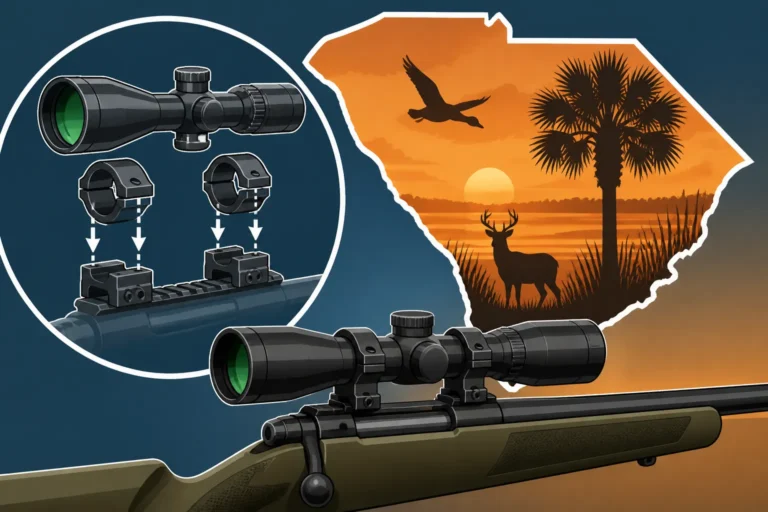
It's also important to practice extensively with your crossbow, just as you would any other hunting weapon. Don't assume that because it has a scope, you're automatically a crack shot. Practice shooting from various positions you might encounter in the field – from a treestand, from your knees, or even bracing against a tree. Pay close attention to your effective range; while a crossbow can shoot accurately at greater distances than many traditional bows, ethical hunting demands limiting your shots to ranges where you can consistently hit a vital area. The goal is always a clean, swift harvest. Using quality broadheads and ensuring your crossbow is properly sighted in for your specific ammunition are also critical steps for ethical hunting. For more on equipment choices, check out Crossbow Scopes for South Carolina Timber Ranges.
Ultimately, the choice to use a crossbow is a personal one, but understanding its place within South Carolina's hunting regulations and applying sound ethical principles will ensure a successful and responsible experience afield. The good news is, in South Carolina, the question of a separate permit is one less thing you need to worry about. Focus on your regular licenses, your permits, and knowing your equipment and the regulations for your specific hunting area.
Disclaimer
This article is for general informational purposes only and does not constitute professional advice. Laws, prices and regulations vary by location and change over time. Consult a qualified professional for guidance on your specific situation.