Asking a South Carolina Farmer for Permission
Hunting private land in South Carolina can feel like an impossible dream, especially when public land gets crowded or just doesn't offer the opportunities you're looking for. Many hunters shy away from approaching landowners, fearing rejection or just not knowing where to start. But securing permission on a good piece of private property can be one of the most rewarding ways to hunt. This guide is all about giving you the tools and confidence to respectfully ask South Carolina farmers for permission to hunt their land, navigating the conversation, and building lasting relationships.
The Mindset Before You Even Knock
Before you ever pull into a farmer's driveway, it’s crucial to mentally prepare and understand the situation from their perspective. This isn't just about hunting; it's about building a trusting relationship.
Researching the Land and the Farmer
First and foremost, do your homework. Modern mapping tools like onX Hunt are invaluable here. You can use these apps to identify land ownership, property boundaries, and potential access points without ever stepping foot on the property. Look for active farms, timber operations, or properties with good cover and food sources for the game you intend to pursue. Knowing a bit about the lay of the land—what crops they might grow, if they run livestock, or if there are specific natural features like creek bottoms or dense timber—shows you're serious and respectful of their property and livelihood. You don't want to show up asking to hunt deer if all they have is a cow pasture. Look for those tell-tale signs of deer activity – creek bottoms, field edges, timber stands adjacent to agricultural fields. Reading Aerial Photos for Upstate Deer can really help here, even if you're not in the Upstate. Pay attention to how the property is used, and what its primary purpose is.
Understanding the farmer's operation helps you tailor your approach. For example, if it's primarily a cattle farm, you'll need to emphasize how you'll keep gates closed and avoid disturbing livestock. If it’s a row crop operation, you’ll want to show awareness of their planting and harvest schedules. This initial research helps you speak their language and shows you’ve invested time, rather than just cold-calling with no prior thought.
Understanding Farmer Concerns
Put yourself in their boots for a moment. Farmers are often incredibly busy, and their land is not just a piece of real estate; it's their livelihood, their home, and often a legacy. They have very legitimate concerns when a stranger asks for access. Top worries often include liability if you get hurt on their property, gates being left open that could lead to livestock escaping, fences being cut, trash being left behind, livestock being spooked or injured, and general disrespect for their property. Past negative experiences with other hunters can also make them hesitant.
When you approach them, be prepared to address these unspoken fears directly. Your goal isn't just to hunt; it's to be a solution, not another problem. Think about how you would feel if a stranger asked to use your most valuable asset for their hobby. By anticipating these concerns, you can proactively offer solutions and assurances, such as promising to always close gates, never drive off established paths, and being extra mindful of their operations.
Presenting Yourself Respectfully
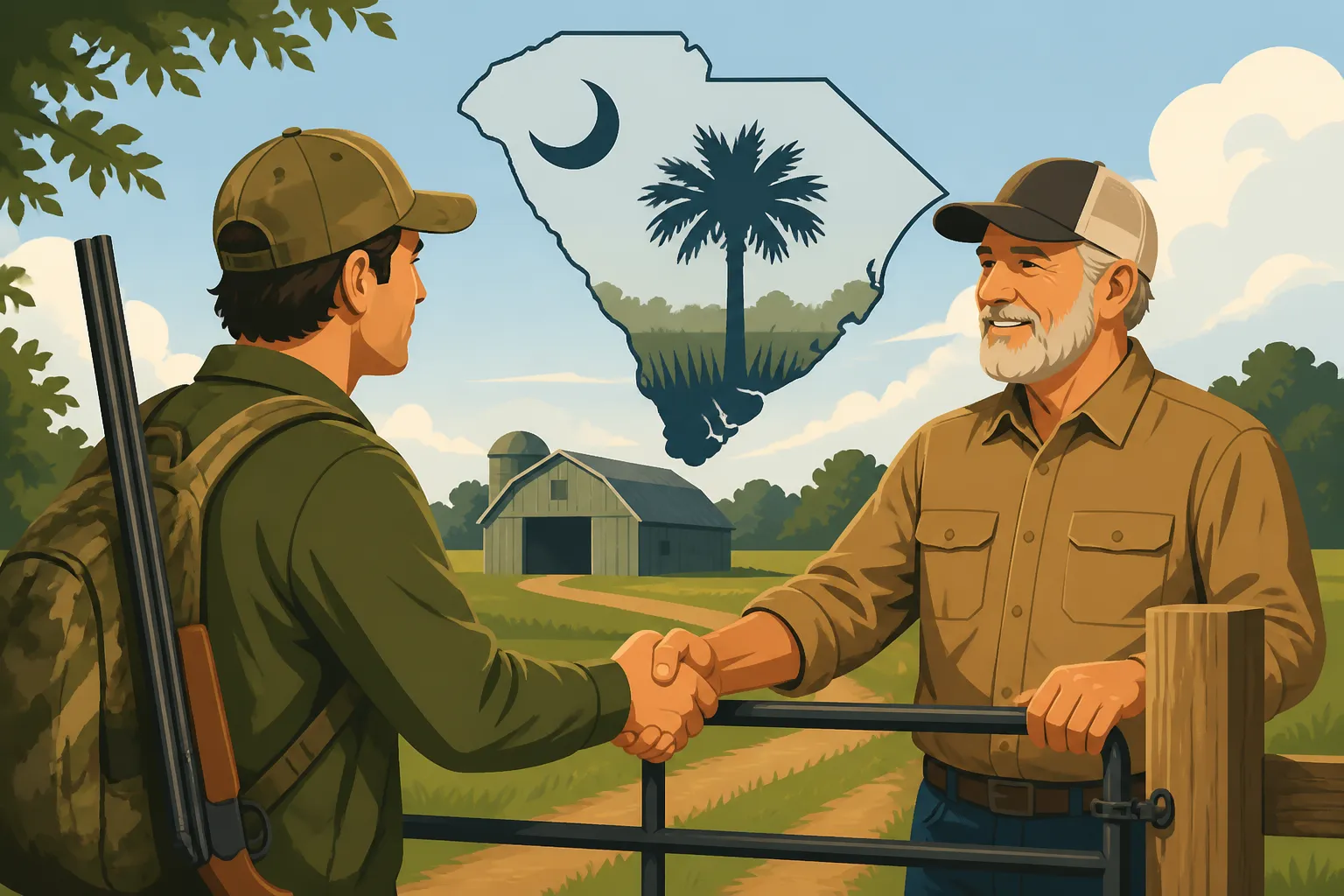
First impressions are everything when asking for a favor of this magnitude. Dress neatly and conservatively, not in your camouflage hunting gear. Leave your rifle or bow locked away in your vehicle. You're not going hunting right then; you're conducting a polite, formal request. Be polite, articulate, and friendly from the moment you step out of your vehicle. Maintain eye contact, offer a firm handshake, and introduce yourself clearly. Bring a notepad and pen to jot down details or show you're taking their words seriously, demonstrating your attentiveness.
Your demeanor should convey responsibility, trustworthiness, and genuine respect. You are asking for a privilege, not asserting a right, and your attitude should reflect that. A farmer is far more likely to grant access to someone who appears responsible and considerate than to someone who comes across as demanding or disorganized. Be ready to explain who you are, where you're from, and why you're interested in hunting their particular piece of land.
Making the Approach: The Art of the Ask
Once you've done your homework and set your mindset, it's time for the actual conversation. This phase requires tact, patience, and a bit of good timing.
Timing Your Visit for Success
Timing your visit is absolutely crucial and can make or break your chances. Don't show up during planting season when they're working sunup to sundown, during harvest season when every minute counts, or when they're frantically trying to get livestock in during a severe weather event. These are high-stress periods, and you'll likely be viewed as an unwelcome distraction.
Early spring or late summer, before the hunting frenzy truly begins, can often be a good window. Weekday afternoons, when daily chores might be wrapping up but they're not yet settled for the evening, can also work well. Avoid showing up unannounced on weekends, as this is often when farmers try to catch up on personal time or family matters. A quick observation from the road can tell you if they look busy or approachable. If you see them actively working fields or dealing with livestock, come back another time. Respecting their schedule shows you respect their time and their livelihood.
What to Bring to the Conversation
Beyond your respectful demeanor, consider bringing something tangible to the conversation. A small, thoughtful token of appreciation, like a local specialty, a gift card to a hardware store, or even a handwritten note about your appreciation for their hard work, can go a long way. This isn't a bribe, but a genuine gesture of goodwill.
Have a clear, concise outline of what you're proposing. This might include:
- Specifics: What game you want to hunt (e.g., deer, turkey, small game).
- Season: What time of year you plan to hunt.
- Method: Your hunting style (e.g., archery-only, South Carolina Primitive Weapons Tactics, still-hunting, tree stand hunting).
- Number of Hunters: If you'll be alone or with a small, trusted group.
- Access Points: How and where you plan to enter the property.
Having a copy of your current South Carolina hunting license and a willingness to discuss liability insurance (if you carry it) can also instill confidence. Some hunters even have a simple written agreement drafted, outlining the terms of permission. This shows professionalism and directly addresses potential liability concerns. The question of Do You Need Written Permission in South Carolina? is often answered with a "yes" by prudent landowners, even if it's just a simple, informal note. Being prepared with such a document shows you're serious and thoughtful.
The Art of the "No"
Be mentally prepared for rejection, and commit to handling it gracefully. A "no" isn't a personal attack. It could be for any number of reasons that have nothing to do with you: they already have hunters, they simply don't want hunters on their property, they've had bad experiences in the past, or they just don't have the time to manage it.
If you hear a "no," simply thank them sincerely for their time and move on. Leave your contact information (a business card or a small, neat note with your name and number) just in case their situation changes in the future. Burning a bridge by being upset, argumentative, or disrespectful will only hurt future opportunities, both for you and for other hunters in the community. Remember, a polite "no" today could potentially become a "yes" next year if you've left a good, lasting impression. There are always other farms, and maintaining your reputation is paramount.
Building and Maintaining the Relationship
Securing permission is just the first step. The true test of a hunter's character and the longevity of the permission lies in how you manage the relationship afterward.
Being a Good Steward of Their Land
Once you get that coveted "yes," your job has just begun. Treat their land with more respect than you would your own. This means:
- Gates: Always close all gates, even if you found them open. This is critical for livestock management.
- Parking: Park exactly where instructed, keeping roads and paths clear.
- Boundaries: Stay strictly within the agreed-upon hunting areas and away from residences or livestock.
- Trash: Pack out everything you pack in. If you find trash that isn't yours, pick it up.
- Property: Report any downed fences, suspicious activity, or issues you observe while hunting. This kind of diligence proves you're a responsible individual and reinforces their decision to trust you. South Carolina Posted Land Rules exist for a reason; you are operating under their specific permission, which might go beyond or integrate with those rules.
Being a good steward extends to your behavior while hunting. This includes safe firearm handling, respecting their timber resources, and minimizing your impact on their crops.
Communication Is Key
Maintaining open and regular communication is vital. Don't just show up unannounced after getting permission. Let them know when you plan to be on the property, and then inform them when you've left. A quick text or phone call before you head out is always a good practice. They appreciate knowing who is on their land and when.
If you harvest an animal, inform them. This shows respect and allows them to manage their resources if they are interested in herd dynamics. If you see something unusual, like trespassers, damaged property, or even a sick animal, let them know immediately. This transparency builds trust and makes them feel involved and respected. Your regular updates, even if brief, can make them feel like you're an extra set of eyes looking out for their property.
Offering Help Beyond the Hunt
Don't just show up to hunt and disappear. Be proactive in offering a hand with chores that you might be able to help with. This could be something as simple as mending a fence, stacking some firewood, helping move equipment, or even just running an errand into town. A farmer's work is never truly done, and a genuine offer of help, even for a short time, will solidify your relationship far beyond just hunting access. This isn't about paying for access, but about demonstrating your value as a respectful member of their community and showing genuine appreciation. It's about cultivating a friendship, not just a hunting spot.
Many farmers appreciate help with tasks that they simply don't have enough time or manpower for. Even offering to pick up a part in town while you're there can be a huge time-saver for them.
What to Offer in Return for the Privilege
Beyond simply being a good person, consider what tangible offerings you can provide to show your gratitude and make the relationship mutually beneficial.
Practical Assistance on the Farm
Sometimes, the best currency is labor. As mentioned, offering to help with tasks like clearing brush from a fence line, repairing a barn door, or assisting during planting or harvest season can be incredibly valuable. Many farmers are short-handed, especially on smaller family farms, and an extra set of willing, capable hands can be a huge blessing. This shows you're not just there to take, but to contribute to their daily life and the upkeep of their property. You might be surprised at how much they appreciate an hour or two of your time, and these shared experiences often lead to stronger friendships.
Consider if you have any particular skills that could be useful. Are you good with machinery? Can you fix things? Even helping manage invasive species like feral hogs, which often damage crops, can be a huge benefit to a farmer. South Carolina Feral Hog Regulations allow for year-round hunting on private land, making you a valuable ally against these destructive animals.
Sharing Your Harvest
A fantastic and traditional way to show gratitude is to share some of your harvest. Venison sausage, a cleaned wild turkey breast, or even a couple of dressed ducks can be a wonderful gesture. It allows them to indirectly enjoy the bounty of their land and provides a delicious, fresh meal they might not otherwise have. Always ask if they'd be interested first; don't just drop off a bloody carcass. Offering a cleaned, packaged, and ready-to-cook portion is usually best.
This act of sharing not only provides a tangible gift but also reinforces the purpose of your presence on their land in a positive way. It transforms the harvest into a communal experience, strengthening the bond between hunter and landowner.
Understanding Compensation and Leases
While the focus here is on asking for permission, sometimes a farmer might be open to a small lease fee, especially if they have significant acreage, have previously leased land, or there's high demand for hunting access in the area. Be prepared to discuss this, but generally, it's best not to lead with an offer of money unless they bring it up first. If they do, be realistic and fair about what you can offer, remembering that South Carolina Hunting Lease Prices Per Acre can vary widely depending on location, habitat, and demand.
Even if you don't go the formal lease route, a thoughtful annual gift can go a long way. This could be a holiday gift basket, a gift card to their favorite local restaurant or hardware store, or a bushel of garden produce from your own garden. The main goal is to be fair, appreciative, and to consistently show that you value the access they provide. This isn't just about the hunt; it's about valuing the landowner and their generosity. Apps like GoHunt can help you identify potential areas to target for asking permission by showing land ownership and public/private boundaries, making your initial research more efficient. Hunting Small Private Tracts in South Carolina can often be more rewarding than crowded public land, especially if you've put in the work to gain permission. Remember, good relationships open doors.
Here's a quick rundown of some dos and don'ts when approaching landowners:
| Do's | Don'ts |
|---|---|
| Research the property and landowner | Show up unannounced during busy times |
| Dress neatly and respectfully | Wear camo or bring your hunting gear |
| Be polite and articulate | Be demanding or entitled |
| Explain your hunting style and plans | Be vague about your intentions |
| Address potential concerns (liability) | Ignore farmer's questions or fears |
| Offer a small token of appreciation | Expect free access without offering anything in return |
| Accept "no" gracefully and thank them | Argue or become agitated if denied |
| Offer help with farm chores | Only show up when it's time to hunt |
| Communicate your presence on the property | Hunt without informing the landowner |
| Share some of your harvest | Leave trash or damage property |
| Follow all rules and requests | Disregard any specific instructions they provide |
Building these relationships takes time, patience, and genuine effort. It's not a one-time transaction but an ongoing commitment. By being respectful, helpful, and communicative, you stand a much better chance of turning a cold call into a warm welcome, opening up some incredible hunting opportunities on private land across South Carolina. This careful cultivation of trust can lead to unforgettable experiences, whether you're Hunting a Green Field Planted for Deer or pursuing gobblers in spring. Also, remember to consult Retrieving Game From Private Land in South Carolina rules, even if you have permission, as specific regulations may apply.
Disclaimer
This article is for general informational purposes only and does not constitute professional advice. Laws, prices and regulations vary by location and change over time. Consult a qualified professional for guidance on your specific situation.